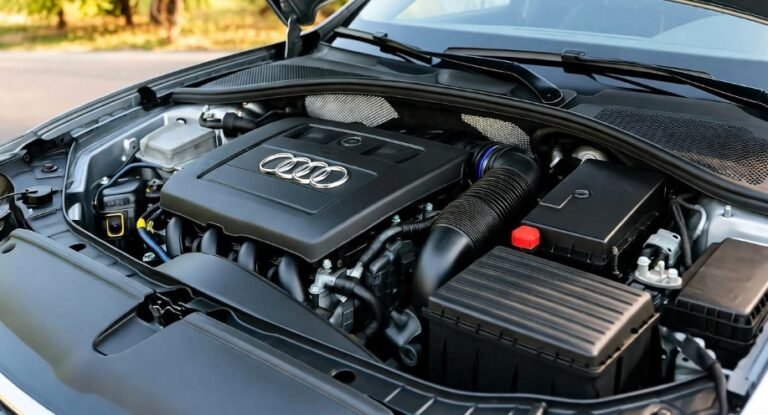
Description to Sell a Car

Writing a powerful description to sell a car is your first step toward a quick, profitable sale. It’s not just about listing specs—it’s about telling a story that builds trust, highlights value, and makes buyers feel confident. With the right approach, you can turn a simple ad into a must-have deal.
Selling a car can feel overwhelming—especially if you’ve never done it before. You’ve got the vehicle, but now you need buyers. And the first thing they’ll see? Your description. That’s why crafting a strong, honest, and engaging description to sell a car is absolutely essential. It’s your digital handshake, your first impression, and often the deciding factor between a quick sale and months of silence.
Think of your car listing like a job application. You wouldn’t send a generic resume to every company, right? You’d tailor it to highlight your best skills and experiences. The same goes for your car ad. Buyers are scrolling through dozens—maybe hundreds—of listings. If yours doesn’t stand out, it’ll get lost in the noise. A great description doesn’t just list facts; it tells a story. It answers the unspoken questions: *Is this car reliable? Has it been cared for? Will it save me money?* When you speak directly to those concerns, you build trust—and trust sells cars.
But here’s the good news: you don’t need to be a professional writer or a marketing guru. With a few smart strategies, anyone can write a description that grabs attention and drives results. Whether you’re selling a used sedan, a rugged SUV, or a classic convertible, the principles are the same. Focus on clarity, honesty, and value. Show buyers why your car is worth their time—and their money. In this guide, we’ll walk you through every step of creating a winning car ad, from choosing the right tone to including must-have details and avoiding common mistakes.
In This Article
- 1 Key Takeaways
- 2 📑 Table of Contents
- 3 Why Your Car Description Matters More Than You Think
- 4 What to Include in Your Car Description
- 5 How to Write a Compelling Description That Sells
- 6 Common Mistakes to Avoid in Your Car Description
- 7 How to Price Your Car Right
- 8 Final Tips for a Successful Sale
- 9 Conclusion
- 10 Frequently Asked Questions
Key Takeaways
- Be honest and transparent: Disclose any known issues upfront to build trust and avoid last-minute deal breakers.
- Highlight key features and benefits: Focus on what matters most to buyers—fuel efficiency, safety, tech, and condition.
- Use clear, descriptive language: Avoid jargon; write like you’re explaining the car to a friend.
- Include high-quality photos: Visuals are critical—show the car from multiple angles, inside and out.
- Mention maintenance and history: Service records, low mileage, and accident-free status boost buyer confidence.
- Set a competitive price: Research similar listings to price your car fairly and attract serious inquiries.
- Call to action matters: End with a clear next step—“Call today,” “Schedule a test drive,” or “Message for details.”
📑 Table of Contents
Why Your Car Description Matters More Than You Think
When you list your car online, you’re not just sharing information—you’re competing for attention. Platforms like Craigslist, Facebook Marketplace, Autotrader, and Cars.com are flooded with listings. Buyers scroll fast. If your description doesn’t hook them in the first few seconds, they’ll move on. That’s why your words need to work hard.
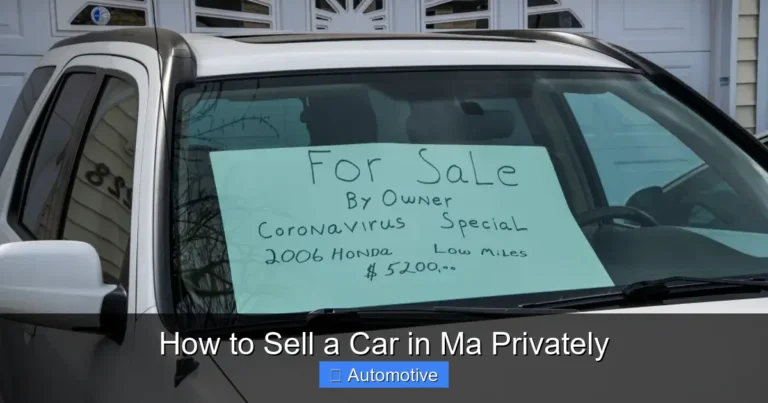
A strong description to sell a car does more than list features. It creates a connection. It answers questions before they’re asked. It reassures buyers that they’re making a smart choice. For example, instead of saying “2018 Honda Civic, 60,000 miles,” you could say, “Well-maintained 2018 Honda Civic with only 60,000 miles—perfect for commuters who want reliability and fuel savings.” See the difference? The second version paints a picture. It speaks to a need. It makes the car feel useful, not just available.
And let’s be real—buyers are skeptical. They’ve seen too many “too good to be true” ads. They’ve heard stories of hidden problems and misleading descriptions. That’s why honesty is your best tool. When you’re upfront about the car’s condition, even if it has minor flaws, you build credibility. Buyers appreciate transparency. They’re more likely to trust you—and more likely to make an offer.
The Psychology Behind a Winning Car Ad
People don’t buy cars based on specs alone. They buy based on emotion, trust, and perceived value. Your description needs to tap into that. Think about what matters most to your ideal buyer. Is it safety? Fuel economy? Low maintenance costs? A smooth ride? Once you know their priorities, you can tailor your message.
For instance, if you’re selling a family SUV, highlight features like spacious seating, advanced safety systems, and cargo room. Use phrases like “perfect for weekend getaways” or “keeps your family safe on every drive.” These aren’t just facts—they’re benefits. They help buyers imagine life with your car.
On the other hand, if you’re selling a sporty coupe, focus on performance, handling, and style. Words like “responsive steering,” “thrilling acceleration,” and “head-turning design” create excitement. They appeal to emotion, not just logic.
How a Great Description Saves You Time and Stress
A well-written ad doesn’t just attract buyers—it filters them. When your description is clear and detailed, you’ll get fewer lowball offers and time-wasters. Serious buyers will reach out because they already know what they’re getting. That means fewer phone calls asking basic questions and more productive conversations.
Plus, a strong description can help you avoid misunderstandings. If you mention that the car has a small dent on the rear bumper or that the tires were replaced last year, there are no surprises during the inspection. That builds trust and reduces the chance of the deal falling through at the last minute.
What to Include in Your Car Description
Now that you know why your description matters, let’s talk about what to put in it. A complete, compelling ad covers several key areas. Think of it like filling out a checklist—each item adds value and builds confidence.
Start with the basics: year, make, model, trim level, and mileage. These are non-negotiable. Buyers need this info to compare your car to others. But don’t stop there. Go deeper. Mention the engine size, transmission type (automatic or manual), drivetrain (FWD, AWD, etc.), and fuel type (gas, hybrid, electric).
Next, highlight the car’s condition. Is it in excellent shape? Good? Fair? Be honest. Use descriptive words like “pristine interior,” “minor wear on driver’s seat,” or “recently detailed.” If the car has been garage-kept or driven mostly on highways, say so. These details matter.
Highlight Key Features and Upgrades
This is where you can really shine. List the features that make your car stand out. Think infotainment systems, safety tech, comfort upgrades, and performance enhancements. For example:
– Apple CarPlay and Android Auto
– Backup camera and parking sensors
– Heated and ventilated front seats
– Blind-spot monitoring and lane-keeping assist
– Premium sound system
– Sunroof or panoramic roof
– Alloy wheels and performance tires
But don’t just list them—explain why they matter. Instead of “backup camera,” say “backup camera makes parking in tight spots a breeze.” Instead of “heated seats,” say “heated seats keep you cozy on cold winter mornings.” This turns features into benefits.
If you’ve made any upgrades—like new tires, a recent brake job, or a fresh paint job—mention them. These show that you’ve invested in the car’s care and can justify a higher price.
Mention Maintenance and Service History
One of the biggest concerns for used car buyers is reliability. They want to know the car won’t break down the week after they buy it. That’s why including maintenance history is a game-changer.
If you have service records, say so. Mention when the oil was last changed, when the brakes were inspected, and if the timing belt or transmission fluid was replaced. Even if you don’t have paperwork, you can note regular maintenance habits—“oil changed every 5,000 miles” or “all scheduled maintenance completed at dealership.”
If the car has had any major repairs—like a new transmission or engine work—be upfront. Yes, it might scare off some buyers, but it will attract serious ones who appreciate honesty. And it prevents nasty surprises later.
Be Honest About Flaws
Nobody expects a used car to be perfect. But hiding problems will backfire. If there’s a scratch, a dent, or a warning light on the dashboard, mention it. Use phrases like:
– “Small scratch on rear bumper (see photo)”
– “Check engine light occasionally comes on—diagnosed as minor sensor issue”
– “Passenger window motor needs adjustment”
This shows integrity. Buyers will respect your honesty and are more likely to trust the rest of your description. Plus, it sets realistic expectations, so there are no arguments during the inspection.
How to Write a Compelling Description That Sells
Now that you know what to include, let’s talk about how to write it. A great description to sell a car is clear, concise, and conversational. It sounds like you’re talking to a friend—not reading from a manual.
Start with a strong opening sentence. Grab attention right away. For example:
– “Reliable, fuel-efficient, and packed with features—this 2019 Toyota Camry is ready for its next owner.”
– “Low-mileage 2020 Subaru Outback with all-weather capability and a clean history.”
– “Sporty and stylish, this 2017 Ford Mustang delivers thrills without the high price tag.”
These openings are specific, positive, and focused on value. They tell buyers exactly what to expect.
Use Simple, Clear Language
Avoid technical jargon or overly formal phrasing. You’re not writing a textbook—you’re selling a car. Use short sentences and everyday words. Instead of “vehicle exhibits optimal performance characteristics,” say “runs smoothly and handles great.”
Also, avoid exaggeration. Words like “perfect,” “flawless,” or “mint condition” can raise red flags if the car isn’t truly spotless. Be accurate. If the car is in great shape, say “excellent condition” or “well-cared-for.”
Structure Your Description for Readability
Break your text into short paragraphs or bullet points. Long blocks of text are hard to read on mobile devices—and most buyers are scrolling on their phones. Use headings, line breaks, and lists to make it easy to scan.
For example:
Key Features:
– 2.5L 4-cylinder engine with 203 hp
– 8-speed automatic transmission
– All-wheel drive for all-weather confidence
– Apple CarPlay, Android Auto, and wireless charging
– Adaptive cruise control and forward collision warning
This format is clean, organized, and quick to read.
Tell a Story (Briefly)
People remember stories better than lists. Add a short personal touch to make your ad memorable. For example:
“I’ve driven this Honda Accord for five years—mostly highway miles for work trips. It’s never left me stranded, and I’ve kept up with every service. I’m only selling because I’ve upgraded to an electric vehicle.”
This adds authenticity. It shows the car has been loved and cared for. Just keep it brief—two or three sentences max.
Common Mistakes to Avoid in Your Car Description
Even with the best intentions, it’s easy to make mistakes that hurt your sale. Here are the most common ones—and how to avoid them.
Being Too Vague
Phrases like “great car,” “runs good,” or “must see” don’t tell buyers anything. They’re filler. Replace them with specific details. Instead of “great on gas,” say “gets 32 MPG on the highway.” Instead of “low mileage,” say “only 45,000 miles—well below average for its age.”
Overloading with Technical Details
While some specs are important, too many can overwhelm buyers. Focus on what matters most. You don’t need to list every bolt and sensor. Stick to engine size, transmission, fuel economy, and key features.
Ignoring the Title and Tags
On platforms like Craigslist or Facebook Marketplace, your title and tags help buyers find your car. Use keywords like “2018 Honda Civic LX,” “low mileage,” “clean title,” or “one owner.” Avoid vague titles like “Car for Sale” or “Nice Vehicle.”
Forgetting a Call to Action
Your description should end with a clear next step. Tell buyers what to do: “Call or text today to schedule a test drive,” “Message me for more photos,” or “Serious inquiries only—please include your phone number.” This increases response rates.
How to Price Your Car Right
Your description is only half the battle. The other half? Pricing. Even the best ad won’t sell an overpriced car. To set a fair price, research similar listings in your area. Use tools like Kelley Blue Book (KBB), Edmunds, or Autotrader’s pricing guide.
Look at cars with similar year, make, model, mileage, and condition. Note their prices—and why they’re priced that way. Is one car priced higher because it has a sunroof and leather seats? Is another lower because it needs new tires?
Then, decide where your car fits. If it’s in excellent condition with low mileage and recent maintenance, you can price it at the higher end. If it has minor flaws or higher mileage, price it competitively.
When to Adjust Your Price
If your car isn’t getting inquiries after a week or two, it might be overpriced. Drop the price slightly—$200 to $500—and update your ad. Mention the price reduction in the description: “Price reduced to sell fast!”
But don’t go too low. Pricing too cheap can make buyers suspicious. They might think there’s a hidden problem. Aim for fair market value—not a fire sale.
Final Tips for a Successful Sale
Once your description is live, the work isn’t over. Here are a few final tips to close the deal.
Respond Quickly to Inquiries
Buyers often contact multiple sellers. If you reply fast—within an hour or two—you’re more likely to get the sale. Have your phone ready and your schedule open for test drives.
Be Prepared for Questions
Have answers ready for common questions: “Has it been in an accident?” “Why are you selling?” “Can I see the Carfax?” If you don’t have a Carfax report, consider getting one—it adds credibility.
Meet in a Safe, Public Place
For test drives and meetups, choose a well-lit, public location like a mall parking lot or police station. Bring a friend if possible. Safety first.
Have the Paperwork Ready
Make sure you have the title, registration, maintenance records, and a bill of sale. This makes the transfer smooth and shows you’re organized.
Negotiate Fairly
Most buyers will negotiate. Be prepared to go down a little—but know your bottom line. If they offer too low, politely decline and explain why your price is fair.
Conclusion
Writing a powerful description to sell a car doesn’t have to be hard. With honesty, clarity, and a focus on value, you can create an ad that attracts serious buyers and speeds up your sale. Remember: your words are your first impression. Make them count.
Start with the basics—year, make, model, mileage—and build from there. Highlight key features, mention maintenance, and be upfront about any flaws. Use simple, conversational language and end with a clear call to action. Pair your description with high-quality photos and a fair price, and you’ll be well on your way to a successful sale.
Selling a car is a process, but it’s one you can master. Take your time, do your research, and trust that the right buyer is out there. With the right description, you’ll find them faster than you think.
Frequently Asked Questions
How long should my car description be?
Aim for 150 to 300 words. Long enough to include key details, but short enough to keep readers engaged. Use bullet points and short paragraphs for readability.
Should I mention minor flaws in the description?
Yes. Being honest about small issues builds trust and prevents surprises during inspection. It also attracts serious buyers who appreciate transparency.
What if I don’t have service records?
That’s okay. You can still mention regular maintenance habits, like “oil changed every 5,000 miles” or “all fluids checked annually.” Honesty goes a long way.
Can I use emojis in my car description?
Avoid them. Emojis look unprofessional and can distract from your message. Stick to clear, clean text for a polished, trustworthy ad.
How often should I update my listing?
Update it weekly—especially if you lower the price or add new photos. Fresh listings appear higher in search results and attract more views.
Is it better to sell privately or trade in?
Selling privately usually gets you more money, but it takes more effort. Trading in is faster but offers less. Your description helps maximize value if you sell privately.