Cost of Windshield Replacement for a Car

Contents
- 1 Key Takeaways
- 2 📑 Table of Contents
- 3 Understanding the Cost of Windshield Replacement for a Car
- 4 Factors That Influence Windshield Replacement Costs
- 5 OEM vs. Aftermarket Windshield: Which Is Right for You?
- 6 How ADAS Affects Windshield Replacement Cost
- 7 Insurance Coverage for Windshield Replacement
- 8 DIY vs. Professional Installation: What You Need to Know
- 9 Tips to Save Money on Windshield Replacement
- 10 Conclusion
- 11 Frequently Asked Questions

Digital Tire Pressure Gauge

Car Back Support Cushion
Fuel Injector Cleaner
Side Window Sunshade
The cost of windshield replacement for a car typically ranges from $200 to $600, depending on vehicle type, glass quality, and labor. Factors like advanced driver assistance systems (ADAS) and OEM vs. aftermarket glass can significantly influence the final price.
Key Takeaways
- Typical Cost Range: Most windshield replacements cost between $200 and $600, with luxury or high-tech vehicles often exceeding $1,000.
- OEM vs. Aftermarket Glass: Original Equipment Manufacturer (OEM) glass is more expensive but matches factory specs, while aftermarket options are cheaper but may vary in quality.
- ADAS Calibration Adds Cost: Modern cars with sensors and cameras require recalibration after replacement, adding $100–$500 to the total.
- Vehicle Make and Model Matter: Luxury brands like BMW or Tesla often have higher replacement costs due to specialized glass and installation requirements.
- Insurance Can Cover It: Comprehensive auto insurance often covers windshield replacement with little or no deductible, especially for chips or cracks.
- DIY vs. Professional Installation: While DIY kits exist, professional installation ensures safety, proper sealing, and warranty coverage.
- Geographic Location Affects Price: Labor rates vary by region, with urban areas generally charging more than rural locations.
📑 Table of Contents
- Understanding the Cost of Windshield Replacement for a Car
- Factors That Influence Windshield Replacement Costs
- OEM vs. Aftermarket Windshield: Which Is Right for You?
- How ADAS Affects Windshield Replacement Cost
- Insurance Coverage for Windshield Replacement
- DIY vs. Professional Installation: What You Need to Know
- Tips to Save Money on Windshield Replacement
- Conclusion
Understanding the Cost of Windshield Replacement for a Car
Your car’s windshield is more than just a piece of glass—it’s a critical safety component. It supports the roof in a rollover, helps airbags deploy correctly, and provides structural integrity during collisions. When it’s cracked or shattered, replacing it isn’t just about visibility; it’s about safety. But how much does it actually cost to replace a windshield?
The cost of windshield replacement for a car can vary widely, depending on several factors. On average, most drivers pay between $200 and $600 for a standard replacement. However, if your vehicle has advanced safety features like lane departure warnings, adaptive cruise control, or automatic emergency braking, the price can jump significantly. In some cases, especially with luxury or electric vehicles, you might be looking at $1,000 or more. Understanding what drives these costs can help you make informed decisions and avoid overpaying.
In this guide, we’ll break down everything you need to know about the cost of windshield replacement for a car. From the types of glass available to labor charges, insurance coverage, and hidden fees, we’ll cover it all. Whether you’re dealing with a small chip or a full crack, knowing your options will help you get the best value without compromising safety.
Factors That Influence Windshield Replacement Costs
Not all windshields are created equal—and neither are their replacement costs. Several key factors determine how much you’ll pay when it’s time for a new windshield. Let’s explore the most important ones.
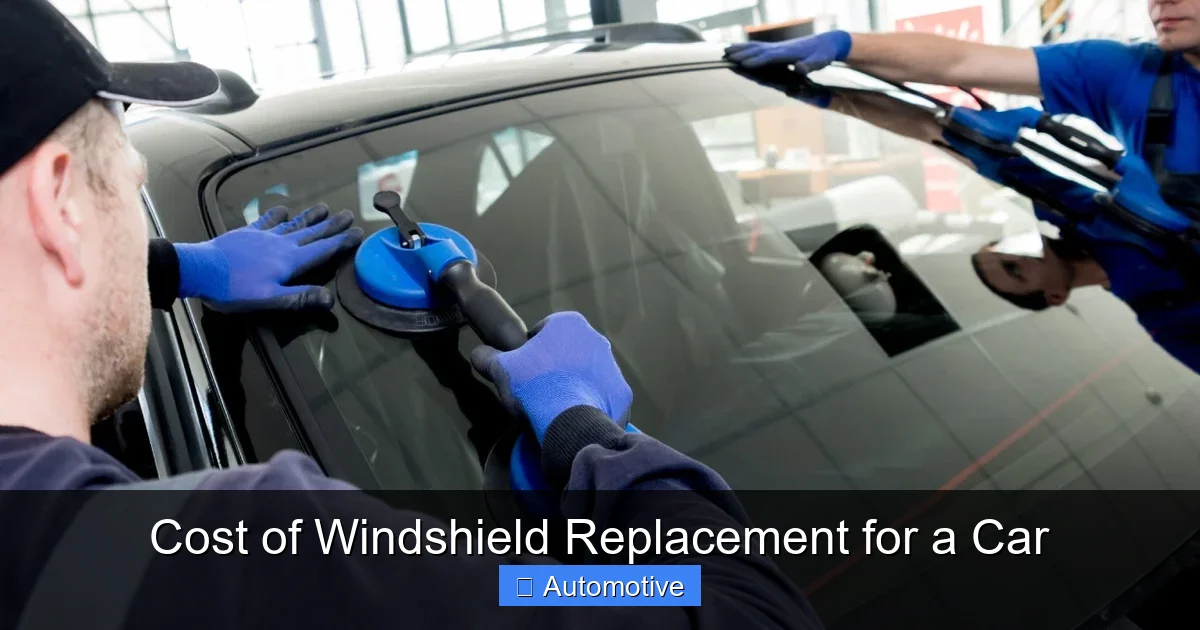
Visual guide about Cost of Windshield Replacement for a Car
Image source: bankrate.com
Type of Glass: OEM vs. Aftermarket
The biggest cost differentiator is the type of glass used. There are two main categories: Original Equipment Manufacturer (OEM) glass and aftermarket glass.
OEM glass is made by the same manufacturer that supplied the original windshield for your vehicle. It matches the exact specifications, fit, and quality of the factory-installed glass. Because of this precision, OEM glass is typically more expensive—often 20% to 50% more than aftermarket options. For example, replacing a windshield on a Honda Accord with OEM glass might cost $450, while an aftermarket version could be $300.
Aftermarket glass, on the other hand, is produced by third-party companies. It’s usually cheaper and widely available, but quality can vary. Some aftermarket brands meet or exceed OEM standards, while others may have slight fit issues or reduced durability. If you’re on a tight budget, a reputable aftermarket brand can be a good choice—just make sure it’s certified by organizations like the Automotive Glass Safety Council (AGSC).
Vehicle Make and Model
The make and model of your car play a huge role in pricing. Luxury vehicles like Mercedes-Benz, BMW, Audi, and Tesla often require specialized glass with unique shapes, tinting, or embedded technology. These windshields are more complex to manufacture and install, driving up costs.
For instance, replacing the windshield on a Tesla Model 3 can cost over $1,200 due to its panoramic design and integrated sensors. Similarly, a Ford F-150 might cost around $400, while a Toyota Camry could be closer to $300. Even within the same brand, different models can have vastly different prices. Always check your vehicle’s specific requirements before getting a quote.
Advanced Driver Assistance Systems (ADAS)
Modern cars are packed with technology, and many of these systems rely on cameras and sensors mounted behind the windshield. Features like lane-keeping assist, forward collision warning, and automatic high beams all depend on precise calibration.
When you replace the windshield, these sensors must be recalibrated to ensure they function correctly. This process, known as ADAS recalibration, adds $100 to $500 to the total cost. Some shops include basic recalibration in their quote, while others charge extra. If your car has ADAS, make sure the installer is certified to perform this service—otherwise, your safety systems may not work properly.
Labor and Installation Fees
Labor costs vary by location and shop. On average, installation takes 30 minutes to an hour for a standard vehicle, but complex jobs can take longer. Urban areas with higher living costs tend to charge more—up to $150 per hour—while rural shops may charge $80 to $100.
Additionally, some shops charge extra for services like removing old adhesive, cleaning the frame, or applying a new sealant. Always ask for a detailed breakdown of labor costs before agreeing to the work.
Geographic Location
Where you live affects pricing. A windshield replacement in New York City or Los Angeles will likely cost more than in a small town in Kansas. This is due to higher labor rates, rent, and operating costs in major metropolitan areas. If you’re in a high-cost region, consider getting quotes from multiple shops to find the best deal.
OEM vs. Aftermarket Windshield: Which Is Right for You?
Choosing between OEM and aftermarket glass is one of the most important decisions you’ll make when replacing your windshield. Both have pros and cons, and the right choice depends on your budget, vehicle, and priorities.
Visual guide about Cost of Windshield Replacement for a Car
Image source: windshieldexperts.com
Pros and Cons of OEM Glass
OEM glass offers the best fit, finish, and performance. It’s designed specifically for your car, so there’s no guesswork about compatibility. It also maintains your vehicle’s resale value and ensures that safety systems work as intended.
However, OEM glass is more expensive. For example, a BMW 3 Series windshield with OEM glass might cost $800, while an aftermarket version could be $500. If you’re leasing your car or plan to sell it soon, OEM may be worth the investment. But if you’re driving an older vehicle or on a tight budget, aftermarket might make more sense.
Pros and Cons of Aftermarket Glass
Aftermarket glass is more affordable and widely available. Many reputable brands, such as Pilkington, Safelite, and PGW, produce high-quality glass that meets safety standards. Some even offer lifetime warranties on their products.
The downside is that fit and finish can vary. In rare cases, aftermarket glass may not seal properly, leading to leaks or wind noise. It may also not support ADAS features as well as OEM glass. Always choose a certified installer and ask about the brand of glass being used.
When to Choose Each Option
If you drive a new or luxury vehicle with advanced safety features, OEM is usually the best choice. It ensures compatibility and maintains your car’s integrity.
If you have an older car, a budget-friendly model, or are paying out of pocket, aftermarket glass from a trusted brand can save you money without sacrificing safety. Just make sure the installer is experienced and the glass is AGSC-certified.
How ADAS Affects Windshield Replacement Cost
Advanced Driver Assistance Systems (ADAS) have revolutionized car safety, but they’ve also made windshield replacement more complex—and more expensive.

Visual guide about Cost of Windshield Replacement for a Car
Image source: texanglass.com
What Is ADAS Recalibration?
ADAS recalibration is the process of aligning the cameras and sensors behind your windshield after replacement. These systems rely on precise positioning to function correctly. Even a millimeter of misalignment can cause false warnings or system failures.
There are two types of recalibration: static and dynamic. Static recalibration is done in the shop using targets and specialized equipment. Dynamic recalibration requires driving the car at specific speeds under certain conditions. Most modern vehicles require both.
Cost of Recalibration
Recalibration can add $100 to $500 to your total bill. The exact cost depends on the vehicle and the complexity of the system. For example, a Honda Civic with basic lane assist might need $150 in recalibration, while a Tesla with full self-driving capabilities could require $500 or more.
Some shops include recalibration in their quote, while others charge separately. Always ask upfront to avoid surprise fees.
Why It’s Important
Skipping recalibration can compromise your safety. A misaligned camera might not detect pedestrians or fail to activate automatic braking. In some cases, your car’s warranty or insurance policy may be voided if ADAS isn’t properly calibrated.
Always use a certified technician who has the right tools and training. Don’t assume that any glass shop can handle ADAS—many cannot.
Insurance Coverage for Windshield Replacement
One of the best ways to reduce the cost of windshield replacement is through insurance. Most comprehensive auto insurance policies cover glass damage, including chips and cracks.
How Insurance Works
If you have comprehensive coverage, your insurer will typically pay for the full cost of replacement, minus your deductible. Many insurers waive the deductible for glass-only claims, meaning you pay nothing out of pocket.
For example, if your deductible is $500 but your windshield replacement costs $400, you might pay nothing. Some companies even offer free replacements for small chips if repaired quickly.
Filing a Claim
To file a claim, contact your insurance provider and provide details about the damage. They’ll direct you to an approved repair shop or allow you to choose your own. Some insurers partner with national chains like Safelite, which can make the process faster and easier.
Keep in mind that filing a claim may affect your premium, especially if you’ve made multiple claims in the past. However, glass-only claims are often treated differently and may not increase your rates.
State Laws and Incentives
In some states, like Florida, Kentucky, and South Carolina, insurers are required to cover windshield replacement without a deductible. These laws are designed to encourage drivers to fix glass damage promptly, improving road safety.
Check your state’s regulations and your policy details to understand your coverage.
DIY vs. Professional Installation: What You Need to Know
With the rise of online tutorials and DIY kits, some drivers consider replacing their windshield themselves. While it’s technically possible, it’s rarely recommended.
Risks of DIY Replacement
Windshield installation is a precise process that requires specialized tools, adhesives, and training. A poorly installed windshield can leak, rattle, or even detach in an accident. It can also compromise airbag deployment and roof strength.
Most DIY kits are designed for small repairs, not full replacements. Even experienced mechanics often leave windshield work to professionals.
Benefits of Professional Installation
Professional installers have the tools, experience, and certifications to do the job right. They ensure proper sealing, alignment, and safety. Many also offer warranties on their work, giving you peace of mind.
Additionally, professional shops can handle ADAS recalibration, which is nearly impossible to do at home.
When DIY Might Make Sense
The only scenario where DIY might be viable is if you’re working on a classic car with simple glass and no sensors. Even then, it’s risky. For most drivers, professional installation is the safest and most reliable option.
Tips to Save Money on Windshield Replacement
Replacing a windshield doesn’t have to break the bank. With a few smart strategies, you can reduce costs without sacrificing quality.
Get Multiple Quotes
Prices can vary significantly between shops. Get at least three quotes from local installers and national chains. Compare not just the total cost, but also the type of glass, warranty, and included services.
Ask About Discounts
Some shops offer discounts for seniors, military members, or first responders. Others may run seasonal promotions. Don’t be afraid to ask.
Use Insurance Wisely
If your deductible is high, consider paying out of pocket for minor damage. But for major cracks or replacements, insurance can save you hundreds.
Choose Aftermarket Glass
If your car doesn’t have ADAS, aftermarket glass can save you 20% to 40%. Just make sure it’s from a reputable brand.
Schedule During Off-Peak Times
Some shops offer lower rates during weekdays or off-season months. Call ahead to ask about availability and pricing.
Conclusion
The cost of windshield replacement for a car depends on many factors, including glass type, vehicle model, and technology features. While prices typically range from $200 to $600, luxury or high-tech vehicles can cost much more. Understanding these variables helps you make informed decisions and avoid overpaying.
Always prioritize safety and quality. Choose a certified installer, consider OEM glass for newer vehicles, and never skip ADAS recalibration. And don’t forget to check your insurance policy—many drivers are surprised to learn their coverage includes free or low-cost replacements.
By doing your research and comparing options, you can get a safe, reliable windshield replacement at a fair price. Your car—and your safety—are worth it.
Frequently Asked Questions
How much does it typically cost to replace a car windshield?
The average cost of windshield replacement for a car ranges from $200 to $600. However, luxury vehicles or those with advanced safety features can cost $1,000 or more.
Is OEM glass worth the extra cost?
OEM glass is worth it if you drive a new or luxury vehicle with ADAS. It ensures perfect fit and functionality. For older cars, aftermarket glass from a trusted brand can be a cost-effective alternative.
Does insurance cover windshield replacement?
Most comprehensive auto insurance policies cover windshield replacement, often with no deductible for glass-only claims. Check your policy and state laws for details.
Can I replace my windshield myself?
DIY windshield replacement is not recommended due to safety risks and the need for specialized tools and calibration. Professional installation ensures proper sealing and safety.
Why is ADAS recalibration necessary?
ADAS recalibration ensures that cameras and sensors work correctly after windshield replacement. Without it, safety features like lane assist or automatic braking may fail.
How long does windshield replacement take?
Most replacements take 30 minutes to an hour, but ADAS recalibration can add another 30 to 60 minutes. The adhesive needs 1–2 hours to cure before driving.