Compact Jump Starter
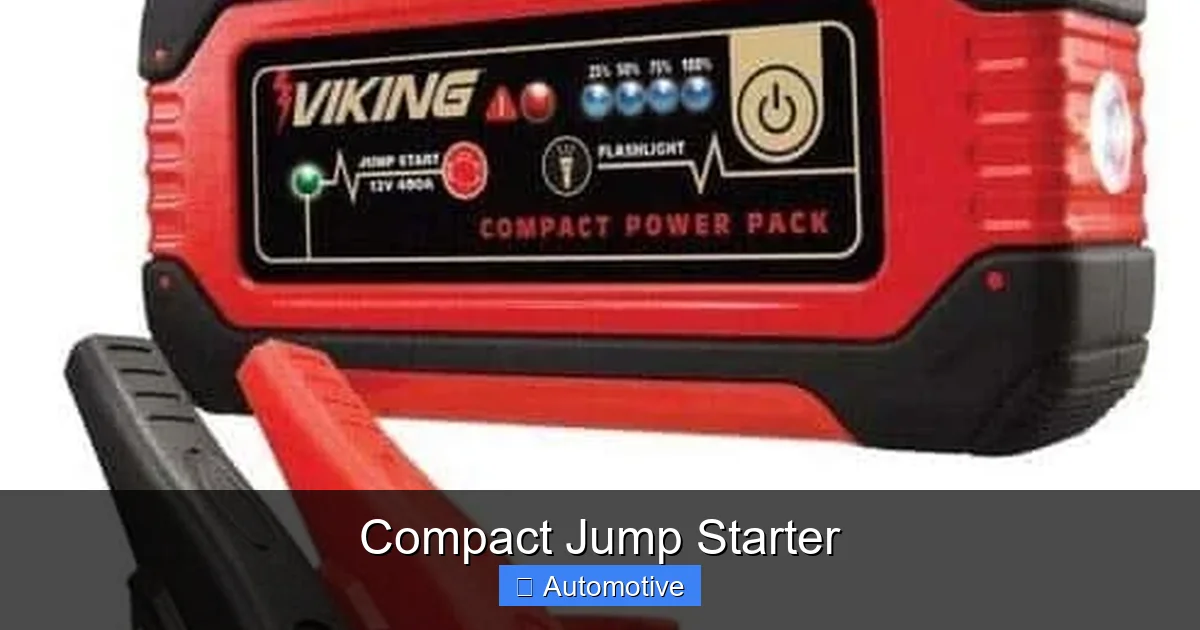
A compact jump starter is a portable power bank designed to jump-start a dead car battery without needing another vehicle. These lightweight, rechargeable devices are perfect for roadside emergencies, offering peace of mind and convenience in a small package.
In This Article
- 1 Key Takeaways
- 2 📑 Table of Contents
- 3 What Is a Compact Jump Starter?
- 4 Key Features to Look For in a Compact Jump Starter
- 5 How to Use a Compact Jump Starter Safely
- 6 Best Uses and Real-Life Scenarios
- 7 Top Compact Jump Starter Models in 2024
- 8 Maintenance and Care Tips
- 9 Conclusion
- 10 Frequently Asked Questions
- 10.1 Can a compact jump starter damage my car?
- 10.2 How many times can a compact jump starter be used on one charge?
- 10.3 Can I use a compact jump starter in the rain?
- 10.4 How long does it take to charge a compact jump starter?
- 10.5 Can a compact jump starter charge my phone?
- 10.6 Is a compact jump starter worth the investment?
Key Takeaways
- Portable and Lightweight: Compact jump starters weigh as little as 1–3 pounds, making them easy to store in your glove box or trunk.
- No Second Vehicle Needed: Unlike traditional jumper cables, these devices work independently, eliminating the need for another car.
- Multi-Function Use: Most models double as USB power banks, LED flashlights, and even air compressors.
- Safe and User-Friendly: Built-in safety features like reverse polarity protection and spark-proof technology reduce the risk of damage or injury.
- Fast Charging and Long Shelf Life: Many units hold a charge for months and can recharge via USB-C or wall outlets in under 2 hours.
- Ideal for Emergencies: Perfect for cold weather, remote areas, or unexpected battery failures when help isn’t nearby.
- Cost-Effective Solution: Prevents expensive tow truck calls and can pay for itself after just one use.
📑 Table of Contents
What Is a Compact Jump Starter?
A compact jump starter is a portable, battery-powered device designed to jump-start a vehicle with a dead or weak battery. Unlike traditional jumper cables that require a second running vehicle, a compact jump starter works independently. It stores electrical energy in a built-in lithium-ion or lithium-polymer battery and delivers a powerful burst of current to your car’s battery when needed.
These devices have become increasingly popular over the past decade due to advancements in battery technology and miniaturization. What used to require bulky equipment and another car can now be done with a device no larger than a paperback book. Whether you’re driving a sedan, SUV, truck, or even a motorcycle, a compact jump starter can get you back on the road quickly and safely.
But it’s not just about convenience. A compact jump starter is a smart investment for anyone who drives regularly. Dead batteries can happen at the worst times—during a snowstorm, late at night, or in a remote parking lot. With a jump starter in your vehicle, you’re prepared for the unexpected without relying on strangers or waiting for roadside assistance.
How Does It Work?
At its core, a compact jump starter functions like a portable battery pack. When your car battery dies, the jump starter connects directly to the battery terminals using heavy-duty jumper cables. Once connected, it sends a high-current charge to the battery, giving it enough power to turn over the engine and start the vehicle.
Most modern compact jump starters use lithium-ion batteries, which offer high energy density in a small form factor. This means they can store a lot of power without being heavy or bulky. When fully charged, many models can jump-start a car multiple times before needing a recharge.
The process is simple: turn off the vehicle, connect the clamps to the battery (red to positive, black to negative), power on the jump starter, and attempt to start the engine. If the battery is severely drained, you may need to wait a few minutes for the jump starter to transfer some charge before trying again.
Why Choose a Compact Jump Starter Over Traditional Jumper Cables?
Traditional jumper cables require a second vehicle with a working battery. This means you’re dependent on someone else being available and willing to help. In many situations—like late at night, in bad weather, or in a deserted area—this simply isn’t practical.
A compact jump starter eliminates that dependency. It’s a self-contained solution that works anywhere, anytime. You don’t need to flag down another driver or wait for a tow truck. Just pull out your jump starter, connect it, and go.
Additionally, compact jump starters are safer. Many models include built-in protection against reverse polarity, short circuits, and overcharging. This reduces the risk of sparks, battery damage, or personal injury—common concerns with traditional jump-starting methods.
They’re also more versatile. While jumper cables only serve one purpose, most compact jump starters come with USB ports for charging phones, tablets, and other devices. Some even include LED flashlights with SOS modes, digital displays, and air compressors for inflating tires.
Key Features to Look For in a Compact Jump Starter
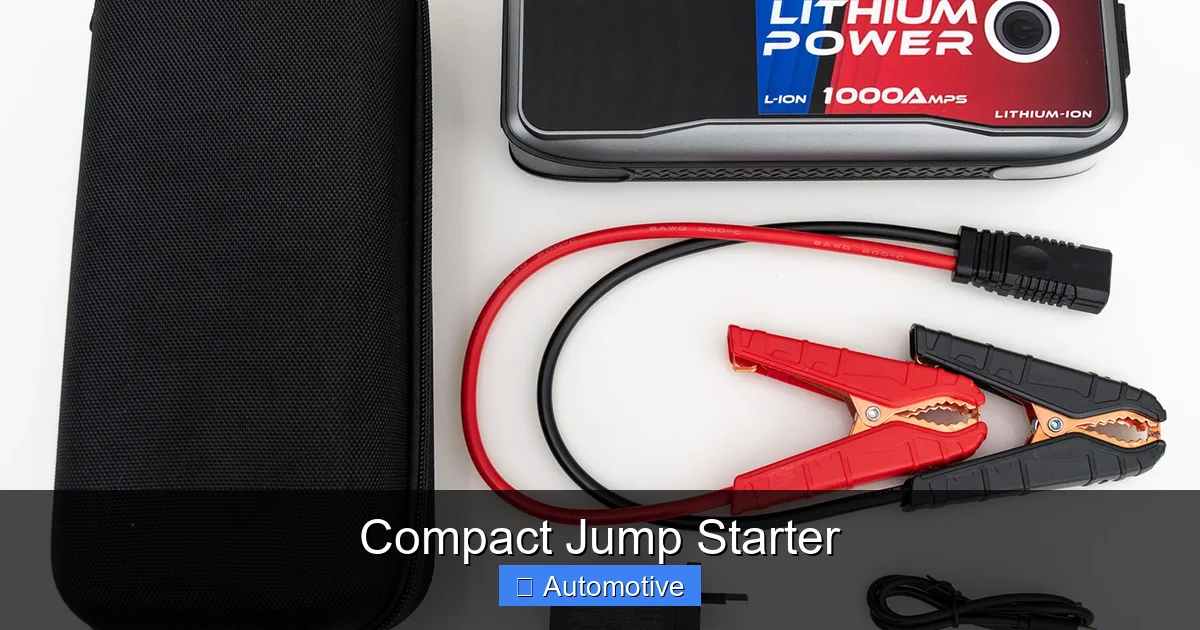
Not all compact jump starters are created equal. With so many models on the market, it’s important to know what features matter most. Here are the key factors to consider when choosing the right one for your needs.
Visual guide about Compact Jump Starter
Image source: portapower.com.au
Battery Capacity and Peak Amps
The most important specification is the jump starter’s peak amperage (measured in amps). This determines how much power it can deliver to your car’s battery. For most passenger vehicles, a jump starter with 600 to 1000 peak amps is sufficient. Larger vehicles like trucks or SUVs may require 1000 to 2000 peak amps.
Battery capacity, measured in milliampere-hours (mAh), tells you how much energy the device can store. A higher mAh rating means more jump-start attempts per charge. Look for models with at least 10,000 mAh for reliable performance.
For example, the NOCO Boost Plus GB40 offers 1000 peak amps and 12,000 mAh, making it ideal for cars, trucks, and motorcycles. It can jump-start a vehicle up to 20 times on a single charge.
Safety Features
Safety should be a top priority. Look for jump starters with multiple protection systems. Reverse polarity protection prevents damage if you accidentally connect the clamps wrong. Spark-proof technology ensures no sparks are generated during connection, reducing fire risk.
Overcharge protection, short-circuit protection, and temperature control are also essential. These features help prevent damage to both the jump starter and your vehicle’s electrical system.
Some advanced models even include a built-in voltmeter or digital display that shows the battery’s charge level and connection status. This helps you troubleshoot issues and ensures a proper connection before starting.
Portability and Design
One of the main advantages of a compact jump starter is its size and weight. Look for a model that’s lightweight (under 3 pounds) and fits easily in your glove box, center console, or trunk.
A durable, rugged design is also important. Many jump starters come with shock-resistant cases and water-resistant coatings, making them suitable for outdoor use. Some even float in water—useful if you accidentally drop it near a lake or river.
Ergonomic handles and clearly labeled clamps make operation easier, especially in low-light conditions. A compact design with a built-in carrying handle or storage pouch adds to the convenience.
Additional Functions
Many compact jump starters go beyond just jump-starting. USB ports allow you to charge smartphones, tablets, GPS units, and other USB-powered devices. This turns your jump starter into a multi-purpose emergency power bank.
LED flashlights are another common feature. Look for models with bright, long-lasting LEDs and multiple modes (high, low, strobe, SOS). These can be lifesavers during nighttime breakdowns or power outages.
Some high-end models include built-in air compressors for inflating tires, sports balls, or air mattresses. While not essential, this added functionality can be incredibly useful on road trips or camping adventures.
Charging Options and Speed
How you recharge your jump starter matters. Most models can be charged via a standard wall outlet, car charger, or USB-C port. USB-C charging is faster and more convenient, especially if you already use it for other devices.
Charging time varies. Some jump starters recharge in under 2 hours, while others may take 4–6 hours. Look for models with fast-charging capabilities and indicators (like LED lights) that show charging progress.
Battery retention is also important. A good jump starter should hold its charge for 3–6 months when not in use. This ensures it’s ready when you need it most.
How to Use a Compact Jump Starter Safely
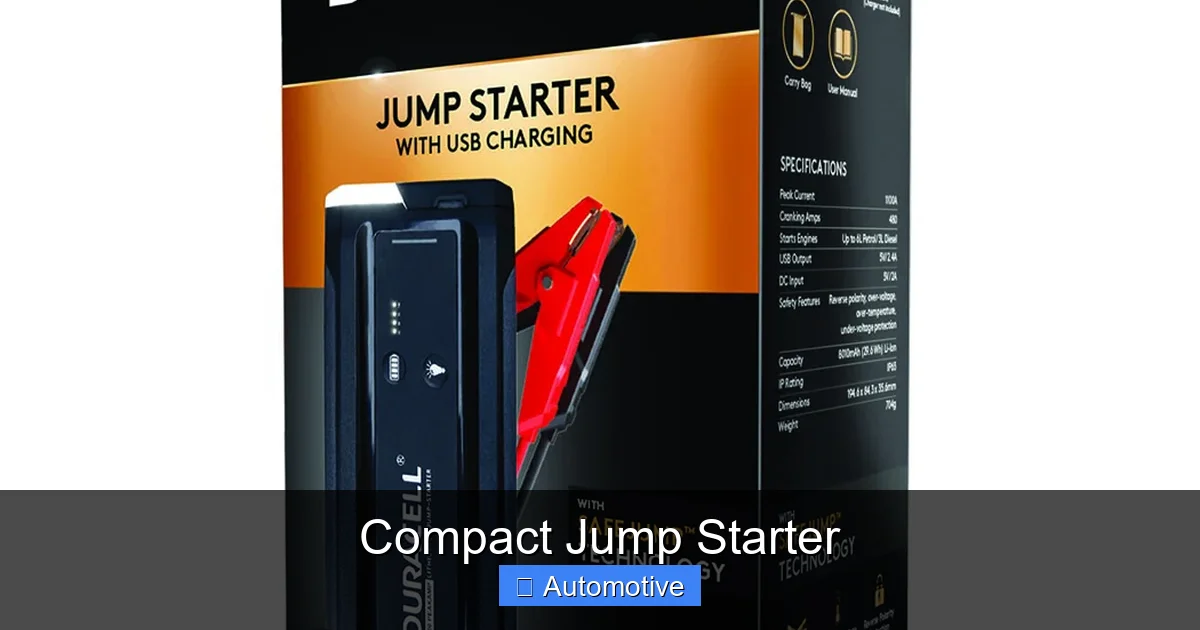
Using a compact jump starter is straightforward, but safety should always come first. Follow these steps to ensure a successful and safe jump-start.
Visual guide about Compact Jump Starter
Image source: duracellcharge.info
Step-by-Step Guide
1. Turn Off the Vehicle: Make sure the ignition is off and all lights and accessories are turned off. This prevents power surges when connecting the jump starter.
2. Locate the Battery: Open the hood and find the car battery. It’s usually a rectangular box with two terminals (positive and negative). Clean any corrosion with a wire brush if necessary.
3. Connect the Clamps: Attach the red (positive) clamp to the positive terminal (+) and the black (negative) clamp to the negative terminal (–). Ensure a secure connection—loose clamps can cause sparks or fail to transfer power.
4. Power On the Jump Starter: Turn on the device. Some models require you to press a button or switch to activate the jump-start mode.
5. Start the Engine: Turn the ignition key. If the engine doesn’t start immediately, wait 30–60 seconds and try again. Avoid cranking for more than 5 seconds at a time to prevent overheating.
6. Disconnect and Recharge: Once the engine is running, disconnect the clamps in reverse order (black first, then red). Turn off the jump starter and store it safely. Recharge it as soon as possible.
Safety Tips
Always read the user manual before first use. Different models may have specific instructions or limitations.
Never connect the clamps to the wrong terminals. Reversing polarity can damage the jump starter, the car’s electrical system, or both.
Avoid using the jump starter in extreme temperatures. Very cold or hot conditions can reduce battery performance.
Keep the device away from water and flammable materials. Although many are water-resistant, they are not fully waterproof.
If the jump starter feels hot or emits a strange odor, stop using it immediately and contact the manufacturer.
Best Uses and Real-Life Scenarios
A compact jump starter isn’t just for dead batteries. It’s a versatile tool that can help in many emergency and everyday situations.
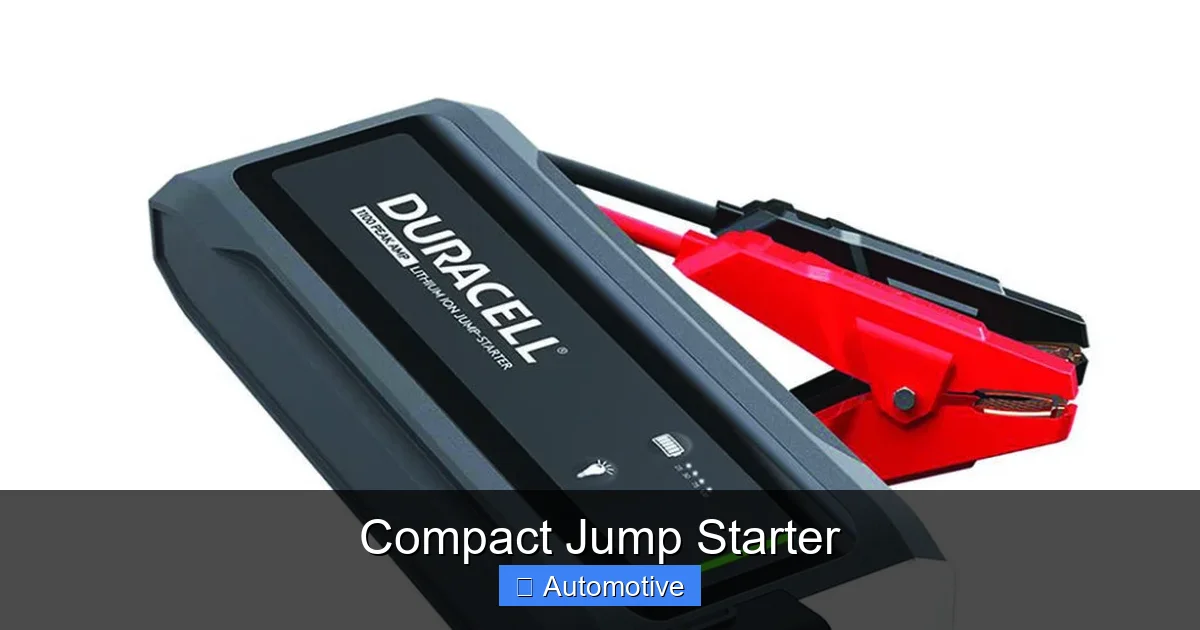
Visual guide about Compact Jump Starter
Image source: duracellcharge.info
Winter Weather Emergencies
Cold weather is one of the leading causes of dead car batteries. Lithium batteries lose efficiency in freezing temperatures, making it harder for your car to start. A compact jump starter can be a lifesaver during snowstorms or icy mornings.
For example, imagine you’re running late for work on a -10°F morning. Your car won’t start, and your neighbor’s car is buried in snow. With a jump starter in your glove box, you can get going in minutes—no shoveling required.
Remote or Rural Areas
If you live in the countryside or enjoy off-road adventures, help may not be nearby when your battery dies. A compact jump starter gives you independence and peace of mind. Whether you’re on a hiking trail, at a campsite, or driving down a dirt road, you’re never truly stranded.
Many outdoor enthusiasts keep a jump starter in their vehicle alongside a first-aid kit and emergency blanket. It’s part of a well-prepared survival kit.
Everyday Convenience
Even in normal conditions, a jump starter is useful. Maybe you accidentally left your headlights on overnight. Or your battery is old and struggles to hold a charge. Instead of calling a friend or waiting for roadside assistance, you can solve the problem yourself.
It’s also great for families with multiple drivers. If your teen borrows the car and drains the battery, you don’t have to rush over with jumper cables. They can handle it themselves.
Charging Devices on the Go
Beyond jump-starting, the USB ports on most compact jump starters let you charge your phone, tablet, or camera. This is especially helpful during long road trips, power outages, or outdoor events.
For instance, if your phone dies while navigating a new city, you can plug it into your jump starter and keep using GPS. Or if you’re camping and want to charge a portable speaker, the jump starter doubles as a power source.
Top Compact Jump Starter Models in 2024
With so many options available, it can be hard to choose the right one. Here are some of the best compact jump starters on the market today, based on performance, safety, and user reviews.
NOCO Boost Plus GB40
The NOCO GB40 is a top-rated model with 1000 peak amps and 12,000 mAh capacity. It can jump-start cars, trucks, motorcycles, and even boats. It features spark-proof technology, reverse polarity protection, and a built-in LED flashlight with SOS mode.
Weighing just 2.4 pounds, it’s lightweight and easy to carry. It recharges in about 3 hours via USB-C and holds a charge for up to 12 months. It’s also waterproof and shock-resistant, making it ideal for outdoor use.
DBPower 1500A Peak Jump Starter
This model offers 1500 peak amps and 18,000 mAh, making it powerful enough for large trucks and SUVs. It includes dual USB ports, a digital display, and a bright LED flashlight.
One standout feature is the built-in air compressor, which can inflate tires up to 150 PSI. This makes it a great all-in-one emergency tool. It recharges in 4–5 hours and comes with a durable carrying case.
GOOLOO GP4000
The GOOLOO GP4000 delivers 4000 peak amps—enough for heavy-duty vehicles. It has a 20,000 mAh battery and can jump-start a vehicle up to 40 times on a single charge.
It features a large LCD screen that shows battery level, voltage, and connection status. It also includes USB-C fast charging, a powerful flashlight, and multiple safety protections. At 3.3 pounds, it’s slightly heavier but still portable.
Anker PowerHouse 300
While technically a portable power station, the Anker PowerHouse 300 can also jump-start vehicles up to 2.5L engines. It has a 288Wh capacity and multiple output ports, including AC, USB-A, and USB-C.
It’s ideal for campers, RV owners, and anyone who needs a reliable power source. It can charge laptops, mini-fridges, and other devices in addition to jump-starting cars. It’s heavier at 7.7 pounds but offers unmatched versatility.
Maintenance and Care Tips
To keep your compact jump starter in top condition, follow these simple maintenance tips.
Regular Charging
Even when not in use, recharge your jump starter every 3–6 months. Lithium batteries degrade over time, and a fully charged unit will perform better in an emergency.
Clean the Clamps
Dirt and corrosion can interfere with electrical connections. Wipe the clamps with a clean, dry cloth after each use. Avoid using water or harsh chemicals.
Store Properly
Keep the jump starter in a cool, dry place. Avoid leaving it in a hot car or direct sunlight, as extreme heat can damage the battery.
Check for Damage
Inspect the cables, clamps, and casing for cracks, fraying, or other signs of wear. If you notice any damage, stop using the device and contact the manufacturer.
Update Firmware (if applicable)
Some advanced models have firmware that can be updated via USB or an app. Check the manufacturer’s website periodically for updates that improve performance or safety.
Conclusion
A compact jump starter is more than just a backup plan—it’s a smart, practical tool that every driver should own. It offers independence, safety, and convenience in a small, affordable package. Whether you’re facing a dead battery in the middle of nowhere or just want to charge your phone on a road trip, a compact jump starter delivers reliable performance when you need it most.
With advancements in technology, these devices are now safer, more powerful, and more versatile than ever. They’re no longer just for emergencies—they’re part of a modern, prepared lifestyle. Investing in a quality compact jump starter means investing in peace of mind. So next time your car won’t start, you’ll be ready—no waiting, no stress, just a quick solution in the palm of your hand.
Frequently Asked Questions
Can a compact jump starter damage my car?
No, a quality compact jump starter with built-in safety features will not damage your car. Models with reverse polarity protection, spark-proof technology, and overcharge safeguards are designed to protect both the device and your vehicle’s electrical system.
How many times can a compact jump starter be used on one charge?
Most compact jump starters can jump-start a vehicle 10–20 times on a single charge, depending on the battery capacity and the size of the engine. Higher-capacity models may offer even more uses.
Can I use a compact jump starter in the rain?
Many compact jump starters are water-resistant, but they are not fully waterproof. Avoid using them in heavy rain or submerging them in water. Always dry the device and clamps after use if exposed to moisture.
How long does it take to charge a compact jump starter?
Charging time varies by model, but most compact jump starters take 2–6 hours to fully recharge. USB-C models typically charge faster than those using standard USB ports.
Can a compact jump starter charge my phone?
Yes, most compact jump starters include USB ports that allow you to charge smartphones, tablets, and other USB-powered devices. This makes them useful as portable power banks during emergencies or travel.
Is a compact jump starter worth the investment?
Absolutely. A compact jump starter can save you money on tow truck fees and provide peace of mind during emergencies. Many users find that it pays for itself after just one use, making it a smart and cost-effective investment.