Cash for Cars
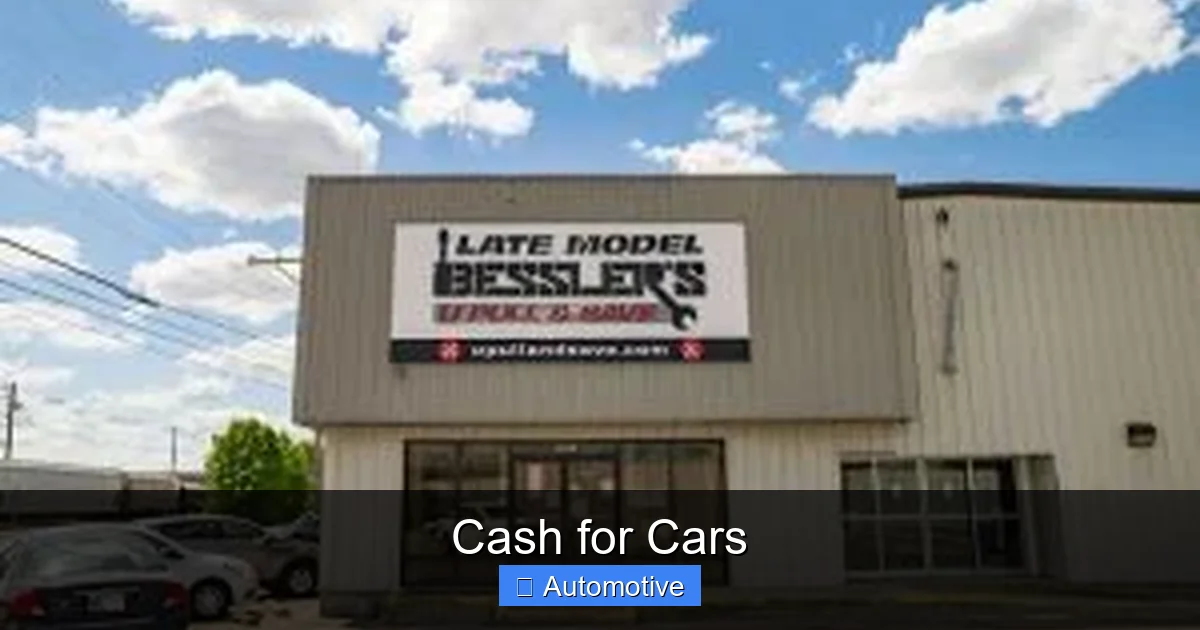
“Cash for cars” services let you sell any vehicle—running or not—for immediate payment. These programs offer free towing, quick quotes, and a simple process that saves time and stress.
In This Article
Key Takeaways
- Sell any car, any condition: Whether your car is wrecked, old, or simply unwanted, cash for cars companies accept it.
- Fast and free quotes: Most services provide instant online or phone estimates with no obligation.
- Same-day pickup available: Many companies offer same-day or next-day vehicle removal at no cost to you.
- Instant payment: Get paid in cash, check, or bank transfer right after the car is collected.
- No paperwork hassle: Reputable companies handle title transfers and DMV paperwork for you.
- Environmentally responsible: Old cars are recycled or reused, reducing waste and pollution.
- Compare offers: Get quotes from multiple providers to ensure you’re getting the best deal.
📑 Table of Contents
What Is “Cash for Cars”?
“Cash for cars” is a service that allows vehicle owners to sell their cars—regardless of age, condition, or mileage—for immediate cash. Unlike traditional car sales, which can take weeks or months, cash for cars programs are designed for speed, convenience, and simplicity. Whether your car is barely running, completely totaled, or just sitting in the driveway collecting dust, these services will take it off your hands and pay you on the spot.
The concept has grown in popularity over the past decade, especially as more people look for quick ways to declutter, upgrade, or recover value from vehicles they no longer need. These services are offered by local junkyards, national car-buying companies, and even online platforms. The process typically involves getting a quote, scheduling a pickup, and receiving payment—all within 24 hours.
One of the biggest advantages of cash for cars is that it removes the stress of private sales. You don’t have to list your car online, meet strangers for test drives, or deal with lowball offers. Instead, you get a fair market-based offer based on your car’s make, model, year, condition, and local scrap or resale value. It’s a no-fuss solution for anyone who wants to turn an unused asset into cash quickly.
How Does Cash for Cars Work?
The cash for cars process is straightforward and usually takes less than a day from start to finish. It begins with you reaching out to a service provider—either online, by phone, or through a mobile app. You’ll be asked to provide basic details about your vehicle, such as the make, model, year, mileage, and overall condition. Some companies also ask for photos or a brief description of any damage.
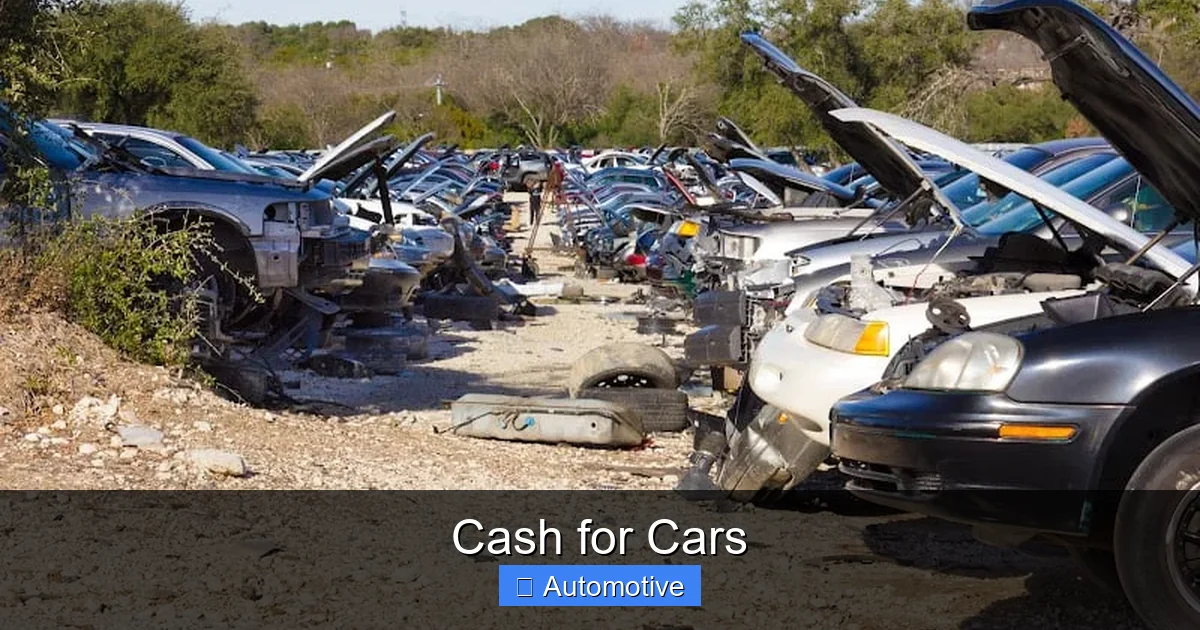
Visual guide about sell my junk car – bessler’s u pull and save hebron car parts
Image source: u-pull-it.com
Once you submit the information, the company will generate a quote. This quote is often instant and based on current market data, including scrap metal prices, demand for used parts, and resale potential. If you accept the offer, the company will schedule a pickup time that works for you—many offer same-day or next-day service. A tow truck will arrive at your location, whether it’s your home, workplace, or even a repair shop.
What Happens During Pickup?
When the tow truck arrives, the driver will inspect the vehicle to confirm the details you provided. They’ll check the VIN, verify the condition, and ensure the title is in order. If everything matches, they’ll hand you payment—usually in the form of cash, a check, or an electronic transfer. Once payment is made, they’ll load the car onto the truck and take it away. The entire process typically takes 15 to 30 minutes.
What If I Don’t Have the Title?
In most cases, you’ll need the car’s title to complete the sale. However, some states allow sales with a bill of sale or other documentation if the title is lost or damaged. Reputable cash for cars companies can guide you through the process and may even help you obtain a duplicate title from the DMV. Always ask about title requirements before scheduling a pickup to avoid delays.
Can I Sell a Car That Doesn’t Run?
Absolutely. One of the main benefits of cash for cars services is that they accept non-running vehicles. Whether your car has a blown engine, transmission issues, or is missing parts, it still has value. That value may come from usable parts, scrap metal, or recycling materials. Even if the car is completely totaled, it can still be worth something—especially if it contains valuable components like catalytic converters or aluminum wheels.
Why Choose Cash for Cars?
There are many reasons why people choose cash for cars over other selling methods. The most obvious is convenience. Selling a car privately can be time-consuming and stressful. You have to create listings, respond to inquiries, arrange viewings, and negotiate with buyers. And even then, you might not get a fair price or close the deal quickly.
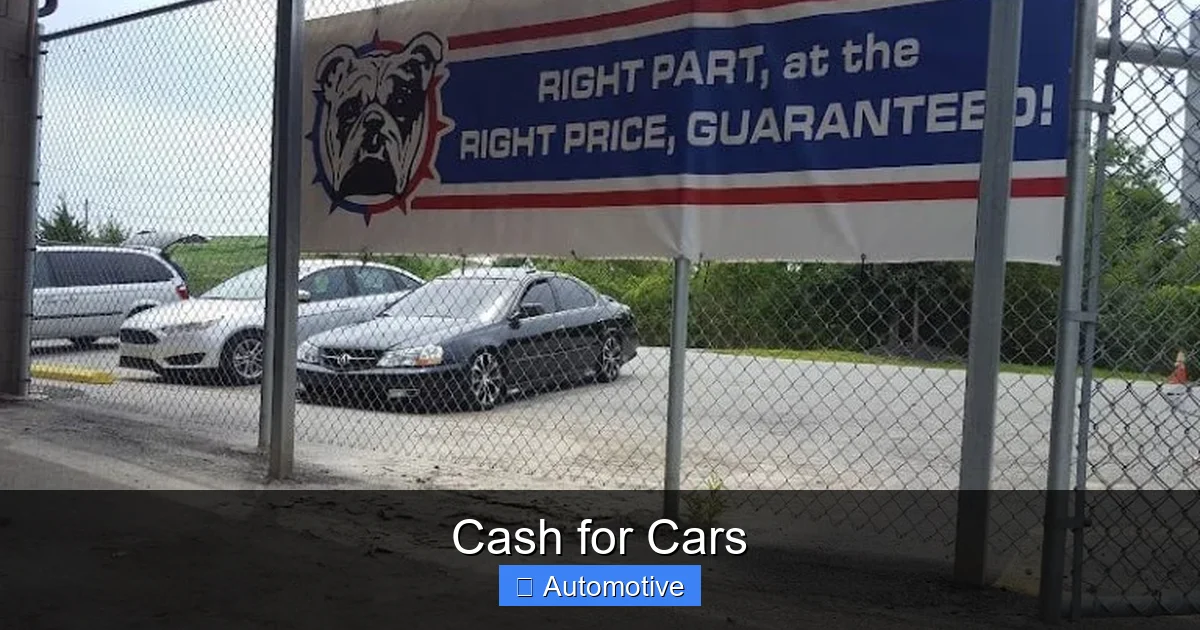
Visual guide about sell my junk car – bessler’s u pull and save hebron car parts
Image source: u-pull-it.com
Cash for cars eliminates all that hassle. You get a quick quote, schedule a pickup, and receive payment—often within hours. There’s no need to clean the car, fix minor issues, or wait for a buyer. It’s especially helpful if you’re in a hurry to sell, such as when you’re moving, upgrading to a new vehicle, or dealing with an unexpected financial need.
Environmental Benefits
Another major advantage is the environmental impact. When you sell your car through a cash for cars service, it’s often recycled or dismantled for parts. This reduces waste and keeps harmful materials—like oil, coolant, and battery acid—out of landfills. Reputable companies follow strict environmental guidelines to ensure fluids are drained safely and materials are reused whenever possible.
For example, a 2005 Honda Civic with a failed engine might be stripped for usable parts like the alternator, starter, or transmission. The remaining metal frame is then shredded and recycled into new steel products. This process conserves natural resources and reduces the need for mining and manufacturing. By choosing cash for cars, you’re not just getting rid of an old vehicle—you’re contributing to a more sustainable future.
Financial Relief
Cash for cars can also provide much-needed financial relief. If you’re facing unexpected expenses or simply need extra cash, selling an unused car can be a quick solution. Unlike pawning items or taking out loans, you’re getting real value from an asset you already own. And because the process is fast, you can access that money almost immediately.
For instance, imagine your car broke down last month and you’ve been relying on rideshares or public transit. Repair estimates are high, and you don’t want to invest more money into an aging vehicle. Instead of paying for storage or insurance on a car you can’t use, you can sell it for cash and put that money toward a down payment on a new car, rent, or bills.
What Affects the Value of Your Car?
Not all cars are worth the same amount, even if they’re the same make and model. Several factors influence how much you’ll get when you sell your car for cash. Understanding these factors can help you set realistic expectations and potentially increase your offer.
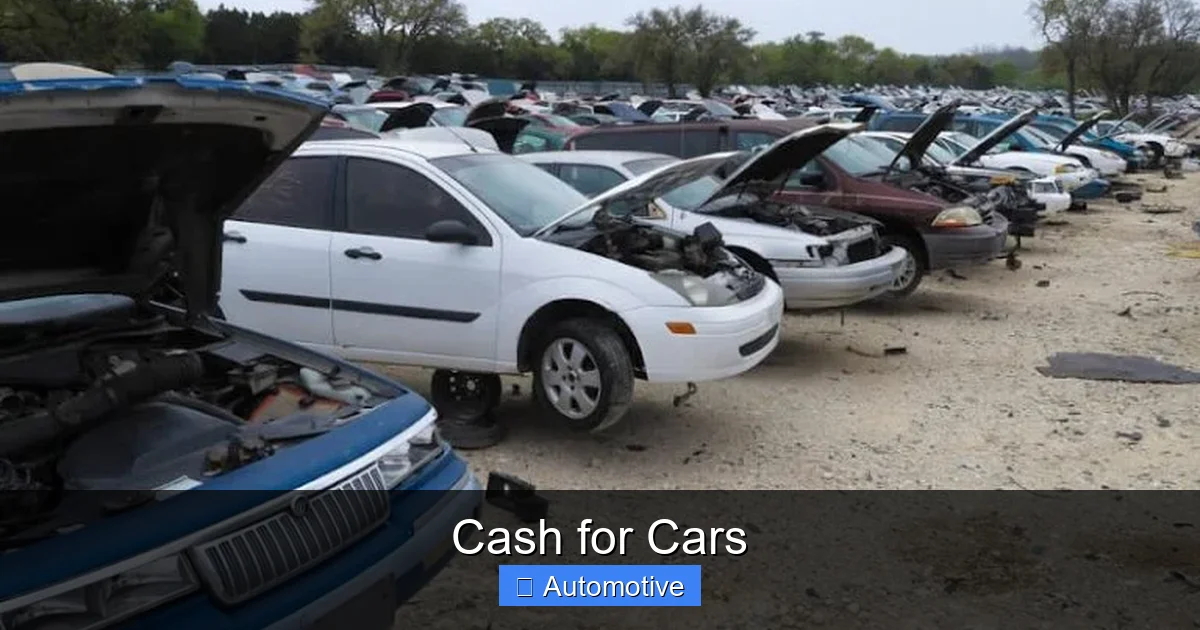
Visual guide about sell my junk car – bessler’s u pull and save hebron car parts
Image source: u-pull-it.com
Vehicle Condition
Condition is one of the biggest determinants of value. A car that runs well, has low mileage, and is in good cosmetic shape will naturally fetch a higher price than one that’s damaged or non-operational. However, even non-running cars have value—especially if they contain usable parts or valuable materials.
For example, a 2010 Toyota Camry with a working engine, clean interior, and minor body damage might be worth $1,500 to $2,500. The same car with a blown engine and significant rust might only be worth $500 to $800—but that’s still cash in your pocket instead of a liability.
Make, Model, and Year
Popular makes and models tend to have higher resale and scrap value. Cars from brands like Toyota, Honda, Ford, and Chevrolet are in high demand for parts and recycling. Older vehicles, especially those from the 1990s and early 2000s, may have lower value due to outdated technology and higher emissions standards.
Year also plays a role. A 2008 sedan might be worth more than a 1998 model simply because it’s newer and has more modern features. However, classic or collectible cars can sometimes fetch premium prices, even if they’re not in perfect condition.
Location and Market Demand
Where you live can affect your car’s value. In areas with high scrap metal prices or strong demand for used parts, you may get a better offer. Urban areas often have more cash for cars companies competing for business, which can drive up prices. Rural areas may have fewer options, but some national services still offer free towing nationwide.
Seasonality can also play a role. For example, demand for trucks and SUVs may increase in winter months, potentially increasing their value. Similarly, convertibles might be more valuable in the spring and summer.
Missing Parts or Damage
Cars with missing parts—such as wheels, batteries, or catalytic converters—will typically be worth less. These components are valuable on the secondary market, so their absence reduces the overall value. Similarly, extensive body damage, frame damage, or flood damage can significantly lower the offer.
However, even heavily damaged cars can still be sold. A car with a missing engine might still have a working transmission, alternator, or other components that can be resold. The key is to be honest about the condition when requesting a quote—this ensures you get an accurate offer and avoids surprises at pickup.
How to Get the Best Offer
If you want to maximize the cash you receive for your car, there are a few steps you can take. While you can’t change the car’s age or condition, you can improve your chances of getting a fair and competitive offer.
Get Multiple Quotes
Don’t settle for the first offer you receive. Contact at least three different cash for cars companies and compare their quotes. Prices can vary significantly based on the company’s overhead, location, and business model. Some companies specialize in high-value used cars, while others focus on scrap and recycling.
For example, Company A might offer $1,200 for your 2007 Ford Focus, while Company B offers $950, and Company C offers $1,350. By shopping around, you could earn an extra $400 just by taking a few minutes to call or fill out online forms.
Be Honest About the Condition
When requesting a quote, provide accurate and detailed information about your car’s condition. Mention any damage, missing parts, or mechanical issues. If you exaggerate the condition, the company may lower the offer at pickup—or even refuse to take the car. Honesty builds trust and ensures a smooth transaction.
For instance, if your car has a cracked windshield, flat tires, or a non-functional AC, mention it upfront. This allows the company to give you a realistic quote based on the actual value.
Remove Personal Items
Before the tow truck arrives, make sure to remove all personal belongings from the car. Check the glove compartment, trunk, under the seats, and any storage compartments. Don’t forget to retrieve important documents, garage door openers, or valuables. Once the car is gone, you won’t be able to retrieve anything left behind.
Have the Title Ready
Having the car’s title ready can speed up the process and prevent delays. If you’ve lost the title, contact your local DMV to request a duplicate. Most cash for cars companies require proof of ownership, and the title is the easiest way to provide it. If you’re selling on behalf of someone else (like a family member), you may need a power of attorney or other legal documentation.
Ask About Additional Fees
While most reputable cash for cars services offer free towing and no hidden fees, it’s always good to ask. Some companies may charge for paperwork, title processing, or long-distance towing. Make sure you understand the full cost before agreeing to the sale. A trustworthy company will be transparent about all charges upfront.
Common Myths About Cash for Cars
Despite its popularity, there are several misconceptions about cash for cars that can deter people from using these services. Let’s clear up some of the most common myths.
Myth 1: You Only Get Pennies on the Dollar
While it’s true that you won’t get the full market value of a running car, you’re not getting “pennies.” Most cash for cars offers are based on fair market value, including scrap, parts, and resale potential. For a non-running car, $500 to $1,500 is a typical range—especially for popular models. That’s real money that can help with bills, repairs, or a new vehicle down payment.
Myth 2: It’s Only for Junk Cars
Cash for cars services accept all types of vehicles—not just junkers. If your car is old, high-mileage, or needs repairs, it’s still eligible. Some companies even buy cars that are still running but no longer needed. The goal is to provide a hassle-free way to sell any car, regardless of condition.
Myth 3: The Process Is Complicated
On the contrary, the process is designed to be simple. Most companies offer online quotes, phone support, and same-day service. You don’t need to be a car expert or spend hours negotiating. Just provide basic info, accept the offer, and wait for pickup.
Myth 4: You Have to Pay for Towing
Reputable cash for cars companies include free towing in their service. This is a major selling point—especially if your car doesn’t run. You won’t have to pay for a tow truck or arrange transportation. The company handles everything from pickup to removal.
Myth 5: It’s a Scam
Like any industry, there are bad actors, but most cash for cars services are legitimate. Look for companies with good reviews, clear pricing, and transparent policies. Check their website for contact information, physical addresses, and customer testimonials. Avoid companies that pressure you or refuse to provide a written quote.
Tips for a Smooth Experience
To ensure your cash for cars experience is positive and stress-free, follow these practical tips:
- Research companies: Read online reviews on sites like Google, Yelp, or the Better Business Bureau. Look for patterns in customer feedback.
- Ask for a written quote: Get the offer in writing before scheduling pickup. This protects you from last-minute changes.
- Schedule at your convenience: Choose a pickup time that works for you—many companies offer evenings and weekends.
- Be present during pickup: Stay with the driver during the inspection to avoid misunderstandings.
- Keep records: Save a copy of the bill of sale, title transfer, and payment receipt for your records.
- Cancel insurance: Once the car is sold, contact your insurance company to cancel coverage and avoid unnecessary charges.
Conclusion
Cash for cars is a smart, fast, and eco-friendly way to sell any vehicle—no matter its condition. Whether your car is old, damaged, or simply unwanted, these services offer a hassle-free solution that puts cash in your pocket quickly. With free towing, instant quotes, and same-day payment, there’s no reason to let an unused car sit and lose value.
By understanding how the process works, knowing what affects your car’s value, and choosing a reputable provider, you can get a fair offer and enjoy a smooth experience. So the next time you’re thinking about selling your car, consider cash for cars—it might just be the easiest decision you make all year.
Frequently Asked Questions
Can I sell my car if it doesn’t run?
Yes, most cash for cars services accept non-running vehicles. They value cars based on parts, scrap metal, and recycling potential, so even a car that won’t start can be worth something.
Do I need the car title to sell it?
In most cases, yes. The title proves ownership and is required for legal transfer. If you’ve lost it, contact your local DMV to get a duplicate before selling.
How quickly can I get paid?
Many companies offer same-day payment. Once the car is inspected and loaded, you’ll receive cash, a check, or a bank transfer on the spot.
Is towing really free?
Yes, reputable cash for cars services include free towing in their offer. This applies even if your car is not running or located far from their facility.
Can I sell a car with a lien on it?
It depends. Some companies may work with you to pay off the lien, but you’ll need lender approval. Most prefer cars that are fully paid off to simplify the transfer.
What happens to my car after it’s sold?
Your car may be resold, dismantled for parts, or recycled. Reputable companies follow environmental guidelines to safely dispose of fluids and reuse materials.