Cash for Cars

Contents
- 1 Key Takeaways
- 2 📑 Table of Contents
- 3 What Is Cash for Cars?
- 4 How Does the Cash for Cars Process Work?
- 5 What Types of Cars Can You Sell?
- 6 Benefits of Using Cash for Cars Services
- 7 How Much Can You Expect to Get?
- 8 Tips to Maximize Your Cash Offer
- 9 Common Misconceptions About Cash for Cars
- 10 Choosing the Right Cash for Cars Company
- 11 Final Thoughts
- 12 Frequently Asked Questions


Selling your car doesn’t have to be stressful or time-consuming. With “cash for cars” services, you can get a fair offer quickly—often within minutes—and receive payment the same day, even if your vehicle is wrecked or won’t start.
Thinking about getting rid of that old clunker sitting in your driveway? Maybe it’s been making strange noises for months, or perhaps it just won’t start anymore—no matter how many times you turn the key. Whatever the reason, you’re not alone. Millions of drivers every year face the same dilemma: what to do with a car that’s past its prime?
The good news? You don’t have to let it collect dust—or worse, become an eyesore that lowers your property value. Thanks to the growing “cash for cars” industry, selling your unwanted vehicle has never been easier. These services specialize in buying cars in any condition—running or not—and paying you real money on the spot. No haggling, no waiting for buyers, and no endless listings on classified sites. Just a straightforward, hassle-free way to turn your old car into cold, hard cash.
But how does it really work? And more importantly, how do you make sure you’re getting a fair deal without getting scammed? In this guide, we’ll walk you through everything you need to know about cash for cars—from how the process works to tips for maximizing your payout. Whether you’ve got a gently used sedan, a wrecked SUV, or a rusted-out truck that hasn’t moved in years, there’s a buyer out there ready to take it off your hands.
Key Takeaways
- Fast and Convenient: Cash for cars services provide instant quotes and often complete the sale in under 24 hours, saving you weeks of private selling.
- Accepts All Conditions: Whether your car is running, damaged, flooded, or completely totaled, most buyers will still make an offer.
- Free Towing Included: Reputable companies offer complimentary pickup, so you don’t pay a dime to remove your old vehicle.
- No Paperwork Headaches: Many services handle title transfers, registration cancellation, and DMV requirements on your behalf.
- Environmentally Responsible: Old cars are recycled or refurbished responsibly, reducing landfill waste and harmful emissions.
- Better Than Trade-Ins: You typically get more money selling directly through cash for cars than trading in at a dealership.
- Local and National Options: Choose from local junkyards or national online platforms—both offer competitive rates and reliable service.
📑 Table of Contents
- What Is Cash for Cars?
- How Does the Cash for Cars Process Work?
- What Types of Cars Can You Sell?
- Benefits of Using Cash for Cars Services
- How Much Can You Expect to Get?
- Tips to Maximize Your Cash Offer
- Common Misconceptions About Cash for Cars
- Choosing the Right Cash for Cars Company
- Final Thoughts
What Is Cash for Cars?
At its core, “cash for cars” is a service that buys used, damaged, or non-functioning vehicles directly from owners and pays them immediately—usually in cash, check, or bank transfer. Unlike traditional car sales, which require advertising, meeting strangers, negotiating prices, and handling paperwork, cash for cars streamlines the entire process into a few simple steps.
These services are offered by a mix of local junkyards, auto recyclers, salvage yards, and national online platforms. Some focus only on scrap metal value, while others assess the car’s potential for parts, resale, or refurbishment. The key difference? Transparency and speed. Reputable cash for cars companies give you a clear quote upfront, explain how they calculated it, and stick to their word.
For example, imagine your 2008 Honda Accord has a blown engine and a cracked windshield. Instead of spending $3,000 to fix it just to sell it for $4,000, you call a cash for cars service. They inspect it (or use an online form), offer you $1,200 based on its weight, condition, and local market demand, and tow it away the next day—no cost to you. That’s the power of cash for cars: turning a liability into instant value.
How Does the Cash for Cars Process Work?
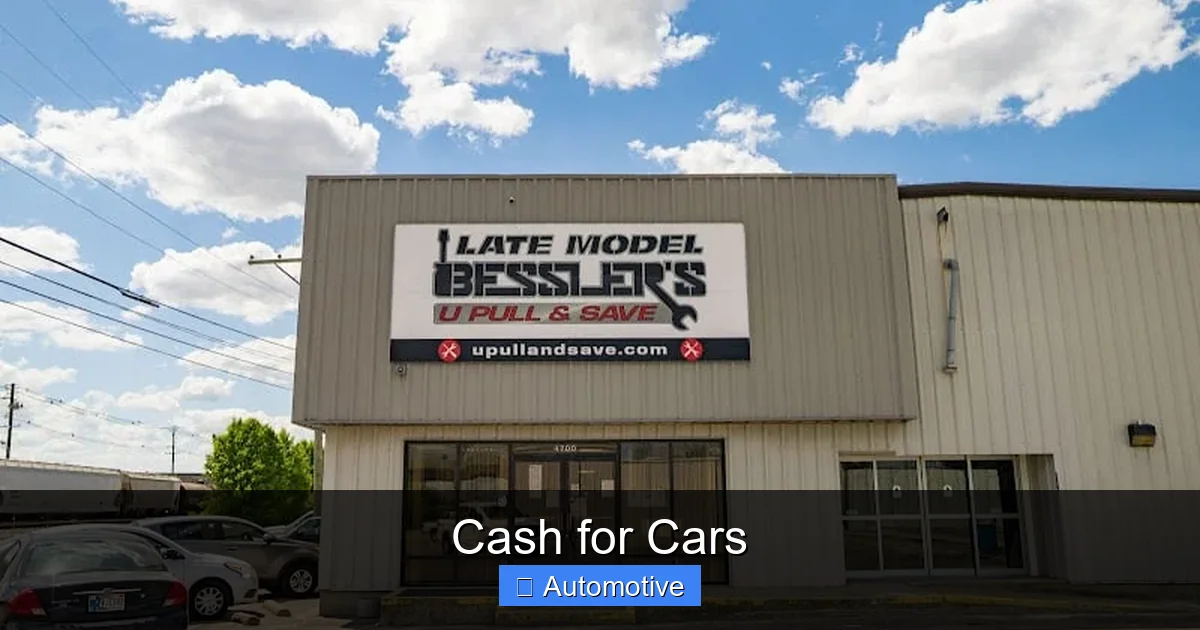
Visual guide about sell my junk car – bessler’s u pull & save
Image source: u-pull-it.com
The beauty of cash for cars lies in its simplicity. Most transactions follow a consistent four-step process that takes less than 24 hours from start to finish.
Step 1: Get a Free Quote
It all starts with a quote. You can usually get one in under five minutes by calling a local buyer or filling out an online form on a national platform. You’ll be asked basic details like:
– Year, make, and model
– Mileage
– Overall condition (running, not running, damaged, etc.)
– Location (for towing logistics)
Some companies even ask for photos of the car—especially if there’s significant body damage or mechanical issues. Don’t worry if you don’t know every detail; honest estimates are based on what you provide.
For instance, if you enter “2012 Toyota Camry, 180,000 miles, won’t start, minor front-end damage,” the system might generate an instant offer of $950. That number isn’t random—it’s based on current scrap metal prices, part demand, and regional resale trends.
Step 2: Accept the Offer
Once you receive your quote, you decide whether to accept it. There’s no obligation—you can shop around and compare offers from multiple buyers. If you like the price, simply confirm your acceptance over the phone or online. Most companies lock in the quoted amount for 24–72 hours, so you don’t lose out if scheduling takes a day or two.
Pro tip: Always ask if the quote includes towing. Some shady operators lowball the initial offer and then charge $100+ for pickup. Reputable services include free towing in their quote—no hidden fees.
Step 3: Schedule Free Pickup
After accepting, you’ll schedule a convenient time for the tow truck to arrive. Most companies offer same-day or next-day service, especially in urban areas. The driver will come to your home, workplace, or even the repair shop where your car is parked.
When the truck arrives, the driver will do a quick visual inspection to confirm the car matches your description. If everything checks out, they’ll hand you the payment—cash, check, or electronic transfer—and load your vehicle onto the tow truck.
Step 4: Complete the Paperwork
This is where many people worry, but it’s actually straightforward. The buyer will handle most of the documentation, including:
– Signing over the title (you’ll need to sign as the seller)
– Providing a bill of sale (often generated by the company)
– Canceling your registration (some states require this within a few days)
Make sure you remove all personal items from the car before pickup—including garage door openers, insurance cards, and spare keys. Also, keep a copy of the signed title and bill of sale for your records. This protects you in case the buyer doesn’t properly transfer ownership later.
What Types of Cars Can You Sell?

Visual guide about sell my junk car – bessler’s u pull & save
Image source: u-pull-it.com
One of the biggest myths about cash for cars is that only wrecked or junk vehicles qualify. In reality, these services buy cars in virtually any condition—from pristine daily drivers to cars that haven’t moved in a decade.
Running Vehicles
Yes, you can sell a perfectly functional car through cash for cars! While you might get more by selling privately, the convenience often outweighs the price difference. For example, a 2015 Ford Focus with 120,000 miles might fetch $6,000 privately but $5,200 through a cash for cars service. That $800 difference buys you peace of mind, saves you weeks of effort, and eliminates the risk of dealing with unreliable buyers.
Non-Running or Damaged Cars
This is where cash for cars truly shines. If your car won’t start due to engine failure, transmission issues, or electrical problems, it’s still valuable. Even severe damage—like flood damage, fire damage, or collision wrecks—won’t disqualify it. Buyers assess the car’s weight (for scrap metal), usable parts (like alternators, catalytic converters, or airbags), and potential for rebuilding.
For instance, a 2007 Chevy Silverado with a seized engine might be worth $800 in scrap metal alone. But if it has a good transmission, tires, and interior, that value could jump to $1,500 or more.
Older or High-Mileage Vehicles
Age and mileage don’t automatically mean low value. A 1999 Toyota Corolla with 250,000 miles might seem worthless, but it could still fetch $400–$700 depending on its condition and location. In rural areas with fewer public transit options, older cars are in higher demand for parts or restoration.
Leased or Financed Cars
Selling a car you still owe money on is trickier, but not impossible. Most cash for cars services won’t buy a vehicle with an outstanding loan unless the payoff amount is less than the car’s value. If you’re “upside-down” (owe more than it’s worth), you’ll need to cover the difference out of pocket or explore other options like refinancing or trading in at a dealership.
However, if your loan balance is $3,000 and the cash offer is $4,500, the buyer can pay off the lender directly and give you the remaining $1,500. Just make sure to coordinate with your bank or financing company beforehand.
Benefits of Using Cash for Cars Services
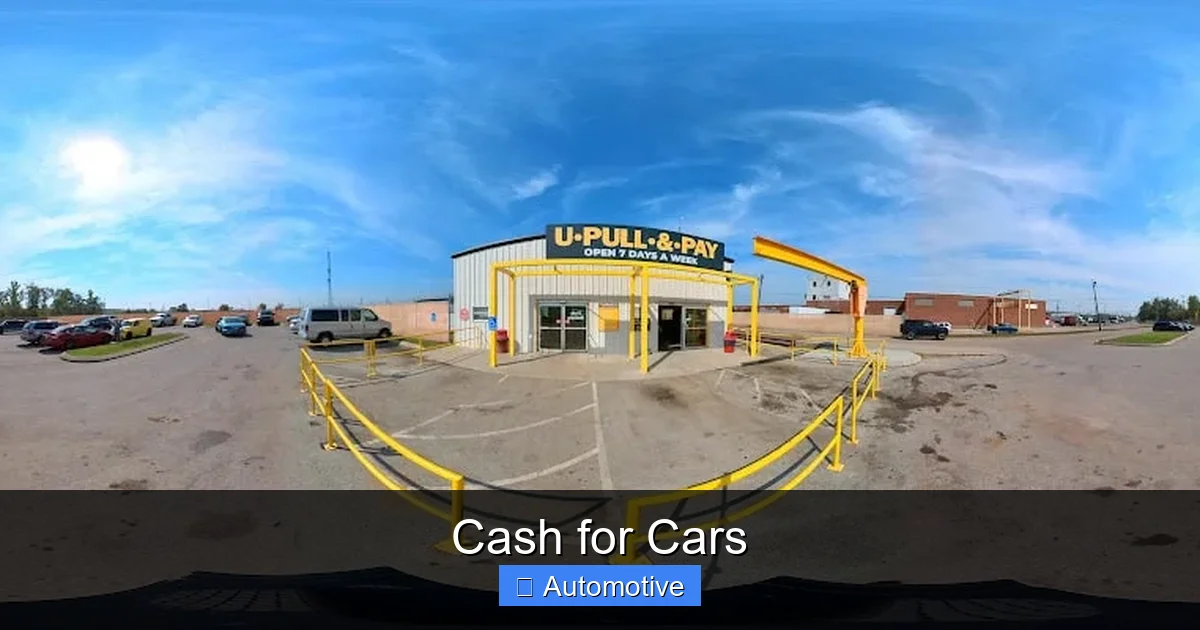
Visual guide about sell my junk car – bessler’s u pull & save
Image source: u-pull-it.com
Why choose cash for cars over private sale or trade-in? The advantages go beyond just convenience.
Speed and Simplicity
Selling a car privately can take weeks or even months. You’ll spend hours writing ads, responding to messages, meeting strangers, and negotiating. With cash for cars, the entire process—from quote to payment—can be done in under 24 hours.
No Repair Costs
Private buyers often expect you to fix minor issues before sale. That means spending money on brakes, tires, or cosmetic repairs just to make the car sellable. Cash for cars buyers accept vehicles “as-is,” so you keep your wallet intact.
Guaranteed Sale
Unlike private sales, where deals fall through last minute, cash for cars offers are binding once accepted. You won’t lose sleep wondering if the buyer will show up or back out.
Eco-Friendly Disposal
Reputable cash for cars companies follow strict environmental guidelines. Fluids like oil, coolant, and gasoline are drained and recycled. Batteries, tires, and metals are sent to certified recyclers. This prevents toxic chemicals from leaking into soil and water—something that doesn’t always happen when cars are abandoned or dumped illegally.
Support for Local Economies
Many cash for cars operations are small, family-owned businesses that reinvest in their communities. By choosing a local buyer, you’re supporting jobs and keeping money circulating locally.
How Much Can You Expect to Get?
Pricing varies widely based on several factors, but understanding them helps you set realistic expectations.
Vehicle Weight and Metal Value
Scrap metal—especially steel and aluminum—makes up a large portion of a car’s value. Heavier vehicles like trucks and SUVs typically fetch more than compact cars. For example, a full-size Ford F-150 might weigh 5,000 pounds and be worth $1,200 in scrap, while a Honda Civic at 2,800 pounds might only bring $600.
Condition and Usable Parts
A car with intact airbags, a working alternator, or low-mileage tires will command a higher price. Salvage yards can sell these parts individually, increasing the overall value.
Market Demand
Certain models are more desirable for parts or rebuilding. A popular sedan like a Toyota Camry or Honda Accord will often get a better offer than a rare or discontinued model.
Location
Prices can vary by region due to differences in scrap metal markets, labor costs, and demand. Urban areas with more buyers and recyclers tend to offer higher payouts.
On average, most cars sell for between $100 and $3,000 through cash for cars services. Luxury vehicles, rare models, or cars with high-demand parts can exceed $5,000—even if they’re not running.
Tips to Maximize Your Cash Offer
Want to get the best possible price? Follow these expert tips:
– **Be Honest About Condition:** Don’t exaggerate or hide damage. Buyers will inspect the car, and dishonesty can lead to offer reductions or cancellation.
– **Gather Documentation:** Have your title, registration, and maintenance records ready. A clean title with no liens increases value.
– **Clean the Car (Lightly):** You don’t need a full detail, but removing trash and personal items makes a good impression and shows care.
– **Compare Multiple Quotes:** Get offers from at least three buyers—local and online—to ensure you’re getting a fair deal.
– **Ask About Towing Radius:** Some companies only offer free towing within 20–30 miles. If you’re farther out, ask if there’s a fee.
– **Avoid Scams:** Never pay upfront fees, and never release your car without payment in hand. Legitimate buyers won’t ask for money from you.
Common Misconceptions About Cash for Cars
Despite its popularity, many myths still surround cash for cars. Let’s clear them up.
“They Only Want Junk Cars”
False. While junk cars are common, many buyers actively seek running vehicles for resale or parts. Some even specialize in refurbishing older models.
“I’ll Get Pennies on the Dollar”
Not necessarily. While you won’t match private sale prices, reputable buyers offer fair market value based on real data. Plus, you save time, stress, and repair costs.
“It’s Bad for the Environment”
Actually, it’s the opposite. Certified recyclers follow EPA guidelines to safely dispose of hazardous materials and reuse up to 80% of a car’s components.
“I Need a Perfect Title”
Most states allow you to sell with a duplicate or reconstructed title. If you’ve lost yours, contact your DMV to get a replacement before selling.
Choosing the Right Cash for Cars Company
Not all buyers are created equal. To avoid scams and lowball offers, look for these red flags and green lights:
✅ Licensed and insured
✅ Positive reviews on Google, Yelp, or BBB
✅ Transparent pricing with no hidden fees
✅ Free towing included
✅ Clear communication and professional staff
Avoid companies that:
❌ Pressure you to decide immediately
❌ Refuse to provide a written quote
❌ Ask for payment or personal financial info upfront
❌ Have no physical address or customer service number
National platforms like Peddle, CarBrain, or CashForCars.com offer consistency and accountability, while local yards may provide faster service and personalized attention. Choose based on your priorities.
Final Thoughts
Getting cash for cars isn’t just about clearing space in your garage—it’s about turning an unused asset into immediate value with minimal effort. Whether your car is running, wrecked, or sitting in a field, there’s a buyer ready to pay you for it. By understanding the process, knowing your car’s worth, and choosing a reputable service, you can walk away with money in your pocket and a clean conscience.
So the next time you look at that old vehicle and think, “What am I going to do with this?”—remember: someone will pay you to take it off your hands. And thanks to modern cash for cars services, that someone could be knocking on your door tomorrow.
Frequently Asked Questions
Can I sell my car if it doesn’t run?
Yes! Most cash for cars services buy non-running vehicles. They assess value based on weight, parts, and scrap metal—not whether the engine turns over.
Do I need a title to sell my car?
In most states, yes—you’ll need a signed title to transfer ownership. If you’ve lost it, contact your local DMV to request a duplicate before selling.
How quickly can I get paid?
Many companies offer same-day payment upon pickup. Payment methods include cash, check, or electronic transfer, depending on the buyer.
Is towing really free?
Reputable cash for cars services include free towing in their quote. Always confirm this upfront to avoid surprise charges.
What happens to my car after I sell it?
It’s either recycled for parts and metal, refurbished for resale, or sent to a salvage yard. Reputable buyers follow environmental regulations to minimize waste.
Can I sell a car with a loan still on it?
Only if the sale price covers the loan balance. The buyer can pay off the lender directly, but you’ll need to coordinate with your financing company first.