Carmax or Carvana to Sell Car
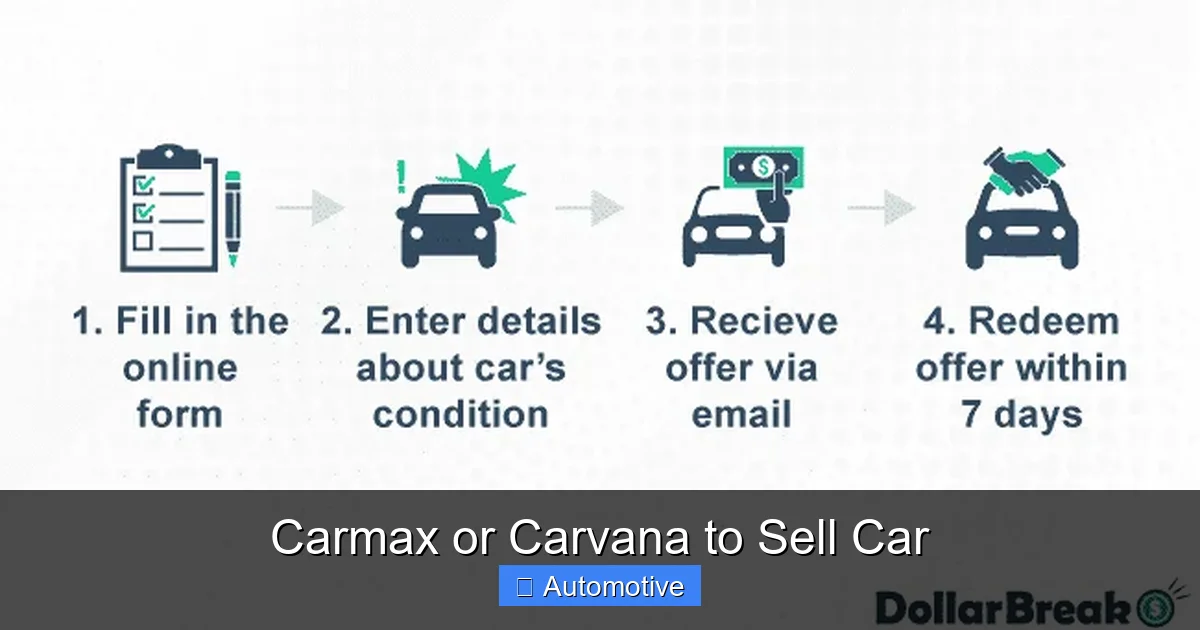
Choosing between Carmax or Carvana to sell your car depends on your priorities—speed, convenience, or top dollar. Both platforms offer online estimates and quick sales, but differ in inspection processes, final offers, and customer support. Understanding these differences helps you pick the right option for your situation.
Thinking about selling your car? You’re not alone. Millions of Americans upgrade, downsize, or simply need cash each year—and platforms like Carmax and Carvana have made the process faster and easier than ever. Gone are the days of posting ads on Craigslist, meeting strangers in parking lots, or haggling with dealerships for weeks. Today, you can get a competitive offer in minutes and walk away with a check in hand—often within 48 hours.
But with two major players dominating the online car-selling space, how do you choose? Should you go with Carmax, the veteran with physical locations and a reputation for transparency? Or is Carvana, the sleek digital disruptor, the better fit for your lifestyle? The answer isn’t one-size-fits-all. It depends on your car’s condition, your timeline, how much control you want over the process, and whether you value human interaction or pure convenience.
In this guide, we’ll break down everything you need to know about selling your car through Carmax or Carvana. From how each company values your vehicle to what happens after you accept an offer, we’ll compare their strengths, weaknesses, and real-world user experiences. By the end, you’ll have the clarity to decide which platform gives you the best chance at a fair price, minimal hassle, and peace of mind.
In This Article
- 1 Key Takeaways
- 2 📑 Table of Contents
- 3 How Carmax Works When Selling Your Car
- 4 How Carvana Works When Selling Your Car
- 5 Comparing Offers: Which Pays More?
- 6 Speed and Convenience: Which Is Faster?
- 7 Customer Experience and Support
- 8 Tips for Getting the Best Offer from Either Platform
- 9 Final Verdict: Which Should You Choose?
- 10 Frequently Asked Questions
- 10.1 Which pays more: Carmax or Carvana?
- 10.2 Do I have to buy a car to sell to Carmax or Carvana?
- 10.3 How long does it take to get paid after selling?
- 10.4 Can I sell a car with a lien through Carmax or Carvana?
- 10.5 What if my car has damage or mechanical issues?
- 10.6 Is it safe to sell my car online through these platforms?
Key Takeaways
- Carmax offers in-person inspections and haggle-free pricing: You get a firm offer after a physical appraisal at a local store, which can be more reliable for unique or high-mileage vehicles.
- Carvana provides a fully digital experience: Upload photos and details online, receive an instant offer, and complete the sale from home—ideal for busy sellers.
- Carmax may pay more for certain vehicles: With over 200 locations and a large inventory, Carmax often has higher demand for specific makes and models, potentially increasing your offer.
- Carvana has faster funding and pickup: Once you accept, Carvana typically sends a driver within days and pays via check or direct deposit the same day.
- Both charge no seller fees: Neither platform takes a commission, so you keep the full offer amount (minus any liens or outstanding loans).
- Vehicle condition matters more at Carmax: Their 100-point inspection can reduce your offer if issues are found, while Carvana’s remote evaluation relies heavily on your honesty.
- Customer service varies by experience: Some users report smoother transactions with Carmax’s in-person support, while others prefer Carvana’s app-based tracking and communication.
📑 Table of Contents
How Carmax Works When Selling Your Car
Carmax has been around since 1993 and operates more than 200 retail locations across the U.S. While it’s best known for selling used cars, it also buys thousands of vehicles every month—making it a solid option if you’re looking to sell quickly without negotiating.
The process starts online. You visit Carmax.com, enter your vehicle’s VIN or license plate, and answer a few questions about its condition, mileage, and features. Within seconds, you’ll receive a no-obligation offer that’s valid for seven days. This initial estimate is based on market data, recent sales, and Carmax’s inventory needs.
But here’s the key difference: Carmax requires an in-person appraisal to finalize the offer. You’ll need to drive to your nearest Carmax store (or schedule a mobile appraisal in some areas) where a trained appraiser will inspect your car. They’ll check for mechanical issues, body damage, tire wear, interior condition, and whether all features work properly. This 100-point inspection is thorough—and it can affect your final price.
For example, if your online offer was $18,000 but the inspector finds significant paint damage or a faulty transmission, they may reduce the offer to $16,500. However, Carmax emphasizes “no-haggle” pricing, meaning the number they give you after inspection is firm—you won’t be pressured to lower it further or buy something else.
Once you accept, Carmax handles the paperwork, pays off any existing loans (if applicable), and gives you a check on the spot. If you owe more than the car is worth, you’ll need to cover the difference. But if there’s equity, you walk away with cash—or a bank transfer—the same day.
One advantage Carmax offers is consistency. Because they have physical stores and standardized processes, their valuations tend to be more predictable than purely online platforms. Plus, if you’re trading in or buying another vehicle, you can often complete everything in one visit.
How Carvana Works When Selling Your Car
Visual guide about Carmax or Carvana to Sell Car
Image source: motorbiscuit.com
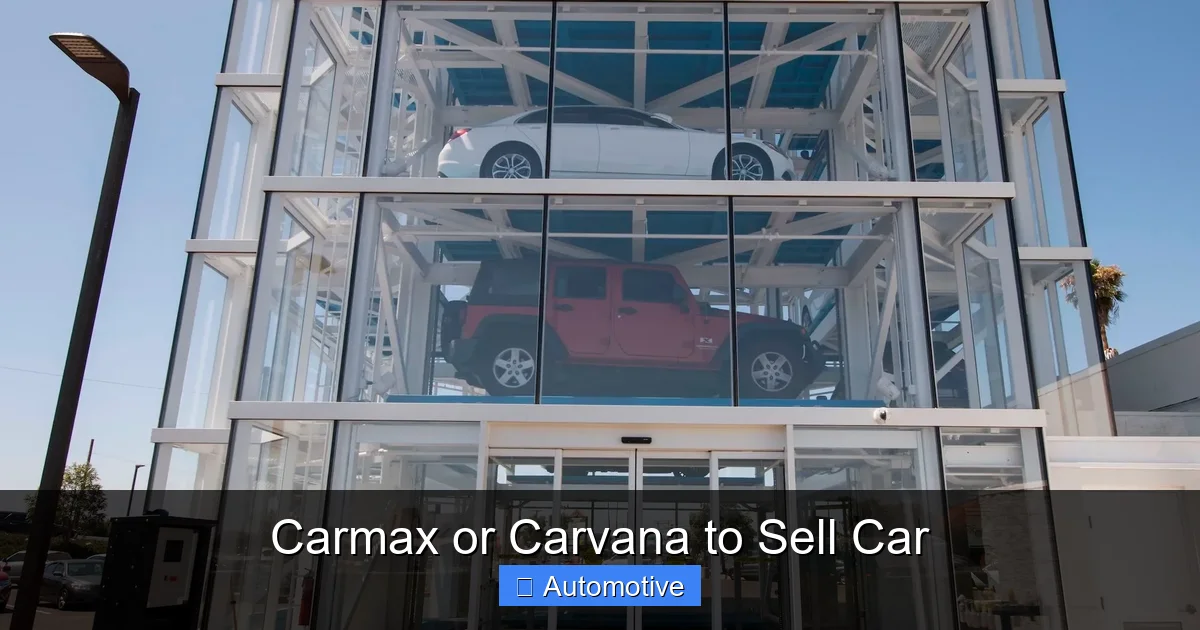
Carvana launched in 2013 with a bold vision: sell and buy cars entirely online. No dealerships. No test drives. Just a sleek website, a mobile app, and giant car vending machines (yes, really). And when it comes to selling your car, Carvana leans heavily into that digital-first approach.
To get started, go to Carvana.com/sell and enter your vehicle details—make, model, year, mileage, and condition. You’ll then upload photos of your car from multiple angles, including close-ups of any damage. Carvana uses this information, along with market trends and their own algorithms, to generate an instant cash offer.
Unlike Carmax, Carvana doesn’t require you to visit a location for inspection—at least not initially. Their system relies on your accurate description and photos. If your car matches what you claimed, the offer stands. But if discrepancies are found later (during pickup or delivery), they may adjust the price.
Once you accept the offer, Carvana schedules a pickup—usually within 2–5 business days. A driver arrives in an unmarked vehicle, inspects your car on the spot (this is when surprises can happen), completes the paperwork, and hands over a check or initiates a direct deposit. The whole process can take less than 30 minutes.
One standout feature is Carvana’s transparency dashboard. After accepting, you can track your sale in real time via the app—see when the driver is en route, confirm payment status, and even chat with support. It’s designed for people who want minimal interaction and maximum convenience.
However, because Carvana operates without physical inspection centers (except for a few regional hubs), their initial offers can sometimes be optimistic. Sellers have reported receiving high quotes online only to see them drop significantly during the final inspection. That’s why honesty about your car’s condition is critical—if you hide damage, you risk a lower payout or even cancellation.
Comparing Offers: Which Pays More?
Visual guide about Carmax or Carvana to Sell Car
Image source: endurancewarranty.com
This is the million-dollar question: Does Carmax or Carvana pay more for your car? The short answer? It depends.
Both companies use similar data sources—Kelley Blue Book, auction prices, regional demand—to determine value. But their business models influence how aggressively they bid.
Carmax, as a large retailer with high inventory turnover, often pays competitive prices—especially for popular models like Toyota Camrys, Honda Accords, or Ford F-150s. They need these cars to fill lots and meet customer demand. Additionally, because they inspect vehicles in person, they can accurately assess value and avoid overpaying for hidden problems.
Carvana, on the other hand, focuses on a narrower range of vehicles—typically late-model, low-mileage cars with clean titles. They’re less likely to buy older, high-mileage, or salvage-title vehicles. However, for a well-maintained 2020 SUV with under 40,000 miles, Carvana might offer a slightly higher price due to lower overhead and faster resale potential.
Real-world examples help illustrate this:
– A 2018 Honda CR-V with 60,000 miles and minor bumper scratches received a $19,200 offer from Carmax and $19,800 from Carvana. The Carvana offer was higher, but the seller noted that Carmax’s inspection confirmed no mechanical issues, giving them confidence in the valuation.
– A 2015 Ford Focus with 95,000 miles and a rebuilt title got a $6,500 offer from Carmax (after inspection) but only $4,800 from Carvana, which flagged the title history as a major red flag.
In general, Carmax tends to be more flexible with older or damaged vehicles, while Carvana rewards newer, cleaner cars with premium offers. If your vehicle is in excellent condition and under 5 years old, Carvana might edge out. But if it’s older or has wear and tear, Carmax’s hands-on approach could yield a fairer—and possibly higher—final offer.
It’s always smart to get quotes from both. Most sellers spend 10–15 minutes total and can compare apples to apples. Remember: neither platform locks you in, so there’s no risk in checking both.
Speed and Convenience: Which Is Faster?
Visual guide about Carmax or Carvana to Sell Car
Image source: spyne.ai
When you’re ready to sell, time is often of the essence. Whether you’re buying a new car, moving, or just need cash fast, how quickly you can complete the sale matters.
Carvana wins on pure speed. From quote to payment, the entire process can take as little as 48 hours. You don’t leave your house—everything happens online or at your doorstep. For busy professionals, parents, or anyone avoiding in-person meetings, this is a huge advantage.
Carmax, while still fast, requires at least one trip to a store. Depending on your location, that could mean driving 30–60 minutes each way. Appointments are recommended, and wait times can vary. However, once you’re there, the inspection and paperwork usually take under an hour. Payment is immediate.
That said, Carmax has been expanding its mobile appraisal service in select markets. In cities like Atlanta, Dallas, and Phoenix, they’ll send an appraiser to your home or office—blurring the line between digital and physical convenience.
Another factor: funding method. Both companies pay via check or direct deposit. Carvana often processes payments the same day as pickup, while Carmax typically issues a check on the spot. If you need funds urgently, either works—but Carvana’s digital tracking gives you more visibility into timing.
Ultimately, if you value staying home and moving fast, Carvana is the clear winner. If you don’t mind a short drive for greater assurance and potentially better service, Carmax holds its own.
Customer Experience and Support
Selling a car should be simple—but when issues arise, good customer support makes all the difference.
Carmax shines here. Their staff are trained to explain the appraisal process, answer questions, and handle paperwork smoothly. Many locations have dedicated buyer teams who specialize in acquisitions. If your offer changes after inspection, they’ll walk you through why—and give you options. Some customers even report appraisers pointing out minor fixes (like replacing a headlight bulb) that could increase value.
Carvana’s support is digital-first. You’ll interact via chat, email, or phone—but rarely in person. Their app includes FAQs, status updates, and a help center. Response times are generally quick, but some users complain about scripted answers or difficulty escalating issues. For example, if your car is picked up but payment is delayed, resolving it may take multiple messages.
That said, Carvana has improved significantly in recent years. They now offer live chat during business hours and have dedicated escalation paths for urgent matters. And because the process is so standardized, most transactions go off without a hitch.
One area where Carmax has an edge: handling complex situations. Need to sell a car with a lien? Both companies can pay off lenders, but Carmax’s in-person team often coordinates more seamlessly with banks. Same with estate sales or inherited vehicles—having someone to guide you through paperwork reduces stress.
If you prefer human interaction and personalized service, Carmax feels more reassuring. If you’re comfortable managing everything online and value speed over hand-holding, Carvana fits the bill.
Tips for Getting the Best Offer from Either Platform
No matter which route you choose, a few smart moves can maximize your payout:
Be honest about your car’s condition. Exaggerating or hiding damage might get you a higher initial offer—but it often backfires during inspection. Both companies reserve the right to adjust or cancel offers if discrepancies are found.
Clean your car inside and out. A washed, vacuumed vehicle looks better in photos and during inspection. It doesn’t increase mechanical value, but it signals care—which can influence appraisers.
Gather maintenance records. While not always required, having service history shows your car was well-maintained. Carmax especially appreciates this during inspections.
Remove personal items and license plates. Before pickup or appraisal, clear out belongings and detach plates (you’ll need them for your next vehicle). Some states require you to return plates to the DMV.
Check for outstanding recalls. If your car has an open recall, get it fixed before selling. Unresolved safety issues can lower your offer or disqualify the sale.
Time your sale wisely. Demand fluctuates seasonally. Convertibles sell better in spring, SUVs in winter. Also, end-of-month periods often see higher offers as dealers meet quotas.
Negotiate? Not really—but you can shop around. Neither platform allows haggling, but you’re free to get multiple quotes. Try Carmax, Carvana, and even local dealers or Vroom. The highest offer wins.
Finally, read the fine print. Understand how liens are handled, what happens if your car fails inspection, and whether you’re responsible for towing (usually not—both cover pickup).
Final Verdict: Which Should You Choose?
So, Carmax or Carvana to sell your car? There’s no universal winner—only the right fit for your needs.
Choose Carmax if:
– You prefer in-person service and transparency
– Your car is older, high-mileage, or has minor damage
– You want a firm offer backed by a physical inspection
– You’re in a hurry but don’t mind a short trip to a store
Choose Carvana if:
– You value speed and staying home
– Your car is newer, low-mileage, and in great shape
– You’re comfortable with a fully digital process
– You want real-time tracking and minimal interaction
Many sellers find it worth their time to get quotes from both. In some cases, the difference is negligible—but occasionally, one platform pays $1,000+ more. Ten minutes of your time could mean extra cash in your pocket.
And remember: selling your car doesn’t have to be stressful. With Carmax or Carvana, you’re choosing between two reputable, fee-free options that prioritize convenience and fairness. Whichever you pick, you’re likely to walk away satisfied—and with a little extra money to put toward your next adventure.
Frequently Asked Questions
Which pays more: Carmax or Carvana?
It depends on your vehicle’s age, condition, and market demand. Carvana often pays more for newer, low-mileage cars, while Carmax may offer better prices for older or damaged vehicles due to their in-person inspections and broader inventory needs.
Do I have to buy a car to sell to Carmax or Carvana?
No. Both companies allow you to sell your car independently—no purchase required. You can walk away with cash or a check after the sale is complete.
How long does it take to get paid after selling?
Carvana typically pays the same day as pickup via check or direct deposit. Carmax issues payment immediately after you accept the final offer at the store.
Can I sell a car with a lien through Carmax or Carvana?
Yes. Both companies can pay off your lender directly. You’ll need to provide loan details, and they’ll coordinate the payoff before releasing any remaining funds to you.
What if my car has damage or mechanical issues?
Disclose all issues upfront. Carmax will inspect and adjust the offer accordingly. Carvana relies on your photos and description—so honesty is crucial to avoid offer reductions during pickup.
Is it safe to sell my car online through these platforms?
Yes. Both Carmax and Carvana are publicly traded, nationally recognized companies with secure processes, insured transporters, and clear contracts. Millions of cars have been sold safely through both platforms.