Car Won’t Start with Key Fob
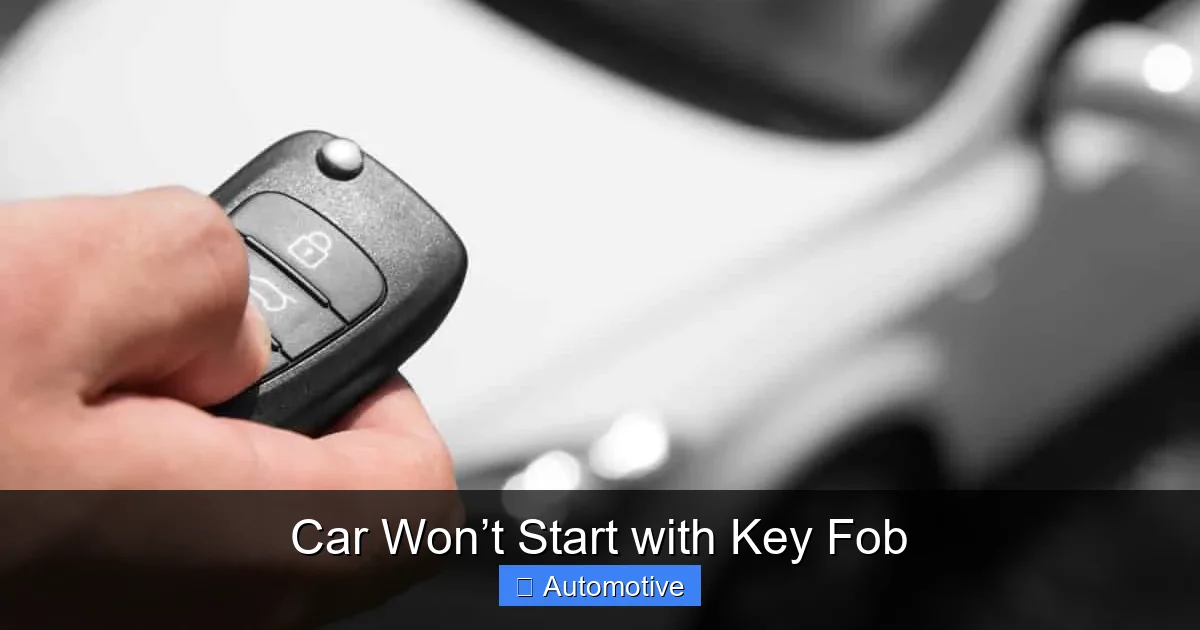
If your car won’t start with the key fob, it’s often due to a weak battery, signal interference, or a faulty sensor. This guide walks you through troubleshooting steps, from checking the fob battery to resetting the system, so you can get back on the road safely and confidently.
In This Article
- 1 Key Takeaways
- 2 📑 Table of Contents
- 3 Why Your Car Won’t Start with the Key Fob—And What You Can Do About It
- 4 Common Causes of Key Fob Starting Failures
- 5 Step-by-Step Troubleshooting Guide
- 6 When to Seek Professional Help
- 7 Preventing Future Key Fob Starting Problems
- 8 Conclusion: Don’t Let a Key Fob Stop You
- 9 Frequently Asked Questions
- 9.1 Why won’t my car start even though the key fob battery is new?
- 9.2 Can a dead car battery cause the key fob to stop working?
- 9.3 How do I know if my key fob is broken?
- 9.4 Can I start my car without the key fob?
- 9.5 Do I need a dealership to replace a key fob?
- 9.6 How often should I replace my key fob battery?
Key Takeaways
- Dead or weak key fob battery: The most common reason a car won’t start with a key fob is a low battery. Replace it promptly to restore functionality.
- Signal interference from electronics: Devices like phones, USB chargers, or other key fobs can block the fob’s signal. Move them away and try again.
- Faulty key fob or immobilizer system: Internal damage or software glitches may prevent the fob from communicating with your car’s ignition system.
- Car battery issues: Even with a working fob, a weak or dead car battery can stop the engine from starting—check both batteries.
- Incorrect fob placement or proximity: Some cars require the fob to be inside the cabin or near the start button. Hold it close if the car doesn’t detect it.
- System reset or reprogramming needed: In rare cases, the key fob may need to be resynchronized with the vehicle using manufacturer-specific steps.
- Professional diagnosis recommended: If troubleshooting fails, visit a dealership or certified mechanic to inspect the immobilizer, antenna, or wiring.
📑 Table of Contents
Why Your Car Won’t Start with the Key Fob—And What You Can Do About It
You’re running late for work, you press the start button, and… nothing. The dashboard lights up, but the engine doesn’t turn over. You try again. Still nothing. You check the key fob—it’s in your hand, it looks fine. But your car won’t start with the key fob. Frustrating? Absolutely. But don’t panic. This is a surprisingly common issue, and in most cases, it’s fixable with a few simple steps.
Modern vehicles rely heavily on keyless entry and push-button start systems, which use wireless signals between the key fob and the car’s computer. While these systems are convenient, they’re also more complex than traditional keys. When something goes wrong—like a dead battery, signal interference, or a software glitch—the car simply won’t recognize the fob, and the engine won’t start. The good news? Most of these problems are easy to diagnose and fix at home, often without needing a mechanic.
In this guide, we’ll walk you through the most common reasons your car won’t start with the key fob, how to troubleshoot them, and when it’s time to call in the pros. Whether you’re dealing with a weak battery, a glitchy system, or something more serious, we’ve got you covered. Let’s get your car back on the road—safely and efficiently.
Common Causes of Key Fob Starting Failures
When your car won’t start with the key fob, it’s usually because the vehicle’s computer isn’t receiving the correct signal from the fob. This communication breakdown can happen for several reasons, but the root causes typically fall into a few key categories. Understanding these will help you pinpoint the issue faster and avoid unnecessary stress.
Dead or Weak Key Fob Battery
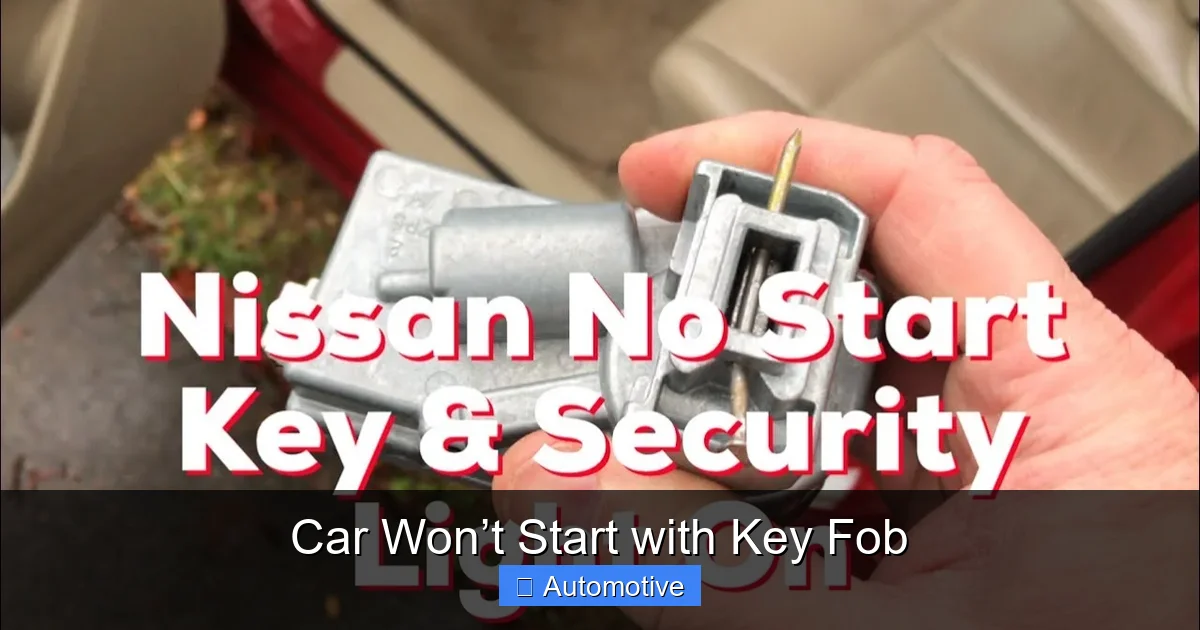
The most frequent culprit is a dead or dying battery inside the key fob. Most key fobs use small coin-cell batteries (like CR2032), which last about 3 to 5 years. As the battery weakens, the signal it sends to the car becomes weaker too. Eventually, the car can’t detect it—even if the fob appears to work for locking and unlocking doors.
Visual guide about Car Won’t Start with Key Fob
Image source: i.ytimg.com
For example, you might notice that your doors unlock when you’re right next to the car, but the start button doesn’t respond unless you hold the fob directly against it. That’s a classic sign of a low battery. Replacing it is simple: pop open the fob (usually with a small screwdriver or by pressing a release button), swap in a new battery, and reassemble. Most auto parts stores sell these batteries for under $5.
Signal Interference from Electronic Devices
Believe it or not, everyday electronics can interfere with your key fob’s signal. Things like smartphones, USB chargers, power banks, or even other key fobs in your pocket can create electromagnetic interference that blocks the fob’s transmission. This is especially common in parking garages or areas with strong Wi-Fi or cellular signals.
If your car won’t start with the key fob, try moving away from other devices. Put your phone in another room, unplug chargers, and hold the fob away from your body. Some drivers even report success by placing the fob in a metal container (like a cookie tin) to shield it from interference—then removing it just before starting the car.
Faulty Key Fob or Internal Damage
Key fobs are durable, but they’re not indestructible. Dropping the fob, exposing it to water, or leaving it in extreme heat can damage the internal circuitry. Even a small crack or moisture buildup can disrupt the signal. If your fob has taken a beating, it might be time to replace it.
Signs of a damaged fob include inconsistent locking/unlocking, buttons that don’t respond, or a fob that only works when held at a certain angle. Some fobs also have a small LED light that flashes when you press a button—if it doesn’t light up, the fob may be dead or broken.
Car Battery or Electrical System Issues
Here’s a twist: sometimes the problem isn’t the key fob at all—it’s the car’s battery. A weak or dead car battery can prevent the ignition system from receiving enough power to start the engine, even if the fob is working perfectly. This is especially common in cold weather, when batteries lose efficiency.
If your dashboard lights are dim, your headlights flicker, or you hear a clicking sound when you press the start button, the car battery might be the issue. Use a multimeter to check the voltage—12.6 volts or higher means it’s fully charged. Below 12.4 volts, it’s time to recharge or replace it.
Incorrect Fob Placement or Proximity
Some vehicles require the key fob to be in a specific location to start the engine. For example, many cars won’t start unless the fob is inside the cabin—not in your pocket, purse, or outside the car. Others need the fob to be within a few inches of the start button.
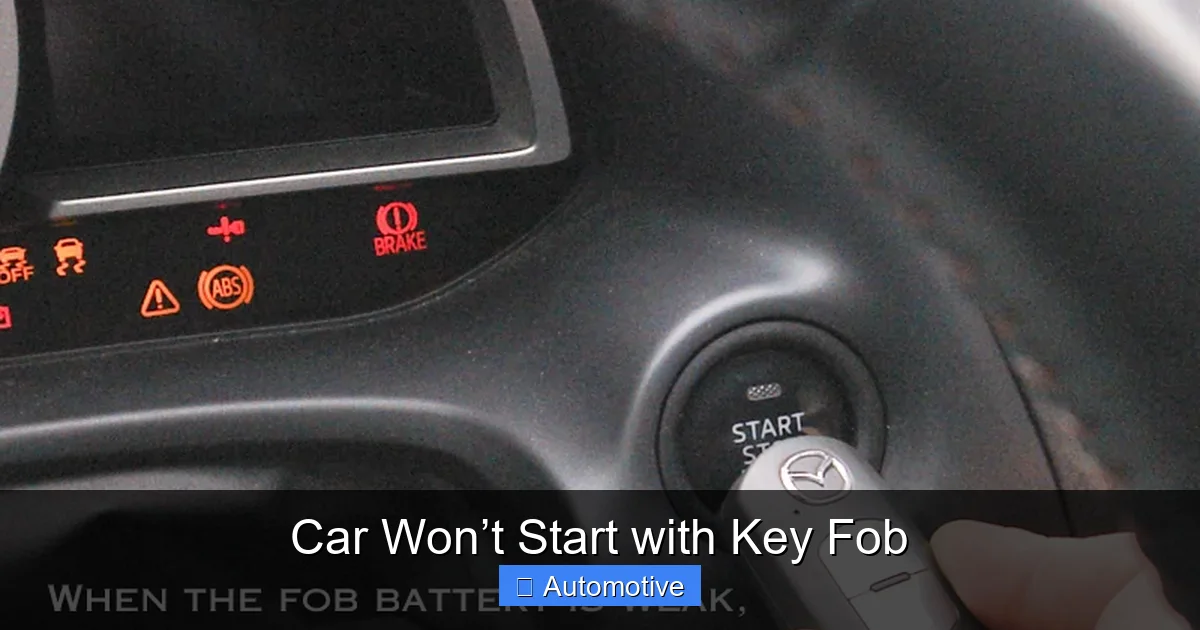
If your car won’t start with the key fob, try holding it directly against the start button. Some manufacturers even include a small indentation or symbol on the button to indicate where to place the fob. This bypasses the antenna system and forces a direct signal.
Step-by-Step Troubleshooting Guide
Now that you know the common causes, let’s walk through a practical troubleshooting process. Follow these steps in order—they’re designed to be simple, safe, and effective.
Step 1: Check the Key Fob Battery
Start by testing the key fob battery. Remove the back cover and inspect the battery. If it looks corroded, swollen, or discolored, replace it immediately. Even if it looks fine, try swapping it with a new one—sometimes batteries fail without visible signs.
Visual guide about Car Won’t Start with Key Fob
Image source: samarins.com
After replacing the battery, test the fob by locking and unlocking the doors from a distance. If it works, try starting the car. If the car still won’t start with the key fob, move to the next step.
Step 2: Eliminate Signal Interference
Turn off all electronic devices near you—phones, tablets, chargers, etc. Move away from power lines, Wi-Fi routers, or other vehicles with active key fobs. Try starting the car again in a quieter environment.
If you’re in a parking garage or near other cars, try moving to a different spot. Some drivers even report success by starting the car in the middle of an empty parking lot, away from potential interference sources.
Step 3: Test the Fob’s Signal Strength
Hold the fob close to your head (yes, really!) and press the start button. Your body can act as an antenna, boosting the signal. This trick works surprisingly well for weak fobs.
Alternatively, try placing the fob in different locations inside the car—on the passenger seat, in the cup holder, or directly on the start button. Some cars have weak internal antennas, so repositioning the fob can help.
Step 4: Check the Car Battery
Use a multimeter to test the car battery voltage. With the engine off, a healthy battery should read 12.6 volts or higher. If it’s below 12.4 volts, the battery may be weak. Try jump-starting the car or charging it with a battery charger.
If the car starts after a jump, the issue was likely the battery—not the fob. However, a weak battery can also cause the immobilizer system to malfunction, so it’s worth checking even if the fob seems fine.
Step 5: Try the Manual Start Procedure
Many modern cars have a backup method to start the engine when the fob isn’t detected. This usually involves placing the fob in a specific spot—often near the start button or in a designated slot.
For example, some Toyota models require you to hold the fob against the start button while pressing it. Others have a hidden key blade inside the fob that can be used to manually unlock the door and start the car. Check your owner’s manual for the exact procedure.
Step 6: Reset the Key Fob System
If all else fails, try resetting the key fob system. This process varies by manufacturer, but it often involves pressing a sequence of buttons or turning the ignition on and off multiple times.
For example, on some Honda models, you can reset the fob by holding the lock and unlock buttons simultaneously for 10 seconds. On Ford vehicles, turning the key to the “on” position (without starting) and pressing the start button three times may resynchronize the fob.
Always refer to your owner’s manual for the correct reset procedure. If you don’t have the manual, search online using your car’s make, model, and year.
When to Seek Professional Help
Sometimes, despite your best efforts, the car still won’t start with the key fob. When that happens, it’s time to call in the experts. Here’s how to know when DIY troubleshooting isn’t enough.
Persistent Starting Issues After Troubleshooting
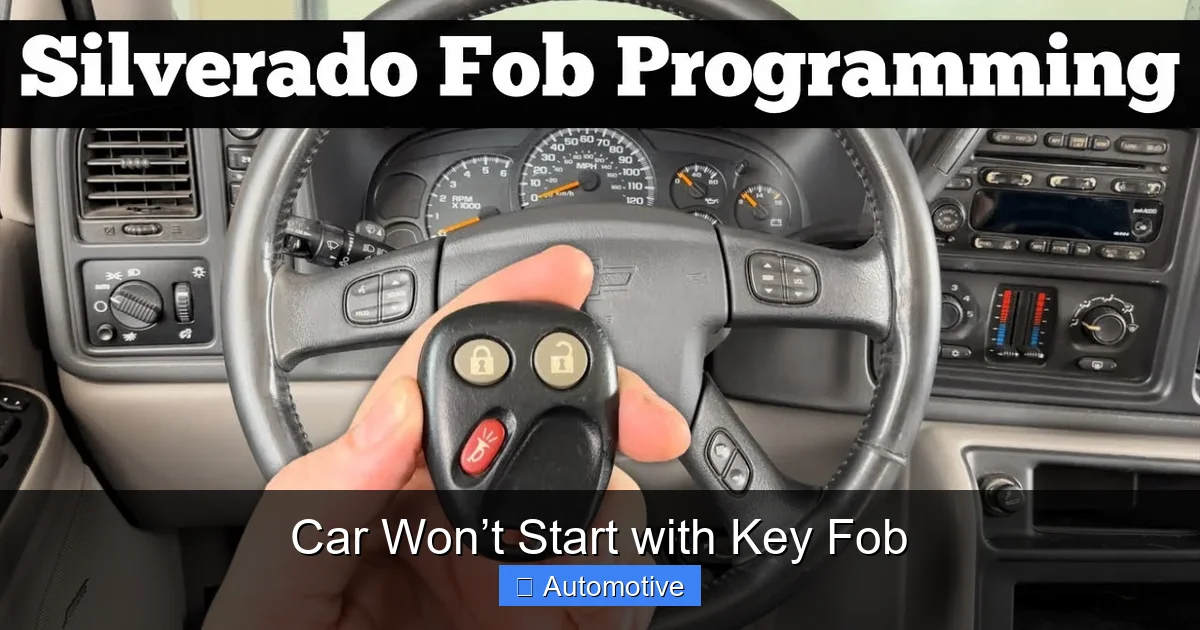
If you’ve replaced the fob battery, eliminated interference, checked the car battery, and tried the manual start procedure—but the car still won’t start—there may be a deeper issue. This could include a faulty immobilizer, a broken antenna, or a software glitch in the car’s computer.
Visual guide about Car Won’t Start with Key Fob
Image source: i.ytimg.com
At this point, a professional diagnostic scan is your best bet. Mechanics use specialized tools to read error codes from the car’s onboard computer. These codes can pinpoint exactly what’s wrong—whether it’s a failed sensor, a wiring issue, or a problem with the key fob itself.
Multiple Key Fobs Not Working
If neither of your key fobs works—and you’ve confirmed both have fresh batteries—the problem is likely with the car, not the fobs. This could indicate a failed receiver module, a blown fuse, or a software issue in the immobilizer system.
For example, some BMW models have a known issue where the key fob receiver fails over time. Replacing it requires specialized equipment and programming, which only a dealership or certified technician can do.
Water Damage or Physical Damage to the Fob
If your key fob has been dropped in water, crushed, or exposed to extreme heat, it may be permanently damaged. Even if it appears to work for locking doors, the internal transmitter might be compromised.
In these cases, replacing the fob is usually the only solution. Most dealerships can order a new fob and program it to your car. Aftermarket fobs are available online, but they often require professional programming to work with the immobilizer system.
Warning Lights or Error Messages
If your dashboard shows warning lights like “Key Not Detected,” “Immobilizer Active,” or “Service Required,” don’t ignore them. These messages indicate a system-level problem that needs professional attention.
For instance, a “Key Not Detected” message could mean the car’s antenna ring (usually around the ignition) is broken. This part is expensive to replace and requires precise installation.
Preventing Future Key Fob Starting Problems
An ounce of prevention is worth a pound of cure—especially when it comes to key fobs. Here’s how to avoid future issues and keep your keyless start system running smoothly.
Replace the Key Fob Battery Regularly
Don’t wait until the fob dies. Replace the battery every 3 to 4 years, or sooner if you notice reduced range or inconsistent performance. Keep spare batteries in your glove compartment or at home.
Some newer fobs have rechargeable batteries or solar panels, but most still use standard coin cells. Check your owner’s manual to confirm the type and replacement procedure.
Protect the Fob from Damage
Store your key fob in a protective case to prevent drops, scratches, and water damage. Avoid leaving it in hot cars, near magnets, or in pockets with loose change or keys.
If you live in a rainy or snowy climate, consider using a waterproof fob cover. These are inexpensive and can save you from costly repairs.
Keep the Car Battery in Good Condition
A healthy car battery supports all electrical systems, including the immobilizer and key fob receiver. Have your battery tested annually, especially before winter.
If your car sits unused for long periods, use a battery maintainer or trickle charger to keep it charged. A weak battery can cause all sorts of electronic gremlins—including key fob issues.
Avoid Signal Interference
Minimize the number of electronic devices in your car. Don’t leave phones, tablets, or chargers plugged in near the ignition. If you use a phone mount, position it away from the start button.
Also, avoid storing multiple key fobs together. The signals can interfere with each other, causing confusion for the car’s computer.
Know Your Car’s Backup Procedures
Familiarize yourself with your car’s manual start procedure. Keep the owner’s manual in the glove box, and bookmark the reset steps on your phone.
Some cars even have a hidden mechanical key inside the fob for emergency access. Learn how to use it—you never know when you’ll need it.
Conclusion: Don’t Let a Key Fob Stop You
A car that won’t start with the key fob can be a major inconvenience, but it’s rarely a sign of a serious problem. In most cases, the issue is as simple as a dead battery, signal interference, or incorrect fob placement. By following the troubleshooting steps in this guide, you can often resolve the problem in minutes—without calling a tow truck or visiting a mechanic.
Remember: start with the basics. Check the fob battery, eliminate interference, and test the car battery. If those don’t work, try the manual start procedure or reset the system. And if all else fails, don’t hesitate to seek professional help. Modern cars are complex machines, and sometimes they need expert care.
The key (pun intended) is to stay calm and methodical. Most key fob issues are temporary and fixable. With a little knowledge and preparation, you’ll be back on the road in no time. So the next time your car won’t start with the key fob, don’t panic—just follow this guide and take it one step at a time.
Frequently Asked Questions
Why won’t my car start even though the key fob battery is new?
Even with a new battery, signal interference, a weak car battery, or a faulty immobilizer system can prevent the car from starting. Try eliminating electronic devices, checking the car battery, and holding the fob against the start button.
Can a dead car battery cause the key fob to stop working?
Yes. A weak or dead car battery can disrupt the immobilizer system, preventing the car from recognizing the key fob. Always check both the fob and car batteries when troubleshooting.
How do I know if my key fob is broken?
Signs include inconsistent locking/unlocking, no LED light when pressing buttons, or the fob only working at very close range. If it’s damaged or waterlogged, it may need replacement.
Can I start my car without the key fob?
Most modern cars have a backup method, such as placing the fob near the start button or using a hidden mechanical key. Check your owner’s manual for the specific procedure.
Do I need a dealership to replace a key fob?
While dealerships offer OEM fobs with guaranteed compatibility, some locksmiths and auto shops can program aftermarket fobs. However, programming often requires specialized tools.
How often should I replace my key fob battery?
Replace the battery every 3 to 4 years, or sooner if you notice reduced range or performance. Keeping a spare battery on hand can prevent unexpected failures.