Car Tries to Start but Won’t Turn Over

Contents
- 1 Key Takeaways
- 2 📑 Table of Contents
- 3 Why Your Car Tries to Start but Won’t Turn Over
- 4 Understanding the Starting System: How Your Car Actually Starts
- 5 Top 6 Causes When Your Car Tries to Start but Won’t Turn Over
- 6 Advanced Diagnostics: When the Problem Isn’t Obvious
- 7 Step-by-Step Troubleshooting Guide
- 8 Prevention Tips: How to Avoid Starting Problems
- 9 When to Call a Professional
- 10 Conclusion
- 11 Frequently Asked Questions

Windshield Cleaning Tool

Reflective Stickers
Car Phone Holder

Car Vacuum Cleaner (Portable)
If your car tries to start but won’t turn over, it’s often a sign of electrical, fuel, or mechanical issues. This frustrating problem can stem from a dead battery, faulty starter, or fuel delivery problems—but with the right diagnosis, you can often fix it yourself or know when to call a pro.
Key Takeaways
- Battery issues are the most common cause: A weak or dead battery may allow the dashboard to light up but not provide enough power to crank the engine.
- Faulty starter motor or solenoid: If you hear a clicking sound but the engine doesn’t turn, the starter might be failing.
- Fuel system problems: A clogged fuel filter, bad fuel pump, or empty tank can prevent the engine from getting the fuel it needs to start.
- Ignition system failures: Worn spark plugs, bad ignition coils, or a failing crankshaft sensor can stop combustion even if the engine turns.
- Security or immobilizer glitches: Modern cars may refuse to start if the key fob isn’t recognized or the anti-theft system is triggered.
- Mechanical engine issues: Severe internal damage like a seized engine or timing belt failure can prevent cranking entirely.
- Safety first: Always check for fuel leaks, strange smells, or warning lights before attempting repairs.
📑 Table of Contents
- Why Your Car Tries to Start but Won’t Turn Over
- Understanding the Starting System: How Your Car Actually Starts
- Top 6 Causes When Your Car Tries to Start but Won’t Turn Over
- Advanced Diagnostics: When the Problem Isn’t Obvious
- Step-by-Step Troubleshooting Guide
- Prevention Tips: How to Avoid Starting Problems
- When to Call a Professional
- Conclusion
Why Your Car Tries to Start but Won’t Turn Over
You turn the key—or press the start button—and you hear the familiar click or whir, but the engine just won’t catch. The dashboard lights up, maybe the radio even powers on, but when it comes time for the engine to actually turn over and fire up, nothing happens. It’s one of the most frustrating experiences a driver can face: your car tries to start but won’t turn over.
This issue strikes fear into the hearts of even seasoned drivers. Is it the battery? The starter? Something worse? The good news is that in most cases, this problem is diagnosable and often fixable—sometimes with simple tools and a bit of patience. But to solve it, you need to understand what “turning over” actually means. When we say an engine “turns over,” we’re referring to the crankshaft rotating, driven by the starter motor. If the engine isn’t turning at all, or only weakly, the root cause is usually electrical or mechanical. If it turns but doesn’t start (i.e., no combustion), the issue is more likely fuel- or ignition-related.
In this guide, we’ll walk you through the most common reasons your car tries to start but won’t turn over, how to diagnose them, and what you can do about it—whether you’re a DIY enthusiast or just want to understand what your mechanic is talking about.
Understanding the Starting System: How Your Car Actually Starts
Before diving into troubleshooting, it helps to understand how your car’s starting system works. Think of it like a relay race: each component passes the baton to the next until the engine fires up.
The Role of the Battery
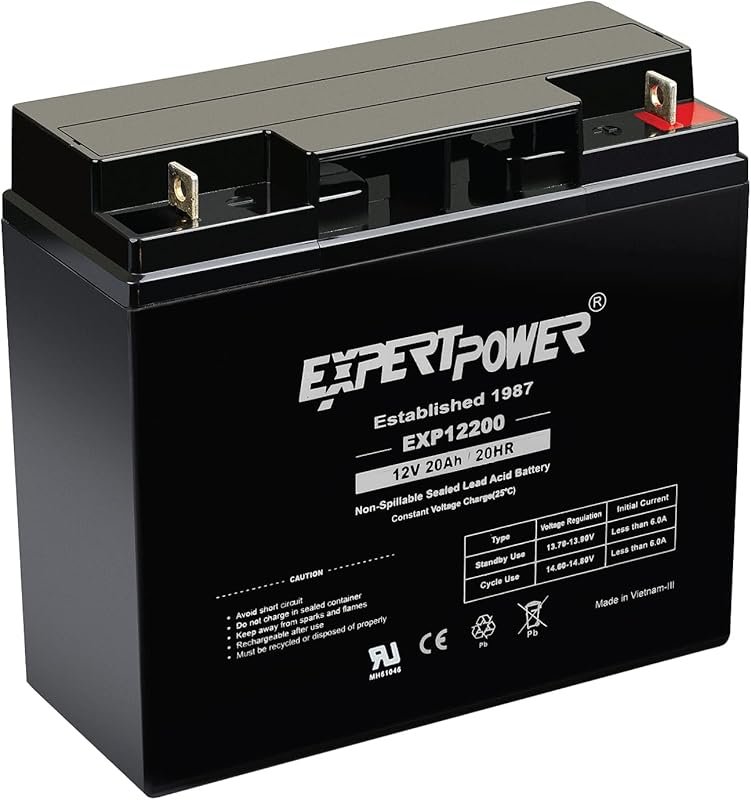
The journey begins with the battery. When you turn the key or press the start button, the battery sends a burst of electrical current to the starter motor. This current powers the starter solenoid, which then engages the starter motor. The battery must have enough voltage—typically at least 12.4 volts when fully charged—to provide this initial surge. If the battery is weak, it might light up the dashboard but not deliver enough power to crank the engine.
The Starter Motor and Solenoid
The starter motor is a small but powerful electric motor that physically turns the engine’s flywheel. Attached to it is the solenoid, which acts like a switch—it connects the battery to the starter motor when activated. You’ll often hear a distinct “click” when the solenoid engages. If you hear that click but the engine doesn’t turn, the starter motor itself may be faulty.
The Ignition and Fuel Systems
Once the engine is turning, the ignition system (spark plugs, coils, sensors) and fuel system (fuel pump, injectors, filter) take over. They deliver spark and fuel at the right time to create combustion. If the engine turns but doesn’t start, these systems are usually the culprits. But if the engine won’t turn at all, we’re still in the realm of the starting system.
Understanding this sequence helps you narrow down the problem. For example, if the engine turns slowly or not at all, focus on the battery, cables, or starter. If it turns freely but doesn’t fire, look at fuel and spark.
Top 6 Causes When Your Car Tries to Start but Won’t Turn Over
Now that you know how the system works, let’s look at the most common reasons your car tries to start but won’t turn over. We’ll go from the simplest fixes to more complex issues.
1. Dead or Weak Battery
This is hands-down the most common cause. A battery that’s low on charge might still power the electronics (lights, radio, dashboard) but not have enough juice to spin the starter motor.
Signs:
– Dashboard lights dim when you try to start
– Engine cranks slowly or not at all
– Clicking sound when turning the key
How to test:
Use a multimeter to check battery voltage. A healthy battery should read 12.6 volts when the car is off. If it’s below 12.2 volts, it’s likely too weak. You can also try jump-starting the car. If it starts with a jump, the battery is probably the issue.
Tip: Cold weather reduces battery efficiency. If your car won’t start on a chilly morning, the battery may be the weak link.
2. Faulty Starter Motor or Solenoid
If the battery is good but you hear a single loud click (or repeated clicking) and the engine doesn’t turn, the starter is likely the problem.
Signs:
– Clicking noise when turning the key
– No engine cranking, even with a good battery
– Smell of burnt electrical components (rare, but possible)
How to test:
Tap the starter motor gently with a hammer while someone tries to start the car. If it starts, the starter is failing. You can also use a multimeter to check for power at the starter solenoid when the key is turned. No power? Check the ignition switch or wiring. Power but no movement? The starter is likely bad.
Note: Replacing a starter can be labor-intensive, especially on front-wheel-drive cars where it’s often buried near the transmission.
3. Corroded or Loose Battery Connections
Even a healthy battery can’t deliver power if the connections are loose or corroded. Corrosion looks like a white, powdery substance on the terminals.
Signs:
– Intermittent starting issues
– Visible corrosion on battery terminals
– Loose or wobbly cables
How to fix:
Disconnect the battery (negative first, then positive), clean the terminals with a wire brush and baking soda solution, and reconnect tightly. Apply a thin layer of dielectric grease to prevent future corrosion.
Safety tip: Always wear gloves and eye protection when working with batteries—they contain sulfuric acid.
4. Bad Ignition Switch
The ignition switch sends power to the starter when you turn the key. If it’s worn out, it might not complete the circuit.
Signs:
– Dashboard lights flicker or go out when turning the key
– No response when turning the key (no click, no crank)
– Intermittent starting issues
How to test:
Use a test light or multimeter to check for power at the starter solenoid when the key is turned to the “start” position. No power? The ignition switch may be faulty.
Note: On push-button start cars, the issue could be a faulty brake pedal switch or key fob battery.
5. Fuel System Problems (Engine Turns but Won’t Start)
If the engine cranks normally but doesn’t fire, the problem is likely fuel-related. This is technically not “won’t turn over,” but many people confuse the two.
Common causes:
– Empty fuel tank (yes, it happens!)
– Clogged fuel filter
– Failed fuel pump
– Bad fuel pressure regulator
How to test:
Listen for the fuel pump humming when you turn the key to “on” (before starting). No sound? The pump may be dead. You can also check fuel pressure with a gauge or use a noid light to test injector pulses.
Example: A 2015 Honda Civic owner once thought his car wouldn’t turn over—but it was actually the fuel pump failing silently. Replacing it fixed the issue.
6. Security System or Immobilizer Issues
Modern cars have anti-theft systems that prevent the engine from starting if the key isn’t recognized.
Signs:
– Security light flashing on dashboard
– Engine cranks but won’t start
– Key fob battery is dead
How to fix:
Try using a spare key. If that works, the original key’s chip or fob battery may be dead. Some cars allow you to start the engine by holding the fob near the start button.
Pro tip: If your car has a manual override (like a physical key slot), use it to bypass the immobilizer temporarily.
Advanced Diagnostics: When the Problem Isn’t Obvious
Sometimes, the cause isn’t obvious. The battery tests fine, the starter clicks, but the engine still won’t turn over. In these cases, you need to dig deeper.
Check the Engine Grounds
A poor ground connection can prevent the starter from getting enough power. The ground cable connects the battery’s negative terminal to the engine block. If it’s corroded or loose, current can’t flow properly.
How to test:
Use a multimeter to check resistance between the battery negative terminal and the engine block. It should be near zero. If not, clean or replace the ground cable.
Inspect the Flywheel
The starter motor engages the flywheel to turn the engine. If the flywheel teeth are damaged or broken, the starter won’t be able to grip it.
Signs:
– Grinding noise when starting
– Starter spins but engine doesn’t turn
How to check:
This requires removing the starter and inspecting the flywheel through the access hole. Look for missing or chipped teeth.
Note: A damaged flywheel usually requires transmission removal—best left to professionals.
Timing Belt Failure
If the timing belt breaks, the engine may not turn over at all—or it may turn but cause internal damage. In interference engines, a broken timing belt can lead to piston-valve collision.
Signs:
– Engine turns very easily (no compression)
– Recent timing belt replacement or high mileage (over 100,000 miles)
How to test:
Remove the oil cap and have someone turn the engine while you watch the valves (if accessible). If they don’t move, the timing belt is likely broken.
Warning: Continuing to crank a car with a broken timing belt can destroy the engine.
Seized Engine
In rare cases, the engine may be mechanically seized due to lack of oil, overheating, or internal failure.
Signs:
– Starter motor struggles or burns out trying to turn the engine
– Engine won’t turn even with the spark plugs removed
– Recent overheating or oil leak
How to test:
Try turning the crankshaft manually with a wrench on the crankshaft pulley. If it won’t budge, the engine is likely seized.
Note: A seized engine usually means major repairs or replacement.
Step-by-Step Troubleshooting Guide
When your car tries to start but won’t turn over, follow this systematic approach to find the cause.
Step 1: Listen and Observe
– Do you hear a click? A whir? Nothing at all?
– Are the dashboard lights bright or dim?
– Does the engine crank slowly, not at all, or normally but not start?
These clues point you in the right direction.
Step 2: Check the Battery
– Test voltage with a multimeter.
– Look for corrosion on terminals.
– Try jump-starting.
If the car starts with a jump, recharge or replace the battery.
Step 3: Inspect Connections
– Tighten battery cables.
– Clean terminals.
– Check ground cable to engine.
Loose or dirty connections are easy fixes.
Step 4: Test the Starter
– Listen for a click when turning the key.
– Tap the starter gently.
– Check for power at the solenoid.
No click? Check ignition switch or relays. Click but no crank? Starter may be bad.
Step 5: Rule Out Fuel and Ignition
– If the engine cranks but won’t start, listen for the fuel pump.
– Check spark plugs and coils.
– Use a code reader to scan for trouble codes.
Modern cars often store codes that point to the problem.
Step 6: Consider Advanced Issues
– Check engine grounds.
– Inspect timing belt (if accessible).
– Look for signs of internal damage.
If you’re unsure, consult a mechanic.
Prevention Tips: How to Avoid Starting Problems
An ounce of prevention is worth a pound of cure. Here’s how to keep your car starting reliably.
Maintain Your Battery
– Clean terminals every 6 months.
– Test battery health annually.
– Replace batteries every 3–5 years.
Use Your Car Regularly
– Short trips don’t fully recharge the battery.
– Drive at least 20–30 minutes weekly to keep the system charged.
Protect Against the Cold
– Use a battery blanket in winter.
– Park in a garage if possible.
– Consider a lithium battery for extreme cold.
Listen for Warning Signs
– Slow cranking? Address it early.
– Unusual noises? Get them checked.
– Dashboard warnings? Don’t ignore them.
Keep Spare Keys and Fobs Handy
– A dead fob battery can strand you.
– Store a spare key in a safe place.
When to Call a Professional
While many starting issues can be fixed at home, some require expert help.
Call a mechanic if:
– You suspect internal engine damage
– The timing belt may be broken
– You’re not comfortable working with electrical systems
– The problem persists after basic troubleshooting
Modern cars are complex. A professional diagnostic scan can save time and money.
Conclusion
When your car tries to start but won’t turn over, it’s easy to panic—but most causes are fixable. Start with the basics: check the battery, connections, and starter. Listen carefully to what your car is telling you. A click, a whir, or silence each point to different issues. And remember, if the engine turns but won’t start, the problem shifts to fuel or ignition.
With a little knowledge and the right tools, you can often solve the problem yourself. But don’t hesitate to call a pro when needed. Your car’s starting system is vital—and keeping it in good shape means fewer surprises on the road.
Frequently Asked Questions
Why does my car make a clicking sound but won’t start?
A clicking sound usually means the starter solenoid is engaging but the starter motor isn’t turning the engine. This is often due to a weak battery, corroded connections, or a faulty starter. Try jump-starting the car or cleaning the battery terminals first.
Can a bad alternator cause a car not to start?
A bad alternator won’t prevent the car from starting if the battery is fully charged. However, if the alternator failed while driving, the battery may have drained, causing a no-start condition. Test the battery and alternator separately.
How do I know if my starter is bad?
Signs of a bad starter include a single loud click when turning the key, no engine cranking despite a good battery, or a burning smell. Tapping the starter with a hammer while trying to start the car can sometimes confirm the issue.
Why won’t my car start even with a new battery?
Even with a new battery, issues like a bad starter, faulty ignition switch, or corroded cables can prevent starting. Also, check the ground connection and ensure the battery is properly installed and charged.
Can a dead key fob prevent the engine from starting?
Yes, especially in cars with push-button start. If the fob battery is dead, the car may not recognize the key. Try using the physical key or holding the fob near the start button to bypass the system.
Is it safe to keep trying to start a car that won’t turn over?
Repeated cranking can drain the battery or damage the starter. If the engine doesn’t start after 2–3 attempts, stop and diagnose the issue. Continuing to crank a seized engine can cause serious damage.