Car Rear View Mirror: Essential Guide
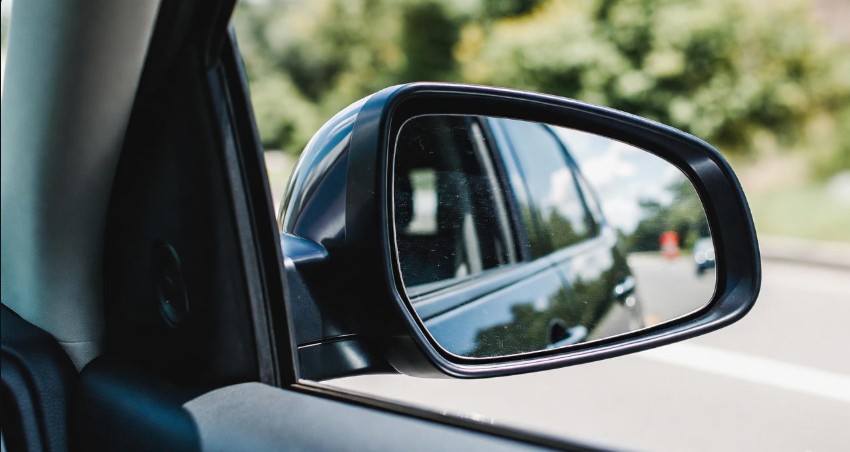
Your car rear view mirror is crucial for safe driving, letting you see hazards behind you. This guide explains how to adjust, use, and maintain it for optimal visibility and safety on U.S. roads.
In This Article
- 1 Key Takeaways
- 2 Understanding Your Car Rear View Mirror System
- 3 How to Adjust Your Car Rear View Mirror: A Step-by-Step Guide
- 4 Adjusting Your Side Mirrors for Maximum Safety
- 5 Understanding and Using Your Mirrors While Driving
- 6 Types of Car Mirrors and Their Features
- 7 Maintaining Your Car Rear View Mirror System
- 8 Legal Requirements for Mirrors in the USA
- 9 Pro Tips
- 10 Troubleshooting Common Mirror Issues
- 11 Key Differences: Car Rear View Mirror vs. Side Mirrors
- 12 Frequently Asked Questions (FAQs)
- 12.1 Q1: How often should I adjust my car rear view mirror?
- 12.2 Q2: What is the best way to avoid blind spots?
- 12.3 Q3: Can I drive with a cracked car rear view mirror?
- 12.4 Q4: How do I know if my side mirrors are adjusted correctly for blind spots?
- 12.5 Q5: Are there any specific mirror laws for larger vehicles like trucks or RVs?
- 12.6 Q6: What causes my car rear view mirror to become loose?
- 12.7 Q7: Is it possible to upgrade my older car’s mirrors to include modern features like blind spot detection?
- 13 Conclusion
Key Takeaways
- Adjust your car rear view mirror correctly before driving.
- Understand each mirror’s purpose: rear view and side mirrors.
- Learn proper techniques for checking mirrors frequently.
- Know how to clean and maintain your mirrors.
- Recognize when a mirror might need replacement.
Navigating the roads safely is paramount for every driver in the USA. You might think you know your car inside and out, but do you truly understand the importance and proper use of your car rear view mirror? It’s one of the most fundamental safety features, yet many drivers overlook its significance or don’t use it effectively. This vital component, along with your side mirrors, provides critical awareness of your surroundings, helping you avoid accidents. We’re here to demystify the car rear view mirror. Let’s dive into how to properly set it up, use it, and keep it in top condition for your peace of mind on every drive.
Understanding Your Car Rear View Mirror System
Your car is equipped with a system of mirrors designed to give you a comprehensive view of your surroundings. The primary mirror is the interior car rear view mirror, typically mounted on the windshield or roof liner. Its main job is to show you what’s directly behind your vehicle. Complementing this are the exterior side mirrors, one on each side of your car, offering a view of the lanes adjacent to you and behind. Together, these mirrors form your eyes in the back and on the sides, essential for safe driving practices across the United States.
Understanding the purpose of each mirror is the first step to using them effectively. Think of them as extensions of your vision. The interior car rear view mirror helps you monitor traffic approaching from behind, judge following distances, and be aware of potential tailgaters. The side mirrors are crucial for checking blind spots before changing lanes, merging, or making turns. Mastering the use of all these mirrors significantly reduces the risk of collisions, a core principle of defensive driving promoted by organizations like the National Highway Traffic Safety Administration (NHTSA).
For drivers new to the U.S., understanding these mirrors is also key to adapting to American driving norms and traffic laws. Each state has regulations regarding mirror requirements, and ensuring yours are properly adjusted and functional is a legal necessity as well as a safety imperative.
How to Adjust Your Car Rear View Mirror: A Step-by-Step Guide
Properly adjusting your interior car rear view mirror is a simple yet critical step before you even start the engine. This process ensures you have the widest and clearest possible view of what’s behind you, maximizing your safety. Follow these steps for optimal adjustment:
-
Position Yourself in the Driver’s Seat
Sit in your usual driving position. Adjust your seat height and position so you are comfortable and have good visibility of the road ahead. Your posture should be relaxed but alert.
-
Locate Your Car Rear View Mirror
The interior car rear view mirror is typically mounted at the top center of your windshield or on the roof console. It’s usually a single mirror.
-
Adjust the Mirror for Optimal Rear View
With your head centered in the normal driving position, tilt and swivel the mirror until you can see as much of the rear window as possible. The goal is to eliminate as much of the car’s interior (like the headrests or roof) from the mirror’s view as possible. You should see the entire width of the road behind you. This adjustment is crucial for a clear view during lane changes and while driving straight.
-
Consider the Day/Night Function
Most interior car rear view mirrors have a small lever or tab at the bottom edge. Flipping this lever changes the mirror’s angle slightly to reduce glare from headlights of cars behind you at night. This is called the “day/night” or “anti-glare” setting. Adjust it so you can easily reach and flip it when needed.
This simple adjustment takes less than a minute but can make a world of difference in your awareness on the road. Don’t underestimate the power of a well-adjusted car rear view mirror!
Adjusting Your Side Mirrors for Maximum Safety
Your side mirrors are just as important as your interior car rear view mirror. They cover the areas that the interior mirror cannot, specifically your blind spots. Proper adjustment of side mirrors is a cornerstone of safe lane changes and merging.
Here’s how to adjust your side mirrors:
-
Start with the Driver’s Side Mirror
Sit in your normal driving position. Lean your head slightly towards the driver’s side window. Adjust this mirror so you can just barely see the side of your car. The edge of your vehicle should be visible, serving as a reference point.
-
Adjust the Passenger’s Side Mirror
Now, lean your head towards the center of the car, so your head is roughly over the center console. Adjust the passenger’s side mirror so you can just barely see the side of your car on that end. This ensures you’re maximizing the view of the adjacent lane and minimizing blind spots.
-
Check the View
After adjusting both side mirrors, your goal is to see a small sliver of your own car in each mirror when sitting in your normal driving position. This allows you to see traffic approaching from behind in your peripheral vision in these mirrors, without significant overlap with your interior car rear view mirror’s view.
This method of side mirror adjustment is widely recommended by driving safety experts. It creates a panoramic view, significantly reducing the danger of not seeing vehicles in your blind spots.
Understanding and Using Your Mirrors While Driving
Properly adjusted mirrors are only effective if you use them correctly. Many accidents happen because drivers fail to check their mirrors regularly or at the right moments. Here’s how to integrate mirror checks into your driving routine:
When and How Often to Check Your Mirrors
Checking your mirrors should become an automatic habit. Here are key times to check:
- Before Braking: Always check your interior car rear view mirror before slowing down or stopping. This alerts you if someone is too close behind you.
- Before Changing Lanes: Before signaling and moving into another lane, check your interior car rear view mirror and the corresponding side mirror. Also, briefly turn your head to check your blind spot directly.
- Before Merging: When merging onto a highway or into traffic, use all mirrors to assess gaps in traffic.
- Before Turning: Check your interior car rear view mirror and side mirrors to ensure no vehicles or cyclists are trying to pass you on the side you intend to turn.
- Periodically on Straight Roads: Even when driving straight, a quick glance at your interior car rear view mirror every 5-10 seconds helps you maintain awareness of traffic conditions behind you.
The “Scan, Signal, Mirror, Maneuver” Technique
This simple acronym is a mnemonic for safe maneuvering:
- Scan: Assess your surroundings, looking ahead, to the sides, and behind you using all your mirrors and direct observation.
- Signal: Indicate your intended action (e.g., changing lanes, turning) well in advance.
- Mirror: Check your interior car rear view mirror and the relevant side mirror to confirm the path is clear.
- Maneuver: Execute your move smoothly and safely.
By consciously practicing this technique, especially when you’re starting out or driving in unfamiliar areas, you build good habits that will serve you for a lifetime. For instance, when exiting a parking space, you’d scan, signal if necessary (though usually not required for exiting a space), check your side mirrors and rear view mirror, and then slowly back out.
For those new to driving in the U.S., understanding the flow of multi-lane traffic is where mirror usage truly shines. The ability to quickly and accurately gauge gaps in traffic using your car rear view mirror and side mirrors is essential for merging smoothly onto highways like the I-95 or navigating busy city streets in places like Los Angeles.
Types of Car Mirrors and Their Features
Beyond the basic function, car mirrors come with various features designed to enhance safety and convenience. Understanding these can help you appreciate the technology in your vehicle.
Interior Car Rear View Mirror Types
- Manual Anti-Glare: The lever-operated mirror described earlier.
- Automatic Dimming: These mirrors have sensors that detect headlight glare and automatically darken the mirror glass to reduce it. They are common in luxury vehicles and many modern cars.
- Frameless Mirrors: A more modern aesthetic, often incorporating automatic dimming and sometimes even digital displays.
Exterior Side Mirror Features
- Manual Adjustment: The most basic type, adjusted from inside the car via levers or cables.
- Power Adjustment: Mirrors can be adjusted using electronic controls inside the cabin.
- Heated Mirrors: Help to clear condensation or ice in cold weather, improving visibility.
- Blind Spot Monitoring: Many modern cars have integrated indicators in the side mirrors that illuminate when a vehicle is detected in your blind spot.
- Turn Signal Indicators: Small LED lights embedded in the mirror housing that flash when you signal.
- Power Folding: Mirrors can be folded in electronically, useful for tight parking situations or car washes.
The evolution of the car rear view mirror and its surrounding system showcases America’s commitment to automotive innovation and safety. From basic reflection to integrated digital systems, these mirrors are smarter and more helpful than ever.
Maintaining Your Car Rear View Mirror System
Keeping your mirrors clean and in good working order is fundamental for safe driving. Dirt, smudges, and damage can significantly impair your vision.
Cleaning Your Mirrors
Regular cleaning is essential. You’ll need:
- A clean microfiber cloth (two are ideal – one for cleaning, one for drying/buffing).
- A good quality glass cleaner. Automotive glass cleaner is best as it’s formulated to cut through road grime without damaging surrounding materials.
Follow these steps:
-
Spray the Cleaner
Lightly spray your glass cleaner onto the microfiber cloth, not directly onto the mirror, especially for the interior mirror. This prevents excess liquid from dripping into sensitive electronics or onto the dashboard.
-
Wipe the Mirror Surface
Gently wipe the mirror with the cleaning cloth in a consistent motion (e.g., side-to-side or up-and-down) to remove dirt and smudges.
-
Buff Dry
Use a second, dry microfiber cloth to buff the mirror surface until it’s streak-free and perfectly clear. Repeat for all mirrors.
Checking for Damage
Periodically inspect your mirrors for cracks, chips, or looseness. A cracked mirror compromises your view and can be a safety hazard. If a mirror is loose, it might be possible to tighten its mounting, but significant damage often requires replacement by a professional.
When to Replace a Mirror
You should consider replacing a mirror under the following circumstances:
- Cracked or Shattered Glass: This is the most obvious reason. A damaged mirror is unsafe.
- Significant Pitting or Discoloration: Over time, mirror surfaces can degrade, causing permanent marks that obstruct vision.
- Loose or Broken Mountings: If a mirror cannot be adjusted or held in place, it needs to be fixed or replaced.
- Malfunctioning Auto-Dimming or Heated Features: If these advanced features stop working, they might need professional repair or replacement of the entire mirror assembly.
Replacing a car rear view mirror can often be a DIY task, but for complex power-folding or auto-dimming mirrors, consulting a mechanic or dealership is advisable. Many auto parts stores in the U.S. offer replacement mirror glass, which can be a more affordable option than replacing the entire unit for minor damage.
Legal Requirements for Mirrors in the USA
Driving in the United States, regardless of the state you’re in, comes with legal obligations regarding your vehicle’s mirrors. Understanding these requirements ensures you remain compliant and safe.
Federal Motor Vehicle Safety Standards (FMVSS) set baseline requirements. Specifically, FMVSS 111 addresses rearview mirrors. It mandates that vehicles must have mirrors providing a specified field of vision.
Generally, U.S. regulations require:
- An interior car rear view mirror.
- At least one exterior side mirror on the driver’s side.
- Most states also require a passenger side mirror or specify the field of vision required from the driver’s side mirror alone, which is difficult to achieve without a passenger side mirror. For example, in California, vehicles are required to have either an interior rear-view mirror and a left-hand side mirror, or an interior rear-view mirror and two side mirrors, or two side mirrors if no interior rear-view mirror is present. This highlights the common practice of having all three mirrors. (Source: California Vehicle Code Section 26708).
It’s always a good idea to check your specific state’s Department of Motor Vehicles (DMV) website for precise regulations. For instance, the New York State DMV states that “all vehicles must be equipped with at least one rear-view mirror and one side-view mirror” and that mirrors must be “in good condition and securely attached.” (Source: NY DMV Vehicle Equipment Requirements).
Failure to comply with these mirror requirements can result in a traffic ticket or fine. Ensuring your car rear view mirror and side mirrors are functional is not just a safety measure; it’s a legal requirement for driving on U.S. roads.
Pro Tips
For nighttime driving, always ensure your interior car rear view mirror is set to the anti-glare (night) position when headlights from vehicles behind you are bright. This significantly reduces fatigue and improves your ability to see the road ahead safely.
Troubleshooting Common Mirror Issues
Even with careful maintenance, you might encounter problems with your car’s mirrors. Here are a few common issues and how to approach them:
Interior Mirror Falling Off
If your interior car rear view mirror has detached from the windshield, it’s usually due to adhesive failure. The mirror is typically attached to a small metal bracket that is glued to the glass.
Solution: You can re-glue the bracket using a specialized automotive mirror adhesive kit, available at auto parts stores. Clean both the bracket and the glass thoroughly before applying the new adhesive. Allow it to cure completely as per the product instructions before reattaching the mirror. If the glass itself is damaged, or if you’re uncomfortable with the repair, visit a professional auto glass shop.
Side Mirror Vibration at Speed
If your side mirrors shake or vibrate excessively while driving at higher speeds, it can be distracting and make it difficult to see.
Solution: This can be caused by loose mounting screws, worn-out seals, or sometimes even aerodynamic issues. Check if the mirror housing is loose and try tightening any accessible screws. If the vibration persists, especially with power-adjustable mirrors, the internal mechanism or housing might be faulty, requiring professional attention.
Side Mirror Glass Replacement
If only the glass of your side mirror is broken, you might be able to replace just the glass rather than the entire assembly.
Solution: Many auto parts stores sell replacement mirror glass kits for specific vehicle makes and models. These kits often come with an adhesive backing. Carefully remove any remaining pieces of the old glass, clean the mirror backing thoroughly, and then carefully apply the new mirror glass according to the kit’s instructions.
Power Mirror Controls Not Working
If your power-adjustable side mirrors or auto-dimming interior mirror aren’t functioning, the issue could be electrical.
Solution: First, check the relevant fuse in your car’s fuse box. If the fuse is intact, the problem might be with the switch, the wiring, or the motor within the mirror assembly itself. Diagnosing electrical issues can be complex, so if you’re not mechanically inclined, it’s best to consult a qualified mechanic or an automotive electronics specialist.
Key Differences: Car Rear View Mirror vs. Side Mirrors
While all are mirrors, their placement and primary function differ significantly, impacting how you use them.
| Feature | Interior Car Rear View Mirror | Exterior Side Mirrors |
| Location | Inside the vehicle, mounted on windshield or roof. | Outside the vehicle, mounted on doors or fenders. |
| Primary View | Directly behind the vehicle through the rear window. | Adjacent lanes and areas to the sides and rear of the vehicle, covering blind spots. |
| Field of Vision | Narrower, focused on the direct path behind. | Wider, designed to capture peripheral vision and adjacent areas. |
| Purpose | Monitoring traffic behind, judging following distances, observing tailgaters. | Checking blind spots, observing traffic in adjacent lanes, aiding in lane changes and merging. |
| Common Features | Day/night adjustment, auto-dimming, compass, compass/temp display. | Power adjustment, heating, blind spot indicators, turn signals, power folding. |
| Visibility Issues | Headlight glare at night, obstructed view due to passengers or cargo. | Dirt, rain, snow, ice, limited view of immediate sides of car. |
Understanding these distinctions helps reinforce why you check both your interior car rear view mirror and your side mirrors before making any maneuver. They work in tandem to provide a complete picture.
Frequently Asked Questions (FAQs)
Q1: How often should I adjust my car rear view mirror?
You should adjust your interior car rear view mirror every time you drive a different vehicle or if your seating position has changed in your own vehicle. It’s a quick adjustment that ensures optimal visibility.
Q2: What is the best way to avoid blind spots?
The best way is a combination of adjusting your side mirrors correctly (so you see just a sliver of your car) and physically turning your head slightly to look over your shoulder before changing lanes or merging. This is often called the “head check.” Advanced blind spot monitoring systems on newer cars also provide an extra layer of safety.
Q3: Can I drive with a cracked car rear view mirror?
While it might be legally permissible in some areas if the crack doesn’t significantly obstruct your view, it’s highly discouraged for safety reasons. A cracked mirror can create distorted views and reduce its effectiveness. It’s best to get it repaired or replaced promptly.
Q4: How do I know if my side mirrors are adjusted correctly for blind spots?
When sitting in your normal driving position, you should see only a tiny sliver of the side of your car in the outer edge of your side mirrors. If you see a large portion of your car, you have a blind spot. If you see no part of your car, you’re likely seeing too much of the adjacent lane, and your interior car rear view mirror might be covering areas the side mirror should. The goal is for the view to transition smoothly from your interior mirror to your side mirrors.
Q5: Are there any specific mirror laws for larger vehicles like trucks or RVs?
Yes, larger vehicles often have additional mirror requirements or need specialized mirror setups to compensate for their size and reduced visibility. For example, many trucks use multiple mirrors to cover a wider field of vision. Regulations for commercial vehicles can be more stringent.
Q6: What causes my car rear view mirror to become loose?
Over time, the adhesive that holds the mirror bracket to the windshield can weaken due to temperature fluctuations, vibrations, or impacts. The mounting mechanism itself can also wear out.
Q7: Is it possible to upgrade my older car’s mirrors to include modern features like blind spot detection?
While some basic features like heated mirrors or power adjustments can sometimes be retrofitted by professionals, advanced systems like blind spot detection often rely on integrated sensors in the vehicle’s body and complex computer systems. Retrofitting these can be very expensive and complicated, often making it more practical to consider a newer vehicle equipped with these advanced safety features.
Conclusion
Your car rear view mirror and its exterior counterparts are more than just reflective surfaces; they are vital safety components that empower you with crucial awareness of your surroundings. By understanding how to properly adjust and use each mirror, you significantly enhance your ability to drive safely and defensively. Regular maintenance, including cleaning and checking for damage, ensures these critical tools are always at their best. Adhering to legal requirements for mirrors is not only about avoiding fines but also about fulfilling your responsibility as a safe driver on U.S. roads. Make it a habit to check your mirrors regularly, and you’ll be a more confident and secure driver, no matter where your journey takes you.