Car Not Starting in Cold Weather

Contents
- 1 Key Takeaways
- 2 📑 Table of Contents
- 3 Why Does Your Car Not Start in Cold Weather?
- 4 The #1 Culprit: Your Car Battery
- 5 Thickened Engine Oil: The Silent Starter Killer
- 6 Fuel System Issues in the Cold
- 7 Starter Motor and Ignition System Problems
- 8 Prevention: How to Avoid Cold-Weather No-Starts
- 9 When to Call a Professional
- 10 Conclusion
- 11 Frequently Asked Questions


When your car won’t start in cold weather, it’s often due to a weak battery, thickened oil, or fuel system issues. Understanding these problems and preparing your vehicle for winter can save you time, stress, and costly repairs.
Key Takeaways
- Battery performance drops in cold weather: Cold temperatures reduce a battery’s ability to deliver power, making it the #1 cause of winter no-starts.
- Engine oil thickens in the cold: Thick oil makes it harder for the engine to turn over, especially in older or improperly weighted oils.
- Fuel lines can freeze or vapor lock: Moisture in fuel systems may freeze, blocking fuel flow and preventing ignition.
- Glow plugs and block heaters matter for diesels: Diesel engines rely on glow plugs or block heaters to warm the combustion chamber in cold conditions.
- Regular maintenance prevents cold-weather issues: Simple steps like checking battery health, using winter-grade oil, and keeping your gas tank full can make a big difference.
- Jump-starting isn’t always the answer: If the battery isn’t the issue, jump-starting won’t help—diagnose the real problem first.
- Pre-warming your car helps: Using a block heater or remote starter gives your engine a head start on cold mornings.
📑 Table of Contents
Why Does Your Car Not Start in Cold Weather?
You wake up early on a frosty winter morning, bundled up and ready to head to work. You press the key fob, walk out to your car, turn the key—and nothing. Not even a click. Or maybe it cranks slowly, groans, and then dies. Sound familiar? If your car is not starting in cold weather, you’re not alone. This is one of the most common automotive complaints during winter months, and it’s usually preventable.
Cold weather affects nearly every component involved in starting your car. From the battery to the fuel system, low temperatures create a perfect storm of challenges. The good news? Most of these issues can be avoided with a little preparation and understanding. In this guide, we’ll walk you through the most common reasons your car won’t start when it’s cold, how to diagnose the problem, and what you can do to prevent it from happening again.
Whether you drive a compact sedan, a rugged SUV, or a diesel pickup, cold weather can be tough on your vehicle. But with the right knowledge and a few proactive steps, you can keep your car reliable all winter long.
The #1 Culprit: Your Car Battery
When your car is not starting in cold weather, the battery is often the first suspect—and for good reason. Cold temperatures significantly reduce a battery’s ability to produce electrical power. In fact, a fully charged battery can lose up to 35% of its cranking power at 32°F (0°C), and that number jumps to over 60% at 0°F (-18°C). That’s why a battery that works fine in summer might fail completely in winter.
How Cold Weather Affects Battery Performance
Car batteries rely on a chemical reaction between lead plates and sulfuric acid to generate electricity. When temperatures drop, this reaction slows down dramatically. The colder it gets, the slower the electrons move, and the less current the battery can deliver. This means your starter motor—the component that physically turns the engine over—doesn’t get the jolt it needs to fire up the engine.
Additionally, cold weather increases the internal resistance of the battery. Think of it like trying to suck thick syrup through a straw—it’s much harder. The same principle applies: the battery struggles to push power through its internal components, resulting in weak or no cranking.
Signs Your Battery Is Failing in the Cold
So how do you know if your battery is the problem? Look for these telltale signs:
– The engine cranks slowly or weakly when you turn the key.
– The dashboard lights dim or flicker when attempting to start.
– You hear a rapid clicking sound—this usually means the battery doesn’t have enough power to engage the starter.
– The car starts fine after being jump-started but dies again the next morning.
If you notice any of these symptoms, it’s time to test your battery. Most auto parts stores offer free battery testing, or you can use a multimeter to check the voltage. A healthy battery should read around 12.6 volts when the car is off and 13.7 to 14.7 volts when the engine is running.
Tips to Protect Your Battery in Winter
Here’s how to keep your battery in top shape during cold months:
– **Get it tested before winter hits.** Don’t wait for a no-start situation. Have your battery and charging system checked in the fall.
– **Keep it charged.** Short trips don’t give your alternator enough time to recharge the battery. If you only drive a few miles at a time, consider using a battery maintainer or trickle charger.
– **Clean the terminals.** Corrosion on battery terminals can block electrical flow. Use a wire brush and baking soda solution to clean them.
– **Park in a garage.** Even an unheated garage is warmer than outside and can help preserve battery life.
– **Replace old batteries.** Most car batteries last 3–5 years. If yours is older, don’t wait for it to fail—replace it proactively.
Thickened Engine Oil: The Silent Starter Killer
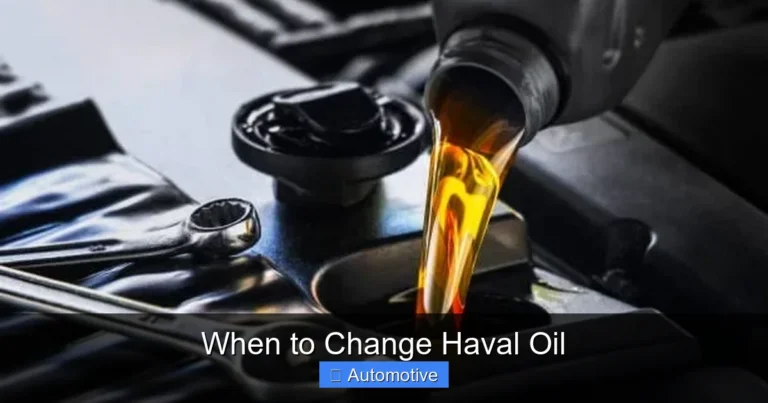
Another major reason your car may not start in cold weather is thickened engine oil. When temperatures drop, motor oil becomes more viscous—essentially, it gets thicker. This makes it harder for the oil to flow through the engine, especially during startup.
Why Oil Thickness Matters
Your engine relies on oil to lubricate moving parts and reduce friction. When you turn the key, the starter motor has to spin the crankshaft, which is surrounded by oil. If the oil is too thick, it creates more resistance, making it harder for the engine to turn over. In extreme cases, the starter simply can’t overcome the drag, and the engine won’t start.
This problem is especially common in older vehicles or those using the wrong oil viscosity. For example, using 10W-30 oil in a car that calls for 5W-30 in winter can make a big difference. The “W” in oil ratings stands for “winter,” and the first number (like 5W or 10W) indicates how well the oil flows in cold temperatures. The lower the number, the better it performs in the cold.
Choosing the Right Winter Oil
Check your owner’s manual for the manufacturer’s recommended oil viscosity. Most modern cars are designed to run on multi-grade oils like 5W-30 or 0W-20, which flow well in cold weather. If you live in an area with harsh winters, consider switching to a thinner winter oil or using a synthetic blend, which maintains better flow at low temperatures.
For example, a 0W-20 oil can flow at temperatures as low as -40°F (-40°C), making it ideal for extremely cold climates. Synthetic oils also resist thickening better than conventional oils, so they’re a smart choice for winter driving.
What to Do If Your Oil Is Too Thick
If you suspect your oil is too thick, here’s what you can do:
– **Switch to a winter-grade oil.** If it’s not too late, have your oil changed to a lower-viscosity oil before winter.
– **Use an oil pan heater.** These small devices attach to the oil pan and warm the oil overnight, making it easier to start in the morning.
– **Park in a warmer spot.** Even a few degrees can help. A garage, even unheated, is better than a driveway.
Fuel System Issues in the Cold
Your car’s fuel system can also be a culprit when your car is not starting in cold weather. Gasoline doesn’t freeze at typical winter temperatures (it freezes around -40°F), but moisture in the fuel system can. Water can condense in your gas tank, especially if it’s not full, and when temperatures drop, that water can freeze in the fuel lines or injectors, blocking fuel flow.
Water in the Fuel System
Water gets into your fuel system in a few ways:
– Condensation forms inside the gas tank when the temperature drops at night.
– Humid air enters the tank through the vent when fuel is consumed.
– Contaminated fuel from gas stations.
When water freezes, it can block fuel lines, clog fuel filters, or prevent fuel injectors from spraying properly. This means your engine isn’t getting the fuel it needs to start.
How to Prevent Fuel System Freezing
Here are some practical tips:
– **Keep your gas tank at least half full.** This reduces the amount of air (and moisture) in the tank, minimizing condensation.
– **Use a fuel additive.** Products like HEET or ISO-HEET contain methanol or isopropyl alcohol, which absorb water and prevent it from freezing. Add it to your tank regularly during winter.
– **Install a fuel filter with a water separator.** Especially important for diesel vehicles, but some gas cars can benefit too.
Diesel-Specific Cold Weather Problems
Diesel engines face additional challenges in the cold. Diesel fuel can gel when temperatures drop below 32°F (0°C), especially if it contains high levels of paraffin wax. Gelled fuel won’t flow through the fuel lines, making it impossible to start the engine.
To prevent this:
– Use winter-blend diesel fuel, which is formulated to resist gelling.
– Install a fuel heater or use a block heater.
– Add anti-gel additives to your fuel.
Glow plugs are also critical for diesel engines. These small heating elements warm the combustion chamber so the fuel can ignite. If a glow plug fails, the engine may crank but not start. If your diesel won’t start in the cold, check the glow plugs and glow plug relay.
Starter Motor and Ignition System Problems
Sometimes, the issue isn’t the battery or fuel—it’s the starter motor or ignition system. Cold weather can exacerbate existing problems in these components, making them fail when you need them most.
Starter Motor Struggles in the Cold
The starter motor is responsible for turning the engine over when you turn the key. In cold weather, it has to work harder due to thick oil and reduced battery power. If the starter is already worn, it may not have enough strength to crank the engine.
Signs of a failing starter include:
– A single loud click when you turn the key (but no cranking).
– Intermittent starting—works sometimes, doesn’t others.
– Grinding or whining noises during startup.
If your starter is the issue, it will likely need to be replaced. This is a job best left to a professional mechanic.
Ignition System Components
The ignition system includes spark plugs, ignition coils, and the distributor (in older cars). Cold weather can make these components less efficient:
– **Spark plugs** may not fire properly if they’re worn or fouled.
– **Ignition coils** can fail in extreme cold, especially if they’re old.
– **Wires and connections** may contract and lose contact.
If your car cranks but doesn’t start, the ignition system could be the culprit. A mechanic can perform a spark test to check if the plugs are firing.
Prevention: How to Avoid Cold-Weather No-Starts
The best way to deal with a car that won’t start in cold weather is to prevent it from happening in the first place. A little preparation in the fall can save you a lot of frustration in January.
Winter Car Maintenance Checklist
Here’s a simple checklist to get your car ready for winter:
– **Test your battery and charging system.** Replace if it’s more than 3–5 years old.
– **Change to winter-grade oil.** Use the manufacturer’s recommended viscosity.
– **Check antifreeze levels.** Make sure your coolant is rated for your climate (e.g., -34°F or lower).
– **Inspect belts and hoses.** Cold weather can make rubber brittle and prone to cracking.
– **Top off fluids.** This includes windshield washer fluid (use winter formula), brake fluid, and power steering fluid.
– **Keep your gas tank full.** Prevents condensation and ensures you don’t run out in bad weather.
– **Install winter tires.** Better traction means safer driving and less strain on your engine.
Use a Block Heater or Remote Starter
If you live in a very cold climate, consider investing in a block heater. These devices plug into an electrical outlet and warm the engine block and oil overnight, making cold starts much easier. They’re especially helpful for older cars or diesels.
Remote starters are another great option. They allow you to start your car from inside your home, giving the engine time to warm up before you drive. Just be sure to use them safely—never leave your car running unattended in an enclosed space.
Keep an Emergency Kit in Your Car
Even with the best preparation, things can go wrong. Keep an emergency kit in your car with:
– Jumper cables or a portable jump starter
– Ice scraper and snow brush
– Blanket and warm clothing
– Flashlight and extra batteries
– Non-perishable snacks and water
– Shovel and sand or kitty litter for traction
When to Call a Professional
Sometimes, despite your best efforts, your car still won’t start. If you’ve tried jump-starting, checked the battery, and ensured the fuel system is clear, it’s time to call a mechanic. Persistent no-starts could indicate a deeper issue like a faulty alternator, fuel pump, or engine sensor.
Don’t keep trying to start the car repeatedly—this can drain the battery further or damage the starter. Instead, have your vehicle towed to a repair shop for a proper diagnosis.
Conclusion
A car not starting in cold weather is frustrating, but it’s rarely a mystery. Most no-starts are caused by predictable issues like a weak battery, thick oil, or fuel system problems—all of which can be prevented with proper maintenance and preparation.
By understanding how cold weather affects your vehicle and taking proactive steps, you can keep your car reliable all winter long. Test your battery, use the right oil, keep your gas tank full, and consider tools like block heaters or remote starters. With these tips, you’ll spend less time stranded in the cold and more time enjoying the season.
Remember: winter car care isn’t just about comfort—it’s about safety. A well-maintained vehicle is less likely to leave you stranded in dangerous conditions. So before the next cold snap hits, give your car the attention it deserves. Your future self will thank you.
Frequently Asked Questions
Why won’t my car start when it’s cold but starts fine in warm weather?
This is typically due to a weak battery or thick engine oil. Cold temperatures reduce battery power and slow oil flow, making it harder for the engine to turn over. Have your battery tested and consider switching to winter-grade oil.
Can I use regular gas in cold weather?
Yes, but keep your tank at least half full to prevent condensation. You can also use a fuel additive to absorb moisture and prevent freezing in the fuel lines.
How long should I let my car warm up in winter?
Modern cars don’t need long warm-up times. 30 seconds to a minute is enough. Excessive idling wastes fuel and can damage the engine. Drive gently until the engine reaches normal operating temperature.
Is it safe to jump-start a car in the cold?
Yes, but take precautions. Turn off both cars, connect the cables properly (red to positive, black to negative or ground), and let the donor car run for a few minutes before attempting to start. Avoid sparks near the battery.
Do I need a block heater if I live in a mild climate?
Probably not. Block heaters are most useful in areas where temperatures regularly drop below 20°F (-7°C). If you only see occasional cold snaps, a battery maintainer or remote starter may be sufficient.
Can cold weather damage my car permanently?
Repeated cold-weather no-starts can strain the battery, starter, and engine. However, with proper maintenance, your car can handle winter conditions without long-term damage. Regular care is key.