Car Not Starting but Battery Is Fine: What to Check

Contents
- 1 Key Takeaways
- 2 📑 Table of Contents
- 3 1. The Starter Motor: The Most Common Culprit
- 4 2. Ignition Switch Problems: When the Key Doesn’t Work
- 5 3. Fuel System Failures: No Gas, No Go
- 6 4. Spark Plugs and Ignition Coils: The Fire That Starts the Engine
- 7 5. Timing Belt or Chain Failure: The Hidden Engine Killer
- 8 6. Security System and Immobilizer Glitches
- 9 Conclusion: Stay Calm and Check Systematically
- 10 Frequently Asked Questions

Car Floor Mats (Universal)

Portable Air Pump

Car Tool Kit Set

Anti Rust Spray
If your car won’t start but the battery is fine, the issue likely lies elsewhere—like the starter, fuel system, or ignition switch. This guide walks you through the most common culprits and how to troubleshoot them safely at home.
You turn the key, hear a faint click—or maybe nothing at all—but your dashboard lights up bright and clear. The battery? It’s fine. So why won’t your car start?
This frustrating scenario is more common than you think. A healthy battery means you’ve ruled out one major culprit, but that doesn’t mean the problem is simple. Modern cars rely on a complex web of electrical, mechanical, and computerized systems working in harmony. When one piece fails, the whole chain breaks—even if the battery is delivering full power.
The good news? Many of these issues can be diagnosed (and sometimes fixed) without a trip to the mechanic. Whether you’re stranded in a parking lot or just want to avoid future surprises, understanding what to check when your car won’t start—despite a good battery—can save you time, money, and stress. In this guide, we’ll walk through the most likely causes, how to spot them, and what you can do about it.
Key Takeaways
- Check the starter motor: A clicking sound without engine turnover often points to a faulty starter or solenoid.
- Inspect the ignition switch: If dashboard lights don’t come on or the key feels loose, the ignition switch may be worn out.
- Test the fuel system: Listen for the fuel pump humming when you turn the key—if silent, you may have a bad pump or clogged filter.
- Examine spark plugs and ignition coils: Worn spark plugs or failing coils prevent combustion even with a healthy battery.
- Look at the timing belt: A broken or slipped timing belt can stop the engine from cranking altogether.
- Verify security system issues: Anti-theft systems can disable starting—check for flashing security lights on the dash.
- Don’t ignore fuses and relays: Blown fuses or faulty relays in the starting circuit can mimic a dead battery.
📑 Table of Contents
- 1. The Starter Motor: The Most Common Culprit
- 2. Ignition Switch Problems: When the Key Doesn’t Work
- 3. Fuel System Failures: No Gas, No Go
- 4. Spark Plugs and Ignition Coils: The Fire That Starts the Engine
- 5. Timing Belt or Chain Failure: The Hidden Engine Killer
- 6. Security System and Immobilizer Glitches
- Conclusion: Stay Calm and Check Systematically
1. The Starter Motor: The Most Common Culprit
When your car won’t start but the battery is fine, the starter motor is often the first place to look. The starter is a small electric motor that physically turns the engine over when you turn the key. Without it, even a fully charged battery can’t get your engine running.
Signs of a Failing Starter
One of the most telling signs is a single, loud click when you turn the key—followed by silence. This usually means the starter solenoid is engaging, but the motor itself isn’t spinning. You might also hear a grinding noise, which could indicate worn gears inside the starter or a problem with the flywheel (the large gear on the engine that the starter engages).
Another clue: if the engine cranks slowly or not at all, but all your electronics (lights, radio, dash) work normally, the battery is likely fine—but the starter isn’t getting enough power to do its job.
How to Test the Starter
Testing the starter isn’t always easy without tools, but here’s a simple trick: have someone turn the key while you listen near the engine. If you hear a click but no cranking, the starter is probably the issue. You can also tap the starter gently with a hammer (while someone tries to start the car)—if it starts after the tap, the starter brushes or internal components are likely worn.
For a more accurate diagnosis, use a multimeter to check voltage at the starter terminal when the key is turned. If full battery voltage is present but the starter doesn’t spin, it’s time for a replacement.
DIY Fix or Call a Pro?
Replacing a starter is doable for experienced DIYers, but it often requires lifting the car and removing other components. If you’re not comfortable working under the vehicle, it’s best to leave this one to a professional. Starters typically last 100,000 to 150,000 miles, so if your car is older or high-mileage, this could be the end of its lifespan.
2. Ignition Switch Problems: When the Key Doesn’t Work

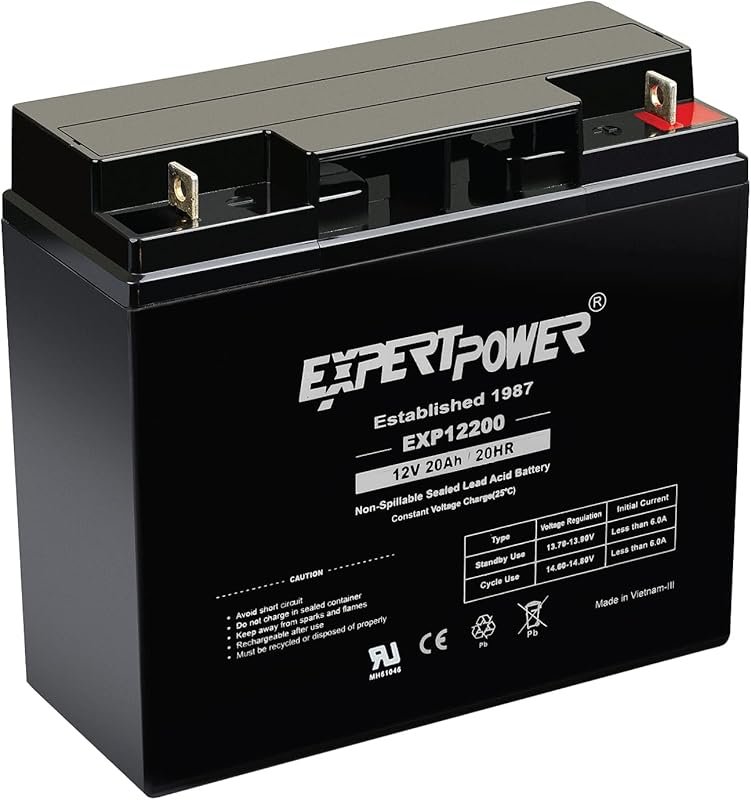
Visual guide about Car Not Starting but Battery Is Fine: What to Check
Image source: i.pinimg.com
The ignition switch is the gateway between your key and the car’s electrical system. When you turn the key, it sends power to the starter, fuel pump, and other critical components. If it’s faulty, your car won’t start—even with a perfect battery.
Symptoms of a Bad Ignition Switch
One of the clearest signs is when the dashboard lights flicker or don’t come on at all when you turn the key. You might also notice that accessories like the radio or power windows work when the key is in the “on” position, but the engine won’t crank.
Another red flag: the key feels loose or wobbly in the ignition. Over time, the internal contacts wear out, causing intermittent connections. In some cases, the car may start one day and not the next—making it seem random.
Testing the Ignition Switch
To test the ignition switch, you’ll need a multimeter and some basic knowledge of your car’s wiring. Start by checking for power at the starter relay when the key is turned to the “start” position. If there’s no power, the ignition switch may not be sending the signal.
You can also inspect the switch itself. On many cars, the ignition switch is separate from the key cylinder and located underneath the steering column. Look for burnt contacts, loose wires, or signs of overheating.
Replacement Tips
Replacing an ignition switch varies by make and model. Some are easy to access; others require removing the steering column cover. Always disconnect the battery before working on electrical components. If you’re unsure, consult a repair manual or seek professional help—messing with the ignition system can trigger airbag warnings or immobilizer issues.
3. Fuel System Failures: No Gas, No Go
Visual guide about Car Not Starting but Battery Is Fine: What to Check
Image source: i.etsystatic.com
Even with a strong battery and working starter, your engine needs fuel to run. If the fuel system isn’t delivering gasoline (or diesel) to the engine, it won’t start—no matter how many times you turn the key.
The Fuel Pump: Heart of the System
The fuel pump sits inside the gas tank and sends pressurized fuel to the engine. When you turn the key to “on” (before starting), you should hear a brief hum from the rear of the car—that’s the pump priming. If you don’t hear it, the pump may be dead.
A failing fuel pump often gives warning signs: sputtering at high speeds, loss of power under load, or difficulty starting when the engine is hot. But sometimes, it just quits without notice.
Fuel Filter and Injectors
A clogged fuel filter restricts fuel flow, making it hard for the engine to start. Most manufacturers recommend replacing the filter every 30,000 to 60,000 miles. If yours is overdue, it could be the culprit.
Fuel injectors can also get clogged with dirt or varnish, especially if you use low-quality gas. This leads to poor spray patterns and weak combustion. While less likely to prevent starting entirely, dirty injectors can make cold starts difficult.
How to Diagnose Fuel Issues
Start by listening for the fuel pump. Have someone turn the key to “on” while you listen near the gas tank. No sound? Check the fuel pump fuse and relay first—these are easy fixes. If they’re good, the pump itself may need replacement.
You can also use a fuel pressure gauge (available at auto parts stores) to test pressure at the fuel rail. Compare the reading to your vehicle’s specifications. Low pressure confirms a pump or regulator issue.
Quick Fixes and Prevention
If the fuel pump is the problem, replacement is usually required. It’s a job best left to professionals unless you’re experienced—gasoline is flammable, and the tank must be removed on many vehicles.
To prevent future issues, use quality fuel, replace the filter on schedule, and consider adding a fuel system cleaner every few thousand miles.
4. Spark Plugs and Ignition Coils: The Fire That Starts the Engine
Visual guide about Car Not Starting but Battery Is Fine: What to Check
Image source: dpzone.in
Your engine needs three things to run: air, fuel, and spark. Even with perfect air and fuel delivery, no spark means no combustion—and no start.
Role of Spark Plugs
Spark plugs ignite the air-fuel mixture in the cylinders. Over time, they wear out, become fouled, or develop gaps that are too wide. A bad spark plug might still allow the engine to run poorly, but a completely failed one can prevent starting.
Signs of worn spark plugs include rough idling, poor acceleration, and increased fuel consumption. But in some cases, they fail silently.
Ignition Coils and Modules
In modern cars, ignition coils (or coil packs) generate the high voltage needed for the spark plugs. If a coil fails, one or more cylinders won’t fire. Some cars have one coil per cylinder; others use a distributorless system with shared coils.
A failing coil often causes misfires, but if multiple coils fail or the primary coil goes out, the engine may not start at all.
Testing for Spark
To check for spark, remove a spark plug, reattach it to the coil or wire, and ground the metal tip against the engine block. Have someone crank the engine while you watch for a bright blue spark. No spark? The plug, wire, or coil is likely bad.
You can also use an inline spark tester for a safer, more accurate reading.
Replacement and Maintenance
Spark plugs should be replaced every 30,000 to 100,000 miles, depending on the type (copper, platinum, or iridium). Ignition coils typically last longer but can fail due to heat or moisture.
Always replace spark plugs in sets—even if only one is bad—to ensure even performance. Use a torque wrench to avoid over-tightening, which can damage the threads.
5. Timing Belt or Chain Failure: The Hidden Engine Killer
The timing belt (or chain) synchronizes the crankshaft and camshaft, ensuring valves open and close at the right time. If it breaks or slips, the engine can’t run—and in interference engines, it can cause catastrophic damage.
How to Spot Timing Issues
A broken timing belt often results in a complete lack of engine cranking. You might hear the starter spin freely, but the engine itself doesn’t turn over. In some cases, the car may crank but not start, with no compression.
Timing belts usually give warning signs: ticking noises from the engine, oil leaks near the cover, or a check engine light with timing-related codes.
Inspection and Replacement
Timing belts are hidden behind covers and require partial engine disassembly to inspect. Most manufacturers recommend replacement every 60,000 to 100,000 miles. If your car is near that range and hasn’t been serviced, this could be the issue.
Never ignore a worn timing belt—replacing it is far cheaper than repairing engine damage from a break.
Chain vs. Belt
Timing chains are more durable and often last the life of the engine, but they can still stretch or fail. If your car has a chain and won’t start, listen for rattling noises during cranking—a sign of slack or guide failure.
6. Security System and Immobilizer Glitches
Modern cars come equipped with anti-theft systems that can prevent starting if they detect a problem. The immobilizer system reads a chip in your key and disables the engine if it doesn’t recognize it.
Symptoms of Immobilizer Issues
Look for a flashing security light on the dashboard when you try to start the car. The engine may crank but not fire, or it may not crank at all. Some systems will allow cranking but cut fuel or spark after a few seconds.
Using the wrong key, a damaged key chip, or a faulty antenna ring around the ignition can trigger this.
Resetting the System
Try using a spare key—if it starts, the original key’s chip may be damaged. You can also try resetting the system by turning the key to “on” for 10–15 minutes, then attempting to start. Some cars have a manual override procedure in the owner’s manual.
If the problem persists, a mechanic with diagnostic tools may need to reprogram the system or replace the key.
Fuses and Relays: The Overlooked Heroes
Don’t forget the basics: fuses and relays. A blown fuse in the starting circuit or a faulty starter relay can prevent the engine from cranking—even with a good battery.
Check your owner’s manual for the fuse box layout. Look for the starter relay and related fuses. Swap the starter relay with a similar one (like the horn relay) to test. If the car starts, you’ve found the issue.
Conclusion: Stay Calm and Check Systematically
When your car won’t start but the battery is fine, it’s easy to panic. But by methodically checking the starter, ignition switch, fuel system, spark components, timing belt, and security system, you can often pinpoint the problem without a tow truck.
Start with the simplest checks—fuses, relays, and listening for the fuel pump—before moving to more complex diagnostics. Keep basic tools in your car: a multimeter, spare fuses, and a flashlight. And remember: if you’re ever unsure, it’s okay to call a professional. Your safety and your car’s health are worth it.
With this knowledge, you’re better prepared to handle the next no-start situation—and maybe even fix it yourself.
Frequently Asked Questions
Why won’t my car start if the battery is good?
Even with a healthy battery, issues like a faulty starter, bad ignition switch, or fuel pump failure can prevent your car from starting. The battery provides power, but other components must work to complete the starting process.
What does a bad starter sound like?
A failing starter often makes a single loud click when you turn the key, but the engine doesn’t crank. You might also hear grinding or whirring noises, indicating internal wear or gear damage.
How can I tell if my fuel pump is bad?
Listen for a brief humming sound from the rear of the car when you turn the key to “on.” If you don’t hear it, the fuel pump may be dead. You can also test fuel pressure with a gauge.
Can a bad ignition switch prevent starting?
Yes. If the ignition switch fails, it won’t send power to the starter or fuel system. Symptoms include no dashboard lights, intermittent starting, or a loose-feeling key.
Will a car start with a broken timing belt?
No. A broken or slipped timing belt stops the engine from turning over or prevents combustion. In interference engines, it can cause severe internal damage.
How do I reset my car’s anti-theft system?
Try using a spare key or turning the key to “on” for 10–15 minutes to reset the immobilizer. Consult your owner’s manual for specific procedures. If that fails, a mechanic may need to reprogram the system.