Car Glass Replacement: Everything You Need to Know

Contents
- 1 Key Takeaways
- 2 📑 Table of Contents
- 3 Why Car Glass Replacement Matters More Than You Think
- 4 When Should You Replace Your Car Glass?
- 5 Types of Car Glass and What to Choose
- 6 The Car Glass Replacement Process: Step by Step
- 7 Cost of Car Glass Replacement: What to Expect
- 8 How to Choose a Reliable Glass Replacement Service
- 9 Caring for Your New Car Glass
- 10 Conclusion
- 11 Frequently Asked Questions



Car glass replacement is essential for safety, visibility, and vehicle integrity. Whether it’s a cracked windshield or shattered side window, knowing when and how to replace it can save you time, money, and stress.
Key Takeaways
- Your windshield is structural: It supports the roof and helps airbags deploy correctly—don’t ignore damage.
- Not all cracks can be repaired: Large, deep, or in-the-driver’s-line cracks usually require full car glass replacement.
- Use OEM or high-quality aftermarket glass: Cheap glass may not meet safety standards or fit properly.
- Professional installation is critical: Improper sealing can lead to leaks, wind noise, or even glass detachment.
- Insurance often covers replacement: Many policies include glass coverage with no deductible.
- Replacement takes 1–3 hours: But you must wait before driving to allow adhesives to cure.
- Modern windshields have advanced tech: Sensors, cameras, and heating elements may need recalibration after replacement.
📑 Table of Contents
- Why Car Glass Replacement Matters More Than You Think
- When Should You Replace Your Car Glass?
- Types of Car Glass and What to Choose
- The Car Glass Replacement Process: Step by Step
- Cost of Car Glass Replacement: What to Expect
- How to Choose a Reliable Glass Replacement Service
- Caring for Your New Car Glass
- Conclusion
Why Car Glass Replacement Matters More Than You Think
Your car’s glass isn’t just for seeing out of—it’s a vital part of your vehicle’s safety system. Think of your windshield as more than a piece of curved glass; it’s a structural component that helps keep the roof from collapsing in a rollover. It also plays a key role in airbag deployment. When the passenger-side airbag inflates, it pushes against the windshield to stay in place. If that glass is compromised, the airbag might not function as designed.
Then there’s visibility. A cracked or chipped windshield can distort your view, especially at night or in bright sunlight. Even small damage can scatter light, creating glare that makes driving dangerous. And let’s not forget about the elements. A damaged window or windshield can let in rain, dirt, and wind, leading to interior damage and discomfort.
Many drivers assume they can just “live with” a small crack or chip. But here’s the truth: most damage spreads. Temperature changes, road vibrations, and even washing your car can cause a tiny chip to turn into a long crack overnight. Once that happens, your only option is full car glass replacement. Catching it early can sometimes mean a simple repair, but once the damage is too big, replacement is the safest—and often the most cost-effective—choice.
When Should You Replace Your Car Glass?

Visual guide about Car Glass Replacement: Everything You Need to Know
Image source: cdn.pixabay.com
Not every chip or crack means you need a new windshield. But knowing when to repair and when to replace is crucial. Let’s break it down.
Size and Location Matter
Most auto glass professionals follow a simple rule: if the damage is smaller than a quarter and not in the driver’s line of sight, it might be repairable. But if the chip is larger than that, or if it’s a long crack (usually over 6 inches), replacement is usually needed. Cracks that extend to the edge of the glass are especially risky because they weaken the entire structure.
Location is just as important. Damage in the driver’s direct line of vision—even if it’s small—can be distracting and dangerous. Most states consider this a safety violation, and you could get a ticket. Also, if the damage is within the wiper’s sweep area, it can interfere with cleaning and visibility during rain.
Types of Damage That Require Replacement
There are several common types of glass damage:
– **Bullseye chip:** A circular crack with a dark center, often caused by a rock. If it’s deep or large, replacement may be needed.
– **Star break:** A series of small cracks radiating from a point. These can spread quickly.
– **Combination break:** A mix of chips and cracks. These are usually too complex to repair.
– **Edge crack:** Starts at the edge of the glass and grows inward. These almost always require replacement because they compromise structural integrity.
– **Fracture cracks:** Long, jagged cracks that can appear suddenly due to stress or impact.
If you see any of these, especially near the edges or in your line of sight, it’s time to call a professional.
When Repair Isn’t Enough
Repair is great for small, isolated damage. But it has limits. You can’t repair damage that’s too deep (through both layers of glass), too close to the edge, or in a critical sensor zone. Also, if your windshield has already been repaired before, a second repair might not hold. In those cases, car glass replacement is the only safe option.
And don’t forget about side and rear windows. While they don’t play the same structural role as the windshield, a broken side window can expose you to theft, weather, and noise. Rear windows with defrosters or antennas may also have electrical components that need careful handling during replacement.
Types of Car Glass and What to Choose
Visual guide about Car Glass Replacement: Everything You Need to Know
Image source: assets.promptbase.com
Not all car glass is created equal. When it’s time for replacement, you’ll have options. Understanding them can help you make the right choice for your safety and budget.
OEM vs. Aftermarket Glass
OEM stands for Original Equipment Manufacturer. This is the same glass that came with your car when it was new. It’s made by the same company that supplied it to the automaker. OEM glass fits perfectly, matches the tint and thickness, and meets all original safety standards.
Aftermarket glass is made by third-party companies. It’s often cheaper and widely available. But quality can vary. Some aftermarket glass is just as good as OEM, while others may have slight fit issues or use lower-grade materials. Look for aftermarket glass that meets DOT (Department of Transportation) standards and carries certifications like ANSI or CPSC.
For most drivers, high-quality aftermarket glass is a great option. But if your car has advanced driver-assistance systems (ADAS) like lane departure warning or automatic emergency braking, OEM glass is usually recommended. That’s because these systems rely on cameras and sensors mounted behind the windshield, and even a slight difference in glass curvature can throw them off.
Laminated vs. Tempered Glass
Your windshield is made of laminated glass. That means it has a layer of plastic (usually PVB) sandwiched between two layers of glass. If it breaks, the plastic holds the pieces together, preventing shards from flying into the cabin. This is why windshields don’t shatter into pieces—they crack but stay in place.
Side and rear windows, on the other hand, are usually made of tempered glass. This type is heat-treated to be stronger than regular glass. When it breaks, it shatters into small, dull cubes instead of sharp shards. That makes it safer in a collision.
You can’t replace a windshield with tempered glass—it wouldn’t meet safety standards. And you shouldn’t replace side windows with laminated glass unless specified by the manufacturer. Always use the correct type for each location.
Tint, Coatings, and Add-Ons
Many modern cars come with factory tinting, UV protection, or rain-repellent coatings. When replacing glass, you can often get these features added. Some aftermarket shops offer post-installation tinting, but it’s better to get it done at the factory or by a certified installer to avoid bubbles or peeling.
Heated windshields are another option, especially in cold climates. These have tiny wires embedded in the glass that warm up to melt ice and snow. If your car has this feature, make sure the replacement glass includes it—and that the installer knows how to connect it properly.
The Car Glass Replacement Process: Step by Step
Replacing car glass isn’t as simple as swapping out a window. It’s a precise process that requires skill, the right tools, and patience. Here’s what happens when you take your car to a professional.
Step 1: Inspection and Preparation
The technician will first inspect the damage and confirm that replacement is needed. They’ll also check for any additional issues, like rust around the frame or damaged seals. If the car has ADAS features, they’ll note which systems need recalibration later.
Next, they’ll protect your car’s interior and exterior. Seats, dashboard, and trim are covered to prevent scratches or debris. The area around the glass is cleaned, and any loose trim or molding is removed.
Step 2: Removing the Old Glass
For windshields, the technician uses a special tool to cut through the urethane adhesive that holds the glass in place. This is done carefully to avoid damaging the car’s frame. Once the adhesive is cut, the glass is lifted out by hand or with suction cups.
Side and rear windows are usually held in with rubber seals or clips. These are removed, and the old glass is taken out. In some cases, especially with older cars, the frame may need cleaning or repair before the new glass goes in.
Step 3: Installing the New Glass
The frame is cleaned and primed to ensure a strong bond. Then, a new bead of urethane adhesive is applied. This isn’t just glue—it’s a structural seal that holds the glass in place and prevents water leaks.
The new glass is carefully positioned and pressed into place. For windshields, this must be exact. Even a millimeter off can affect how the glass sits and how sensors align.
Once in place, the glass is secured with tape or brackets while the adhesive cures. This usually takes 30 minutes to an hour, but the full cure can take up to 24 hours.
Step 4: Reassembly and Testing
After the adhesive sets, the technician reattaches any trim, molding, or wiper arms. They’ll check for gaps, leaks, or misalignment. Then, they’ll test the glass by tapping it gently and looking for movement.
If your car has ADAS, the technician will perform a recalibration. This might involve driving the car on a test route or using special equipment to align cameras and sensors. Without this step, features like lane keeping or adaptive cruise control may not work correctly.
Step 5: Final Inspection and Instructions
Before you drive away, the technician will do a final walkaround. They’ll explain how long to wait before driving (usually 1 hour for side windows, 3–6 hours for windshields), and advise against car washes or heavy rain for 24–48 hours.
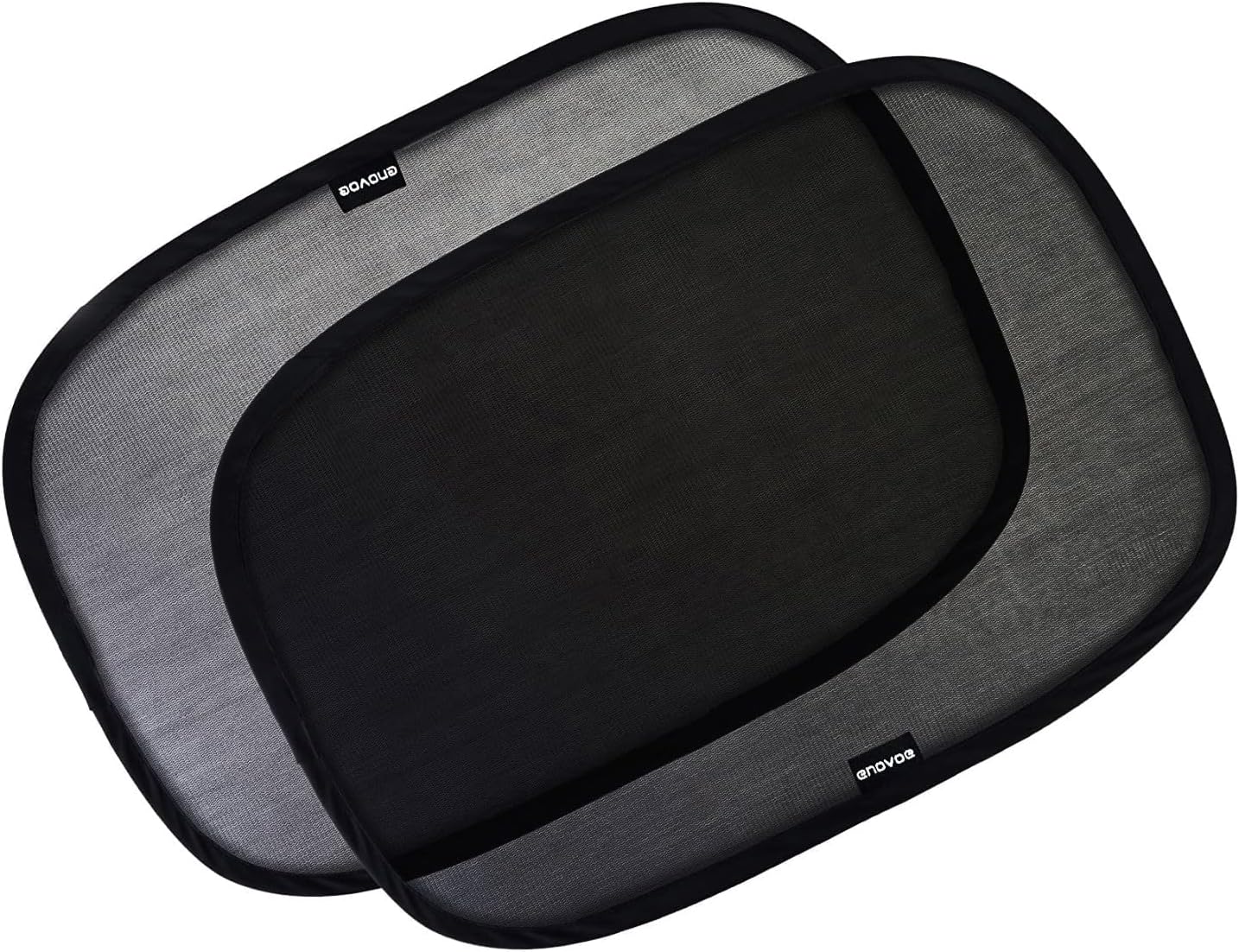
They’ll also give you care tips, like avoiding slamming doors (which can stress the new seal) and using a sunshade to reduce heat buildup.
Cost of Car Glass Replacement: What to Expect
The cost of car glass replacement varies widely. A basic windshield on an economy car might cost $200–$400, while a high-end vehicle with sensors and heated glass can run $1,000 or more. Side windows are usually cheaper, ranging from $100 to $300 per window.
Factors That Affect Price
Several things influence the cost:
– **Vehicle make and model:** Luxury and imported cars often use specialized glass that’s more expensive.
– **Glass type:** OEM glass costs more than aftermarket. Heated, tinted, or acoustic (noise-reducing) glass adds to the price.
– **Labor:** Installation takes skill and time. Shops in high-cost areas may charge more.
– **ADAS recalibration:** If your car has advanced safety systems, recalibration can add $100–$300 to the bill.
– **Mobile vs. shop service:** Mobile technicians come to you, which is convenient, but may charge a small fee. Shop service is often cheaper but requires you to drop off the car.
Insurance and Glass Coverage
Here’s good news: many auto insurance policies include glass coverage with no deductible. This means your windshield replacement could be free. Check your policy—look for “comprehensive coverage” or “glass protection.”
Some insurers even have partnerships with glass repair companies. They’ll schedule the replacement for you and handle the payment directly. Just make sure the shop they use is reputable.
If you don’t have glass coverage, or if your deductible is high, you might pay out of pocket. But don’t go for the cheapest option. Poor installation can lead to leaks, wind noise, or even glass failure in a crash.
DIY vs. Professional Replacement
You might be tempted to replace glass yourself to save money. But unless you’re experienced, it’s not recommended. Windshield installation requires precision. A poorly sealed windshield can leak, cause wind noise, or even pop out in an accident.
Side windows are a bit easier, but still tricky. Removing old seals, aligning the new glass, and ensuring a tight fit takes practice. And if you damage the frame or electrical components (like defrosters), repair costs could exceed what you’d pay a professional.
If you do attempt DIY, use a high-quality kit and follow instructions carefully. But for most people, professional car glass replacement is the safer, smarter choice.
How to Choose a Reliable Glass Replacement Service
Not all glass shops are equal. Choosing the right one can mean the difference between a seamless repair and a headache.
Look for Certification and Experience
Ask if the shop is certified by organizations like the Auto Glass Safety Council (AGSC) or the National Windshield Repair Association (NWRA). These certifications mean the technicians are trained and follow industry standards.
Also, check how long the company has been in business. A shop with 10+ years of experience is more likely to do quality work than a new operation.
Read Reviews and Ask for References
Check Google, Yelp, and the Better Business Bureau for reviews. Look for comments about punctuality, cleanliness, and whether the glass was installed correctly. If a shop has multiple complaints about leaks or poor fit, avoid them.
Don’t hesitate to ask for references or photos of previous work. A reputable shop will be happy to show you examples.
Get a Written Estimate
Before any work begins, get a detailed written estimate. It should include the cost of glass, labor, adhesive, and any additional services like recalibration. Make sure it specifies whether the glass is OEM or aftermarket.
Avoid shops that give vague quotes or pressure you to decide on the spot. A good company will explain your options and let you think it over.
Ask About Warranty
Most professional installations come with a warranty—usually 1 year or more. This covers defects in glass or installation, like leaks or adhesive failure. Make sure the warranty is in writing and understand what’s covered.
Some shops also offer a satisfaction guarantee. If you’re not happy with the work, they’ll fix it for free.
Caring for Your New Car Glass
Once your glass is replaced, a little care goes a long way in keeping it in top shape.
First 24–48 Hours
Avoid driving on rough roads, slamming doors, or washing the car. The adhesive needs time to cure fully. If you must drive, keep the windows slightly open to reduce pressure changes.
Cleaning Tips
Use a mild glass cleaner and a soft microfiber cloth. Avoid ammonia-based cleaners on tinted glass—they can damage the film. Don’t spray cleaner directly on the glass; spray it on the cloth instead to prevent seepage into seals.
Preventing Future Damage
Keep a safe distance from trucks and buses that kick up rocks. Use a windshield sunshade to reduce heat stress. And if you see a chip, get it repaired immediately—before it spreads.
Regular inspections can catch small issues early. Many glass shops offer free inspections, so take advantage of them.
Conclusion
Car glass replacement is more than a cosmetic fix—it’s a safety essential. Whether it’s a cracked windshield or a shattered side window, timely replacement protects you, your passengers, and your vehicle’s integrity. Don’t wait until the damage spreads or causes bigger problems.
Choose quality glass, hire a certified professional, and follow post-installation care tips. And remember: your insurance may cover the cost, so check your policy before paying out of pocket.
Your car’s glass is your window to the world—and your first line of defense in a crash. Treat it with the care it deserves.
Frequently Asked Questions
Can a cracked windshield be repaired instead of replaced?
It depends on the size, depth, and location of the crack. Small chips and cracks under 6 inches may be repairable if they’re not in the driver’s line of sight or near the edge. However, larger or complex damage usually requires full car glass replacement.
How long does it take to replace a windshield?
Most windshield replacements take 1–3 hours, but you should wait at least 1 hour before driving to allow the adhesive to set. Full curing can take up to 24 hours, so avoid car washes and heavy rain during that time.
Will my insurance cover car glass replacement?
Many comprehensive auto insurance policies include glass coverage with no deductible, especially for windshields. Check your policy or contact your insurer to confirm coverage and find approved repair shops.
Do I need to recalibrate my car’s sensors after windshield replacement?
Yes, if your vehicle has ADAS features like lane departure warning, adaptive cruise control, or automatic emergency braking. These systems rely on cameras behind the windshield, which must be recalibrated after replacement to function correctly.
Can I drive immediately after glass replacement?
No. You should wait at least 1 hour for side windows and 3–6 hours for windshields before driving. This allows the urethane adhesive to cure properly and ensures a safe, secure seal.
Is aftermarket glass as safe as OEM?
High-quality aftermarket glass that meets DOT and ANSI standards can be just as safe as OEM. However, for vehicles with advanced safety systems, OEM glass is often recommended to ensure proper fit and sensor alignment.