Car Glass Cleaning

Contents
- 1 Key Takeaways
- 2 📑 Table of Contents
- 3 Why Car Glass Cleaning Matters More Than You Think
- 4 Understanding the Types of Car Glass
- 5 Essential Tools and Products for Car Glass Cleaning
- 6 Step-by-Step Guide to Cleaning Car Glass
- 7 Common Mistakes to Avoid When Cleaning Car Glass
- 8 Tips for Maintaining Clean Car Glass Year-Round
- 9 Conclusion
- 10 Frequently Asked Questions
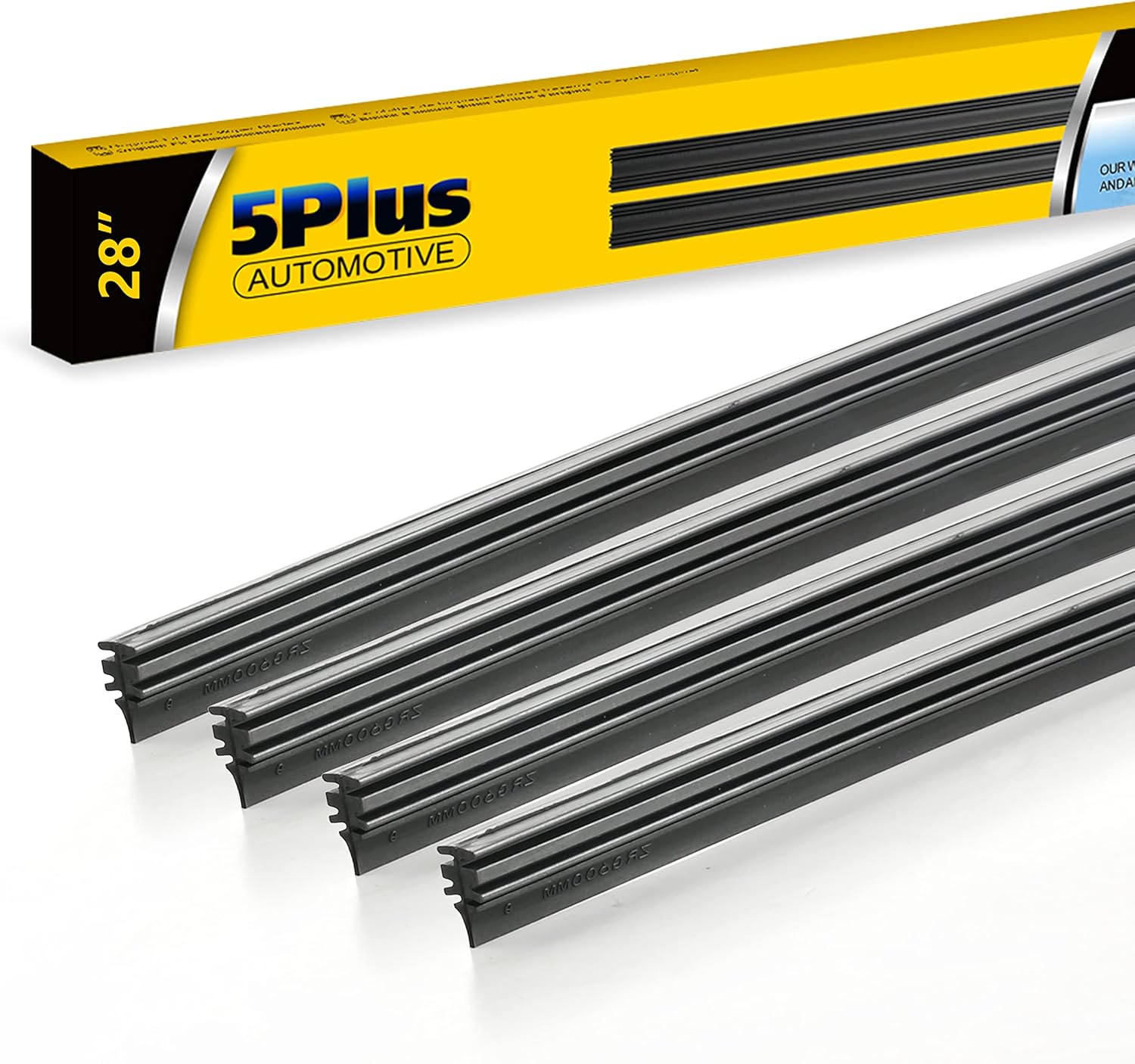
Wiper Blade Refills

Car Neck Pillow

Tool Roll Bag

Car Hydraulic Jack
Clean car glass isn’t just about looks—it’s essential for safe driving. This guide covers everything from choosing the right cleaner to mastering the perfect technique for streak-free windows inside and out.
Key Takeaways
- Use ammonia-free cleaners for tinted windows: Ammonia can damage window tinting and reduce its lifespan.
- Microfiber cloths prevent streaks: They trap dirt and absorb moisture better than paper towels or rags.
- Clean glass in the shade: Sunlight dries cleaner too quickly, leading to streaks and residue.
- Don’t forget the inside: Interior glass collects fingerprints, fog, and dust that impair visibility.
- Regular maintenance improves safety: Clear windows reduce glare and improve reaction time in traffic.
- Use a two-cloth method: One for applying cleaner, one for drying to avoid cross-contamination.
- Inspect wiper blades regularly: Worn blades leave smears and reduce cleaning effectiveness.
📑 Table of Contents
Why Car Glass Cleaning Matters More Than You Think
You might think cleaning your car’s windows is just about making your ride look shiny and new—but it’s so much more than that. Clear, spotless glass is a critical part of safe driving. Think about it: your windshield, side windows, and rear glass are your eyes on the road. When they’re smudged, foggy, or streaked, your ability to see clearly drops dramatically, especially at night or in bad weather.
According to the National Highway Traffic Safety Administration (NHTSA), poor visibility contributes to thousands of accidents each year. Dirt, grime, bug splatter, and even residue from old wiper fluid can scatter light, create glare, and obscure your view of pedestrians, traffic signs, and other vehicles. That’s why regular car glass cleaning isn’t just a cosmetic chore—it’s a safety essential. Whether you’re commuting to work or taking a weekend road trip, clean glass gives you the confidence to drive safely in any condition.
Understanding the Types of Car Glass
Before diving into cleaning techniques, it helps to know what kind of glass you’re working with. Not all car windows are created equal, and different types require different care.
Laminated Windshields
The front windshield in most modern vehicles is made of laminated glass—two layers of glass with a plastic interlayer in between. This design prevents shattering on impact, making it safer in collisions. Because of its layered structure, laminated glass is more durable but can still get scratched or stained if cleaned improperly. Avoid abrasive tools or harsh chemicals that could damage the surface or weaken the bond between layers.
Tempered Side and Rear Windows
Side and rear windows are typically made of tempered glass, which is heat-treated to be stronger than regular glass. When broken, it shatters into small, dull pieces instead of sharp shards. While tough, tempered glass can still accumulate hard water spots, tree sap, and road film. It’s also more prone to scratching if you use dirty cloths or aggressive scrubbing.
Tinted Windows
Many drivers opt for window tinting to reduce heat, block UV rays, and increase privacy. However, tinted glass requires special care. Most tint films are sensitive to ammonia, a common ingredient in household glass cleaners. Using ammonia-based products can cause the tint to bubble, peel, or discolor over time. Always check your cleaner’s label and choose ammonia-free formulas for tinted windows.
Essential Tools and Products for Car Glass Cleaning
You don’t need a professional detailing kit to get your car glass sparkling—just the right tools and a little know-how. Here’s what every car owner should have on hand for effective glass cleaning.
Glass Cleaner: Choose Wisely
The market is flooded with glass cleaners, but not all are created equal. For most cars, a high-quality automotive glass cleaner works best. Look for products labeled “ammonia-free” if you have tinted windows. Popular brands like Invisible Glass, Stoner Car Care, and Meguiar’s offer reliable options that cut through grease and grime without leaving streaks.
Avoid using household cleaners like Windex on car windows, especially if they’re tinted. While Windex works great on home windows, its ammonia content can damage automotive tint and even degrade rubber seals around the glass. Stick to cleaners specifically formulated for vehicles.
Microfiber Cloths: The Secret to Streak-Free Shine
Paper towels might seem convenient, but they’re a nightmare for glass cleaning. They leave behind lint, scratch the surface, and often smear dirt instead of removing it. Microfiber cloths, on the other hand, are designed to trap dust and absorb moisture without scratching.
Invest in a few high-quality microfiber towels—ideally ones labeled for glass or detailing. Use one cloth to apply the cleaner and a second, dry one to buff the surface. This two-cloth method prevents re-depositing dirt and ensures a flawless finish. Wash your microfiber cloths regularly with mild detergent and avoid fabric softeners, which can reduce their effectiveness.
Squeegees and Scrubbing Tools
For heavy buildup—like dried bug guts or tree sap—a soft-bristle brush or a dedicated glass scrubber can help loosen stubborn grime. A small handheld squeegee is also useful for large windshields, especially when cleaning the outside. It removes excess cleaner quickly and reduces the chance of streaking.
Just make sure any tool you use is clean and free of debris. A dirty squeegee or brush can scratch your glass, turning a simple cleaning job into a costly repair.
Spray Bottles and Water Sources
While most glass cleaners come in spray bottles, it’s helpful to have a separate spray bottle filled with distilled water. Hard water contains minerals that can leave spots on glass, especially when it dries in the sun. Distilled water minimizes this risk and helps achieve a clearer finish.
If you’re cleaning your car at home, keep a bucket of water nearby to rinse your cloths or tools. This prevents cross-contamination and keeps your cleaning process efficient.
Step-by-Step Guide to Cleaning Car Glass
Now that you have the right tools, it’s time to get cleaning. Follow this simple, effective method to clean both the inside and outside of your car’s glass like a pro.
Step 1: Prepare Your Vehicle
Start by parking your car in the shade. Cleaning glass in direct sunlight causes the cleaner to dry too quickly, leaving behind streaks and residue. If you can’t find shade, try to clean one window at a time, working from the top down.
Roll down your windows slightly to access the top edge of the glass. This ensures you don’t miss any spots, especially around the seals where dirt tends to accumulate.
Step 2: Clean the Exterior Windows
Begin with the windshield. Spray your glass cleaner generously onto the surface—don’t worry about using too much. Let it sit for 10–15 seconds to break down dirt and grime.
Use a microfiber cloth or a soft scrubber to wipe the glass in a circular motion. Focus on areas with heavy buildup, like the lower edge where road spray collects. For stubborn spots, apply a bit more cleaner and gently scrub until they lift.
Once the glass is clean, use a dry microfiber cloth to buff the surface. Wipe in straight lines—either horizontal or vertical—to avoid swirl marks. Repeat the process for the side and rear windows.
Step 3: Tackle the Interior Glass
Interior windows are often overlooked, but they’re just as important. Over time, they collect fingerprints, dust, and fog from breathing and humidity. These residues can scatter light and reduce visibility, especially when driving toward the sun or headlights at night.
Spray cleaner onto a microfiber cloth (not directly onto the glass, to avoid overspray on your dashboard or electronics). Wipe the interior surface thoroughly, paying extra attention to the driver’s side window and rear glass. Use a second dry cloth to buff away any remaining moisture.
Don’t forget the edges and corners—these areas often get missed but can harbor grime that spreads across the glass.
Step 4: Clean the Windshield Wipers
Your wipers play a big role in keeping your windshield clear, so they deserve some attention too. Lift the wiper blades and wipe the rubber edges with a damp microfiber cloth. Remove any dirt, oil, or debris that could cause streaking or skipping.
If your wipers are old or cracked, consider replacing them. Worn blades can scratch the glass and reduce cleaning effectiveness, especially during rain.
Step 5: Final Touches
Once all the glass is clean, step back and inspect your work. Look for streaks, smudges, or missed spots. Touch up any areas as needed. For an extra shine, you can use a glass polish or sealant, especially on the windshield. These products add a protective layer that repels water and makes future cleaning easier.
Common Mistakes to Avoid When Cleaning Car Glass
Even with the best intentions, it’s easy to make mistakes that leave your windows looking worse than before. Here are some common pitfalls and how to avoid them.
Using the Wrong Cleaner
As mentioned earlier, ammonia-based cleaners are a no-go for tinted windows. But even on untinted glass, harsh chemicals can degrade rubber seals and trim over time. Always read labels and choose products designed for automotive use.
Cleaning in Direct Sunlight
Sunlight accelerates drying, which leads to streaks. If you must clean in the sun, work in small sections and wipe quickly. Better yet, wait for a cloudy day or clean in the early morning or evening.
Reusing Dirty Cloths
A cloth that’s been used to clean the exterior shouldn’t be used on the interior—or vice versa. Cross-contamination spreads dirt and reduces cleaning effectiveness. Use separate cloths for each surface and wash them after every use.
Skipping the Inside
Many people focus only on the outside, but interior grime is just as problematic. Make it a habit to clean both sides of every window during each wash.
Overlooking the Edges
The top and bottom edges of windows collect dirt and moisture. Use a cotton swab or the corner of a microfiber cloth to clean these tight spaces.
Tips for Maintaining Clean Car Glass Year-Round
Cleaning your car glass once a month is a good start, but consistent maintenance keeps it looking great and performing well in all conditions.
Use Rain-Repellent Treatments
Products like Rain-X create a hydrophobic layer on your windshield that causes water to bead up and roll off. This improves visibility during rain and reduces the need for constant wiper use. Apply it every few months for best results.
Keep a Glass Cleaning Kit in Your Car
Store a small spray bottle of glass cleaner and a microfiber cloth in your glove compartment. This way, you can quickly wipe down smudges or foggy windows while on the go.
Address Spills and Stains Immediately
Tree sap, bird droppings, and road tar can etch into glass if left too long. Clean them as soon as possible using a gentle cleaner and soft cloth.
Check Wiper Fluid Regularly
Top off your wiper fluid with a quality formula that includes de-icing agents in winter and bug-removing agents in summer. This helps keep your windshield cleaner between washes.
Schedule Professional Detailing
Even the most diligent DIYers can benefit from a professional touch. Detailers have specialized tools and techniques to deep-clean glass and restore clarity. Consider a detailing service once or twice a year.
Conclusion
Car glass cleaning might seem like a small task, but it has a big impact on your safety, comfort, and driving experience. By using the right tools, avoiding common mistakes, and maintaining a regular cleaning routine, you can keep your windows crystal clear in any season. Remember: clean glass isn’t just about aesthetics—it’s about seeing the road ahead with confidence. So grab your microfiber cloth, choose a quality cleaner, and give your car the clear view it deserves.
Frequently Asked Questions
Can I use Windex to clean my car windows?
It’s not recommended, especially if your windows are tinted. Windex contains ammonia, which can damage tint films and degrade rubber seals. Use an ammonia-free automotive glass cleaner instead.
How often should I clean my car’s glass?
For most drivers, cleaning the exterior glass every 2–4 weeks is sufficient. Interior glass should be cleaned monthly or whenever you notice smudges or fog. Increase frequency during bug season or rainy weather.
Why do my windows still streak after cleaning?
Streaks are usually caused by using the wrong cleaner, cleaning in direct sunlight, or reusing dirty cloths. Try the two-cloth method and work in the shade for a streak-free finish.
Can I clean my car glass with vinegar?
Yes, a mixture of equal parts white vinegar and distilled water can be an effective, eco-friendly cleaner. Avoid using it on tinted windows, as vinegar is acidic and may damage the film over time.
Do I need to clean the inside of my windows?
Absolutely. Interior glass collects fingerprints, dust, and condensation that can scatter light and reduce visibility. Clean both sides for the best results.
What’s the best way to remove tree sap from car glass?
Apply a small amount of rubbing alcohol or a dedicated bug and tar remover to a microfiber cloth. Gently rub the sap until it lifts, then clean the area with glass cleaner. Avoid scraping, as this can scratch the glass.