Car Battery Won T Hold Charge
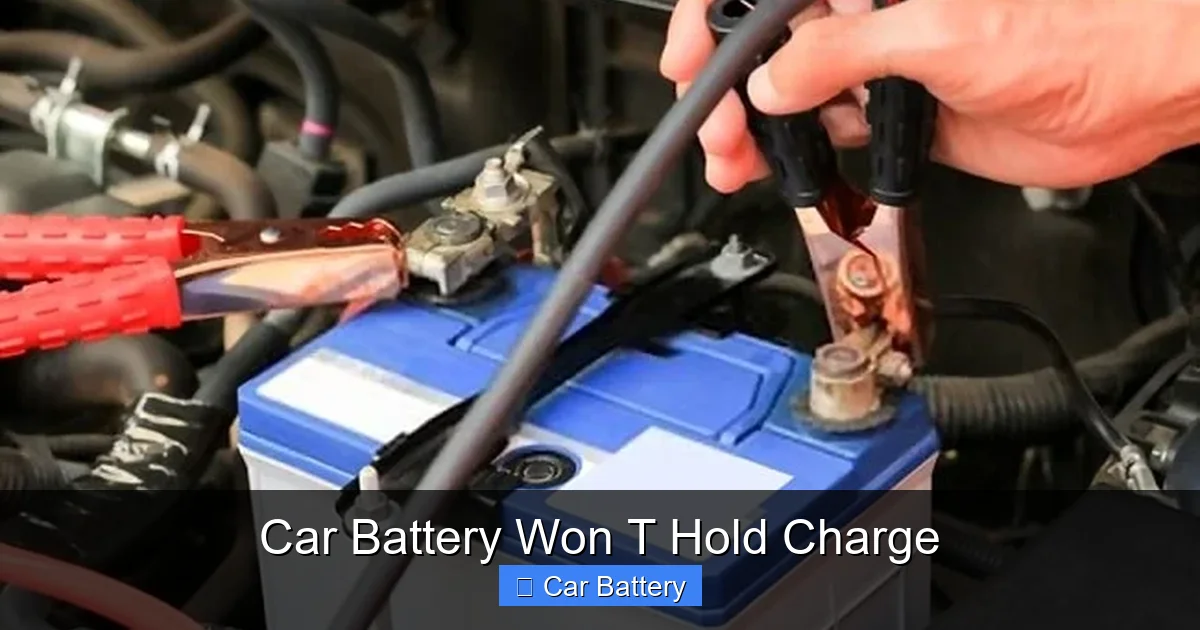
If your car battery won’t hold charge, it’s often due to age, parasitic drain, or charging system issues. Regular maintenance and early diagnosis can prevent unexpected breakdowns and extend battery life.
You’re running late for work, you hop in the car, turn the key—and nothing. The dashboard lights flicker weakly, the engine groans but won’t start. You jump-start it, drive around for a while, and everything seems fine… until the next morning. Sound familiar? If your car battery won’t hold charge, you’re not alone. It’s one of the most frustrating automotive issues drivers face—and it rarely happens at a convenient time.
But here’s the good news: in most cases, a battery that won’t hold a charge isn’t a mystery. It’s usually a symptom of an underlying issue that can be diagnosed and fixed. Whether it’s a dying battery, a faulty alternator, or something as simple as a loose cable, understanding the root cause saves you time, money, and stress. In this guide, we’ll walk you through everything you need to know about why your car battery won’t hold charge, how to test it, and what you can do to fix—or prevent—the problem.
In This Article
Key Takeaways
- Battery age matters: Most car batteries last 3–5 years. If yours is older, it may simply be worn out.
- Parasitic drain is common: Small electrical loads like clocks or alarms can slowly drain your battery when the car is off.
- Check the alternator: A failing alternator won’t recharge the battery while driving, leading to repeated dead batteries.
- Extreme temperatures hurt performance: Heat speeds up corrosion; cold reduces cranking power.
- Corroded terminals prevent proper charging: Clean connections ensure full power flow to and from the battery.
- Short trips don’t fully recharge: Frequent short drives don’t give the alternator enough time to restore charge.
- Test before replacing: Use a multimeter or visit a shop for a load test—don’t assume it’s the battery without proof.
📑 Table of Contents
Why Your Car Battery Won’t Hold Charge
When your car battery won’t hold charge, it means it’s losing power even when the vehicle is off, or it’s not getting recharged properly while driving. A healthy battery should maintain its charge for days—even weeks—without issue. But when it starts dying overnight or failing to start after short stops, something’s off.
There are several reasons this happens, and they often overlap. The most common culprits include an aging battery, parasitic electrical drain, a malfunctioning charging system (like the alternator), extreme weather, poor connections, or simply not driving enough. Let’s break these down so you can pinpoint what’s going on with your vehicle.
Battery Age and Natural Wear
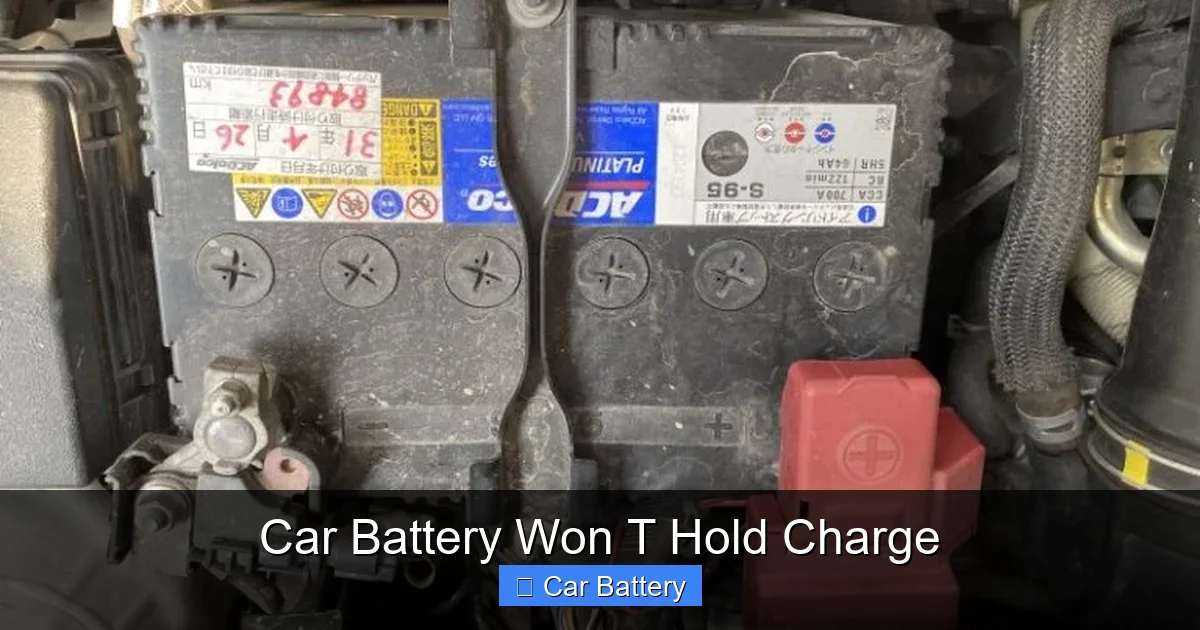
Car batteries don’t last forever. On average, they’re designed to last between three and five years. Over time, the internal components degrade. The lead plates inside the battery corrode, the electrolyte evaporates, and the chemical reactions that produce electricity become less efficient. Eventually, the battery can’t hold a full charge—even if it’s been sitting unused.
If your battery is more than four years old and you’re noticing slow cranking or frequent jump-starts, it’s probably time for a replacement. Many auto parts stores offer free battery testing, which can tell you the state of charge and overall health. Don’t wait until you’re stranded—proactive replacement is cheaper than emergency towing.
Parasitic Drain: The Silent Killer
Even when your car is off, small electrical systems keep running. These include the clock, security system, radio presets, and sometimes even the engine control unit. While each draws only a tiny amount of power, together they can slowly drain your battery over time—especially if the battery is already weak.
But sometimes, parasitic drain goes beyond normal. A malfunctioning component—like a stuck glove box light, a faulty relay, or a short in the wiring—can pull excessive current, killing the battery overnight. This is called a “parasitic draw,” and it’s one of the top reasons a car battery won’t hold charge.
To check for parasitic drain, you’ll need a multimeter. With the car off and all accessories turned off, disconnect the negative battery cable and place the multimeter in series between the cable and the battery terminal. A normal draw is usually under 50 milliamps. If it’s higher, you’ve got a problem that needs diagnosing.
Alternator Failure: The Charging System Breakdown
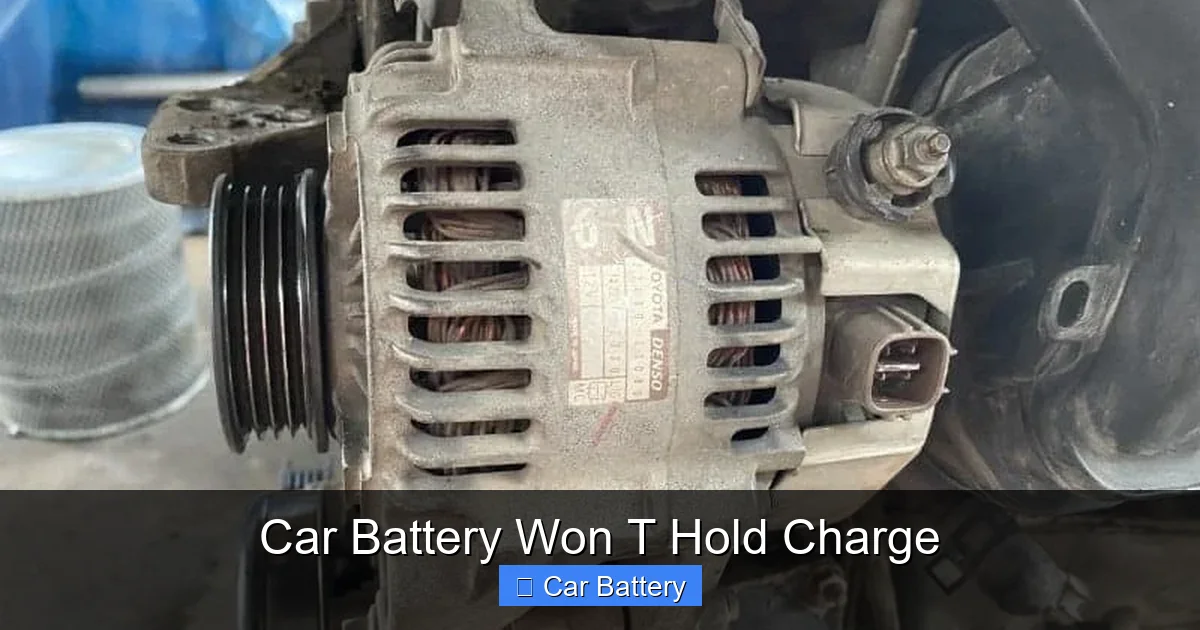
Your car’s alternator is responsible for recharging the battery while the engine runs. If it’s not working properly, the battery will slowly lose charge—even if it was fully charged when you started. This often leads to a cycle: you jump-start the car, drive around, but the battery never gets fully recharged, so it dies again.
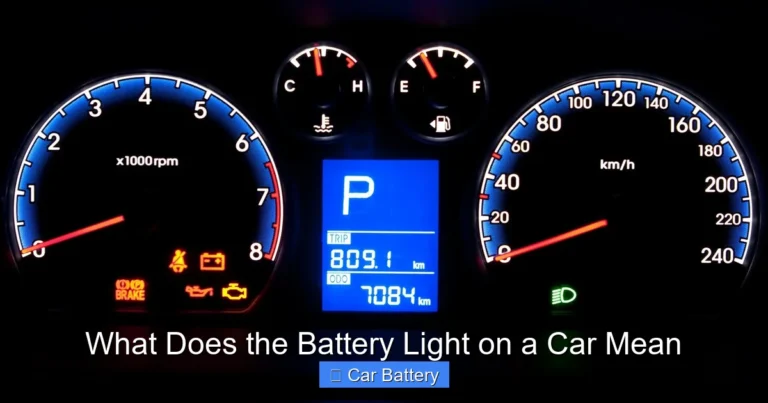
Signs of alternator trouble include dimming headlights, a battery warning light on the dashboard, or electrical components acting up. You might also notice the car stalling or struggling to start after short trips. A simple voltage test can confirm whether the alternator is doing its job. With the engine running, a healthy system should show 13.8 to 14.4 volts at the battery terminals. Anything below 13 volts suggests the alternator isn’t charging properly.
Extreme Temperatures and Environmental Stress
Weather plays a big role in battery performance. In hot climates, heat accelerates chemical reactions inside the battery, which can speed up corrosion and evaporation of the electrolyte. This reduces the battery’s lifespan and its ability to hold a charge.
In cold weather, the opposite happens. Cold temperatures slow down the chemical reactions, reducing the battery’s cranking power. A battery that works fine in summer might struggle to start the car in winter—especially if it’s already weak. That’s why many people notice their car battery won’t hold charge during the first cold snap of the season.
Parking in a garage or using a battery insulation blanket can help protect your battery from temperature extremes. If you live in a very hot or very cold region, consider investing in a high-quality, climate-resistant battery.
Loose or Corroded Connections
Even a brand-new battery won’t work properly if the connections are bad. Corrosion—that white, green, or blue powdery buildup on the terminals—acts like an insulator, blocking the flow of electricity. Loose cables can also cause intermittent contact, leading to charging problems.
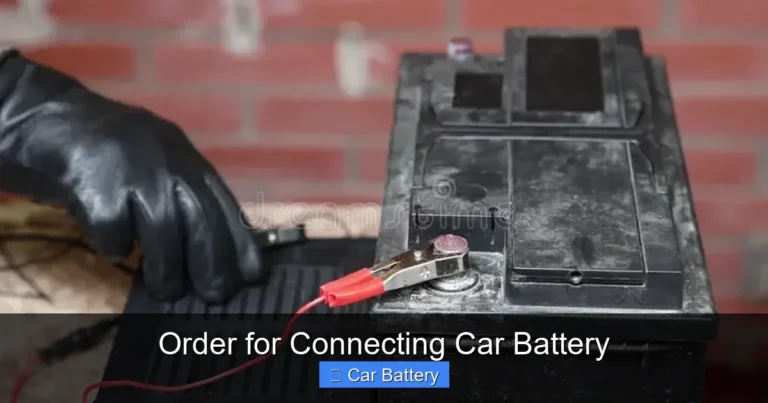
Cleaning the terminals is simple: disconnect the cables (negative first, then positive), scrub the terminals and cable ends with a wire brush or baking soda and water solution, rinse, dry, and reconnect securely. Always reconnect the positive cable first, then the negative. A little petroleum jelly on the terminals afterward can help prevent future corrosion.
Short Trips and Incomplete Recharging
If you mostly take short trips—like driving to the store or dropping kids off at school—your alternator may not have enough time to fully recharge the battery. Starting the engine uses a lot of power, and if the car isn’t driven long enough, the battery never gets back to full charge. Over time, this leads to a gradual loss of capacity.
This is especially true in winter, when the engine takes longer to warm up and electrical loads (like heaters and defrosters) are higher. To combat this, try taking longer drives occasionally—20 to 30 minutes at highway speeds can help recharge the battery. Alternatively, consider using a battery maintainer or trickle charger if the car sits for long periods.
How to Test If Your Battery Is the Problem
Visual guide about Car Battery Won T Hold Charge
Image source: rxmechanic.com
Before you rush out to buy a new battery, it’s important to confirm that the battery itself is the issue. Many people replace batteries unnecessarily because they didn’t test the charging system or check for parasitic drain.
Voltage Test with a Multimeter
The simplest way to check your battery is with a multimeter. Here’s how:
1. Turn off the engine and all accessories.
2. Set the multimeter to DC voltage (usually marked as “V” with a straight line).
3. Touch the red probe to the positive terminal and the black probe to the negative terminal.
4. Read the voltage.
A fully charged battery should show around 12.6 volts. If it’s below 12.4 volts, it’s partially discharged. Below 12 volts means it’s significantly drained. After starting the engine, the voltage should rise to 13.8–14.4 volts—if it doesn’t, the alternator may be faulty.
Load Test for Battery Health
A voltage test tells you the state of charge, but not the battery’s overall health. For that, you need a load test. This applies a heavy electrical load to the battery for a few seconds to see how it performs under stress.
Many auto parts stores offer free load testing. They’ll connect a machine that simulates starting the engine and measure how well the battery holds up. If the voltage drops too low during the test, the battery is weak and should be replaced.
Parasitic Draw Test
As mentioned earlier, a parasitic draw test helps identify if something is draining the battery when the car is off. This requires a multimeter and some patience, but it’s worth it if you suspect an electrical issue.
With the car off and all doors closed (to avoid interior lights), disconnect the negative battery cable. Set the multimeter to measure current (amps), and place it between the cable and the battery terminal. A normal draw is under 50 mA. If it’s higher, start pulling fuses one by one to isolate the circuit causing the drain.
Common Fixes When Your Car Battery Won’t Hold Charge
Visual guide about Car Battery Won T Hold Charge
Image source: rxmechanic.com
Once you’ve identified the cause, the fix is usually straightforward. Here are the most effective solutions based on common issues.
Replace an Old or Weak Battery
If your battery is more than four years old and fails a load test, replacement is the best option. Don’t try to squeeze more life out of it—old batteries are unreliable and can leave you stranded.
When buying a new battery, check your owner’s manual for the correct size and type. Look for a battery with a high cold cranking amp (CCA) rating if you live in a cold climate. Many stores offer installation services, so you don’t have to do it yourself.
Repair or Replace the Alternator
If the alternator isn’t charging the battery, replacing it is usually necessary. Alternator repair is possible in some cases, but given the labor involved, many mechanics recommend a full replacement with a remanufactured unit.
After replacement, always test the charging system to ensure it’s working properly. A new alternator won’t help if there’s still a wiring issue or a bad connection.
Clean Battery Terminals and Cables
Corrosion and loose connections are easy to fix. Regular maintenance can prevent many charging issues. Make it a habit to inspect your battery terminals every few months, especially before winter.
Use a terminal cleaner brush and a baking soda solution (1 tablespoon per cup of water) to remove corrosion. Rinse with water, dry thoroughly, and apply a thin layer of dielectric grease or petroleum jelly to prevent future buildup.
Address Parasitic Drain
If you’ve confirmed a parasitic drain, the next step is finding the source. Common culprits include:
– Faulty interior lights (glove box, trunk, or under-hood lights that stay on)
– Aftermarket electronics (alarms, dash cams, GPS units) wired incorrectly
– Stuck relays or switches
– Malfunctioning control modules
Start by checking obvious lights and accessories. Then, use the fuse-pulling method to isolate the circuit. Once you find the problematic fuse, inspect the components on that circuit.
Use a Battery Maintainer or Trickle Charger
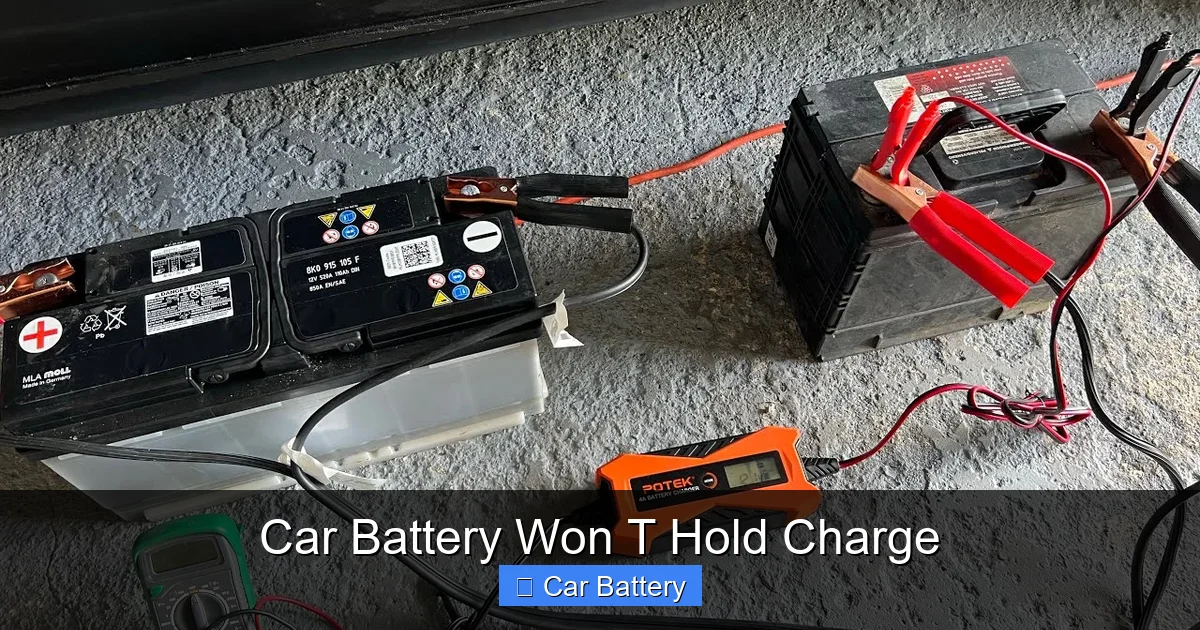
If your car sits for long periods—like a classic car, motorcycle, or seasonal vehicle—a battery maintainer can keep it charged without overcharging. These devices plug into a wall outlet and deliver a small, steady charge to the battery.
Trickle chargers are similar but deliver a constant low current. Maintainers are smarter—they monitor the battery and adjust the charge as needed. Either way, they’re a great investment if your car battery won’t hold charge due to infrequent use.
Preventing Future Battery Problems
Visual guide about Car Battery Won T Hold Charge
Image source: i.ytimg.com
An ounce of prevention is worth a pound of cure—especially when it comes to car batteries. A few simple habits can extend your battery’s life and keep your car starting reliably.
Drive Regularly and Take Longer Trips
As mentioned earlier, short trips don’t give the alternator enough time to recharge the battery. Try to take longer drives (20+ minutes) at least once a week, especially in winter. This helps maintain a full charge and keeps the battery healthy.
Turn Off Accessories When the Engine Is Off
Leaving lights, the radio, or phone chargers on when the engine is off drains the battery quickly. Get in the habit of checking that everything is off before you walk away from the car.
Inspect and Maintain the Battery
Check the battery terminals every few months for corrosion. Look for cracks, bulges, or leaks—these are signs the battery is failing. If you notice any of these, have it tested or replaced.
Protect from Extreme Temperatures
Park in a garage when possible, especially in winter. In hot climates, consider a battery with enhanced heat resistance or use a reflective sunshade to reduce under-hood temperatures.
Test the Battery Annually
Even if your car starts fine, have the battery tested once a year—especially as it approaches the 3-year mark. Early detection of weakness can prevent unexpected failures.
When to Call a Professional
While many battery issues can be diagnosed and fixed at home, some problems require a mechanic’s expertise. If you’ve tried the basics—cleaning terminals, testing voltage, checking for obvious drains—and the battery still won’t hold charge, it’s time to visit a shop.
A professional can perform advanced diagnostics, including:
– Full electrical system scan
– Alternator and starter testing
– Parasitic draw analysis with specialized tools
– Wiring inspection for shorts or corrosion
They can also help determine if the issue is with the battery, the charging system, or something else entirely. Don’t ignore persistent problems—electrical issues can worsen over time and lead to more expensive repairs.
Conclusion
If your car battery won’t hold charge, don’t panic. In most cases, the cause is identifiable and fixable. Whether it’s an aging battery, a parasitic drain, a failing alternator, or just poor driving habits, understanding the root issue is the first step toward a solution.
Start with simple checks: test the voltage, clean the terminals, and inspect for corrosion. If those don’t solve it, dig deeper with a load test or parasitic draw test. And remember—prevention is key. Regular maintenance, longer drives, and annual testing can keep your battery in top shape for years.
Your car’s battery is a small but vital part of your vehicle. Treat it well, and it will get you where you need to go—reliably, every time.
Frequently Asked Questions
Why does my car battery keep dying overnight?
This is often due to a parasitic drain—something in your car is drawing power when it shouldn’t, like a stuck light or faulty module. It could also mean the battery is old and can’t hold a charge anymore.
Can a bad alternator cause a battery not to hold charge?
Yes. If the alternator isn’t working, it won’t recharge the battery while driving. The battery will slowly lose power, leading to repeated dead starts.
How long should a car battery last?
Most car batteries last 3 to 5 years. Extreme temperatures, short trips, and electrical issues can shorten that lifespan.
Is it safe to jump-start a car with a bad battery?
Yes, but only as a temporary fix. Jump-starting won’t solve the underlying issue. Have the battery and charging system tested as soon as possible.
Can I drive with a battery that won’t hold charge?
You can, but it’s risky. The battery may die unexpectedly, and you could damage the alternator or other electrical components by overworking them.
Should I replace my battery in winter?
If your battery is weak or over 4 years old, yes. Cold weather reduces battery performance, so replacing it before winter can prevent breakdowns.