Can You Sell Car with Expired Registration

Yes, you can often sell a car with expired registration, but it depends on your state’s laws and how you handle the sale. While the vehicle itself doesn’t need active registration to be sold, buyers may hesitate, and paperwork can get tricky. Understanding local regulations and being transparent with buyers is key to a successful sale.
So, you’ve decided it’s time to sell your car—but there’s just one hiccup: the registration expired last month. Maybe you’ve been driving less, forgot to renew, or simply didn’t think it mattered since the car is parked in the driveway. Now, you’re wondering: *Can you sell a car with expired registration?* The short answer is: **yes, in most cases, you can.** But it’s not always straightforward, and the details matter—especially when it comes to state laws, buyer confidence, and legal paperwork.
Selling a car isn’t just about handing over the keys and cash. It involves transferring ownership, ensuring the vehicle is legally transferable, and making sure both you and the buyer walk away feeling good about the deal. Registration status might seem like a minor detail, but it can influence everything from how quickly the car sells to whether the DMV will accept the title transfer. The good news? With the right knowledge and preparation, you can sell your car—even with expired registration—without major headaches.
In this guide, we’ll walk you through everything you need to know about selling a car with expired registration. We’ll cover the legal landscape across different states, explain why buyers might be cautious, and give you practical tips to make the process smooth and stress-free. Whether you’re selling privately, trading in, or listing online, understanding these nuances will help you avoid surprises and close the deal with confidence.
In This Article
- 1 Key Takeaways
- 2 📑 Table of Contents
- 3 Understanding Car Registration and Why It Expires
- 4 State-by-State Rules: Where You Can (and Can’t) Sell with Expired Registration
- 5 How Expired Registration Affects Buyer Confidence
- 6 Practical Steps to Sell a Car with Expired Registration
- 7 Alternatives: Trade-In, Private Sale, or Scrap
- 8 Legal and Financial Considerations
- 9 Conclusion
- 10 Frequently Asked Questions
- 10.1 Can I sell my car if the registration is expired?
- 10.2 Will a buyer be able to register the car if my registration is expired?
- 10.3 Do I need to renew the registration before selling the car?
- 10.4 Can I drive the car to show it to buyers if the registration is expired?
- 10.5 What documents do I need to sell a car with expired registration?
- 10.6 Is it better to sell privately or trade in a car with expired registration?
Key Takeaways
- Expired registration doesn’t automatically prevent a sale: In most states, you can legally sell a car even if its registration has lapsed, as long as the title is valid and in your name.
- State laws vary significantly: Some states allow private sales with expired tags, while others require current registration or a valid safety inspection before transfer.
- Buyers may be hesitant: A car with expired registration can raise red flags about maintenance, insurance, or legal status, so transparency builds trust.
- You may need to renew registration to complete the sale: In certain states, the DMV won’t process the title transfer unless the registration is current or renewed at the time of sale.
- Selling “as-is” can simplify the process: Clearly stating the car’s condition—including expired registration—can protect you from future liability and set realistic expectations.
- Consider getting a temporary permit: Some states offer short-term registration or transit permits that allow the buyer to legally drive the car home after purchase.
- Always complete a bill of sale: This document protects both parties and should include details about the vehicle, sale price, and registration status.
📑 Table of Contents
- Understanding Car Registration and Why It Expires
- State-by-State Rules: Where You Can (and Can’t) Sell with Expired Registration
- How Expired Registration Affects Buyer Confidence
- Practical Steps to Sell a Car with Expired Registration
- Alternatives: Trade-In, Private Sale, or Scrap
- Legal and Financial Considerations
- Conclusion
Understanding Car Registration and Why It Expires
Before diving into the sale process, it’s important to understand what car registration actually is—and why it expires in the first place. Car registration is a legal requirement that links your vehicle to your name and confirms that it’s authorized to be driven on public roads. When you register a car, you receive license plates, a registration sticker, and a registration card. This process typically needs to be renewed annually or biennially, depending on your state.
Registration isn’t just a formality. It serves several key purposes: it helps law enforcement identify vehicle owners, ensures the car meets basic safety and emissions standards (in some states), and funds road maintenance through registration fees. When registration expires, the vehicle is no longer legally allowed to be driven on public roads—unless it’s being transported (like on a trailer) or driven to a repair shop or inspection center under specific exemptions.
Now, here’s where things get interesting: **registration is not the same as ownership.** You can legally own a car even if its registration has lapsed. The title—the document that proves ownership—is what truly matters in a sale. So while expired registration might raise eyebrows, it doesn’t automatically disqualify the car from being sold.
However, the relationship between registration and sale isn’t always clear-cut. Some states tie registration status to the ability to transfer ownership. For example, if your registration is expired, the DMV might refuse to process the title transfer until you renew it—even if you’re selling the car. This is why it’s crucial to check your state’s specific rules before listing your vehicle.
Why Registration Expires (And What Happens Next)
Registration expires for a variety of reasons. Most commonly, it’s simply because the renewal deadline passed and you forgot to renew. Other times, people let registration lapse intentionally—maybe they’re not driving the car much, or they’re planning to sell it soon. In some cases, registration might be suspended due to unpaid fees, failed inspections, or insurance lapses.
When registration expires, the consequences vary by state. In many places, you’ll receive a reminder notice in the mail before it lapses. After expiration, you may face late fees if you renew later. Driving with expired registration is illegal in all states and can result in fines, points on your license, or even vehicle impoundment—though these penalties typically apply only if you’re caught driving the car.
But again, if the car is parked and not being driven, expired registration alone doesn’t make it illegal to own or sell. The key is understanding how your state treats registration in the context of a private sale.
The Difference Between Registration and Title
This is a common point of confusion: **registration ≠ title.** The title is the legal document that proves you own the car. It includes the vehicle identification number (VIN), make, model, year, and the names of the current and previous owners. When you sell a car, you transfer the title to the buyer.
Registration, on the other hand, is more like a permit to drive the car on public roads. It’s tied to the vehicle and the owner, but it’s temporary and must be renewed. You can have a valid title but expired registration—and vice versa (though that’s rare and usually indicates fraud or error).
This distinction is crucial when selling a car. As long as you have a clear title, you can sell the vehicle. The buyer will need to register it in their name and pay the associated fees, but your expired registration doesn’t block the transfer—unless your state says otherwise.
State-by-State Rules: Where You Can (and Can’t) Sell with Expired Registration
Now for the million-dollar question: *Does your state allow you to sell a car with expired registration?* The answer depends entirely on where you live. While the general principle—that ownership is separate from registration—holds true nationwide, the specifics vary widely.
Let’s break it down by state type:
States That Allow Sales with Expired Registration
In many states, you can legally sell a car even if the registration has expired. These states typically focus on the validity of the title and the completion of a proper bill of sale. Examples include:
– **Texas:** You can sell a car with expired registration, but the buyer may need to get a temporary permit to drive it home. The title transfer can proceed as long as the title is signed and notarized.
– **Florida:** Expired registration doesn’t prevent a sale. However, the buyer must register the vehicle within 30 days of purchase.
– **Arizona:** Private sales are allowed with expired registration. The buyer is responsible for renewing registration after the transfer.
– **North Carolina:** You can sell a car with expired tags, but the buyer must get a new registration and inspection within a set time.
In these states, the DMV doesn’t require current registration to process the title transfer. However, it’s still wise to disclose the expired status to the buyer and provide any relevant documentation.
States That Require Current Registration for Sale
Some states are stricter. They may require the registration to be current—or at least not excessively expired—at the time of sale. Examples include:
– **California:** While you can technically sell a car with expired registration, the DMV may delay processing the title transfer if the registration is more than 6 months expired. You may need to renew it first.
– **New York:** The registration must be current or renewed at the time of sale. If it’s expired, you’ll likely need to renew it before the DMV will accept the transfer.
– **Illinois:** The seller must have valid registration to complete the sale. Expired registration can delay or block the title transfer.
In these states, trying to sell a car with expired registration can create complications. The buyer might not be able to register the car until you renew the registration—which means you’d have to pay fees and possibly get an inspection, even though you’re no longer the owner.
States with Inspection or Safety Requirements
A few states tie registration to safety or emissions inspections. If your registration expired because the car failed an inspection or didn’t complete one, selling it becomes more complex. For example:
– **Virginia:** Requires a valid safety inspection within 90 days of registration. If the inspection is expired, the buyer may not be able to register the car until it passes.
– **Massachusetts:** Emissions and safety inspections are required for registration. An expired inspection could delay the sale.
In these cases, even if the registration itself isn’t the issue, the underlying inspection status can affect the sale.
What to Do If Your State Requires Current Registration
If you live in a state that requires current registration to sell, you have a few options:
1. **Renew the registration before selling.** This might cost $50–$150, but it makes the car more attractive to buyers and avoids DMV delays.
2. **Sell the car “as-is” with full disclosure.** Be upfront about the expired registration and any related issues. Some buyers may still be interested, especially if the price is right.
3. **Include registration renewal in the sale price.** You could offer to renew the registration as part of the deal, then pass the cost to the buyer in the final price.
Always check your state’s DMV website or call them directly for the most accurate and up-to-date information.
How Expired Registration Affects Buyer Confidence
Even if it’s legal to sell a car with expired registration, it can still impact how buyers perceive the vehicle. Let’s face it: when someone sees expired tags, their first thought might be, *“What else is wrong with this car?”* That’s why transparency and preparation are your best tools.
Why Buyers Get Nervous
Buyers want peace of mind. They’re investing thousands of dollars, and they don’t want surprises. Expired registration can signal several potential issues:
– **Neglect:** “If they didn’t bother to renew the registration, did they maintain the car?”
– **Legal problems:** “Is there a lien, suspension, or unpaid fines tied to this vehicle?”
– **Insurance lapses:** “Was the car uninsured? Could that affect my ability to insure it?”
– **Odometer fraud or title issues:** “Is the registration expired because of a problem with the title?”
These concerns are understandable. Even if your car is in great shape, the expired registration can create doubt.
How to Reassure Buyers
The best way to overcome skepticism is to be proactive and honest. Here’s how:
– **Disclose the expired registration upfront.** Mention it in your listing: “Registration expired in March 2024—car has been parked since then.”
– **Provide maintenance records.** Show that the car has been well cared for, even if it hasn’t been driven much.
– **Explain the reason.** “I stopped driving after my commute changed,” or “I was planning to sell it, so I didn’t renew.”
– **Offer a recent inspection or mechanic’s report.** This proves the car is roadworthy.
– **Be flexible on price.** A small discount can offset buyer concerns.
When buyers see that you’re transparent and responsible, they’re more likely to trust the sale—even with expired registration.
Using “As-Is” Sales to Your Advantage
Selling a car “as-is” means you’re not making any warranties about its condition. This is common in private sales and can actually work in your favor when registration is expired. By clearly stating that the car is sold “as-is, with expired registration,” you set realistic expectations and reduce the risk of disputes later.
Just make sure to document everything in writing—preferably in a bill of sale—that includes the vehicle’s condition, mileage, and registration status.
Practical Steps to Sell a Car with Expired Registration
Ready to sell? Here’s a step-by-step guide to make the process smooth, legal, and stress-free.
1. Check Your State’s Requirements
Start by visiting your state’s DMV website or calling them. Ask:
– Can I sell a car with expired registration?
– Do I need to renew registration before the sale?
– Are there any fees or penalties for expired registration?
This will help you avoid surprises at the DMV.
2. Gather Your Documents
You’ll need:
– **The vehicle title** (signed over to the buyer)
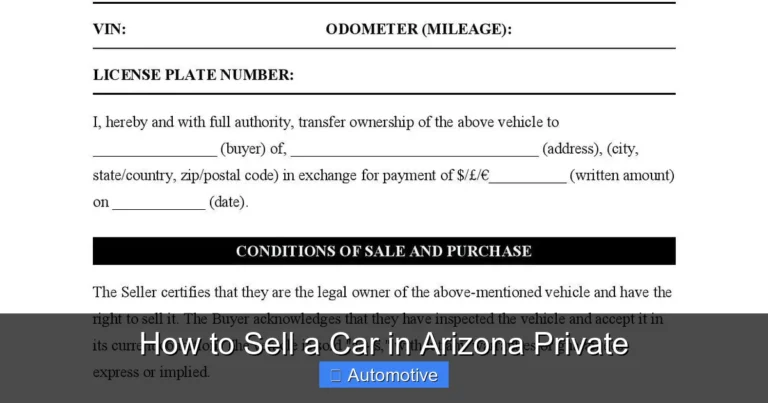
– **A bill of sale** (many states provide templates)
– **Odometer disclosure statement** (required in most states for vehicles under 10 years old)
– **Release of liability form** (to protect you after the sale)
– **Maintenance records** (optional but helpful)
If your title is lost, apply for a duplicate before listing the car.
3. Decide Whether to Renew Registration
If your state allows it and the cost is reasonable, consider renewing the registration. It makes the car more attractive and may speed up the sale. If not, be prepared to explain why it’s expired.
4. Price the Car Fairly
Use tools like Kelley Blue Book or Edmunds to determine a fair market value. If the registration is expired, you might price the car slightly lower to account for the inconvenience to the buyer.
5. Advertise Transparently
In your listing, include:
– Make, model, year, and mileage
– Condition (e.g., “runs great,” “needs new tires”)
– “Registration expired in [month/year]—car has been parked”
– “Sold as-is”
Photos of the car, interior, and engine can also build trust.
6. Meet Safely and Complete the Sale
When meeting the buyer:
– Choose a public place (like a DMV or police station)
– Bring all documents
– Complete the bill of sale together
– Sign the title over to the buyer
– Remove your license plates (in most states)
7. Notify the DMV
After the sale, file a release of liability form with your DMV. This protects you if the buyer gets a ticket or causes an accident before registering the car.
Alternatives: Trade-In, Private Sale, or Scrap
If selling with expired registration feels too complicated, consider other options.
Trade-In at a Dealership
Many dealerships will accept a car with expired registration for trade-in. They handle the paperwork and often don’t require current registration. However, trade-in values are usually lower than private sale prices.
Sell to a Junkyard or Scrap Yard
If the car isn’t running or is very old, selling it for parts or scrap might be the easiest option. Most scrap yards don’t require registration—just proof of ownership (the title).
Sell Online to a Car Buying Service
Companies like CarMax, Carvana, or Vroom often buy cars “as-is,” including those with expired registration. They handle the transfer and may offer free pickup.
Each option has pros and cons, so choose the one that best fits your situation.
Legal and Financial Considerations
Selling a car with expired registration isn’t just about convenience—it’s also about protecting yourself legally and financially.
Avoiding Liability After the Sale
Once you sell the car, you’re no longer responsible for it—*but only if you follow the rules.* Failing to file a release of liability could leave you on the hook for tickets, accidents, or tolls the buyer incurs. Always notify the DMV in writing.
Tax Implications
In most states, private car sales are not taxed for the seller. However, if you sell the car for more than you paid, you may owe capital gains tax—though this is rare for personal vehicles. Consult a tax professional if you’re unsure.
Insurance
Cancel your insurance after the sale—but only after the buyer has insured the car. You don’t want a gap in coverage, but you also don’t want to pay for a car you no longer own.
Conclusion
So, can you sell a car with expired registration? **Yes—but it depends on where you live, how you handle the sale, and how transparent you are with buyers.** In most states, expired registration doesn’t block a sale, but it can create hurdles with the DMV or make buyers nervous.
The key is preparation. Check your state’s rules, gather your documents, and be honest about the car’s status. Whether you renew the registration, sell “as-is,” or choose a trade-in, you can still get a fair price and close the deal smoothly.
Remember: a little extra effort upfront can save you time, money, and stress down the road. And when it comes to selling a car, peace of mind is priceless.
Frequently Asked Questions
Can I sell my car if the registration is expired?
Yes, in most states you can sell a car with expired registration as long as you have a valid title. However, some states require current registration to process the title transfer, so check your local DMV rules.
Will a buyer be able to register the car if my registration is expired?
Generally, yes—the buyer will need to register the car in their name and pay the required fees. But in some states, the DMV may delay the transfer if your registration is too far expired.
Do I need to renew the registration before selling the car?
It depends on your state. Some states allow the sale with expired registration, while others require you to renew it first. Renewing can also make the car more appealing to buyers.
Can I drive the car to show it to buyers if the registration is expired?
No—driving with expired registration is illegal in all states. Have the buyer meet you at your home or a safe location, or use a trailer to transport the car if needed.
What documents do I need to sell a car with expired registration?
You’ll need the vehicle title, a bill of sale, odometer disclosure (if applicable), and a release of liability form. Maintenance records can also help build buyer confidence.
Is it better to sell privately or trade in a car with expired registration?
Private sales usually yield higher prices, but trade-ins are simpler and often accept cars with expired registration. Choose based on your priorities: profit or convenience.