Can You Sell Car Seats on Facebook
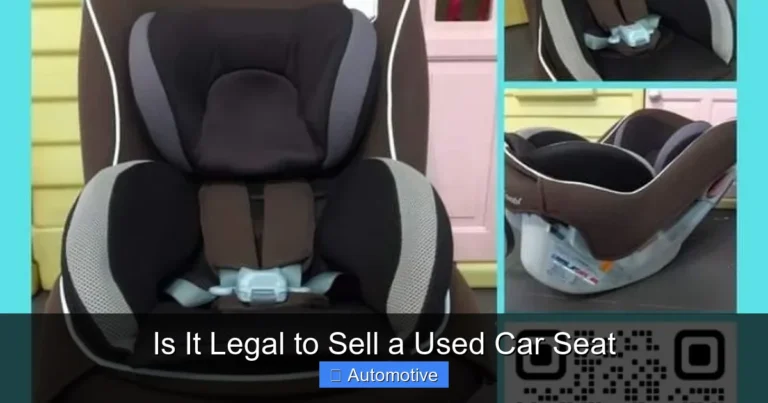
You can sell car seats on Facebook, but safety and legality come first. Facebook allows private sales of used car seats under certain conditions, but you must follow platform policies and local laws. Always prioritize child safety by disclosing age, crash history, and expiration dates.
[FEATURED_IMAGE_PLACEHOOLDER]
In This Article
- 1 Key Takeaways
- 2 📑 Table of Contents
- 3 Can You Sell Car Seats on Facebook?
- 4 Facebook’s Policy on Selling Used Car Seats
- 5 Safety First: When Should You NOT Sell a Car Seat?
- 6 How to Safely and Successfully Sell a Car Seat on Facebook
- 7 Alternatives to Selling: Donating or Recycling
- 8 Common Mistakes to Avoid When Selling Car Seats
- 9 Conclusion
- 10 Frequently Asked Questions
- 10.1 Can I sell a car seat that’s 5 years old on Facebook?
- 10.2 Is it legal to sell used car seats?
- 10.3 What should I include in my Facebook car seat listing?
- 10.4 Can I sell a car seat that was in a minor accident?
- 10.5 How do I check if my car seat is recalled?
- 10.6 What if my car seat is expired but looks fine?
Key Takeaways
- Facebook allows used car seat sales: You can list car seats on Facebook Marketplace and in buy/sell groups, but must follow safety and policy guidelines.
- Check expiration dates: Car seats expire 6–10 years after manufacture. Never sell an expired seat—it may fail in a crash.
- Disclose crash history: If a car seat was in an accident, even a minor one, it should not be sold. Always be honest with buyers.
- Follow Facebook’s commerce policies: Avoid prohibited practices like selling recalled items or misleading descriptions.
- Use clear photos and details: Include labels, model numbers, and condition to build trust and avoid disputes.
- Meet safely in person: Most car seat sales happen locally. Choose public places and bring a friend for safety.
- Consider donating instead: If the seat is outdated or damaged, donating to a shelter or recycling program may be the best option.
📑 Table of Contents
Can You Sell Car Seats on Facebook?
Selling baby gear online has become second nature for many parents. From strollers to high chairs, Facebook Marketplace and local buy/sell groups make it easy to declutter and earn some cash. But when it comes to car seats—one of the most critical safety items for infants and toddlers—things get a little more complicated. So, can you sell car seats on Facebook?
The short answer is yes, but with important caveats. Facebook does allow individuals to sell used car seats through its Marketplace and community groups, but only if certain safety and policy conditions are met. Unlike new products sold by retailers, private sellers must take extra care to ensure they’re not putting children at risk. This means being transparent about the seat’s history, condition, and expiration date.
Car seats are not like other baby items. They’re engineered safety devices designed to protect children in the event of a crash. Over time, materials degrade, parts wear out, and safety standards evolve. That’s why selling a used car seat requires more responsibility than selling a onesie or a toy. In this guide, we’ll walk you through everything you need to know about selling car seats on Facebook—legally, safely, and successfully.
Facebook’s Policy on Selling Used Car Seats
Facebook has clear rules about what can and cannot be sold on its platform. While the company allows private individuals to sell a wide range of personal items, including baby gear, there are restrictions—especially when it comes to safety-critical products like car seats.
According to Facebook’s Commerce Policies, sellers are prohibited from listing items that are “unsafe, recalled, or otherwise illegal to sell.” This includes car seats that have been involved in a crash, are past their expiration date, or have been recalled by the manufacturer. The platform also bans misleading descriptions, so you can’t claim a seat is “like new” if it’s heavily worn or missing parts.
That said, Facebook does permit the sale of used car seats that meet safety standards. The key is transparency. You must clearly state the seat’s age, condition, and history. For example, if the seat has never been in an accident and is within its usable lifespan, it may be eligible for resale. However, if it’s expired or damaged, Facebook may remove the listing—and you could face account restrictions.
It’s also worth noting that Facebook Marketplace is designed for local transactions. This means most car seat sales happen in person, which gives buyers the chance to inspect the seat before purchasing. This face-to-face interaction can build trust and reduce the risk of disputes.
What Facebook Looks For in Car Seat Listings
When you post a car seat for sale on Facebook, the platform’s automated systems and community standards team may review your listing. To avoid removal, make sure your post includes:
– The brand and model of the car seat
– The manufacture date (usually found on a label)
– The expiration date (typically 6–10 years from manufacture)
– Whether the seat has been in a crash
– Any recalls affecting the model
– Clear photos of the seat, including labels and straps
Avoid using vague terms like “great condition” without supporting details. Instead, say something like, “Used for 18 months, never in an accident, expires in 2026.” This level of detail not only complies with Facebook’s policies but also helps buyers feel confident in their purchase.
Recalled Car Seats: A Major No-No
One of the biggest risks when selling a used car seat is unknowingly listing a recalled model. Manufacturers issue recalls for defects that could compromise safety—such as faulty buckles, weak shells, or malfunctioning harnesses. Selling a recalled car seat is not only against Facebook’s rules but could also endanger a child.
Before listing your car seat, check the National Highway Traffic Safety Administration (NHTSA) website or the manufacturer’s site for recall information. You can search by model number or VIN (Vehicle Identification Number) if applicable. If your seat is under recall, do not sell it. Instead, contact the manufacturer for a repair kit or replacement.
Facebook actively monitors listings for recalled items and may remove them automatically. Repeated violations can lead to account suspension. So, do your homework before hitting “post.”
Safety First: When Should You NOT Sell a Car Seat?
Even if Facebook allows the sale of used car seats, that doesn’t mean every seat should be sold. Child safety must always come before profit. There are several situations where selling a car seat—even a seemingly good one—is a bad idea.
Expired Car Seats
Car seats have expiration dates for a reason. Over time, exposure to heat, sunlight, and regular use can weaken the plastic shell and degrade the harness webbing. Most manufacturers recommend replacing a car seat 6 to 10 years after the manufacture date, even if it looks fine.
You can usually find the expiration date on a label attached to the seat, often near the base or on the side. If the seat has expired, do not sell it. Instead, consider recycling it through programs offered by retailers like Target or Walmart, or donate it to a local charity that accepts expired seats for educational purposes (but not reuse).
Car Seats Involved in Accidents
If your car seat was in a crash—even a minor fender bender—it should not be sold. In a collision, the internal structure of the seat may be compromised, even if there’s no visible damage. Manufacturers universally recommend replacing any car seat that has been in a moderate to severe accident.
Some parents assume that if the seat “looks fine,” it’s still safe. But safety engineers disagree. The forces involved in a crash can cause microscopic cracks or weaken the harness system, making the seat unreliable in a future accident.
When listing a car seat, always disclose crash history. If you’re unsure whether an incident counts as a “crash,” err on the side of caution. A good rule of thumb: if the vehicle required repairs, the car seat should be replaced.
Damaged or Missing Parts
A car seat with broken buckles, frayed straps, or a cracked shell is unsafe—and unsellable. These defects can prevent the seat from properly securing a child in an emergency. Before listing your seat, inspect it thoroughly. Check the harness for snags or wear, ensure the buckle clicks securely, and look for any cracks in the plastic.
If parts are missing—like the base, instruction manual, or LATCH connectors—the seat may not be usable. Some buyers may still want it for parts, but you must clearly state what’s missing. Selling an incomplete seat without disclosure is misleading and could lead to negative feedback or a dispute.
Outdated Safety Features
Car seat technology improves over time. Older models may lack side-impact protection, energy-absorbing foam, or updated harness systems. While these seats may still meet minimum safety standards, they don’t offer the same level of protection as newer designs.
If your seat is more than 5–7 years old, consider whether it’s worth selling. Some buyers may be looking for a budget option, but others will prioritize the latest safety features. Be honest about the seat’s age and capabilities in your listing.
How to Safely and Successfully Sell a Car Seat on Facebook
If your car seat passes the safety checklist, you’re ready to sell. But doing it right means more than just posting a photo and waiting for messages. Here’s how to create a trustworthy, effective listing that attracts serious buyers and avoids problems.
Write a Clear, Honest Description
Your listing should answer all the questions a cautious parent might have. Start with the basics: brand, model, color, and size (infant, convertible, booster). Then include:
– Manufacture date and expiration date
– Usage history (e.g., “Used for one child, 14 months”)
– Crash history (“Never in an accident”)
– Condition (“Excellent, no stains or damage”)
– Included items (“Comes with original base and manual”)
– Reason for selling (“Upgrading to a booster seat”)
Avoid exaggerations. Saying “barely used” when the seat has visible wear can lead to disappointment and returns. Instead, be specific: “Used for short trips only, minimal wear on fabric.”
Take High-Quality Photos
Photos are your best sales tool. Take clear, well-lit pictures from multiple angles. Include close-ups of the labels, harness straps, buckle, and any wear or damage. Show the seat installed in a vehicle if possible—this helps buyers understand how it fits.
Avoid using filters or editing that changes the color or condition of the seat. Buyers need to see the real product. If there’s a stain or scuff, photograph it honestly. Transparency builds trust.
Price It Right
Used car seats typically sell for 30–60% of the original price, depending on age and condition. Check similar listings on Facebook Marketplace, Craigslist, or eBay to gauge the market. A seat that’s 2–3 years old and in great shape might fetch $80–$120, while a 5-year-old model may only be worth $40–$60.
Don’t forget to factor in local demand. In areas with many young families, you may get more interest and higher offers. In rural areas, you might need to lower the price or expand your search radius.
Use Facebook Marketplace and Local Groups
Facebook Marketplace is the most common platform for selling car seats. It’s free, easy to use, and connects you with local buyers. When creating your listing, choose the “Baby & Kids” category and add relevant tags like “car seat,” “convertible,” or “infant seat.”
You can also post in local buy/sell groups. Search for groups like “[Your City] Parents Buy/Sell” or “[Your Town] Kids Gear Exchange.” These communities often have thousands of members and can generate quick responses. Be sure to follow group rules—some prohibit pricing or require specific formats.
Communicate Professionally
When buyers message you, respond promptly and politely. Answer questions honestly and provide additional photos if requested. Avoid pressure tactics or rushing the sale. A good buyer will want to inspect the seat in person.
If someone asks about safety, share what you know: “It’s never been in a crash, expires in 2027, and I have the manual.” This shows you’re responsible and informed.
Meet Safely in Person
Most car seat sales happen locally, so be prepared to meet buyers in person. Choose a public place like a police station parking lot, mall, or library. These locations are well-lit, busy, and often have security cameras.
Bring a friend with you, especially if it’s your first time selling. Let someone know where you’re going and when you expect to return. Meet during daylight hours and avoid going to someone’s home.
When the buyer arrives, let them inspect the seat. They may want to check the labels, test the buckle, or see how it fits in their car. This is normal and shows they’re serious about safety.
Complete the Sale Securely
Once the buyer is satisfied, complete the transaction. Accept cash or a secure payment method like PayPal or Venmo. Avoid checks or wire transfers, which can be risky.
After the sale, remove your listing promptly to avoid confusion. Consider sending a quick message: “Thanks for your purchase! I hope it serves your family well.” A little courtesy goes a long way.
Alternatives to Selling: Donating or Recycling
If your car seat doesn’t meet the criteria for resale, don’t throw it away. There are better options that keep it out of landfills and support your community.
Donate to a Charity or Shelter
Many organizations accept used car seats for families in need. Domestic violence shelters, homeless shelters, and parenting support groups often distribute baby gear to low-income parents. Call ahead to confirm they accept car seats and check their requirements—some only take seats less than 5 years old.
When donating, include the manual and any accessories. Remove personal items like toys or blankets. A clean, complete seat is more useful to recipients.
Recycle Through Retailer Programs
Several major retailers offer car seat recycling programs. For example, Target’s “Car Seat Trade-In” allows you to bring in an old seat and receive a 20% off coupon for a new one. Walmart and other stores have similar initiatives.
These programs dismantle the seats and recycle the plastic, metal, and fabric. Even if you don’t plan to buy a new seat, recycling helps reduce waste and supports sustainability.
Use It for Education or Training
Some fire departments, hospitals, and parenting classes use old car seats for training purposes. They may demonstrate proper installation or show how seats perform in crash tests. Contact local organizations to see if they accept donations.
This is a great way to give your seat a second life without risking child safety.
Common Mistakes to Avoid When Selling Car Seats
Even with the best intentions, sellers sometimes make errors that can lead to problems. Here are common pitfalls and how to avoid them.
Not Checking the Expiration Date
It’s easy to forget that car seats expire. Many parents assume they can use a seat until the child outgrows it. But expiration dates are there for safety. Always check the label before listing.
Hiding Crash History
Some sellers downplay or omit accident history to make the seat more appealing. This is dangerous and unethical. If you’re unsure whether an incident counts, disclose it anyway. Honesty protects children and builds trust.
Overpricing an Old Seat
A 7-year-old car seat, even in good condition, isn’t worth what it was new. Price it fairly based on age and market value. Overpricing can lead to wasted time and frustration.
Ignoring Buyer Questions
Serious buyers will ask about safety features, recalls, and condition. Responding promptly and thoroughly shows you’re responsible. Ignoring questions may scare off good buyers.
Selling Without the Manual
The instruction manual is essential for proper installation and use. If you’ve lost it, download a copy from the manufacturer’s website and include it with the seat. Selling without instructions is risky and may violate Facebook’s policies.
Conclusion
Yes, you can sell car seats on Facebook—but only if you do it safely and responsibly. Facebook allows private sales of used car seats as long as they’re not expired, recalled, or involved in a crash. By following platform policies, being transparent about the seat’s history, and prioritizing child safety, you can turn unused gear into cash while helping other families.
Remember, a car seat is more than a piece of baby equipment—it’s a life-saving device. When selling one, you’re not just making a transaction; you’re entrusting a child’s safety to someone else. Take the time to inspect, disclose, and educate. Your honesty could make all the difference.
If your seat doesn’t meet resale standards, consider donating or recycling. There are many ways to give it a second life without compromising safety. Whether you sell, donate, or recycle, you’re contributing to a safer, more sustainable world for families everywhere.
Frequently Asked Questions
Can I sell a car seat that’s 5 years old on Facebook?
Yes, you can sell a 5-year-old car seat on Facebook as long as it hasn’t expired, hasn’t been in a crash, and is not recalled. Most car seats expire 6–10 years after manufacture, so check the label to confirm it’s still within its usable lifespan.
Is it legal to sell used car seats?
In most places, it is legal to sell used car seats privately, but you must follow safety guidelines. Never sell a seat that’s expired, damaged, or involved in an accident. Always disclose the seat’s history to the buyer.
What should I include in my Facebook car seat listing?
Include the brand, model, manufacture and expiration dates, crash history, condition, and clear photos. Mention if the manual or base is included. Honest, detailed listings build trust and comply with Facebook’s policies.
Can I sell a car seat that was in a minor accident?
No, you should not sell a car seat that was in any type of accident, even a minor one. The internal structure may be compromised, making it unsafe. Manufacturers recommend replacing any seat involved in a crash.
How do I check if my car seat is recalled?
Visit the NHTSA website (nhtsa.gov) or the manufacturer’s website and search by model number. You can also register your seat with the manufacturer to receive recall notifications.
What if my car seat is expired but looks fine?
Even if it looks fine, an expired car seat should not be sold. Materials degrade over time, reducing safety. Instead, recycle it through a retailer program or donate it for educational use.