Can You Sell a Car with a Broken Odometer

Yes, you can sell a car with a broken odometer, but it comes with legal and ethical responsibilities. You must disclose the malfunction clearly and accurately to avoid fraud claims. Understanding state laws and being transparent helps protect both buyer and seller.
In This Article
- 1 Key Takeaways
- 2 📑 Table of Contents
- 3 Can You Sell a Car with a Broken Odometer?
- 4 Understanding Odometer Laws and Regulations
- 5 Why a Broken Odometer Matters to Buyers
- 6 How to Disclose a Broken Odometer When Selling
- 7 Pricing and Marketing a Car with a Broken Odometer
- 8 Should You Fix the Odometer Before Selling?
- 9 Legal and Ethical Considerations
- 10 Conclusion
- 11 Frequently Asked Questions
- 11.1 Is it illegal to sell a car with a broken odometer?
- 11.2 Do I have to fix the odometer before selling?
- 11.3 What should I write on the title if the odometer is broken?
- 11.4 Can a buyer sue me if the odometer was broken?
- 11.5 Will a broken odometer affect my car’s title?
- 11.6 How do I prove the mileage if the odometer doesn’t work?
Key Takeaways
- Disclosure is legally required: Federal and state laws mandate that sellers disclose odometer discrepancies or malfunctions when selling a vehicle.
- Odometer fraud is a serious crime: Intentionally hiding or misrepresenting mileage can lead to fines, lawsuits, or even criminal charges.
- Document everything: Keep repair records, inspection reports, and written disclosures to protect yourself legally.
- Get a professional inspection: A mechanic’s report can verify the car’s condition and help justify the sale price.
- Price the car fairly: A broken odometer reduces buyer confidence, so pricing below market value may be necessary.
- Use a bill of sale with clear notes: Include a written statement about the odometer issue in the sales contract.
- Consider repairing it first: Fixing the odometer before selling can increase resale value and simplify the process.
📑 Table of Contents
- Can You Sell a Car with a Broken Odometer?
- Understanding Odometer Laws and Regulations
- Why a Broken Odometer Matters to Buyers
- How to Disclose a Broken Odometer When Selling
- Pricing and Marketing a Car with a Broken Odometer
- Should You Fix the Odometer Before Selling?
- Legal and Ethical Considerations
- Conclusion
Can You Sell a Car with a Broken Odometer?
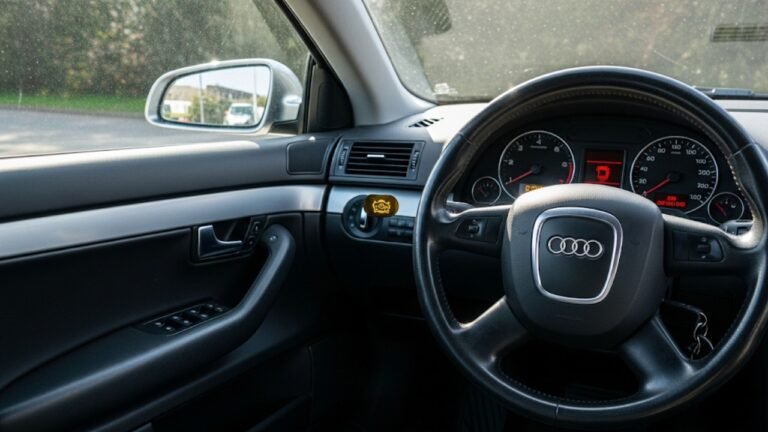
So, you’ve got a car that runs well, looks decent, and has been reliable—except for one nagging issue: the odometer isn’t working. Maybe the numbers froze at 87,432 miles, or the display is completely blank. You’re wondering, “Can I even sell this thing?” The short answer is yes—but it’s not as simple as slapping a “For Sale” sign on the windshield and hoping for the best.
Selling a car with a broken odometer is legally possible, but it comes with important responsibilities. You can’t just ignore the problem or pretend it doesn’t exist. In fact, failing to disclose a malfunctioning odometer could land you in serious legal trouble. The key is transparency, documentation, and understanding your state’s specific laws. Whether you’re selling privately or trading in at a dealership, honesty and preparation will go a long way in making the process smooth and ethical.
This guide will walk you through everything you need to know—from legal requirements and disclosure rules to practical tips for pricing and selling your vehicle. We’ll also cover what to do if you’re unsure about the actual mileage and how to protect yourself from liability. By the end, you’ll feel confident about your next steps, whether that’s fixing the odometer first or selling it as-is with full transparency.
Understanding Odometer Laws and Regulations
Before you list your car for sale, it’s crucial to understand the legal landscape surrounding odometer disclosures. The U.S. has strict federal laws designed to prevent odometer fraud—the intentional rolling back or misrepresentation of a vehicle’s mileage. These rules apply whether you’re selling a car privately, trading it in, or selling it to a dealership.
Federal Odometer Act
The cornerstone of odometer regulation in the U.S. is the Federal Odometer Act, enacted in 1972 and enforced by the National Highway Traffic Safety Administration (NHTSA). This law requires all vehicle sellers to provide a written disclosure of the mileage at the time of sale. This disclosure must be included on the vehicle’s title or a separate odometer disclosure statement.
If the odometer is broken, malfunctioning, or has been replaced, the seller must clearly indicate this on the disclosure form. For example, you might check a box that says “Odometer Malfunction” or write “Not Actual Mileage” in the mileage field. This protects you from accusations of fraud and informs the buyer that the displayed mileage may not be accurate.
State-Specific Requirements
While federal law sets the baseline, each state has its own rules and forms for odometer disclosures. Some states require additional documentation, such as a notarized statement or a separate affidavit. Others may have specific wording that must be used when disclosing a broken odometer.
For instance, in California, sellers must complete a “Statement of Facts” (Form REG 256) if the odometer is not working. This form explains the discrepancy and is submitted to the DMV during the title transfer. In Texas, the odometer disclosure is part of the title itself, and sellers must check the appropriate box if the mileage is unknown or inaccurate.
It’s essential to check your state’s Department of Motor Vehicles (DMV) website or contact them directly to understand the exact requirements. Failing to follow state-specific rules can delay the sale or result in penalties.
Penalties for Odometer Fraud
Odometer fraud is not taken lightly. Under federal law, individuals found guilty of tampering with or misrepresenting odometer readings can face fines up to $10,000 per violation and up to three years in prison. Civil lawsuits are also common, with victims able to recover damages—often triple the amount of their actual loss, plus attorney fees.
Even if you didn’t intentionally mislead the buyer, failing to disclose a broken odometer can be interpreted as negligence or fraud, especially if the buyer later discovers high mileage that wasn’t disclosed. That’s why full transparency is your best defense.
Why a Broken Odometer Matters to Buyers
From a buyer’s perspective, mileage is one of the most important factors when evaluating a used car. It directly affects the vehicle’s value, expected lifespan, and maintenance needs. A broken odometer raises red flags because it removes this critical piece of information.
Impact on Vehicle Valuation
Mileage is a key component in determining a car’s market value. Lower mileage typically means less wear and tear, which translates to higher resale value. When the odometer isn’t working, buyers can’t assess how much the car has been driven, making it harder to price the vehicle fairly.
For example, a 2015 Honda Civic with 40,000 miles might be worth $14,000, but the same model with 120,000 miles could be worth only $8,000. Without accurate mileage, buyers may assume the worst—that the car has high mileage—and offer significantly less. This can make it harder to sell the car unless you price it competitively.
Maintenance and Reliability Concerns
High mileage often correlates with increased maintenance needs. Components like the engine, transmission, suspension, and exhaust system wear out over time. Buyers want to know how much life is left in these parts before making a purchase.
A broken odometer makes it impossible to estimate the car’s maintenance history. Even if you’ve kept detailed service records, the lack of mileage data can make buyers skeptical. They may worry that the car has been driven extensively without proper care, increasing the risk of future repairs.
Resale Value and Future Buyers
Even if the current buyer is willing to take a chance, future resale becomes more complicated. Each time the car changes hands, the odometer issue must be disclosed again. Over time, this can erode the vehicle’s value and make it harder to sell.
Buyers may also be concerned about title branding. In some states, a car with a broken odometer that can’t be verified may receive a “not actual mileage” or “exempt” title, which can affect insurance and resale.
How to Disclose a Broken Odometer When Selling
Disclosure isn’t just a legal requirement—it’s a smart business practice. Being upfront about the odometer issue builds trust with potential buyers and reduces the risk of disputes after the sale.
Use the Correct Odometer Disclosure Form
When transferring ownership, you must complete an odometer disclosure statement. This is usually part of the vehicle’s title or a separate form provided by your state’s DMV. On this form, you’ll indicate the mileage reading and whether it’s accurate.
If the odometer is broken, you should:
– Enter the last known mileage (if available).
– Check the box or select the option that says “Odometer Malfunction,” “Not Actual Mileage,” or “Exceeds Mechanical Limits.”
– Provide a brief explanation in the comments section, such as “Odometer stopped working at 87,432 miles in 2022.”
Never leave the mileage field blank or write “Unknown” without further explanation. This can raise suspicions and may violate disclosure laws.
Include a Written Statement in the Bill of Sale
In addition to the official disclosure form, include a written statement in your bill of sale. This document serves as a contract between you and the buyer and should clearly outline the condition of the vehicle.
For example:
> “Seller hereby discloses that the vehicle’s odometer is not functioning and has been inoperative since [date]. The last known mileage reading was [number] miles. Buyer acknowledges this condition and agrees to purchase the vehicle ‘as-is’ with full knowledge of the odometer malfunction.”
This written acknowledgment protects you in case the buyer later claims they weren’t informed.
Provide Supporting Documentation
To strengthen your disclosure, gather any records that support your claim. This might include:
– Repair invoices showing attempts to fix the odometer.
– Mechanic inspection reports noting the odometer issue.
– Service records with mileage entries from oil changes, tire rotations, or other maintenance.
These documents help establish a timeline and show that you’ve been honest about the car’s condition.
Pricing and Marketing a Car with a Broken Odometer
Selling a car with a broken odometer requires careful pricing and marketing. Since buyers can’t rely on mileage, you’ll need to justify the price based on other factors like condition, maintenance history, and market comparables.
Determine a Fair Market Price
Start by researching similar vehicles in your area using tools like Kelley Blue Book (KBB), Edmunds, or Autotrader. Look for cars of the same make, model, year, and condition—but focus on those with higher mileage, since your car’s actual mileage is uncertain.
For example, if comparable cars with 100,000 miles are selling for $9,000, you might price your car between $7,500 and $8,500 to account for the odometer issue. This discount reflects the added risk and uncertainty for the buyer.
Highlight the Car’s Strengths
In your listing, emphasize the positives to offset the odometer problem. Mention:
– Recent repairs or maintenance (e.g., new brakes, tires, or transmission service).
– Low ownership (e.g., “One owner, non-smoker”).
– Clean title and no accidents.
– Fuel efficiency, safety ratings, or desirable features (like Bluetooth or backup camera).
Use high-quality photos to show the car’s exterior, interior, engine bay, and undercarriage. A well-maintained car with visible care can still attract buyers, even with a broken odometer.
Be Honest in Your Listing
Your ad should clearly state that the odometer is not working. Avoid vague language like “odometer issue” or “mileage unknown.” Instead, be specific:
> “Odometer stopped working at 87,432 miles in 2022. Last known mileage verified by service records. Vehicle runs great—recently had new timing belt and water pump installed.”
This level of detail shows you’re trustworthy and helps filter out buyers who aren’t serious or prepared for the uncertainty.
Should You Fix the Odometer Before Selling?
One of the biggest decisions you’ll face is whether to repair the odometer before listing the car. While it’s not required, fixing it can make the sale easier and potentially increase the price.
Cost of Repair vs. Resale Value
Odometer repairs can range from $100 to $500 or more, depending on the cause. Common issues include a faulty sensor, damaged wiring, or a failed instrument cluster. In some cases, especially with older vehicles, the entire cluster may need replacement.
Ask a trusted mechanic for a diagnosis and estimate. Then, compare the repair cost to the potential increase in resale value. If fixing the odometer allows you to sell the car for $1,000 more, it may be worth the investment.
Time and Convenience Factors
Repairing the odometer takes time—possibly days or weeks, depending on parts availability. If you need to sell the car quickly, this delay might not be practical. In that case, selling it as-is with full disclosure may be the better option.
However, if you’re not in a rush, a working odometer can attract more buyers and reduce negotiation. It also eliminates the need for complex disclosures and paperwork.
DIY vs. Professional Repair
Some odometer issues can be fixed at home, especially if it’s a simple electrical problem. For example, replacing a blown fuse or reconnecting a loose wire might restore function. However, tampering with the odometer—even to repair it—can be risky if not done correctly.
If you’re not experienced with automotive electronics, it’s best to leave the repair to a professional. Improper repairs can lead to further damage or legal issues if the odometer is altered in a way that misrepresents mileage.
Legal and Ethical Considerations
Selling a car with a broken odometer isn’t just about following rules—it’s about doing the right thing. Ethical selling builds your reputation and protects you from future problems.
Avoiding Odometer Fraud Accusations
Even if you didn’t tamper with the odometer, failing to disclose its condition can look suspicious. Buyers may assume you’re hiding high mileage, especially if the car shows signs of wear.
To avoid this, be proactive in your communication. Provide documentation, answer questions honestly, and encourage buyers to get an independent inspection. The more transparent you are, the less likely you are to face accusations of fraud.
Working with Dealerships and Trade-Ins
If you’re trading in your car or selling to a dealership, the same disclosure rules apply. Dealers are required by law to report odometer discrepancies to the DMV. They may offer less for your car due to the uncertainty, but they’ll still need to document the issue.
Some dealers may refuse to accept a car with a broken odometer, especially if they can’t verify the mileage. In that case, private sale may be your best option.
Protecting Yourself from Liability
After the sale, you’re still at risk if the buyer claims they weren’t properly informed. To protect yourself:
– Keep copies of all disclosure forms and the bill of sale.
– Take photos of the odometer showing it’s not working.
– Save all communication with the buyer (emails, texts, etc.).
These records can be crucial if a dispute arises.
Conclusion
Yes, you can sell a car with a broken odometer—but it requires honesty, preparation, and attention to detail. The key is full disclosure: clearly inform buyers about the malfunction, provide supporting documentation, and follow all federal and state laws. While the process may be more complex than selling a car with a working odometer, it’s entirely possible to do it legally and ethically.
Start by checking your state’s DMV requirements and completing the proper odometer disclosure forms. Price the car fairly, highlighting its strengths and maintenance history. Consider whether repairing the odometer is worth the cost and time. And always keep detailed records to protect yourself from liability.
Remember, buyers appreciate transparency. A car with a broken odometer isn’t necessarily a bad deal—especially if it’s well-maintained and priced right. By being upfront and responsible, you can sell your vehicle with confidence and peace of mind.
Frequently Asked Questions
Is it illegal to sell a car with a broken odometer?
No, it’s not illegal to sell a car with a broken odometer as long as you disclose the malfunction clearly and accurately. Failing to disclose it, however, can lead to legal penalties for odometer fraud.
Do I have to fix the odometer before selling?
No, you are not legally required to fix the odometer before selling. However, repairing it can make the sale easier and may increase the car’s value.
What should I write on the title if the odometer is broken?
On the title or odometer disclosure form, enter the last known mileage and check the box indicating “Odometer Malfunction” or “Not Actual Mileage.” Add a note explaining the issue if space allows.
Can a buyer sue me if the odometer was broken?
Yes, a buyer could potentially sue if they believe you misrepresented the mileage or failed to disclose the broken odometer. That’s why full disclosure and documentation are essential.
Will a broken odometer affect my car’s title?
In some states, a car with an unverifiable odometer may receive a “not actual mileage” or “exempt” title brand, which can affect resale value and insurance.
How do I prove the mileage if the odometer doesn’t work?
Use service records, repair invoices, and inspection reports that include mileage entries. These documents can help establish a mileage history even if the odometer is broken.