Can You Sell a Car That’s Not Registered

Yes, you can sell a car that’s not registered in most states, but it comes with important legal and practical considerations. The process varies by location, and buyers may be hesitant without proper documentation. Understanding your state’s laws and preparing the right paperwork ensures a smooth, lawful sale.
In This Article
- 1 Key Takeaways
- 2 📑 Table of Contents
- 3 Can You Sell a Car That’s Not Registered?
- 4 Understanding Car Registration and Ownership
- 5 Is It Legal to Sell an Unregistered Car?
- 6 What Documents Do You Need to Sell an Unregistered Car?
- 7 How to Sell an Unregistered Car: Step-by-Step Guide
- 8 Tips for a Successful Sale
- 9 Common Mistakes to Avoid
- 10 What Buyers Should Know
- 11 Conclusion
- 12 Frequently Asked Questions
- 12.1 Can I sell a car that hasn’t been registered in years?
- 12.2 Do I need to register the car before selling it?
- 12.3 What if the car doesn’t run?
- 12.4 Can I sell a car with expired registration?
- 12.5 Do I need insurance to sell an unregistered car?
- 12.6 What happens if I don’t file a Release of Liability?
Key Takeaways
- Legal in Most States: Selling an unregistered car is generally allowed, but registration status must be disclosed to the buyer.
- Title Transfer is Key: A valid, signed title is usually required to complete the sale, even if the car isn’t currently registered.
- Buyer Responsibilities: The new owner typically handles registration, taxes, and insurance after purchase.
- Private vs. Dealer Sales: Private sellers have more flexibility, while dealerships may refuse unregistered vehicles.
- Disclose Everything: Be transparent about why the car isn’t registered (e.g., storage, repairs, expired tags) to avoid legal issues.
- Check State Laws: Requirements vary widely—some states allow “as-is” sales, others require emissions or safety checks.
- Use a Bill of Sale: This document protects both parties and confirms the transfer of ownership.
📑 Table of Contents
- Can You Sell a Car That’s Not Registered?
- Understanding Car Registration and Ownership
- Is It Legal to Sell an Unregistered Car?
- What Documents Do You Need to Sell an Unregistered Car?
- How to Sell an Unregistered Car: Step-by-Step Guide
- Tips for a Successful Sale
- Common Mistakes to Avoid
- What Buyers Should Know
- Conclusion
Can You Sell a Car That’s Not Registered?
So, you’ve got a car sitting in your driveway—maybe it’s been sitting for months, or it’s been out of commission due to repairs, or perhaps you just never got around to registering it after buying it. Now you want to sell it. But here’s the big question: Can you sell a car that’s not registered?
The short answer is: Yes, in most cases, you can. But it’s not as simple as slapping a “For Sale” sign on the windshield and waiting for offers. Selling an unregistered vehicle comes with a unique set of rules, responsibilities, and potential pitfalls. Whether you’re dealing with a classic car stored in a garage, a project vehicle needing work, or a car that simply lapsed in registration, understanding the legal and practical aspects is crucial.
This guide will walk you through everything you need to know—from state-specific regulations to tips for making the sale go smoothly. We’ll cover what documents you need, how to handle the title, what buyers expect, and how to avoid common mistakes. By the end, you’ll feel confident about selling your unregistered car the right way.
Understanding Car Registration and Ownership
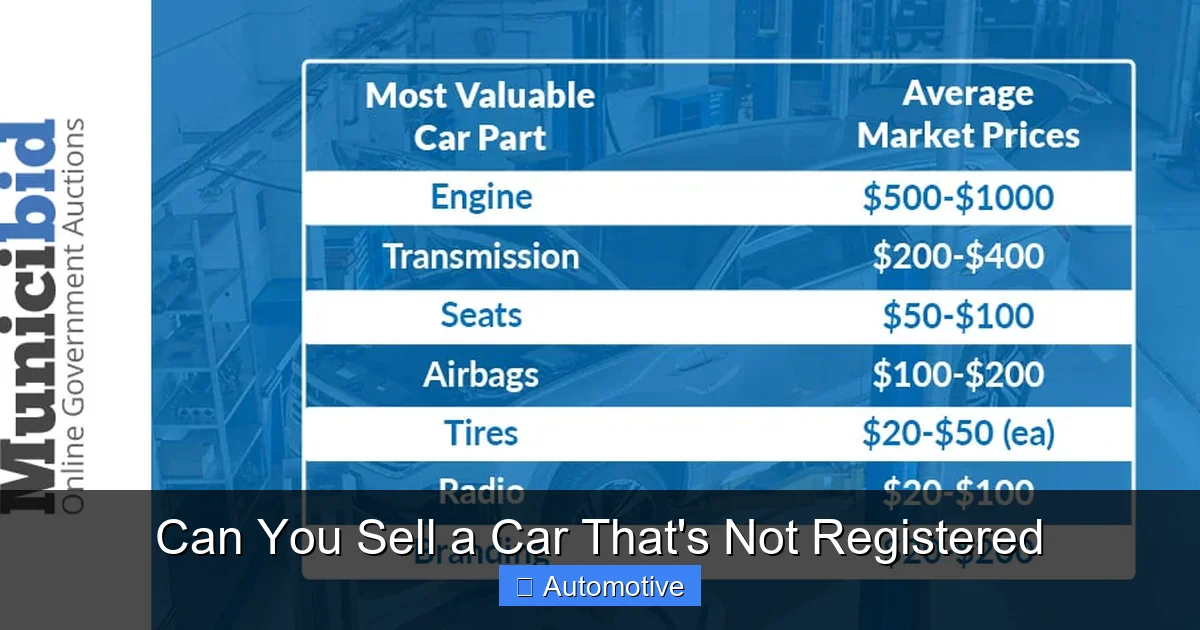
Visual guide about Can You Sell a Car That’s Not Registered
Image source: carworld.blog
Before diving into the sale process, it’s important to understand the difference between ownership and registration. These two concepts are related but not the same—and confusing them can lead to legal trouble.
What Does “Registered” Mean?
When a car is registered, it means the vehicle is officially recorded with your state’s Department of Motor Vehicles (DMV) or equivalent agency. Registration includes paying fees, providing proof of insurance (in most states), and displaying valid license plates and registration stickers. It’s essentially the government’s way of saying, “This vehicle is legally allowed to operate on public roads.”
Registration is typically renewed annually or biennially, depending on your state. If you let it lapse—whether due to forgetfulness, financial reasons, or because the car isn’t being driven—the vehicle becomes unregistered.
What Does “Ownership” Mean?
Ownership, on the other hand, refers to legal title of the vehicle. The person listed on the car’s title is the legal owner, regardless of whether the car is registered or insured. You can own a car that hasn’t been registered for years—think of classic cars stored in garages or vehicles awaiting restoration.
So, while registration is about operating the vehicle on public roads, ownership is about legal possession. This distinction is key when selling a car that’s not registered. You can transfer ownership even if the car isn’t currently street-legal.
Why Would a Car Be Unregistered?
There are several common reasons a car might not be registered:
- Long-term storage: Classic or collector cars are often stored and not driven regularly.
- Pending repairs: A car may be out of commission due to mechanical issues.
- Financial hardship: Some owners can’t afford registration fees or insurance.
- Recently purchased: A new owner may not have completed the registration process yet.
- Expired registration: The owner simply let it lapse and forgot to renew.
Understanding why your car isn’t registered can help you explain the situation to potential buyers and set realistic expectations.
Is It Legal to Sell an Unregistered Car?
Now for the million-dollar question: Is it legal to sell a car that’s not registered? The answer depends on your state, but in most cases, the answer is yes—with conditions.
General Legal Framework
In the United States, there is no federal law prohibiting the sale of an unregistered vehicle. However, each state has its own rules regarding vehicle sales, title transfers, and registration requirements. Most states allow private individuals to sell cars that are not currently registered, as long as the seller has a valid title and follows proper transfer procedures.
The key legal requirement is that the seller must be the legal owner of the vehicle, as shown on the title. If you have a clear title (no liens, no disputes), you can generally sell the car—even if it’s unregistered.
State-by-State Variations
While the general rule is that selling an unregistered car is allowed, some states have additional requirements:
- California: You can sell an unregistered car, but the buyer must register it within 20 days of purchase. The seller must provide a smog check if the car is over four years old.
- Texas: Unregistered cars can be sold, but the buyer must pay sales tax and registration fees. A safety inspection may be required before registration.
- New York: You can sell an unregistered vehicle, but the buyer must register it and provide proof of insurance. The seller must complete a Bill of Sale and transfer the title.
- Florida: Selling an unregistered car is allowed, but the buyer must register it within 30 days. The seller must disclose the registration status.
- Illinois: You can sell an unregistered car, but the buyer must pass emissions testing (if applicable) before registering.
Always check your state’s DMV website or consult a local expert to confirm the rules in your area.
What About Lienholder Issues?
If there’s still a loan on the car, the situation gets more complicated. Most lenders require the vehicle to be registered and insured as part of the loan agreement. Selling a car with an outstanding loan—especially if it’s unregistered—can violate the terms of your financing.
In such cases, you’ll need to pay off the loan before selling, or work with the lender to transfer ownership. Never sell a car with an active lien without resolving it first—this can lead to legal and financial consequences.
What Documents Do You Need to Sell an Unregistered Car?
Even if the car isn’t registered, you still need proper documentation to complete the sale legally. Here’s what you’ll typically need:
1. Vehicle Title
The title is the most important document. It proves you own the car and have the right to sell it. Make sure the title is:
- Signed by the seller (you)
- Free of liens (or the lien has been released)
- Accurate and legible
If the title is lost, you’ll need to apply for a duplicate from your state’s DMV before selling.
2. Bill of Sale
A Bill of Sale is a legal document that records the transfer of ownership. It should include:
- Seller and buyer names and addresses
- Vehicle make, model, year, and VIN
- Sale price
- Date of sale
- Odometer reading (if applicable)
- Signatures of both parties
Some states provide official Bill of Sale forms, while others allow you to create your own. Either way, keep a copy for your records.
3. Odometer Disclosure Statement
If the car is less than 10 years old (rules vary by state), you may need to complete an odometer disclosure statement. This confirms the mileage at the time of sale and helps prevent fraud.
4. Release of Liability Form
After the sale, you should file a Release of Liability form with your state’s DMV. This protects you from being held responsible for tickets, accidents, or other issues after the car changes hands. Most states allow you to submit this form online.
5. Maintenance and Repair Records (Optional but Helpful)
While not legally required, providing records of past maintenance, repairs, or storage can increase buyer confidence—especially for older or unregistered vehicles.
How to Sell an Unregistered Car: Step-by-Step Guide
Selling an unregistered car doesn’t have to be complicated. Follow these steps to ensure a smooth, legal transaction.
Step 1: Prepare the Vehicle
Even if the car isn’t running, clean it up as much as possible. Remove personal items, wipe down surfaces, and take clear photos. A well-presented car—even if unregistered—looks more trustworthy to buyers.
If the car needs minor repairs (e.g., a dead battery, flat tires), consider fixing them to make it more appealing.
Step 2: Gather All Required Documents
As mentioned earlier, collect the title, Bill of Sale, odometer disclosure, and any other relevant paperwork. Make copies for your records.
Step 3: Determine a Fair Price
Research similar vehicles for sale in your area—especially those that are unregistered or in similar condition. Use resources like Kelley Blue Book, Edmunds, or local classifieds to set a competitive price.
Keep in mind that unregistered cars may sell for less than registered ones, especially if they need work or documentation.
Step 4: Advertise the Car
List the car on platforms like Craigslist, Facebook Marketplace, Autotrader, or local car groups. Be honest in your description:
- Mention that the car is unregistered
- Explain why (e.g., “Stored for 2 years, needs new battery”)
- Include photos of the interior, exterior, engine, and VIN
- Note any known issues or repairs needed
Transparency builds trust and reduces the risk of disputes later.
Step 5: Meet with Potential Buyers
When meeting buyers, choose a safe, public location. Allow them to inspect the car, but don’t let them drive it unless it’s legally registered and insured (which it’s not, in this case).
Be prepared to answer questions about the car’s history, why it’s unregistered, and what’s needed to get it back on the road.
Step 6: Complete the Sale
Once you agree on a price:
- Sign the title over to the buyer
- Complete the Bill of Sale
- Provide any additional documents (e.g., repair records)
- Accept payment (cash, cashier’s check, or secure electronic transfer)
- Keep a copy of all paperwork
Step 7: File a Release of Liability
Within a few days of the sale, submit a Release of Liability form to your state’s DMV. This step is critical—it officially removes you from responsibility for the vehicle.
Tips for a Successful Sale
Selling an unregistered car can be tricky, but these tips will help you avoid common pitfalls.
Be Honest and Transparent
Don’t hide the fact that the car isn’t registered. Buyers appreciate honesty, and hiding information can lead to legal trouble or a failed sale.
Explain the Reason
If the car was stored, repaired, or simply lapsed, explain why. A well-maintained classic car stored in a garage is more appealing than one that was abandoned.
Offer to Help with Registration
While it’s not your responsibility, offering to assist the buyer with registration paperwork (e.g., providing a notarized title) can make the sale smoother.
Consider Selling “As-Is”
If the car needs work, sell it “as-is” to set clear expectations. This reduces the chance of returns or complaints.
Use Secure Payment Methods
Avoid personal checks or wire transfers from unknown sources. Cash or cashier’s checks are safest for private sales.
Keep Records
Save copies of the title, Bill of Sale, and Release of Liability form for at least a few years. You may need them if questions arise later.
Common Mistakes to Avoid
Even experienced sellers make errors when dealing with unregistered vehicles. Watch out for these common mistakes:
Selling Without a Title
Never sell a car without a valid title. If you’ve lost it, get a duplicate before listing the car.
Failing to Disclose Registration Status
Hiding the fact that the car isn’t registered can lead to fraud accusations. Always disclose it upfront.
Not Filing a Release of Liability
This is a big one. If you don’t file this form, you could be held liable for parking tickets, accidents, or toll violations after the sale.
Accepting Risky Payment Methods
Scams are common in private car sales. Stick to secure payment methods and meet in safe locations.
Ignoring State Laws
Each state has different rules. Don’t assume what works in one state applies everywhere. Always verify local requirements.
What Buyers Should Know
If you’re on the buying side, purchasing an unregistered car can be a great deal—but it comes with responsibilities.
You’ll Need to Register It
As the new owner, you’re responsible for registering the vehicle, paying taxes, and obtaining insurance. This can cost several hundred dollars, depending on your state.
Check for Liens
Before buying, run a VIN check to ensure there are no outstanding liens or theft reports.
Inspect the Vehicle
Have a mechanic inspect the car, especially if it’s been sitting. Unregistered cars may have hidden issues like dead batteries, flat tires, or rodent damage.
Verify the Title
Make sure the title is clean, signed, and matches the seller’s ID. Avoid buying from someone who can’t provide proper documentation.
Conclusion
So, can you sell a car that’s not registered? Absolutely—but it requires careful planning, honesty, and attention to detail. While the process is legal in most states, it’s not as simple as selling a registered vehicle. You’ll need a valid title, proper documentation, and a clear understanding of your state’s rules.
The key to a successful sale is transparency. Disclose the car’s registration status, explain why it’s unregistered, and provide all necessary paperwork. By doing so, you protect yourself legally and build trust with buyers.
Whether you’re selling a classic car, a project vehicle, or a car that simply lapsed in registration, following the steps in this guide will help you complete the sale smoothly and confidently. Remember: the goal isn’t just to sell the car—it’s to do it the right way.
Frequently Asked Questions
Can I sell a car that hasn’t been registered in years?
Yes, you can sell a car that hasn’t been registered for years, as long as you have a valid title and follow your state’s transfer rules. The buyer will be responsible for registering it.
Do I need to register the car before selling it?
No, you don’t need to register the car before selling it. However, you must disclose that it’s unregistered and provide a valid title.
What if the car doesn’t run?
You can still sell a non-running car, but you should price it accordingly and clearly state its condition. Some buyers look for project cars or parts vehicles.
Can I sell a car with expired registration?
Yes, expired registration doesn’t prevent a sale. Just make sure the title is valid and you complete the transfer properly.
Do I need insurance to sell an unregistered car?
No, you don’t need active insurance to sell an unregistered car. However, the buyer will need to insure it before driving it.
What happens if I don’t file a Release of Liability?
If you don’t file a Release of Liability, you could be held responsible for tickets, accidents, or tolls after the sale. Always submit this form to your DMV.