Can You Sell a Car That Is Not Registered in Your Name
Yes, you can sell a car that is not registered in your name, but it requires careful legal steps and proper documentation. This process often involves obtaining a signed title from the registered owner, using a power of attorney, or working through probate if the owner has passed away. Understanding state-specific rules and potential pitfalls is essential to complete the sale smoothly and legally.
This is a comprehensive guide about can you sell a car that is not registered in your name.
In This Article
- 1 Key Takeaways
- 2 Can You Sell a Car That Is Not Registered in Your Name?
- 3 Understanding Legal Ownership and Registration
- 4 Legal Ways to Sell a Car Not in Your Name
- 5 State-Specific Rules and DMV Requirements
- 6 Risks and Pitfalls to Avoid
- 7 Practical Tips for a Smooth Sale
- 8 Conclusion
- 9 Frequently Asked Questions
- 9.1 Can I sell a car that’s in my spouse’s name?
- 9.2 What if the owner is in a nursing home and can’t sign?
- 9.3 Can I sell a car my parent left me in their will?
- 9.4 Do I need a bill of sale if the car isn’t in my name?
- 9.5 What happens if the car has a lien?
- 9.6 Can I sell a car online if it’s not in my name?
Key Takeaways
- Legal ownership matters: Only the person listed on the title or registration can legally sell a vehicle in most cases.
- Power of attorney can help: If the registered owner can’t sign, a notarized power of attorney may allow someone else to sell on their behalf.
- Probate may be required: If the owner has died, the car must typically go through probate before it can be sold.
- Bill of sale is essential: A detailed bill of sale protects both buyer and seller, even when the seller isn’t the registered owner.
- State laws vary widely: Always check your state’s DMV or motor vehicle agency rules before proceeding.
- Lender approval may be needed: If the car has a lien, the lender must approve the sale and release the title.
- Fraud risks exist: Selling a car you don’t legally own can lead to serious legal consequences if not handled correctly.
[FEATURED_IMAGE_PLACEHOLDER]
Can You Sell a Car That Is Not Registered in Your Name?
So, you’ve got a car you want to sell—but here’s the catch: it’s not registered in your name. Maybe it’s in your spouse’s name, your parent’s, or even a deceased relative’s. Or perhaps you’re helping a friend or family member sell a vehicle they no longer need. Whatever the situation, you’re probably wondering: *Can I legally sell this car if my name isn’t on the title or registration?*
The short answer is: yes, but with conditions. Selling a car that isn’t registered in your name isn’t impossible, but it does require extra steps, paperwork, and a solid understanding of the legal framework. It’s not as simple as handing over the keys and cash. In fact, skipping the right procedures can lead to serious legal trouble, including accusations of fraud or theft.
But don’t worry—this guide will walk you through everything you need to know. Whether you’re dealing with a family vehicle, an inherited car, or a situation where the owner is unavailable, we’ll cover the legal pathways, common challenges, and practical tips to help you sell that car safely and legitimately.
Understanding Legal Ownership and Registration
Before you can sell a car that isn’t in your name, it’s crucial to understand the difference between *ownership* and *registration*—and why both matter.
In most U.S. states, the title is the legal document that proves ownership of a vehicle. The name(s) listed on the title are the official owners. Registration, on the other hand, is about where and how the car is licensed to be driven. It includes details like the license plate number, registration expiration date, and the address where the vehicle is primarily kept.
Here’s the key point: You don’t need to be the registered owner to sell a car, but you do need to be the legal owner—or have legal authority to act on the owner’s behalf.
For example, imagine your mom owns a car, but it’s registered at her old address. She gives you permission to sell it. Even though your name isn’t on the title or registration, you can still sell it—*if* she signs the title over to you or authorizes you to sell it through a legal document like a power of attorney.
But if you try to sell the car without her knowledge or consent, that’s a big red flag. It could be seen as fraud or even theft, depending on the circumstances. The buyer could later claim they were misled, and you could face civil or criminal penalties.
So, the first step in selling a car not in your name is confirming who the legal owner is and whether you have the right to sell it.
Why Registration Doesn’t Equal Ownership
Many people assume that because a car is registered in someone’s name, that person owns it. But that’s not always true. Registration is more about compliance with state laws—like paying taxes and ensuring the vehicle is insured—than it is about proving ownership.
For instance, a parent might register a car in their child’s name for insurance purposes, but the title could still be in the parent’s name. Or a couple might jointly own a car, but only one person is listed on the registration due to address requirements.
This distinction is important because only the title holder(s) can legally transfer ownership. So even if the car is registered in your name, if the title is in someone else’s, you can’t sell it without their involvement.
Common Scenarios Where This Comes Up
There are several real-life situations where someone might want to sell a car that isn’t registered in their name:
– Inherited vehicles: A car left to you in a will, but the title hasn’t been transferred yet.
– Family hand-me-downs: A parent giving a car to a child, but the title is still in the parent’s name.
– Elderly or incapacitated owners: A relative who can no longer manage their affairs, but still owns a car.
– Divorce or separation: One spouse wants to sell a jointly owned car, but the other is uncooperative.
– Business vehicles: A company car that’s registered to the business, but an employee is handling the sale.
In each of these cases, the person selling the car may not be the registered owner—but they may still have a legitimate reason and legal path to sell it.
Legal Ways to Sell a Car Not in Your Name
Now that we’ve covered the basics, let’s dive into the legal methods you can use to sell a car that isn’t registered in your name. The right approach depends on your specific situation, but here are the most common and reliable options.
1. Get the Title Signed Over to You
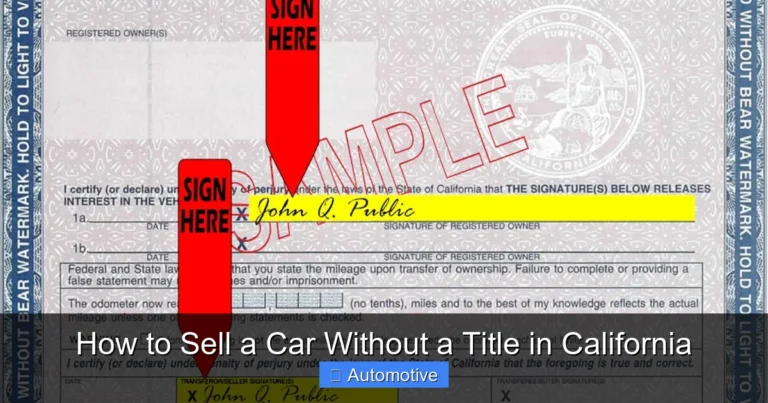
The cleanest and most straightforward way to sell a car not in your name is to have the current owner sign the title over to you. This process is called a title transfer.
Here’s how it works:
– The current owner (the person named on the title) fills out the “seller” section of the title.
– They sign it in front of a notary (in most states).
– You, as the new owner, fill out the “buyer” section.
– You take the signed title to the DMV to complete the transfer and register the car in your name.
Once the title is in your name, you can sell the car just like any other vehicle. You’ll have full legal authority to transfer ownership to the buyer.
Example: Your dad owns a 2015 Honda Accord, but he’s moving into assisted living and no longer drives. He signs the title over to you. You take it to the DMV, pay the transfer fee, and now the car is legally yours. You can then list it for sale, negotiate with buyers, and sign the title over to them.
This method is ideal when the current owner is alive, mentally competent, and willing to cooperate.
2. Use a Power of Attorney (POA)
If the current owner can’t sign the title themselves—maybe they’re ill, traveling, or otherwise unavailable—you may be able to use a power of attorney to sell the car on their behalf.
A power of attorney is a legal document that gives someone else (the “agent” or “attorney-in-fact”) the authority to act on your behalf in financial or legal matters. For vehicle sales, you’ll need a durable power of attorney that specifically includes the power to sell motor vehicles.
Here’s what you need to do:
– The current owner must sign a POA form, naming you as their agent.
– The POA must be notarized (required in most states).
– The POA should clearly state that you’re authorized to sell vehicles.
– You’ll need to present the POA to the DMV or buyer as proof of your authority.
Important: Not all states accept a POA for vehicle sales. Some require the POA to be recorded with the county or have specific language. Always check your state’s DMV website or consult a lawyer.
Example: Your elderly aunt lives in another state and can’t travel. She signs a durable POA giving you the power to sell her car. You use the POA to sign the title as her agent, sell the car locally, and send her the proceeds.
This method works well when the owner is alive but unable to handle the sale themselves.
3. Sell Through Probate (After Death)
If the car belonged to someone who has passed away, you’ll likely need to go through probate—the legal process of settling an estate—before you can sell the vehicle.
Probate ensures that the deceased person’s assets (including cars) are distributed according to their will or state law. Only after probate can the car be legally transferred to an heir or sold.
Here’s the typical process:
– The court appoints an executor or personal representative to manage the estate.
– The executor inventories the assets, including the car.
– If the car is to be sold, the executor must get court approval (in some states).
– The executor signs the title on behalf of the estate.
– The buyer receives a bill of sale and the signed title.
– The buyer registers the car in their name.
Note: In some states, small estates (under a certain value) can bypass formal probate using a simplified process, like an affidavit of inheritance.
Example: Your grandfather passed away, leaving his car to you in his will. The court names you as executor. You file the will, notify the DMV, and after probate is complete, you sign the title as executor and sell the car.
This method is necessary when the owner has died and the title hasn’t been transferred.
4. Sell with a Lien Release (If There’s a Loan)
If the car has an outstanding loan, the title is typically held by the lender—not the owner. In this case, you can’t sell the car until the loan is paid off and the lien is released.
But what if the owner wants to sell the car before paying off the loan? It’s still possible, but it requires coordination with the lender.
Here’s how it works:
– The buyer pays the seller, and the seller uses part of the money to pay off the loan.
– The lender releases the lien and sends the title to the seller (or directly to the DMV).
– The seller then signs the title over to the buyer.
Alternatively, some lenders allow a lien release at sale, where the buyer’s payment goes directly to the lender to satisfy the loan.
Important: You can’t sell a car with a lien unless the lender agrees. Trying to sell it without paying off the loan is illegal and could result in repossession.
Example: Your sister owns a car with a $5,000 loan. She finds a buyer willing to pay $8,000. She arranges for the buyer to pay $5,000 to the lender and $3,000 to her. The lender releases the lien, and she signs the title over to the buyer.
This method is essential when the car is still financed.
State-Specific Rules and DMV Requirements
One of the biggest challenges in selling a car not in your name is that every state has different rules. What works in Texas might not work in New York. So, before you proceed, you *must* check your state’s DMV or motor vehicle agency guidelines.
Here are some common variations:
– Notarization: Most states require the title to be notarized when signed by someone other than the owner.
– POA acceptance: Some states accept a standard POA for vehicle sales; others require a specific form or additional documentation.
– Probate shortcuts: A few states allow heirs to transfer a vehicle without full probate if the estate is small.
– Bill of sale requirements: Some states require a bill of sale for all vehicle transfers; others only require it for private sales.
Tip: Visit your state’s official DMV website and search for “sell a car not in your name” or “transfer vehicle title.” Look for forms, checklists, and FAQs.
You can also call your local DMV office and ask to speak with a title clerk. They can explain the exact steps for your situation.
Example: In California, you can use a power of attorney to sell a car, but the POA must be notarized and include specific language about vehicle sales. In Florida, you may need to file a “Notice of Sale” with the DMV if the car is still in the deceased owner’s name.
Common DMV Forms You Might Need
Depending on your state, you may need to complete one or more of these forms:
– Title transfer form: To officially transfer ownership.
– Bill of sale: A document that records the sale details (price, date, VIN, etc.).
– Power of attorney form: To authorize someone to act on your behalf.
– Affidavit of inheritance: For transferring a vehicle after death without probate (in some states).
– Lien release form: From the lender, confirming the loan is paid.
Always use the most recent version of these forms from your state’s DMV website.
Risks and Pitfalls to Avoid
Selling a car that isn’t in your name can be legally complex—and if you’re not careful, you could run into serious trouble. Here are some common risks and how to avoid them.
Accusations of Fraud or Theft
If you sell a car without the legal owner’s consent, you could be accused of fraud or even grand theft auto. Even if you had good intentions, the law sees it as stealing someone else’s property.
How to avoid it: Always get written permission from the owner—or use a legal method like a POA or probate. Keep copies of all documents.
Buyer Disputes and Title Issues
If the buyer later discovers the car wasn’t properly transferred, they could sue you for misrepresentation. They might also have trouble registering the car, which could lead to fines or impoundment.
How to avoid it: Provide a clear bill of sale, ensure the title is properly signed, and follow your state’s transfer process exactly.
Lender or Insurance Complications
If the car has a lien or is still insured under the original owner, the sale could be blocked. The lender might not release the title, or the insurance company might cancel coverage.
How to avoid it: Contact the lender and insurance company *before* the sale. Make sure the lien is released and the insurance is updated.
Tax and Fee Confusions
Some states charge sales tax based on the sale price, while others use the vehicle’s value. If you’re not the owner, you might not know how much tax the buyer owes.
How to avoid it: Check your state’s tax rules and include tax information in the bill of sale.
Practical Tips for a Smooth Sale
Now that you know the legal pathways and risks, here are some practical tips to make the sale go smoothly:
– Communicate clearly with the owner: Make sure they understand the process and agree to the sale.
– Gather all documents early: Title, registration, POA, bill of sale, lien release—have everything ready.
– Use a detailed bill of sale: Include the VIN, sale price, date, and both parties’ information.
– Meet in a safe, public place: For the exchange of money and keys.
– Take a photo of the odometer: Required in some states to prevent odometer fraud.
– Notify the DMV promptly: Some states require you to report the sale within a certain timeframe.
Conclusion
Selling a car that isn’t registered in your name is definitely possible—but it’s not something you should rush into. Whether you’re helping a family member, dealing with an inherited vehicle, or managing a complex ownership situation, the key is to follow the law carefully and document every step.
Start by confirming who the legal owner is. Then, choose the right method: title transfer, power of attorney, probate, or lien release. Always check your state’s DMV rules, and don’t skip notarization or required forms.
Yes, it takes extra effort. But doing it right protects you from legal trouble, ensures a smooth transaction for the buyer, and gives everyone peace of mind. When in doubt, consult a lawyer or contact your local DMV. With the right preparation, you can sell that car—no matter whose name it’s in.
Frequently Asked Questions
Can I sell a car that’s in my spouse’s name?
Yes, if your spouse signs the title over to you or gives you a power of attorney. In some states, married couples can sell jointly owned vehicles with both signatures, even if only one name is on the title.
What if the owner is in a nursing home and can’t sign?
You may need a durable power of attorney signed before the owner became incapacitated. If no POA exists, you might need to go through guardianship or conservatorship court to gain legal authority.
Can I sell a car my parent left me in their will?
Only after the estate goes through probate. The court must approve the transfer or sale. In some states, you can use an affidavit of inheritance if the estate is small.
Do I need a bill of sale if the car isn’t in my name?
Yes. A bill of sale protects both parties and proves the transaction occurred. Include the VIN, sale price, date, and both parties’ information.
What happens if the car has a lien?
You can’t sell it until the lien is released. The buyer’s payment must first satisfy the loan. Work with the lender to coordinate the payoff and title release.
Can I sell a car online if it’s not in my name?
Yes, but you’ll still need proper documentation. Use secure payment methods, meet in person for the exchange, and ensure all paperwork is completed correctly to avoid fraud claims.