
Can You Donate Car Seats?

Yes, you can donate car seats—but only if they meet strict safety and age requirements. Donating a car seat helps families in need, but safety must come first. Always check expiration dates, recalls, and condition before donating.
Key Takeaways
- Car seats can be donated if they are less than 6–10 years old and not expired. Most manufacturers stamp an expiration date on the seat, usually 6 to 10 years from manufacture.
- Never donate a car seat involved in a moderate or severe crash. Even if it looks fine, internal damage can compromise safety.
- Check for recalls before donating. Use the NHTSA website or manufacturer’s database to verify the seat hasn’t been recalled.
- Only donate car seats in good condition. No cracks, missing parts, frayed straps, or mold—these make a seat unsafe.
- Donate to trusted organizations. Look for nonprofits, shelters, or hospitals with clear car seat donation policies.
- Include all original parts and instructions. Missing manuals or accessories reduce the seat’s usability and safety.
- When in doubt, recycle or dispose of it safely. If a seat is expired or damaged, don’t risk someone else’s child—dispose of it properly.
📑 Table of Contents
- Can You Donate Car Seats? A Complete Guide for Parents and Caregivers
- Why Donating Car Seats Matters
- When Is It Safe to Donate a Car Seat?
- Where Can You Donate Car Seats?
- How to Prepare a Car Seat for Donation
- What to Do If You Can’t Donate Your Car Seat
- Common Myths About Donating Car Seats
- Final Thoughts: Donate Wisely, Protect Lives
Can You Donate Car Seats? A Complete Guide for Parents and Caregivers
So, your little one has outgrown their car seat—again. You’re staring at that bulky infant seat or toddler booster taking up space in the garage, and you’re wondering: Can I donate this? It’s a thoughtful question, and the short answer is: yes, you can donate car seats—but only under the right conditions.
Car seats are essential safety devices, not just baby gear. Unlike clothes or toys, they’re designed to protect children in the event of a crash. That means their integrity matters—a lot. Donating a car seat isn’t as simple as dropping it off at a thrift store. There are safety standards, legal considerations, and ethical responsibilities involved. But when done correctly, donating a car seat can make a real difference. It can help a low-income family afford safe transportation for their child, support a foster family, or assist a nonprofit working with at-risk youth.
In this guide, we’ll walk you through everything you need to know about donating car seats: when it’s safe, where to go, what to avoid, and how to ensure your donation actually helps—instead of putting a child at risk.
Why Donating Car Seats Matters

Visual guide about Can You Donate Car Seats?
Image source: unitedsocietydonations.com
Every year, thousands of children are injured or killed in car accidents. According to the National Highway Traffic Safety Administration (NHTSA), car seats reduce the risk of fatal injury by 71% for infants and 54% for toddlers. Yet, many families can’t afford new car seats, especially if they’re raising multiple children or facing financial hardship.
That’s where donations come in. When you donate a safe, usable car seat, you’re not just decluttering your home—you’re potentially saving a life. Nonprofits, domestic violence shelters, foster care agencies, and community health programs often rely on donated car seats to support families in crisis.
For example, a single mother fleeing an abusive relationship might not have the funds to buy a car seat for her toddler. A donated seat could mean the difference between safe travel and risking a traffic stop—or worse. Similarly, foster parents often receive children with little notice and may not have time to purchase proper safety equipment.
But here’s the catch: only safe, functional car seats should ever be donated. A damaged or expired seat does more harm than good. It gives a false sense of security and could fail in a crash. That’s why understanding the rules and best practices is so important.
When Is It Safe to Donate a Car Seat?
Visual guide about Can You Donate Car Seats?
Image source: unitedsocietydonations.com
Not all car seats are donation-ready. Before you pack up that old seat, ask yourself these key questions:
Is the Car Seat Still Within Its Expiration Date?
Yes, car seats expire. Most manufacturers set an expiration date of 6 to 10 years from the date of manufacture. You’ll usually find this stamped on a label on the back or bottom of the seat. For example, a seat made in January 2018 expires in January 2024 or 2028, depending on the brand.
Why do they expire? Over time, plastics degrade, straps weaken, and foam loses its protective qualities. Heat, sunlight, and regular use accelerate this wear. An expired seat may not perform as intended in a crash.
Tip: If the expiration date has passed, do not donate it. Recycle or dispose of it instead.
Has the Car Seat Been in a Crash?
If your car seat was involved in a moderate or severe crash—even if the child wasn’t in it—it should not be donated. The NHTSA recommends replacing any car seat after a crash that required vehicle repairs or airbag deployment.
Why? Crashes can cause invisible damage to the seat’s structure. Cracks in the shell, weakened harnesses, or compromised energy-absorbing materials may not be visible but can fail under stress.
Exception: If the crash was minor—like a fender bender with no airbag deployment and no damage to the seat—some experts say it may still be safe. But to be cautious, many organizations will not accept seats with any crash history.
Is the Car Seat Free of Recalls?
Recalls happen. Manufacturers issue them when a defect is discovered that could affect safety. Common issues include faulty buckles, weak harnesses, or defective side-impact protection.
Before donating, check the NHTSA’s recall database (nhtsa.gov/recalls) or the manufacturer’s website. Enter the seat’s model number and manufacture date. If it’s under recall and hasn’t been repaired, do not donate it.
Example: In 2022, a major brand recalled over 100,000 infant car seats due to a buckle that could fail under pressure. If you owned one of those seats and never got it repaired, it’s unsafe—even if it looks fine.
Is the Car Seat in Good Physical Condition?
Inspect the seat thoroughly. Look for:
– Cracks in the plastic shell
– Frayed or torn harness straps
– Missing or broken parts (buckles, recline mechanisms, etc.)
– Mold or mildew (common in humid climates)
– Stains that can’t be cleaned (especially bodily fluids)
If any of these are present, the seat is not safe to donate. Even small cracks can spread under impact. Mold can cause respiratory issues. And missing parts mean the seat can’t function properly.
Pro Tip: Clean the seat before donating. Use mild soap and water—avoid harsh chemicals that could degrade materials. Remove any personal items like toys or blankets.
Do You Have the Manual and All Original Parts?
The instruction manual is crucial. It tells the next user how to install the seat correctly, adjust the harness, and use the LATCH system or seat belt. Without it, the seat is much harder—and less safe—to use.
Also, make sure all parts are included: base (for infant seats), cup holders, extra padding, and any accessories that came with it. Missing parts can make the seat unusable.
What if you lost the manual? Most manufacturers offer free digital copies on their websites. Print it out or include a note with the download link.
Where Can You Donate Car Seats?
Visual guide about Can You Donate Car Seats?
Image source: auto-domain.com
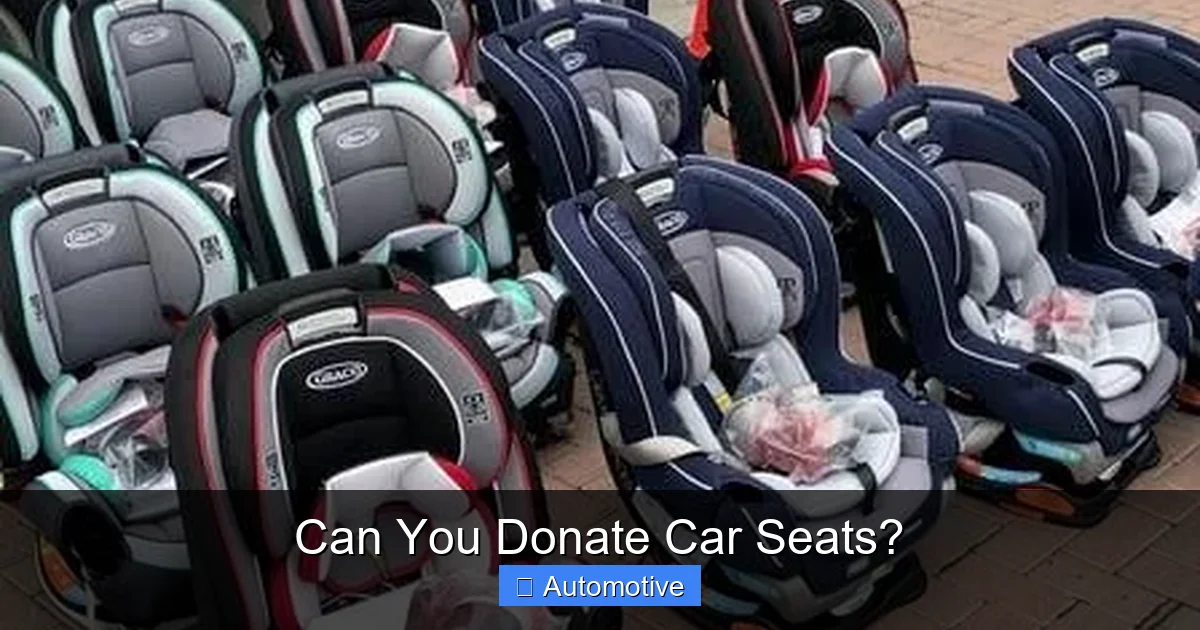
Once you’ve confirmed your car seat is safe to donate, the next step is finding the right place. Not all organizations accept car seats, and those that do often have strict guidelines.
Nonprofit Organizations and Charities
Many national and local nonprofits accept car seat donations. Examples include:
– **Safe Kids Worldwide**: Partners with local coalitions to distribute car seats to families in need.
– **The National Diaper Bank Network**: Some locations also collect car seats for low-income families.
– **Local women’s shelters and domestic violence centers**: Often need car seats for mothers and children fleeing unsafe homes.
– **Foster care agencies**: Provide seats to new foster parents on short notice.
Tip: Call ahead. Policies vary by location. Some shelters only accept new seats, while others will take gently used ones if they meet safety standards.
Hospitals and Pediatric Clinics
Some hospitals run car seat safety programs and accept donations. They may distribute them to patients or use them for educational purposes. For example, a pediatric clinic might give a donated seat to a teen mom who can’t afford one.
Check with your local children’s hospital or community health center. Even if they don’t take donations directly, they may refer you to a partner organization.
Community Events and Drive-Ins
Look for “car seat donation drives” in your area. These are often organized by police departments, fire stations, or child safety advocates. They may collect seats and distribute them at safety checkpoints.
For example, a local police department might host a “Safe Ride Home” event where families can receive free car seats after a safety inspection.
Online Platforms and Buy-Nothing Groups
Apps like Facebook Marketplace, Nextdoor, or Buy Nothing groups can connect you with families in your community who need car seats. You can offer it for free with the condition that the recipient understands it’s used and must inspect it for safety.
Caution: Only do this if you’re confident the seat is safe. Include photos, the expiration date, and a note about its history (e.g., “Never in a crash, used for 2 years”).
What About Thrift Stores and Consignment Shops?
Most thrift stores—like Goodwill or The Salvation Army—do not accept used car seats. Why? They can’t verify the seat’s history or condition, and they don’t want liability risks.
Some consignment shops that specialize in baby gear may accept them, but only if they inspect and certify the seat. Always call first.
How to Prepare a Car Seat for Donation
Donating a car seat isn’t just about dropping it off. Proper preparation ensures the next family can use it safely.
Step 1: Gather All Components
Make sure you have:
– The seat itself
– Base (if applicable)
– Instruction manual
– All harness straps and buckles
– Any removable padding or inserts
– Accessories like cup holders or sun shades
Missing parts reduce the seat’s value and safety.
Step 2: Clean the Seat Thoroughly
Remove fabric covers (if washable) and machine wash them on a gentle cycle. Use mild detergent and air dry.
Wipe down the plastic shell with a damp cloth and mild soap. Avoid bleach or ammonia-based cleaners, which can weaken materials.
Let everything dry completely before reassembling. Mold grows in damp environments—don’t donate a wet seat.
Step 3: Document the Seat’s History
Create a simple note with:
– Manufacturer and model number
– Date of manufacture and expiration
– Whether it was ever in a crash
– Any known issues or repairs
This transparency builds trust and helps the recipient make an informed decision.
Step 4: Package It Neatly
Place the seat, base, and manual in a large box or reusable bag. Include your note. If possible, use the original box—it protects the seat during transport.
Label the package clearly: “Donated Car Seat – Inspected and Safe to Use.”
Step 5: Deliver or Ship Responsibly
If donating locally, drop it off in person. This lets you answer questions and ensure it goes to the right place.
If shipping, use a reliable carrier and insure the package. Car seats are bulky and can be damaged in transit.
What to Do If You Can’t Donate Your Car Seat
Sometimes, a car seat just isn’t suitable for donation. That’s okay. There are still responsible ways to dispose of it.
Recycle It
Many car seats are made of recyclable materials—plastic, metal, and fabric. However, most curbside recycling programs won’t take them due to their complex construction.
Instead, look for specialized recycling programs:
– **TerraCycle**: Offers a car seat recycling program through partner retailers like Target (seasonal events).
– **Local recycling centers**: Some accept car seats for a small fee.
– **Manufacturer take-back programs**: A few brands (like Britax) offer recycling options.
Tip: Remove fabric and foam before recycling—these often can’t be processed.
Dispose of It Safely
If recycling isn’t an option, dispose of the seat in the trash—but do it responsibly.
Cut the harness straps with scissors or a utility knife. This prevents someone from accidentally using it. Write “EXPIRED – DO NOT USE” on the seat with permanent marker.
This ensures the seat won’t end up in a secondhand store or online marketplace.
Repurpose It Creatively
Some people turn old car seats into garden planters, pet beds, or art projects. While this doesn’t help another child, it keeps the seat out of the landfill.
Just remember: never sell or give away a seat you wouldn’t feel safe using yourself.
Common Myths About Donating Car Seats
There’s a lot of misinformation out there. Let’s clear up some common myths.
Myth: “If it looks fine, it’s safe to donate.”
False. Damage isn’t always visible. Internal cracks, weakened plastics, or faulty mechanisms can exist without obvious signs. Always check the expiration date and crash history.
Myth: “All charities accept used car seats.”
Not true. Many refuse them due to liability concerns. Always call ahead to confirm.
Myth: “You can donate a car seat after a minor fender bender.”
It’s risky. Even low-speed crashes can compromise safety. Most experts recommend replacing any seat involved in a crash.
Myth: “Expired car seats are okay if they’re stored indoors.”
No. Heat, humidity, and UV exposure degrade materials over time—even in a closet. Expiration dates exist for a reason.
Myth: “You can sell a used car seat online if it’s in good shape.”
Technically yes, but ethically questionable. Buyers may not know how to check for recalls or damage. Donating is safer and more responsible.
Final Thoughts: Donate Wisely, Protect Lives
Donating a car seat is a generous act—but it comes with responsibility. You’re not just passing on a piece of baby gear. You’re entrusting someone else’s child to a safety device that must perform perfectly in an emergency.
By following the guidelines in this guide—checking expiration dates, avoiding crash-damaged seats, verifying recalls, and donating to reputable organizations—you can ensure your donation helps, rather than harms.
Remember: when in doubt, don’t donate. It’s better to recycle or dispose of a questionable seat than to risk a child’s safety.
And if you’re on the receiving end of a donated seat? Do your homework. Inspect it carefully, check for recalls, and consult a certified child passenger safety technician if you’re unsure.
Together, we can keep more kids safe on the road—one donated car seat at a time.
Frequently Asked Questions
Can you donate a car seat that’s 5 years old?
Yes, if it hasn’t expired and is in good condition. Most car seats expire 6–10 years from manufacture, so a 5-year-old seat is likely still safe to donate—check the label to confirm.
Can you donate a car seat after a minor accident?
It’s not recommended. Even minor crashes can cause hidden damage. Most safety experts and organizations will not accept seats with any crash history.
Do thrift stores accept used car seats?
Most do not. Due to safety and liability concerns, stores like Goodwill and The Salvation Army typically refuse used car seats. Always call ahead to confirm.
How do I find out if my car seat has been recalled?
Visit the NHTSA website (nhtsa.gov/recalls) and enter your seat’s model number and manufacture date. You can also check the manufacturer’s website or call their customer service line.
Can I donate a car seat with a missing manual?
It’s not ideal, but you can still donate it if you provide a printed or digital copy of the manual. Most manufacturers offer free downloads on their websites.
What should I do with an expired car seat?
Do not donate or sell it. Cut the straps, mark it “DO NOT USE,” and dispose of it in the trash or recycle it through a specialized program like TerraCycle.