Can Police Search Your Car Without a Warrant?

Contents
- 1 Key Takeaways
- 2 📑 Table of Contents
- 3 Can Police Search Your Car Without a Warrant?
- 4 The Automobile Exception: Why Cars Are Treated Differently
- 5 When Can Police Search Your Car Without Consent or a Warrant?
- 6 When Can’t Police Search Your Car?
- 7 What to Do If Police Ask to Search Your Car
- 8 Can You Challenge an Illegal Search?
- 9 Real-Life Examples: When Searches Went Right (and Wrong)
- 10 Tips to Protect Your Rights on the Road
- 11 Conclusion
- 12 Frequently Asked Questions

LED Emergency Road Flares
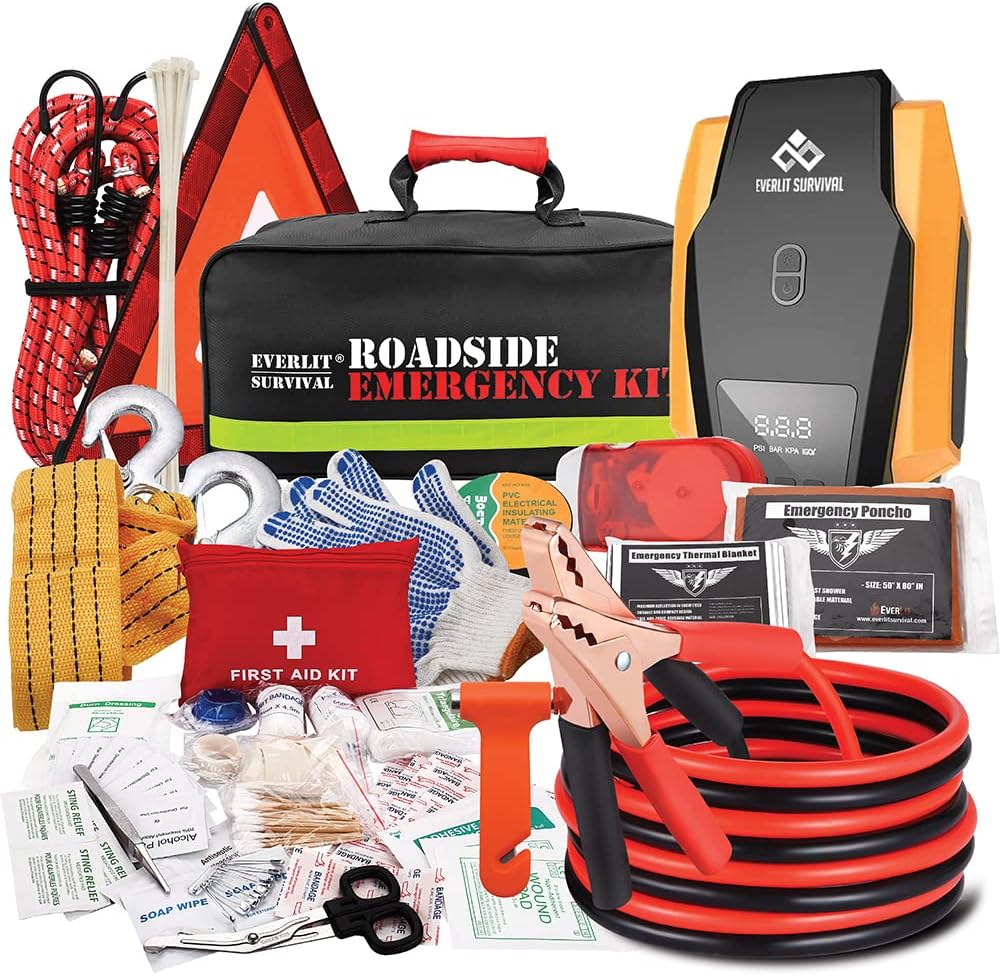
Car Emergency Roadside Kit

Car Vacuum Cleaner (Portable)

Car Tire Inflator
Police can search your car without a warrant in certain situations, but not always. Understanding your rights during a traffic stop is crucial to protect yourself legally. This guide breaks down when a warrantless search is allowed and how to respond calmly and correctly.
Key Takeaways
- Warrantless car searches are legal under specific exceptions: Police don’t always need a warrant to search your vehicle, thanks to the “automobile exception” established by the U.S. Supreme Court.
- Probable cause is a major factor: If an officer has reasonable belief that your car contains evidence of a crime, they can search it without a warrant.
- Consent gives police permission: If you voluntarily agree to a search, officers don’t need a warrant or probable cause—but you have the right to say no.
- Search incident to arrest allows limited searches: After arresting a driver, police can search the passenger compartment for weapons or evidence.
- Plain view doctrine applies: If something illegal is clearly visible (like drugs or a weapon), police can seize it and may expand the search.
- Know your rights during a stop: Stay calm, be respectful, and avoid arguing—but you can politely decline a search if there’s no warrant or clear justification.
- Illegal searches can be challenged: Evidence obtained from an unlawful search may be thrown out in court, so documenting the encounter is important.
📑 Table of Contents
- Can Police Search Your Car Without a Warrant?
- The Automobile Exception: Why Cars Are Treated Differently
- When Can Police Search Your Car Without Consent or a Warrant?
- When Can’t Police Search Your Car?
- What to Do If Police Ask to Search Your Car
- Can You Challenge an Illegal Search?
- Real-Life Examples: When Searches Went Right (and Wrong)
- Tips to Protect Your Rights on the Road
- Conclusion
Can Police Search Your Car Without a Warrant?
Picture this: You’re driving home from work, music playing, minding your own business. Suddenly, flashing lights appear in your rearview mirror. Your heart skips a beat. You pull over, and within minutes, an officer is asking to search your car—no warrant in sight.
Your first thought might be: “Wait, don’t they need a warrant for that?” And you’re right to wonder. The Fourth Amendment protects you from unreasonable searches and seizures. But here’s the twist: **cars are different**. Thanks to a long-standing legal exception, police can search your vehicle without a warrant—under certain conditions.
This doesn’t mean officers can rummage through your trunk anytime they want. There are rules. And knowing them could make a big difference if you’re ever pulled over.
In this guide, we’ll walk you through when police can legally search your car without a warrant, what your rights are, and how to handle the situation calmly and confidently. Whether you’re a daily commuter or just hitting the road for a weekend trip, this knowledge is essential.
Let’s break it down—no legalese, just clear, practical info you can use.
The Automobile Exception: Why Cars Are Treated Differently

Visual guide about Can Police Search Your Car Without a Warrant?
Image source: policepathfinder.com
So why can police search your car without a warrant when they’d need one for your home? The answer lies in something called the “automobile exception.”
Back in 1925, the U.S. Supreme Court ruled in *Carroll v. United States* that vehicles are inherently mobile. Unlike a house, a car can be driven away in seconds—potentially taking evidence with it. Because of this mobility, the Court said police don’t always need a warrant to search a car if they have probable cause.
Probable cause means the officer has reasonable grounds to believe the vehicle contains evidence of a crime—like drugs, stolen goods, or weapons. It’s more than a hunch, but less than absolute proof.
For example, if an officer smells marijuana during a traffic stop, that could be enough probable cause to search the car—even without a warrant. Or if they see a gun on the passenger seat, they may search the entire vehicle for related evidence.
This exception has been upheld for nearly a century and applies across the U.S. But it’s not a free pass. The search must still be reasonable and tied to the reason for the stop.
How the Automobile Exception Works in Real Life
Let’s say you’re pulled over for a broken taillight. The officer approaches and notices a strong smell of alcohol. They ask you to step out and administer a breathalyzer. You fail. Now, the officer suspects you’ve been drinking and driving—and maybe there’s an open container in the car.
Because they have probable cause (your failed test and the smell), they can search the passenger area for open containers or other evidence related to DUI. They don’t need a warrant.
But here’s the catch: the search must be limited to areas where the evidence might be found. They can’t tear apart your glove compartment looking for unrelated items unless they have a new reason to do so.
Limitations of the Automobile Exception
While the automobile exception gives police more flexibility, it’s not unlimited. Courts have ruled that the exception doesn’t apply if the car is parked at home and not readily mobile. For example, if your car is in your driveway and not about to be driven, police generally need a warrant—even if they have probable cause.
Also, the exception doesn’t justify searching locked containers (like a briefcase or backpack) unless there’s reason to believe they contain the suspected evidence. So if police suspect drugs in the car but find a locked suitcase, they may need a warrant to open it—unless you give consent.
When Can Police Search Your Car Without Consent or a Warrant?

Visual guide about Can Police Search Your Car Without a Warrant?
Image source: mattbodmanlaw.com
Now that we’ve covered the automobile exception, let’s look at the specific situations where police can legally search your car—no warrant, no consent needed.
These are the most common legal justifications for a warrantless car search.
1. Probable Cause
This is the big one. If an officer has probable cause to believe your car contains evidence of a crime, they can search it without a warrant.
What counts as probable cause? It varies, but examples include:
– Smelling marijuana or other illegal substances
– Seeing drug paraphernalia in plain view
– Hearing sounds of a struggle or distress from inside the car
– Receiving a credible tip about illegal activity involving your vehicle
For instance, if you’re pulled over and the officer sees a bag of white powder on the backseat, that’s probable cause to search for drugs. They don’t need to wait for a warrant.
2. Search Incident to Arrest
If you’re arrested during a traffic stop, police can search the passenger compartment of your car—even without a warrant. This is called a “search incident to arrest.”
The reason? Safety and evidence preservation. Officers want to make sure you don’t have a weapon within reach, and they want to prevent you from destroying evidence.
For example, if you’re arrested for DUI, the officer can search the area around your seat—including the glove box, center console, and under the seats—for weapons or alcohol containers.
But this search is limited. It only covers areas you could reach while being arrested. Once you’re in custody and secured, the justification for the search weakens.
3. Plain View Doctrine
If something illegal is clearly visible from outside the car, police can seize it—and that might lead to a full search.
Let’s say an officer shines a flashlight into your car during a nighttime stop and sees a handgun on the passenger seat. That’s in plain view. They can take the gun, and if they suspect it’s connected to a crime, they may search the rest of the vehicle for related evidence.
The key here is “plain view.” The officer must be lawfully present (like during a valid traffic stop) and the item must be obviously illegal or suspicious.
4. Exigent Circumstances
Sometimes, police can search a car without a warrant if there’s an emergency—like if they believe someone is in danger or evidence is about to be destroyed.
For example, if you’re pulled over and the officer hears screaming from the backseat, they may enter the car immediately to check for a victim—even without a warrant.
Or, if you try to throw a bag out the window during a stop, that could be seen as an attempt to destroy evidence, justifying a quick search.
These situations are rare, but they do happen. The key is that the urgency must be real and immediate.
5. Inventory Searches
If your car is towed—say, after an accident or arrest—police may perform an “inventory search” before storing it.
This isn’t a criminal investigation. It’s a routine procedure to catalog your belongings and protect the police from claims of theft or damage.
During an inventory search, officers might open glove boxes, trunks, and bags—but they’re not looking for evidence. They’re just making a list.
However, if they find something illegal during this process, they can use it as evidence. So while the search itself isn’t for investigation, it can still lead to charges.
When Can’t Police Search Your Car?
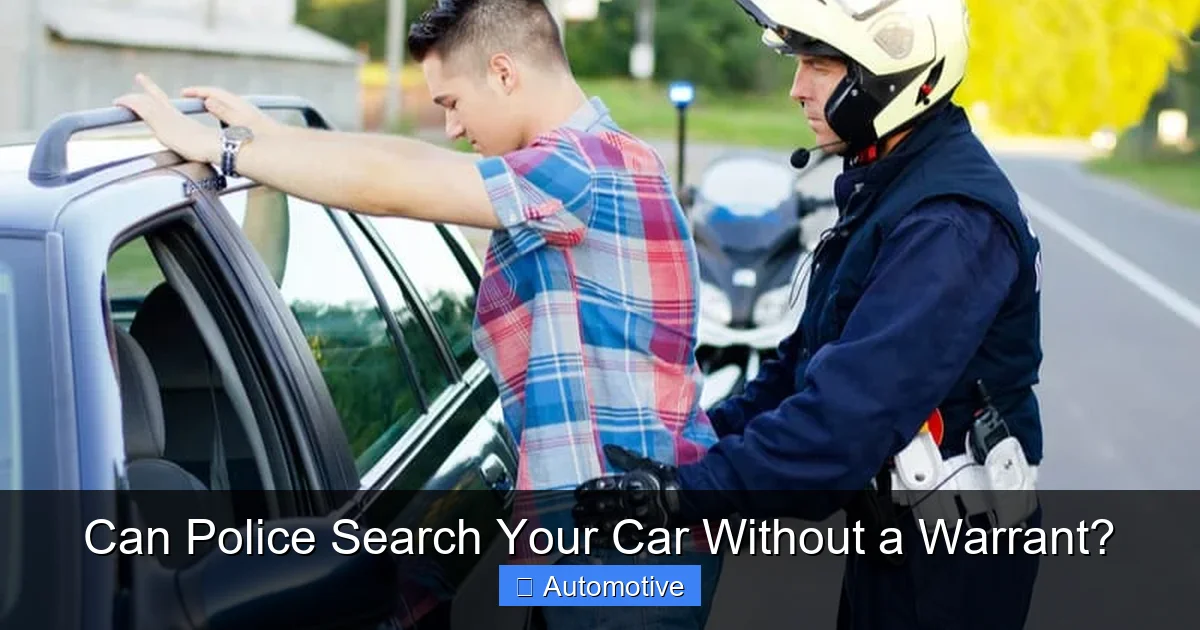
Visual guide about Can Police Search Your Car Without a Warrant?
Image source: aitalawllc.com
Just because police *can* search your car in some cases doesn’t mean they can do it anytime. There are clear limits.
No Probable Cause, No Search
If an officer has no reason to suspect criminal activity, they can’t search your car—even if they’re curious.
For example, if you’re pulled over for speeding and the officer sees nothing suspicious, they can’t demand to search your trunk. That would violate your Fourth Amendment rights.
Consent Must Be Voluntary
You have the right to refuse a search. If an officer asks, “Can I search your car?” you can say no—politely but firmly.
But be careful: if you give consent, even casually (“Sure, go ahead”), that counts as permission. And once you consent, the search is legal—even without probable cause.
So think before you speak. Saying “I don’t consent to a search” protects your rights.
Locked Containers and Personal Items
Even with probable cause, police may need a warrant to search locked containers—like a briefcase, backpack, or locked glove box—unless they have a specific reason to believe the evidence is inside.
For example, if they suspect drugs in the car but find a locked suitcase, they can’t force it open without a warrant—unless you unlock it or give consent.
Your Home’s Curtilage
If your car is parked in your driveway or garage—close to your home—it’s considered part of your “curtilage,” which has stronger privacy protections.
In this case, police generally need a warrant to search the car, even if they have probable cause. The Supreme Court ruled in *Collins v. Virginia* (2018) that the automobile exception doesn’t override home privacy.
So if your car is at home and not about to be driven, officers should get a warrant.
What to Do If Police Ask to Search Your Car
Knowing your rights is one thing. Using them in the moment is another. Here’s how to handle a search request calmly and legally.
Stay Calm and Polite
First, keep your cool. Getting angry or argumentative won’t help—and could escalate the situation.
Speak respectfully. Say, “Officer, I’d prefer not to consent to a search.” That’s clear, polite, and protects your rights.
Ask If You’re Free to Go
If the officer hasn’t arrested you or given a clear reason for the stop, you can ask, “Am I free to leave?”
If yes, you can drive away—no search needed.
If no, they must have a valid reason (like a traffic violation or suspicion of a crime).
Don’t Physically Resist
Even if you believe the search is illegal, don’t resist. Say, “I do not consent to a search,” but don’t block the officer or argue.
Resisting could lead to arrest—even if the search was unlawful.
Document the Encounter
If possible, record the interaction on your phone (check local laws first—some states require two-party consent).
Take notes afterward: time, location, officer’s name or badge number, what was said.
This can help if you need to challenge the search in court.
Know When to Comply
If the officer has a warrant, probable cause, or you’ve been arrested, they may search the car—even if you say no.
In those cases, comply to avoid escalation. You can still challenge the legality later.
Can You Challenge an Illegal Search?
Yes—and it matters.
If police search your car without a warrant, consent, or legal justification, any evidence they find may be excluded from court under the “exclusionary rule.”
This means that even if they find drugs or weapons, the case could be dismissed if the search was unconstitutional.
To challenge the search, your lawyer would file a motion to suppress evidence. If the judge agrees the search was illegal, the evidence can’t be used against you.
But this only works if you assert your rights at the time. If you consent to a search, even reluctantly, it’s hard to argue it was involuntary.
That’s why it’s so important to know your rights—and use them.
Real-Life Examples: When Searches Went Right (and Wrong)
Let’s look at a few real cases to see how these rules play out.
Case 1: The Smell of Marijuana
In *Arizona v. Gant* (2009), the Supreme Court ruled that police can’t automatically search a car after arresting the driver—unless the arrestee could access the car or evidence related to the crime might be inside.
Before this ruling, many departments assumed they could search any car after an arrest. Now, the search must be justified.
So if you’re arrested for a minor offense and secured in a patrol car, police can’t search your vehicle unless they have a specific reason.
Case 2: The Locked Trunk
In *California v. Acevedo* (1991), the Court said police can search a closed container in a car if they have probable cause to believe it contains contraband—even without a warrant.
But if the container is locked and not obviously connected to the crime, they may still need a warrant.
So if police suspect drugs in your car but find a locked briefcase, they can’t break it open without more justification.
Case 3: The Inventory Search Gone Wrong
In *Florida v. Wells* (1990), the Court ruled that inventory searches must follow standardized procedures. If police open a locked container during an inventory search without a policy allowing it, the search may be invalid.
So if your car is towed and officers open your locked glove box without a clear policy, any evidence found might be thrown out.
Tips to Protect Your Rights on the Road
Here are a few practical tips to keep in mind:
- Keep your car clean and organized: A cluttered car can make officers more suspicious. Keep personal items out of sight.
- Know your rights: Memorize key phrases like “I do not consent to a search” and “Am I free to go?”
- Stay in the car during a stop: Unless told otherwise, remain seated with hands visible on the wheel.
- Don’t run or flee: That creates probable cause for a search and could lead to serious charges.
- Be honest about your destination: Lying can increase suspicion and give officers more reason to investigate.
Conclusion
So, can police search your car without a warrant? The short answer is: **yes, but only under specific legal conditions.**
Thanks to the automobile exception, probable cause, and other doctrines, officers have more flexibility with vehicles than with homes. But that doesn’t give them unlimited power.
You have rights. You can refuse a search. You can ask if you’re free to go. And you can challenge unlawful searches in court.
The key is to stay informed, stay calm, and act wisely during a traffic stop. Knowing the law isn’t about being confrontational—it’s about protecting yourself.
Next time you’re behind the wheel, remember: your car may be mobile, but your rights aren’t. Drive safe, drive smart, and know your limits.
Frequently Asked Questions
Can police search my car if I’m not arrested?
Yes, if they have probable cause—like smelling drugs or seeing illegal items in plain view. Arrest isn’t required for a warrantless search under the automobile exception.
Do I have to let police search my car?
No. You can politely refuse. Say, “I do not consent to a search.” But if they have a warrant or legal justification, they may search anyway.
Can police search my car during a routine traffic stop?
Only if they have probable cause or another legal reason. A simple traffic violation (like speeding) doesn’t automatically allow a search.
What if police search my car and find something illegal?
If the search was legal, the evidence can be used in court. If it was illegal, your lawyer may be able to get the evidence thrown out.
Can police search my car if it’s parked at home?
Generally, no—unless they have a warrant. Cars parked in driveways or garages have stronger privacy protections.
What should I do if I think my rights were violated?
Stay calm during the stop, then contact a lawyer. You may be able to challenge the search and suppress any evidence obtained illegally.