Can I Sell My New Car Back to the Dealer
Yes, you can sell your new car back to the dealer—but it’s not always the best financial move. While dealerships may accept trade-ins or buybacks, they typically offer less than private sale value. Understanding your options and timing can help you make a smarter decision.
So, you just drove off the lot in your shiny new car—only to realize a few weeks later that it’s not the right fit. Maybe the fuel economy isn’t what you expected, the tech feels overwhelming, or life circumstances changed. Whatever the reason, you’re now wondering: *Can I sell my new car back to the dealer?*
The short answer is yes—most dealerships will buy back a new car, especially if it’s still in excellent condition and has low mileage. But the real question isn’t just whether they’ll take it, but whether you should let them. Selling a new car back to a dealer can be convenient, but it often comes at a steep financial cost. Understanding how dealerships value vehicles, how depreciation works, and what alternatives you have can help you make a smarter, more informed decision.
In this guide, we’ll walk you through everything you need to know about selling your new car back to the dealer—from how much you can expect to get, to when it makes sense, and how to avoid common pitfalls. Whether you’re dealing with buyer’s remorse, unexpected life changes, or simply want to upgrade, we’ve got you covered.
In This Article
- 1 Key Takeaways
- 2 📑 Table of Contents
- 3 Why Would You Want to Sell a New Car Back to the Dealer?
- 4 How Do Dealerships Value New Cars for Buyback?
- 5 Trade-In vs. Private Sale: Which Pays More?
- 6 When Is the Best Time to Sell Your New Car?
- 7 How to Maximize Your Buyback Offer
- 8 What to Watch Out For
- 9 Alternatives to Selling Back to the Dealer
- 10 Conclusion
- 11 Frequently Asked Questions
- 11.1 Can I return a new car to the dealer like a retail product?
- 11.2 How much will a dealer offer for my new car?
- 11.3 Can I sell my leased car back to the dealer?
- 11.4 Will selling my new car affect my credit?
- 11.5 Is it better to trade in or sell privately?
- 11.6 Can I sell my car back to the dealer if it has a loan?
Key Takeaways
- Dealers will buy new cars back: Most dealerships accept trade-ins or buybacks, even on nearly new vehicles, but expect lower offers than private sales.
- Depreciation hits fast: New cars lose 10–20% of their value the moment you drive off the lot, making early resale costly.
- Trade-in vs. private sale: Trading in is convenient but usually nets 10–15% less than selling privately.
- Timing matters: Selling within the first 6–12 months minimizes depreciation loss compared to waiting longer.
- Check your contract: Lease agreements or financing terms may restrict or penalize early buybacks.
- Negotiate like a pro: Research your car’s market value and be ready to walk away if the offer is too low.
- Consider certified pre-owned programs: Some dealers offer better value through CPO buyback incentives or loyalty programs.
📑 Table of Contents
- Why Would You Want to Sell a New Car Back to the Dealer?
- How Do Dealerships Value New Cars for Buyback?
- Trade-In vs. Private Sale: Which Pays More?
- When Is the Best Time to Sell Your New Car?
- How to Maximize Your Buyback Offer
- What to Watch Out For
- Alternatives to Selling Back to the Dealer
- Conclusion
Why Would You Want to Sell a New Car Back to the Dealer?
There are several valid reasons why someone might want to sell a brand-new car back to the dealership—even if it’s only been a few weeks or months since purchase. Life is unpredictable, and sometimes a vehicle that seemed perfect at the time no longer fits your needs.
One of the most common reasons is buyer’s remorse. You might have rushed into a purchase during a high-pressure sales event, only to realize later that the car doesn’t suit your lifestyle. Maybe the SUV you bought for family trips feels too big for your daily commute, or the sporty coupe lacks the cargo space you need for work equipment. In these cases, returning to the dealer feels like the most straightforward solution.
Another reason is financial strain. Unexpected expenses—like medical bills, job loss, or home repairs—can make car payments unmanageable. If you’re struggling to keep up with your loan, selling the car back might seem like a way to cut losses and reduce monthly obligations.
Some buyers also discover issues with the vehicle after taking delivery. While new cars come with warranties, problems like persistent mechanical faults, poor build quality, or uncomfortable seating can make ownership frustrating. If the dealer has been unresponsive to repair requests, you might decide it’s not worth the hassle.
Finally, life changes—such as relocating for a job, having a baby, or switching to remote work—can alter your transportation needs overnight. A two-seater sports car might not make sense if you now need to carpool kids, or a gas-guzzling truck could be overkill if you’re no longer hauling equipment.
Whatever your reason, it’s important to act quickly. The longer you wait, the more your car depreciates—and the less you’ll get back from the dealer.
How Do Dealerships Value New Cars for Buyback?
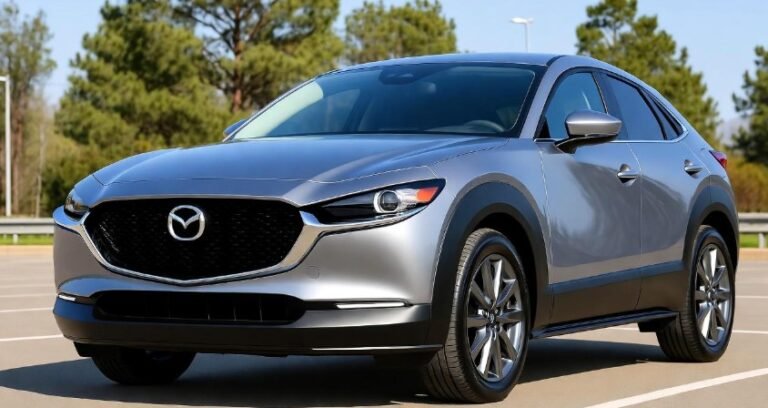
Visual guide about Can I Sell My New Car Back to the Dealer
Image source: carparkingapkpro.com
When a dealership considers buying back your new car, they don’t just look at the sticker price. Instead, they use a combination of market data, condition assessments, and internal pricing tools to determine a fair offer. Understanding how this process works can help you set realistic expectations.
Market Value and Depreciation
The single biggest factor affecting your car’s buyback value is depreciation. New cars lose value the moment they’re driven off the lot—typically 10% to 20% in the first year alone. This means that even if your car is only a few weeks old, it’s already worth significantly less than what you paid.
Dealerships use pricing guides like Kelley Blue Book (KBB), Edmunds, and Black Book to assess your car’s current market value. These tools consider factors like make, model, year, trim level, mileage, and regional demand. For example, a 2024 Toyota RAV4 Hybrid with 1,500 miles might be worth $32,000 today, even if you paid $35,000 just two months ago.
Vehicle Condition and History
Dealers will inspect your car thoroughly before making an offer. They’ll check for scratches, dents, tire wear, interior stains, and mechanical issues. Even minor cosmetic flaws can reduce the offer. If your car has been in an accident—even a minor fender bender—it may be flagged in vehicle history reports like Carfax, further lowering its value.
Low mileage is a plus, but only up to a point. If you’ve driven the car very little, the dealer might assume it’s been sitting unused, which can raise concerns about battery life, tire flat spots, or fluid degradation.
Demand and Inventory Needs
Dealerships aren’t just buying your car for resale—they’re also considering their own inventory needs. If they’re low on a particular model or trim, they may offer a higher price to restock. Conversely, if they already have several similar vehicles on the lot, they’ll lowball you to avoid overstocking.
For example, if a dealer has three nearly identical Honda Accords in stock, they’re unlikely to pay top dollar for your fourth one—even if it’s brand new. But if they’ve sold out of a popular configuration, they might be more willing to negotiate.
Trade-In vs. Direct Buyback
There’s a difference between trading in your car and selling it directly back to the dealer. A trade-in is typically part of a larger transaction—like buying a new vehicle—and the value is applied as a credit toward your next purchase. A direct buyback means the dealer pays you cash or a check, with no new car involved.
Trade-ins are often less generous because dealers factor in the cost of reconditioning and resale. Direct buybacks can sometimes yield better offers, especially if the dealer plans to sell the car as a certified pre-owned (CPO) vehicle.
Trade-In vs. Private Sale: Which Pays More?
One of the most important decisions you’ll make is whether to sell your new car back to the dealer or go the private sale route. Both options have pros and cons, and the right choice depends on your priorities.
The Convenience of Trading In
Trading in your car at a dealership is the easiest option. You drive in, get an appraisal, and walk out with a new vehicle or cash—often in under an hour. There’s no need to list the car, meet strangers, or handle paperwork. Plus, in many states, you only pay sales tax on the difference between the new car price and the trade-in value, which can save you hundreds.
However, convenience comes at a cost. Dealers typically offer 10% to 15% less than what you’d get from a private sale. This is because they need to cover reconditioning, advertising, and profit margins. For a $30,000 car, that could mean leaving $3,000 to $4,500 on the table.
The Profit Potential of Private Sales
Selling your car privately usually yields the highest return. Platforms like Craigslist, Facebook Marketplace, and Autotrader allow you to set your own price and reach a wide audience. Since you’re cutting out the middleman, you can often get closer to the car’s true market value.
For example, if KBB says your car is worth $28,500, you might sell it privately for $27,500–$28,000 after some negotiation. That’s significantly more than the $24,000–$25,000 a dealer might offer.
But private sales require time, effort, and caution. You’ll need to take photos, write a detailed listing, respond to inquiries, and meet potential buyers—often in person. There’s also the risk of scams, no-shows, or unsafe encounters. And if your car still has a loan, you’ll need to coordinate with the lender to pay it off before transferring ownership.
Hybrid Options: Online Car Buyers
A middle ground is using online car-buying services like CarMax, Carvana, or Vroom. These companies offer instant online quotes based on your VIN and condition details. You can often complete the sale in a day, with free pickup or drop-off.
These services typically pay more than dealerships but less than private sales. For instance, CarMax might offer $26,000 for your car, compared to $28,000 privately or $24,500 at a local dealer. The trade-off is speed and simplicity.
When Is the Best Time to Sell Your New Car?
Timing can make a big difference in how much you get when selling your new car back to the dealer. While you can technically sell at any time, certain windows offer better financial outcomes.
Within the First 6 Months
The sweet spot for minimizing depreciation is within the first 6 to 12 months. During this period, your car still has low mileage and minimal wear, making it attractive to dealers. You’ll also avoid the steepest drop in value, which typically occurs in the first year.
For example, a car that loses 15% of its value in year one might only lose another 10% in year two. Selling early means you recoup more of your initial investment.
Avoiding the “Used Car” Stigma
Once your car crosses the 12-month mark, it’s officially considered “used” in the eyes of buyers and appraisers. This can trigger a psychological shift in pricing, even if the car is in perfect condition. Dealers may apply a deeper discount simply because it’s no longer “new.”
Additionally, warranties and maintenance schedules change over time. A car with 15,000 miles might need its first major service soon, which buyers will factor into their offer.
Seasonal Demand
Certain times of year are better for selling specific types of vehicles. Convertibles and sports cars sell better in spring and summer, while SUVs and trucks peak in fall and winter. If you’re flexible, waiting for the right season could boost your offer by a few hundred dollars.
Before Major Model Changes
If a new model year is about to be released, dealers may be eager to clear out current inventory. This could work in your favor if your car matches a popular outgoing model. They might offer a higher buyback price to avoid holding onto outdated stock.
How to Maximize Your Buyback Offer
Getting the best possible price when selling your new car back to the dealer requires preparation and strategy. Here’s how to stack the odds in your favor.
Do Your Homework
Before visiting the dealership, research your car’s current market value. Use tools like KBB, Edmunds, and NADA Guides to get a baseline. Check recent sales of similar vehicles in your area on Autotrader or Cars.com. This gives you leverage during negotiations.
Clean and Detail Your Car
First impressions matter. A clean, well-maintained car signals that it’s been cared for. Wash the exterior, vacuum the interior, and remove personal items. Consider a professional detailing service—it can cost $100–$200 but may increase your offer by several hundred dollars.
Fix Minor Issues
Small repairs can make a big difference. Replace burnt-out bulbs, fix windshield chips, and touch up paint scratches. These fixes are relatively inexpensive but show the dealer the car is in top condition.
Get Multiple Offers
Don’t settle for the first offer. Visit at least two or three dealerships, including both the brand’s own dealer and independent lots. Online buyers like CarMax also provide quotes you can use as leverage.
Negotiate Confidently
Dealers expect negotiation. Start by presenting your research and asking, “Based on current market value, what’s your best offer?” Be polite but firm. If they lowball you, say, “I’ve seen similar cars listed for $X—can you match that?”
Remember, you’re not obligated to accept any offer. If the dealer won’t budge, walk away. Often, they’ll call you back with a better deal.
Consider Timing Your Visit
Dealerships are often more motivated at the end of the month, quarter, or year when they’re trying to meet sales targets. Visiting during these periods can increase your chances of a higher offer.
What to Watch Out For
While selling your new car back to the dealer can be straightforward, there are some pitfalls to avoid.
Hidden Fees and Charges
Some dealers may deduct fees for “reconditioning” or “administrative costs” even on nearly new cars. Ask for a detailed breakdown of the offer and challenge any unclear charges.
Loan Payoff Complications
If you still owe money on the car, the dealer will need to pay off the loan before releasing the title. Make sure the payoff amount is accurate and that the lender confirms the transaction. You don’t want to be stuck with an unpaid loan after the sale.
Warranty and Return Policies
Most new cars don’t come with a “return policy” like electronics do. Once you drive it off the lot, the sale is usually final. However, some states have “lemon laws” that allow returns for defective vehicles. Check your local regulations.
Emotional Decision-Making
It’s easy to feel rushed or pressured, especially if you’re dealing with financial stress. Take your time, sleep on offers, and don’t let a salesperson rush you into a decision.
Alternatives to Selling Back to the Dealer
Before committing to a dealer buyback, consider other options that might yield better results.
Lease Buyout and Transfer
If you leased the car, you may be able to buy it out and then sell it privately or trade it in. Some leases also allow transfers to another driver, which could help you exit the contract without penalties.
Certified Pre-Owned Programs
Some manufacturers offer CPO buyback programs that provide better value for nearly new vehicles. These programs often include extended warranties and thorough inspections, making your car more attractive to buyers.
Consignment Services
Consignment companies sell your car on your behalf for a fee, usually 5–10% of the sale price. They handle advertising, showings, and paperwork, offering a balance between private sale profit and dealer convenience.
Trade-In Toward a Different Vehicle
If you’re unhappy with your current car but still need wheels, trading it in for a different model at the same dealer might be a better option. You can apply the trade-in value toward a vehicle that better fits your needs.
Conclusion
Yes, you can sell your new car back to the dealer—but it’s not always the smartest financial move. While dealerships offer convenience and speed, they typically pay less than private sales or online buyers. Understanding how depreciation, market demand, and negotiation work can help you get the best possible deal.
If you’re set on selling, act quickly, do your research, and get multiple offers. Clean your car, fix minor issues, and negotiate confidently. And remember: just because a dealer says “no” doesn’t mean another one will. With the right strategy, you can turn a tough situation into a smart decision.
Whether you choose to trade in, sell privately, or explore alternatives, the key is to stay informed and in control. Your car is a major asset—don’t let it become a regret.
Frequently Asked Questions
Can I return a new car to the dealer like a retail product?
No, dealerships don’t typically offer return policies like retail stores. Once you drive the car off the lot, the sale is usually final unless there’s a defect covered under warranty or lemon laws.
How much will a dealer offer for my new car?
Most dealers will offer 10% to 20% less than your purchase price, depending on mileage, condition, and market demand. Expect lower offers than private sales.
Can I sell my leased car back to the dealer?
Yes, but you’ll need to buy out the lease first or transfer it to another driver. Some dealers may assist with lease buyouts as part of a new purchase.
Will selling my new car affect my credit?
Selling the car itself won’t affect your credit, but if you still have a loan, failing to pay it off could damage your score. Make sure the dealer pays the lender directly.
Is it better to trade in or sell privately?
Selling privately usually yields more money, but trading in is faster and easier. Choose based on your priorities: profit or convenience.
Can I sell my car back to the dealer if it has a loan?
Yes, but the dealer must pay off the loan before completing the sale. Confirm the payoff amount with your lender to avoid surprises.