Can I Sell a Car Without Smog in California
In California, most used car sales require a valid smog check certificate—but there are key exceptions. Understanding when a smog test is mandatory, who pays for it, and how to handle non-compliant vehicles can save you time, money, and legal trouble.
In This Article
- 1 Key Takeaways
- 2 📑 Table of Contents
- 3 Can I Sell a Car Without Smog in California?
- 4 California Smog Check Basics: What You Need to Know
- 5 When Can You Sell a Car Without a Smog Check in California?
- 6 What Happens If You Try to Sell Without a Smog Check?
- 7 How to Get a Smog Check Before Selling Your Car
- 8 Selling “As-Is”: Does It Waive the Smog Requirement?
- 9 Tips for a Smooth Car Sale in California
- 10 Conclusion
- 11 Frequently Asked Questions
- 11.1 Do I need a smog check to sell my car in California?
- 11.2 Who pays for the smog check when selling a car?
- 11.3 Can I sell a car without a smog check if it’s “as-is”?
- 11.4 What happens if my car fails the smog test?
- 11.5 Can I sell my car to someone in another state without a smog check?
- 11.6 How long is a smog certificate valid?
Key Takeaways
- Smog checks are required for most used car sales in California: If you’re selling a vehicle that’s more than four years old, a valid smog certificate is typically needed before transfer.
- Newer vehicles are exempt from smog checks at sale: Cars from the current model year and the previous three model years don’t need a smog inspection when sold.
- The seller is usually responsible for the smog test: California law generally places the burden on the seller to provide a clean smog certificate, though private parties can negotiate otherwise.
- Out-of-state buyers have different rules: If you’re selling to someone outside California, smog requirements may not apply—but the buyer’s state might require it upon registration.
- Selling “as-is” doesn’t automatically waive smog requirements: Even if you disclose mechanical issues, the smog rule still applies unless the vehicle qualifies for an exemption.
- Failure to comply can delay registration and lead to fines: Buyers may refuse to complete the purchase, and DMV processing can be halted without proper documentation.
- Use a certified smog station for accurate results: Only STAR-certified or regular smog check stations can legally perform inspections required for vehicle sales.
📑 Table of Contents
- Can I Sell a Car Without Smog in California?
- California Smog Check Basics: What You Need to Know
- When Can You Sell a Car Without a Smog Check in California?
- What Happens If You Try to Sell Without a Smog Check?
- How to Get a Smog Check Before Selling Your Car
- Selling “As-Is”: Does It Waive the Smog Requirement?
- Tips for a Smooth Car Sale in California
- Conclusion
Can I Sell a Car Without Smog in California?
So, you’re ready to sell your car in California—great! But before you list it online or meet with potential buyers, there’s one big question you need to answer: Do I need a smog check to sell my car? The short answer is: usually, yes—but not always. California has some of the strictest emissions standards in the country, and the state takes air quality seriously. That means most used car sales require a valid smog certificate. But like most rules, there are exceptions, nuances, and ways to navigate the process smoothly.
Whether you’re selling a 2010 Honda Civic or a brand-new 2024 Tesla, understanding California’s smog check requirements can make or break your sale. Getting it wrong could mean delays, lost buyers, or even legal issues. On the flip side, knowing your rights and responsibilities can help you sell faster, avoid scams, and ensure a clean transfer of ownership. In this guide, we’ll walk you through everything you need to know about selling a car in California—with or without a smog check.
California Smog Check Basics: What You Need to Know
Before diving into the specifics of selling a car, let’s cover the basics of California’s smog check program. The state’s Smog Check Program is managed by the California Bureau of Automotive Repair (BAR) and is designed to reduce air pollution by ensuring vehicles meet emissions standards. Most gasoline-powered vehicles registered in California must undergo a smog inspection every two years, especially when renewing registration or transferring ownership.
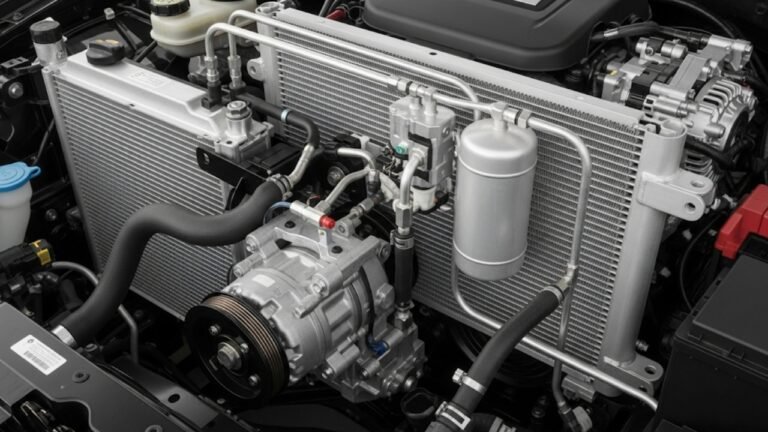
A smog check measures the amount of pollutants your vehicle emits, including hydrocarbons (HC), carbon monoxide (CO), and nitrogen oxides (NOx). The test also checks the functionality of your vehicle’s emissions control systems, such as the catalytic converter, oxygen sensors, and evaporative emissions system. If your car passes, you’ll receive a smog certificate valid for 90 days. If it fails, you’ll need to repair the issues and retest.
Now, here’s the key point for sellers: when you sell a used car in California, the buyer cannot register it with the DMV unless a valid smog certificate is provided—unless an exemption applies. This means that in most cases, you, as the seller, must get the smog check done and hand over the certificate at the time of sale. It’s not just a suggestion—it’s the law.
Who Needs a Smog Check When Selling?
The general rule is that any vehicle more than four years old must pass a smog inspection before it can be sold. That includes cars, trucks, SUVs, and vans powered by gasoline. For example, if you’re selling a 2018 Toyota Camry in 2024, it’s now six years old—so a smog check is required. But if you’re selling a 2023 or 2024 model year vehicle, it’s exempt from the smog requirement at the time of sale.
Why four years? California gives newer vehicles a grace period because they’re built to meet stricter emissions standards and are less likely to have degraded components. Once a car hits its fifth year, it enters the biennial smog check cycle. So, if your car is from the current model year or one of the three previous model years, you can sell it without a smog check.
Who Is Responsible for the Smog Test?
This is a common point of confusion. In most cases, the seller is responsible for obtaining and paying for the smog check. This is true whether you’re selling to a private buyer or trading in at a dealership. The California DMV requires the seller to provide a valid smog certificate when transferring ownership, unless an exemption applies.
However, it’s not illegal to negotiate who pays. Some sellers agree to split the cost with the buyer, or the buyer may offer to cover it as part of the deal. Just make sure any agreement is clearly stated in the bill of sale to avoid misunderstandings. Keep in mind that if the car fails the smog test, the seller is typically responsible for repairs—unless you’ve agreed otherwise in writing.
When Can You Sell a Car Without a Smog Check in California?
Now for the good news: there are situations where you can legally sell a car in California without a smog check. These exceptions are important to know, especially if your vehicle is newer, being sold out of state, or falls under a special category.
Newer Vehicles (Current and Previous Three Model Years)
If your car is from the current model year or one of the three prior model years, you do not need a smog check to sell it. For example, in 2024, vehicles from the 2021, 2022, 2023, and 2024 model years are exempt from smog requirements at the time of sale. This exemption applies even if the car is four years old—because the clock starts from the model year, not the registration date.
So, if you bought a 2021 Honda Accord new in late 2020, it’s still considered a 2021 model and is exempt from smog checks until 2025. This rule makes it easier to sell newer cars quickly, especially in a competitive market.
Selling to an Out-of-State Buyer
If you’re selling your car to someone who lives outside California, the smog check requirement may not apply. California law only requires a smog certificate when the vehicle will be registered in the state. If the buyer plans to register the car in another state, you don’t need to provide a California smog check.
However, the buyer’s state might have its own emissions requirements. For example, states like New York, Colorado, or Washington also have smog programs. The buyer will need to handle any inspections in their home state. As the seller, your responsibility ends once the car leaves California—unless you’ve agreed to provide documentation.
Tip: Even if a smog check isn’t required, it’s still a good idea to get one. A clean smog certificate can increase your car’s value and make it more attractive to out-of-state buyers who want assurance the vehicle is in good condition.
Transfer Between Family Members
California allows certain family transfers without a smog check. If you’re transferring ownership to a spouse, domestic partner, parent, child, grandparent, or grandchild, you may be exempt from the smog requirement. This applies to both gifts and sales between family members.
To qualify, you’ll need to complete a “Family Transfer Affidavit” (Form REG 256) and submit it with the title transfer. The DMV will process the transfer without requiring a smog certificate. However, once the vehicle is registered in the new owner’s name, it will be subject to regular smog check rules during future renewals.
Vehicles Exempt by Type or Age
Some vehicles are permanently exempt from smog checks due to their type or age. These include:
– Gasoline-powered vehicles from 1975 or earlier (classic cars)
– Diesel-powered vehicles from 1997 or earlier
– Electric vehicles (EVs) and hydrogen fuel cell vehicles
– Motorcycles
If your car falls into one of these categories, you can sell it without a smog check—no matter how old it is. For example, a 1972 Ford Mustang or a 2023 Tesla Model Y doesn’t need a smog inspection when sold.
What Happens If You Try to Sell Without a Smog Check?
So, what if you try to sell a car that requires a smog check—but you don’t get one? The consequences can be serious, both legally and practically.
DMV Will Reject the Title Transfer
The California DMV will not process a title transfer for a used vehicle without a valid smog certificate—unless an exemption applies. When the buyer tries to register the car, they’ll be told the transfer is incomplete. This can delay registration by weeks or even months, especially if the buyer lives out of state and has to ship the car back.
In some cases, the buyer may back out of the sale entirely, leaving you stuck with the vehicle. Even if they’re willing to wait, the process becomes frustrating and time-consuming for everyone involved.
Buyer Can Refuse to Complete the Purchase
Most buyers expect a smog certificate as part of the sale. If you show up to the meeting without one—and the car isn’t exempt—they may walk away. This is especially true for buyers who are cautious or have been burned by scams in the past.
Even if you offer to get the smog check later, many buyers won’t take the risk. They don’t want to deal with potential repairs or delays. A missing smog certificate can kill a sale instantly.
Potential for Legal or Financial Issues
While rare, failing to comply with smog laws can lead to penalties. If the DMV discovers that a vehicle was transferred without a required smog check, they may flag the transaction. In extreme cases—such as repeated violations or fraud—sellers could face fines or other enforcement actions.
Additionally, if the buyer later discovers the car has emissions issues and you didn’t disclose them, you could be liable for misrepresentation—even if you didn’t intentionally hide anything. A clean smog check protects both parties and builds trust.
How to Get a Smog Check Before Selling Your Car
If your car requires a smog check, the process is straightforward—but it pays to be prepared. Here’s how to get it done right.
Find a Certified Smog Station
Not all auto shops can perform smog checks. You’ll need to visit a station licensed by the California Bureau of Automotive Repair. There are two types:
– **STAR stations:** These are certified to perform both regular and enhanced smog checks. They’re often recommended for vehicles that have failed previous tests or are in high-emissions areas.
– **Regular stations:** These handle standard smog inspections for most vehicles.
You can find a nearby station using the BAR’s online smog check station locator. Look for stations with good reviews and fair pricing. Prices typically range from $40 to $80, depending on location and vehicle type.
Prepare Your Vehicle for the Test
A little prep can increase your chances of passing on the first try. Here are some tips:
– **Drive the car for at least 20 minutes before the test.** This ensures the engine is warm and the emissions systems are active.
– **Check the “Check Engine” light.** If it’s on, the car will automatically fail. Get any issues diagnosed and repaired first.
– **Replace old spark plugs or air filters.** These are common causes of high emissions.
– **Top off fluids and ensure the gas cap is tight.** A loose or missing gas cap can cause an evaporative emissions failure.
If your car has recently had repairs or a battery replacement, make sure the onboard diagnostics (OBD) system has completed its self-tests. Some systems need a certain number of drive cycles to reset.
Understand the Results
After the test, you’ll receive a report showing whether your car passed or failed. If it passes, you’ll get a smog certificate valid for 90 days. If it fails, the report will list the reasons—such as high CO levels or a malfunctioning sensor.
Don’t panic if your car fails. Many issues are fixable with basic repairs. Common fixes include replacing oxygen sensors, fixing vacuum leaks, or cleaning the mass airflow sensor. Take the report to a trusted mechanic and get quotes before deciding whether to repair or sell “as-is.”
Selling “As-Is”: Does It Waive the Smog Requirement?
A common misconception is that selling a car “as-is” means you don’t need a smog check. Unfortunately, that’s not true in California.
The “As-Is” Disclosure Doesn’t Override Smog Laws
When you sell a car “as-is,” you’re telling the buyer that you’re not offering any warranty and that they accept the vehicle in its current condition. This protects you from future claims about mechanical issues. However, it does not exempt you from the smog check requirement.
Even if your car has known problems—like a bad transmission or worn brakes—you still need to provide a valid smog certificate if the vehicle is more than four years old. The only exception is if the car qualifies for one of the exemptions we discussed earlier (e.g., newer model, family transfer, etc.).
Can You Sell a Car That Won’t Pass Smog?
Yes—but with caveats. If your car fails the smog test and you can’t afford repairs, you can still sell it. However, you must disclose the failure to the buyer and provide the smog report. The buyer can then decide whether to buy it and handle the repairs themselves.
Some buyers specialize in fixing up older cars and may offer a lower price in exchange for taking on the work. Just be honest and transparent. Hiding a failed smog test could lead to legal trouble or a revoked sale.
Tips for a Smooth Car Sale in California
Selling a car in California doesn’t have to be stressful. With the right preparation, you can avoid common pitfalls and close the deal quickly.
Get the Smog Check Early
Don’t wait until the last minute. Get the smog check done as soon as you decide to sell. This gives you time to address any issues and ensures the certificate is still valid when you meet the buyer. Remember, the certificate expires after 90 days.
Include the Smog Certificate in Your Listing
Mention in your online ad or listing that the car comes with a clean smog certificate. This builds trust and attracts serious buyers. You can even upload a photo of the certificate to platforms like Craigslist or Facebook Marketplace.
Complete the Title Transfer Correctly
When selling, you’ll need to sign the title over to the buyer and complete a “Notice of Transfer and Release of Liability” (Form REG 138). Submit this form to the DMV within 5 days of the sale to protect yourself from future liability (like parking tickets or accidents).
Use a Bill of Sale
A bill of sale protects both parties. It should include the vehicle’s VIN, sale price, date, and both parties’ information. You can download a free template from the DMV website.
Remove License Plates and Cancel Insurance
In California, license plates stay with the seller—not the car. Remove them before handing over the keys. Also, cancel your insurance once the sale is complete to avoid unnecessary charges.
Conclusion
So, can you sell a car without smog in California? The answer depends on your vehicle’s age, type, and who you’re selling to. In most cases, a smog check is required—but there are clear exceptions for newer cars, out-of-state sales, family transfers, and certain vehicle types.
Understanding these rules helps you avoid delays, legal issues, and lost sales. Whether you’re selling a 2024 sedan or a 1998 pickup, knowing your responsibilities ensures a smooth, compliant transaction. Get the smog check early, be transparent with buyers, and follow DMV procedures to make the process stress-free.
Selling a car doesn’t have to be complicated. With the right knowledge and preparation, you can sell confidently—and legally—in the Golden State.
Frequently Asked Questions
Do I need a smog check to sell my car in California?
Yes, in most cases. If your vehicle is more than four years old, a valid smog certificate is required when selling. Newer vehicles (current and previous three model years) are exempt.
Who pays for the smog check when selling a car?
The seller is typically responsible for the smog check and its cost. However, you can negotiate with the buyer to split or cover the expense as part of the sale agreement.
Can I sell a car without a smog check if it’s “as-is”?
No. Selling “as-is” does not waive the smog requirement. You still need a valid smog certificate unless the vehicle qualifies for an exemption.
What happens if my car fails the smog test?
If your car fails, you’ll need to repair the issues and retest. You can still sell the car “as-is” with a failed report, but you must disclose it to the buyer.
Can I sell my car to someone in another state without a smog check?
Yes, if the buyer will register the car outside California. However, the buyer’s state may have its own emissions requirements upon registration.
How long is a smog certificate valid?
A smog certificate is valid for 90 days from the date of inspection. Make sure to complete the sale within this window to avoid needing a new test.