Can Bad Spark Plugs Cause Overheating?

Contents
- 1 Key Takeaways
- 2 📑 Table of Contents
- 3 Can Bad Spark Plugs Cause Overheating?
- 4 How Spark Plugs Work and Why They Matter
- 5 Signs That Your Spark Plugs Are Failing
- 6 How Bad Spark Plugs Contribute to Engine Overheating
- 7 Other Causes of Overheating to Rule Out
- 8 Diagnosing the Root Cause of Overheating
- 9 Preventing Overheating Through Spark Plug Maintenance
- 10 When to See a Mechanic
- 11 Conclusion
- 12 Frequently Asked Questions

Car Body Cover

Car Interior LED Light
Car Inverter

Car Bumper Protector
Bad spark plugs can indeed contribute to engine overheating by causing misfires, poor combustion, and increased engine load. While not the most common cause, ignoring worn spark plugs may lead to serious engine damage over time. Regular maintenance and timely replacements help prevent overheating and keep your car running smoothly.
Key Takeaways
- Bad spark plugs can cause engine misfires: Misfires lead to unburned fuel entering the exhaust system, increasing heat and potentially damaging components like the catalytic converter.
- Poor combustion increases engine workload: Inefficient burning of fuel forces the engine to work harder, generating excess heat and raising the risk of overheating.
- Overheating may result from secondary damage: Prolonged misfires can damage oxygen sensors, catalytic converters, and engine internals, all of which contribute to elevated engine temperatures.
- Symptoms often overlap with other issues: Rough idling, poor acceleration, and check engine lights may signal bad spark plugs, but can also mimic cooling system problems.
- Regular maintenance prevents overheating: Replacing spark plugs at recommended intervals improves combustion efficiency and reduces strain on the engine and cooling system.
- Diagnosis requires a multi-system check: Always inspect spark plugs, ignition coils, coolant levels, and the radiator when diagnosing overheating to avoid misdiagnosis.
- Ignoring bad spark plugs can be costly: Delaying replacement may lead to expensive repairs, including head gasket failure or engine rebuilds due to chronic overheating.
📑 Table of Contents
- Can Bad Spark Plugs Cause Overheating?
- How Spark Plugs Work and Why They Matter
- Signs That Your Spark Plugs Are Failing
- How Bad Spark Plugs Contribute to Engine Overheating
- Other Causes of Overheating to Rule Out
- Diagnosing the Root Cause of Overheating
- Preventing Overheating Through Spark Plug Maintenance
- When to See a Mechanic
- Conclusion
Can Bad Spark Plugs Cause Overheating?
You’re driving down the highway, enjoying the breeze through your open window, when suddenly your temperature gauge starts creeping into the red zone. Your heart skips a beat. Is it the radiator? The thermostat? Or could it be something as simple as your spark plugs?
Most drivers associate engine overheating with coolant leaks, broken water pumps, or faulty thermostats. But what if the culprit is hiding in plain sight—inside your engine’s ignition system? Yes, we’re talking about spark plugs. While they may seem like small, unassuming components, spark plugs play a vital role in your engine’s performance. And when they go bad, the consequences can ripple through your entire vehicle, potentially leading to overheating.
In this article, we’ll explore the connection between bad spark plugs and engine overheating. We’ll break down how spark plugs work, what happens when they fail, and whether they can truly cause your engine to run hot. You’ll also learn how to spot the warning signs, when to replace your spark plugs, and how to prevent overheating through proper maintenance. Whether you’re a seasoned car enthusiast or just trying to keep your daily driver running smoothly, this guide will help you understand one of the most overlooked causes of engine heat buildup.
How Spark Plugs Work and Why They Matter
Before we dive into the overheating connection, let’s first understand what spark plugs do. Think of them as the tiny lightning bolts that ignite the fuel-air mixture inside your engine’s cylinders. Every time your engine runs, fuel is injected into the combustion chamber and mixed with air. The spark plug delivers a high-voltage electrical spark at just the right moment to ignite this mixture, creating a controlled explosion that pushes the piston down and powers your vehicle.

Visual guide about Can Bad Spark Plugs Cause Overheating?
Image source: carglassadvisor.com
This process happens hundreds of times per minute in each cylinder. For it to work efficiently, the spark must be strong, timely, and consistent. That’s where the quality and condition of your spark plugs come into play. Modern spark plugs are engineered to last tens of thousands of miles, but they don’t last forever. Over time, electrodes wear down, deposits build up, and gaps widen—all of which can weaken the spark.
The Role of Spark Plugs in Engine Efficiency
A strong, consistent spark ensures complete combustion. When fuel burns efficiently, it releases energy smoothly, minimizing waste and reducing the strain on your engine. But when spark plugs are worn or fouled, combustion becomes incomplete. This means some fuel doesn’t burn during the power stroke and instead passes into the exhaust system unburned.
Unburned fuel doesn’t just waste gas—it creates extra heat. As it travels through the exhaust manifold and catalytic converter, it can ignite again, causing temperatures to spike. This secondary combustion can overheat exhaust components and, in extreme cases, radiate heat back into the engine bay. Over time, this added thermal stress can contribute to overall engine overheating.
Types of Spark Plugs and Their Lifespan
Not all spark plugs are created equal. The most common types include copper, platinum, and iridium. Copper plugs are the most affordable but wear out faster—typically needing replacement every 20,000 to 30,000 miles. Platinum and iridium plugs are more durable, with lifespans ranging from 60,000 to 100,000 miles or more.
Using the right type of spark plug for your vehicle is crucial. Some high-performance engines require iridium plugs for optimal spark delivery. Using the wrong type—or failing to replace them on schedule—can lead to poor ignition timing, misfires, and increased engine heat.
Signs That Your Spark Plugs Are Failing
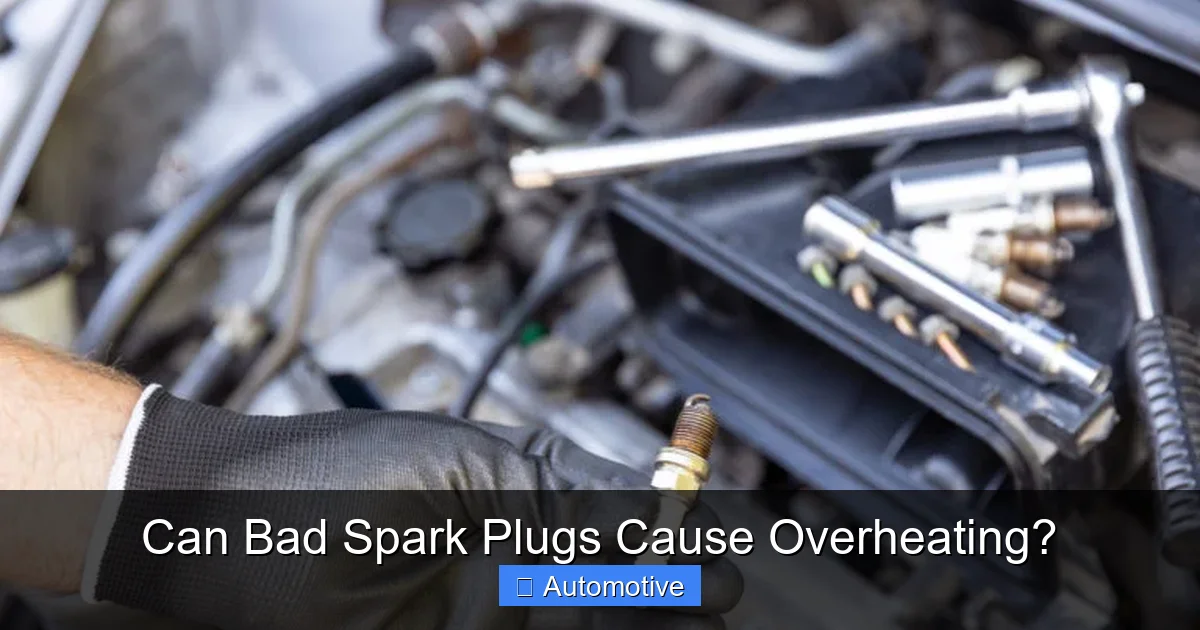
So how do you know if your spark plugs are going bad? The symptoms often start subtly but can escalate quickly if ignored. One of the earliest signs is a rough idle—your engine may feel shaky or uneven when stopped at a red light. You might also notice hesitation or jerking during acceleration, especially when merging onto a highway or climbing a hill.
Visual guide about Can Bad Spark Plugs Cause Overheating?
Image source: mycarmakesnoise.com
Another common symptom is reduced fuel economy. If your spark plugs aren’t firing correctly, your engine has to work harder to maintain speed, burning more fuel in the process. You might find yourself visiting the gas station more often without changing your driving habits.
The Check Engine Light Connection
Modern vehicles are equipped with onboard diagnostics that monitor engine performance. When a cylinder misfires due to a bad spark plug, the engine control unit (ECU) detects the irregularity and triggers the check engine light. A diagnostic scan will often reveal codes like P0300 (random misfire) or P0301–P0308 (misfire in a specific cylinder).
While the check engine light can indicate many issues—from a loose gas cap to a failing oxygen sensor—misfire codes are strong indicators of spark plug problems. Ignoring these codes can lead to more serious issues, including catalytic converter damage and, yes, engine overheating.
Performance and Sound Clues
Listen to your engine. A healthy engine runs smoothly and quietly. If you hear knocking, pinging, or a sputtering sound, especially under load, it could be a sign of weak or inconsistent spark. You might also notice a loss of power—your car feels sluggish, even when you press the gas pedal hard.
Another telltale sign is difficulty starting the engine. Bad spark plugs may struggle to ignite the fuel-air mixture, especially when the engine is cold. You might have to crank the starter longer than usual or experience repeated stalling.
How Bad Spark Plugs Contribute to Engine Overheating
Now, let’s get to the heart of the question: can bad spark plugs actually cause overheating? The short answer is yes—but not directly. Unlike a blown head gasket or a clogged radiator, spark plugs don’t control coolant flow or regulate engine temperature. However, they can create conditions that lead to excessive heat buildup.
Visual guide about Can Bad Spark Plugs Cause Overheating?
Image source: autoactuality.com
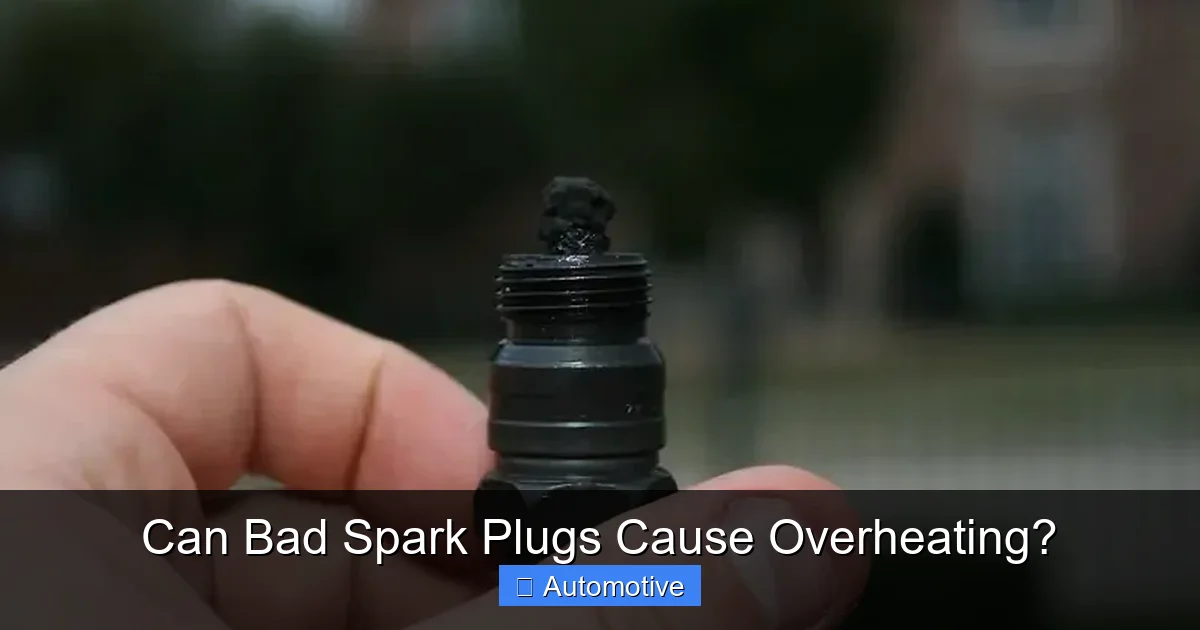
The primary way bad spark plugs contribute to overheating is through engine misfires. When a cylinder fails to ignite properly, unburned fuel enters the exhaust system. This fuel can ignite in the hot exhaust manifold or catalytic converter, causing temperatures to soar. In extreme cases, this can melt components or warp exhaust valves.
Misfires and Exhaust System Heat
Imagine a cylinder that’s not firing. Instead of burning fuel during the power stroke, the fuel passes through the exhaust valve and into the exhaust manifold. There, it encounters extreme heat—often over 1,000°F (538°C). The unburned fuel can ignite spontaneously, creating a secondary explosion in the exhaust system.
This process, known as “afterfire” or “backfire,” generates intense heat that radiates back into the engine bay. Over time, this can raise overall engine temperatures and strain the cooling system. In severe cases, it can even damage the catalytic converter, which is designed to handle only a certain amount of heat.
Increased Engine Load and Friction
When one or more cylinders aren’t firing correctly, the engine has to compensate. The remaining cylinders work harder to maintain power, increasing mechanical friction and heat generation. This added workload can push the engine beyond its normal operating temperature, especially during prolonged driving or in hot weather.
Additionally, incomplete combustion leads to carbon buildup on pistons, valves, and spark plug electrodes. This buildup acts as an insulator, trapping heat inside the combustion chamber. The result? Higher cylinder temperatures and a greater risk of overheating.
Impact on Cooling System Efficiency
Your engine’s cooling system is designed to manage heat under normal operating conditions. But when the engine runs hotter than usual due to poor combustion, the cooling system may struggle to keep up. The radiator, water pump, and thermostat all have limits. If the engine consistently runs hot, these components can wear out faster or fail prematurely.
For example, a water pump that’s constantly working overtime may develop leaks or lose efficiency. A thermostat that’s exposed to excessive heat may stick open or closed, disrupting coolant flow. Over time, this can create a vicious cycle: bad spark plugs cause overheating, which damages cooling components, which leads to even more overheating.
Other Causes of Overheating to Rule Out
While bad spark plugs can contribute to overheating, they’re rarely the sole cause. It’s important to consider other potential culprits before jumping to conclusions. Misdiagnosing the problem can lead to unnecessary repairs and ongoing issues.
One of the most common causes of overheating is low coolant levels. Coolant circulates through the engine, absorbing heat and transferring it to the radiator. If the coolant is low—due to a leak, evaporation, or a faulty radiator cap—the engine can’t dissipate heat effectively. Always check your coolant reservoir and radiator before assuming the problem is ignition-related.
Thermostat and Water Pump Failures
The thermostat regulates coolant flow based on engine temperature. If it gets stuck closed, coolant can’t reach the radiator, causing the engine to overheat quickly. Symptoms include a rapidly rising temperature gauge and steam from the engine bay.
The water pump circulates coolant through the engine and radiator. If it fails—due to a broken impeller, worn bearings, or a leaking seal—coolant stops flowing. This leads to localized hot spots and eventual engine overheating. A whining noise from the front of the engine or coolant leaks near the pump are common signs.
Radiator and Cooling Fan Issues
The radiator dissipates heat from the coolant. If it’s clogged with debris, corroded internally, or damaged in an accident, it can’t cool the coolant effectively. Similarly, if the cooling fan doesn’t turn on—due to a bad relay, fuse, or temperature sensor—the radiator can’t get the airflow it needs, especially at idle or low speeds.
Always inspect the radiator for blockages and ensure the fan activates when the engine reaches operating temperature. A simple visual check can save you from more complex diagnostics.
Head Gasket Failure
A blown head gasket is one of the most serious causes of overheating. It allows coolant to leak into the combustion chamber or oil passages, leading to white smoke from the exhaust, milky oil, and rapid coolant loss. In severe cases, it can cause the engine to overheat within minutes of starting.
While bad spark plugs don’t cause head gasket failure, chronic overheating from any source—including misfires—can contribute to gasket damage over time. That’s why addressing overheating promptly is critical.
Diagnosing the Root Cause of Overheating
When your engine starts to run hot, don’t panic. Start with a systematic approach to diagnosis. Begin by checking the basics: coolant level, radiator condition, and fan operation. If those are fine, move on to the ignition system.
Use an OBD2 scanner to read trouble codes. Misfire codes (P0300 series) are strong indicators of spark plug or ignition coil issues. You can also perform a visual inspection of the spark plugs. Remove them one by one and look for signs of wear, fouling, or damage.
How to Inspect Spark Plugs
Healthy spark plugs have a light tan or gray insulator tip. If you see black, sooty deposits, the engine may be running rich (too much fuel). White, blistered electrodes suggest overheating, possibly due to pre-ignition or incorrect plug heat range.
Worn electrodes with a wide gap can’t produce a strong spark. Use a gap tool to measure the distance between the center and ground electrode. Compare it to the manufacturer’s specification. If it’s too wide or too narrow, the plug needs replacement.
Testing Ignition Coils
In modern vehicles, each spark plug is connected to an ignition coil. A faulty coil can mimic spark plug problems, causing misfires and overheating. Use a multimeter to test coil resistance or swap coils between cylinders to see if the misfire follows the coil.
If the misfire moves to a different cylinder after swapping, the coil is likely the issue. If it stays in the same cylinder, the spark plug is probably at fault.
Preventing Overheating Through Spark Plug Maintenance
The best way to avoid overheating related to spark plugs is through regular maintenance. Follow your vehicle manufacturer’s recommended service schedule for spark plug replacement. This is usually listed in the owner’s manual and ranges from 30,000 to 100,000 miles, depending on the plug type.
Don’t wait for symptoms to appear. Proactive replacement ensures consistent combustion, reduces engine strain, and helps maintain optimal operating temperatures. It’s a small investment that can prevent costly repairs down the road.
Choosing the Right Spark Plugs
Always use spark plugs that meet or exceed OEM specifications. Using the wrong heat range can lead to pre-ignition (too hot) or fouling (too cold). Consult your owner’s manual or a trusted parts supplier to find the correct plugs for your vehicle.
If you’ve modified your engine—such as adding a turbocharger or performance exhaust—you may need colder or hotter plugs to match the new operating conditions. A performance shop can help you choose the right option.
Additional Maintenance Tips
In addition to spark plugs, keep up with other ignition system components. Replace ignition coils as needed, and inspect spark plug wires (if your vehicle has them) for cracks or wear. Clean the throttle body and replace air filters regularly to ensure proper airflow.
Also, maintain your cooling system. Flush the coolant every 30,000 to 50,000 miles, inspect hoses for leaks, and test the radiator cap for proper pressure. A well-maintained cooling system is your first line of defense against overheating.
When to See a Mechanic
While many spark plug issues can be diagnosed and fixed at home, some situations require professional help. If you’re unsure about removing or installing spark plugs, or if your engine continues to overheat after replacement, visit a trusted mechanic.
They can perform a compression test, check for vacuum leaks, and inspect the entire cooling system. In some cases, overheating may be caused by a combination of issues—such as bad spark plugs and a failing water pump—that require comprehensive diagnosis.
Don’t ignore persistent overheating. Continuing to drive with a hot engine can cause warped cylinder heads, blown head gaskets, or even engine seizure. It’s always better to address the problem early.
Conclusion
So, can bad spark plugs cause overheating? The answer is a qualified yes. While they don’t directly control engine temperature, worn or faulty spark plugs can lead to misfires, incomplete combustion, and increased heat generation. Over time, this can strain the engine and cooling system, contributing to overheating—especially when combined with other issues.
The good news is that spark plug-related overheating is preventable. Regular maintenance, timely replacements, and attention to warning signs can keep your engine running cool and efficient. By understanding the role of spark plugs in your vehicle’s performance, you’re better equipped to spot problems early and avoid costly repairs.
Next time your temperature gauge starts to climb, don’t just think coolant—think combustion. A simple spark plug replacement might be all it takes to keep your engine running smoothly for miles to come.
Frequently Asked Questions
Can a single bad spark plug cause overheating?
Yes, even one bad spark plug can cause a misfire, leading to unburned fuel in the exhaust and increased heat. While the effect may be mild at first, prolonged misfires can contribute to engine overheating, especially under load or in hot weather.
How often should I replace my spark plugs to prevent overheating?
Replace spark plugs according to your vehicle manufacturer’s recommendations, typically every 30,000 to 100,000 miles. Using the correct type (copper, platinum, or iridium) and replacing them on schedule helps maintain efficient combustion and reduces overheating risk.
Will replacing spark plugs fix my overheating problem?
It might, if the overheating is caused by misfires or poor combustion. However, overheating can also stem from coolant leaks, thermostat failure, or radiator issues. Always diagnose the root cause before replacing parts.
Can bad spark plugs damage the catalytic converter?
Yes. Unburned fuel from misfires can ignite in the catalytic converter, causing it to overheat and melt. This not only leads to expensive repairs but can also contribute to overall engine overheating.
What’s the difference between spark plug overheating and engine overheating?
Spark plug overheating refers to excessive heat in the combustion chamber that damages the plug (e.g., blistered electrodes). Engine overheating means the entire engine is running too hot, often due to cooling system failure or excessive heat from poor combustion.
Can I drive with a bad spark plug?
You can drive short distances, but it’s not recommended. A bad spark plug causes misfires, reduced power, and increased emissions. Over time, it can damage the catalytic converter and contribute to engine overheating. Replace it as soon as possible.