Can a Head Gasket Cause a Car to Overheat

Contents
- 1 Key Takeaways
- 2 📑 Table of Contents
- 3 Can a Head Gasket Cause a Car to Overheat?
- 4 What Is a Head Gasket and Why Is It Important?
- 5 How a Blown Head Gasket Causes Overheating
- 6 Common Symptoms of a Blown Head Gasket
- 7 What to Do If You Suspect a Blown Head Gasket
- 8 How to Prevent Head Gasket Failure
- 9 Conclusion
- 10 Frequently Asked Questions


A blown head gasket is a common yet serious engine problem that can absolutely cause your car to overheat. This critical seal between the engine block and cylinder head fails, allowing coolant and combustion gases to mix, disrupting the cooling system. Ignoring the signs can lead to catastrophic engine failure, so early detection is key.
Key Takeaways
- A head gasket failure often leads to engine overheating because it disrupts the flow of coolant and allows combustion gases into the cooling system.
- White exhaust smoke, milky oil, and bubbling coolant are classic signs of a blown head gasket.
- Overheating is both a cause and a symptom of head gasket issues—extreme heat can warp engine components and weaken the gasket.
- Ignoring a blown head gasket can result in engine seizure or complete engine failure, requiring costly repairs or replacement.
- Regular maintenance and prompt attention to warning signs can help prevent head gasket failure and extend engine life.
- Diagnosing a head gasket issue early saves time, money, and stress—don’t wait until your car breaks down.
- Professional inspection is recommended if you suspect a head gasket problem, as DIY fixes are rarely effective long-term.
📑 Table of Contents
Can a Head Gasket Cause a Car to Overheat?
You’re driving down the highway, enjoying the breeze through your open window, when suddenly your temperature gauge spikes into the red. Your dashboard warning light flashes—your engine is overheating. You pull over, pop the hood, and see steam rising from the engine bay. Your first thought might be a coolant leak or a faulty thermostat. But what if the real culprit is something more serious—like a blown head gasket?
Yes, a head gasket can absolutely cause a car to overheat. In fact, it’s one of the most common and dangerous causes of engine overheating. The head gasket is a small but mighty component that sits between the engine block and the cylinder head. Its job is to seal the combustion chambers, keep coolant flowing properly, and prevent oil and coolant from mixing. When this seal fails, the consequences can be severe—especially when it comes to engine temperature regulation.
In this article, we’ll dive deep into how a head gasket can cause overheating, the warning signs to watch for, what happens when it fails, and what you can do to prevent or address the issue. Whether you’re a seasoned car enthusiast or a first-time driver, understanding this critical component could save you thousands in repairs and keep your car running smoothly for years to come.
What Is a Head Gasket and Why Is It Important?
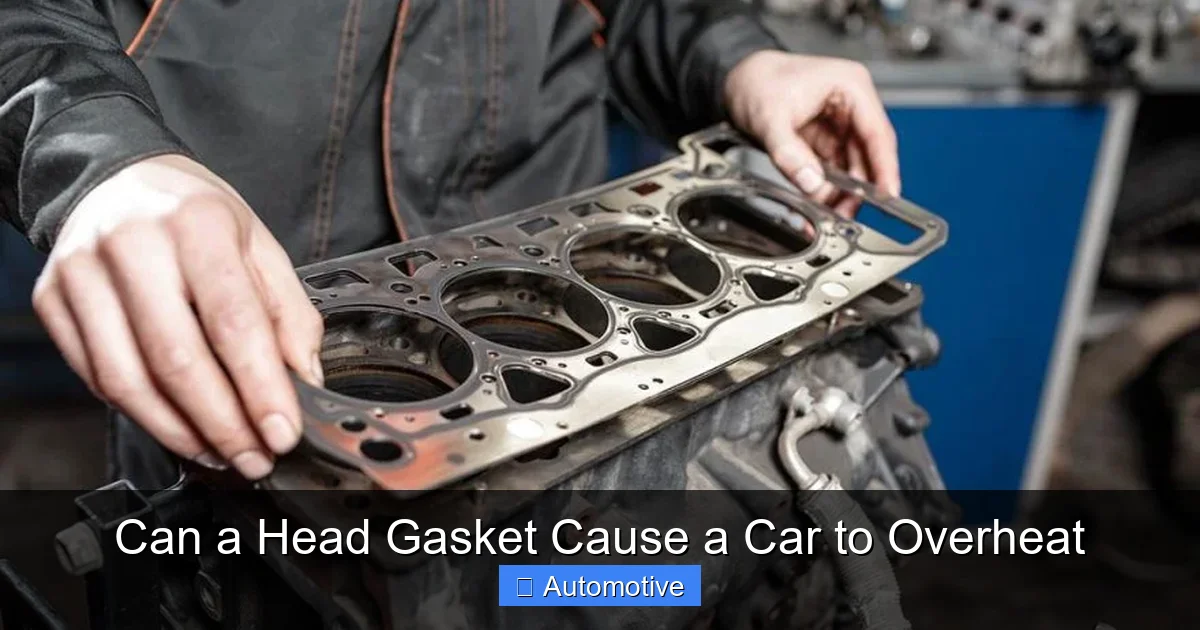
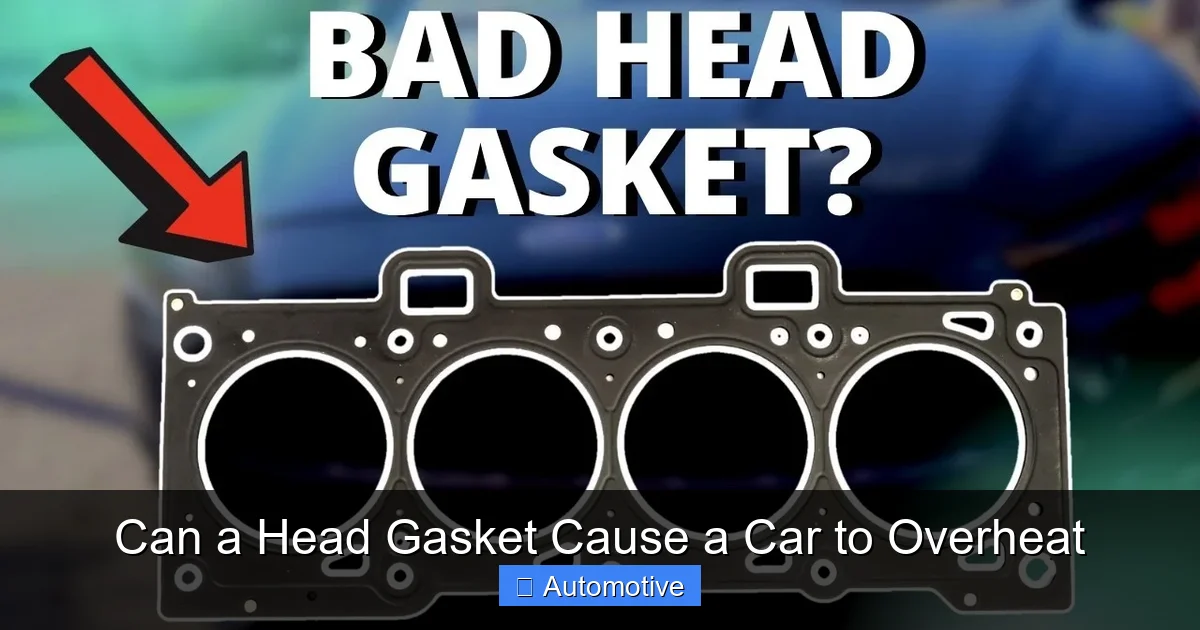
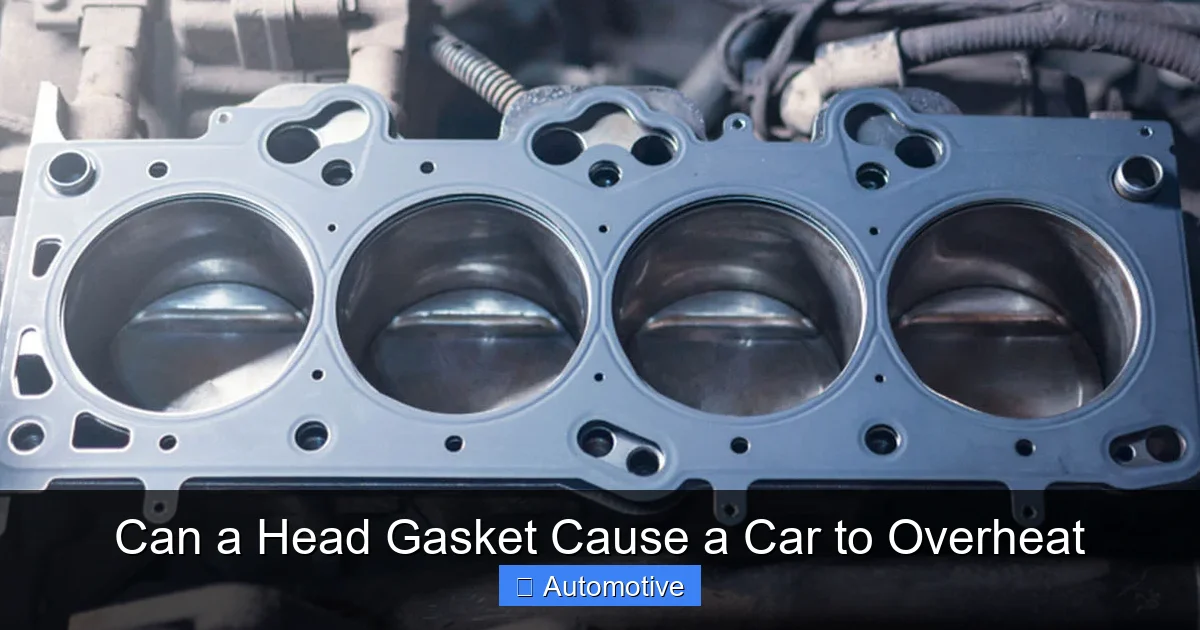
Before we explore how a head gasket can cause a car to overheat, let’s first understand what it is and why it matters. The head gasket is a multi-layered seal made of metal, rubber, and sometimes graphite or ceramic materials. It’s positioned between the engine block (which houses the pistons) and the cylinder head (which contains the valves and spark plugs).
Visual guide about Can a Head Gasket Cause a Car to Overheat
Image source: i.ytimg.com
This gasket has several crucial roles. First, it seals the combustion chambers so that high-pressure gases from burning fuel don’t escape into other parts of the engine. Second, it keeps engine oil and coolant in their proper channels—oil lubricates moving parts, while coolant circulates to absorb and dissipate heat. Third, it maintains compression within the cylinders, which is essential for engine power and efficiency.
Imagine the head gasket as a gatekeeper. It controls the flow of fluids and gases, ensuring everything stays where it belongs. If the gatekeeper fails, chaos ensues. Coolant might leak into the combustion chamber, oil could mix with coolant, or combustion gases might enter the cooling system. Any of these scenarios can disrupt the engine’s ability to regulate temperature, leading directly to overheating.
How the Head Gasket Keeps Your Engine Cool
Coolant flows through passages in both the engine block and the cylinder head. These passages are designed to absorb heat from the engine and carry it to the radiator, where it’s released into the air. The head gasket seals these coolant passages, ensuring that coolant flows smoothly and doesn’t leak into areas where it doesn’t belong.
When the head gasket is intact, coolant circulates efficiently, keeping engine temperatures stable. But if the gasket develops a leak—especially between a coolant passage and the combustion chamber—coolant can be burned off during combustion. This not only reduces the amount of coolant available to cool the engine but also introduces steam and combustion byproducts into the cooling system.
Additionally, if combustion gases enter the coolant passages, they can create air pockets or increase pressure in the cooling system. This disrupts the flow of coolant and reduces its ability to absorb heat. The result? Your engine runs hotter than it should, and overheating becomes inevitable.
How a Blown Head Gasket Causes Overheating
Now that we understand the head gasket’s role, let’s break down exactly how its failure leads to overheating. There are several mechanisms at play, and they often work together to create a dangerous cycle of heat buildup.
Visual guide about Can a Head Gasket Cause a Car to Overheat
Image source: automototips.com
Coolant Loss Due to Internal Leaks
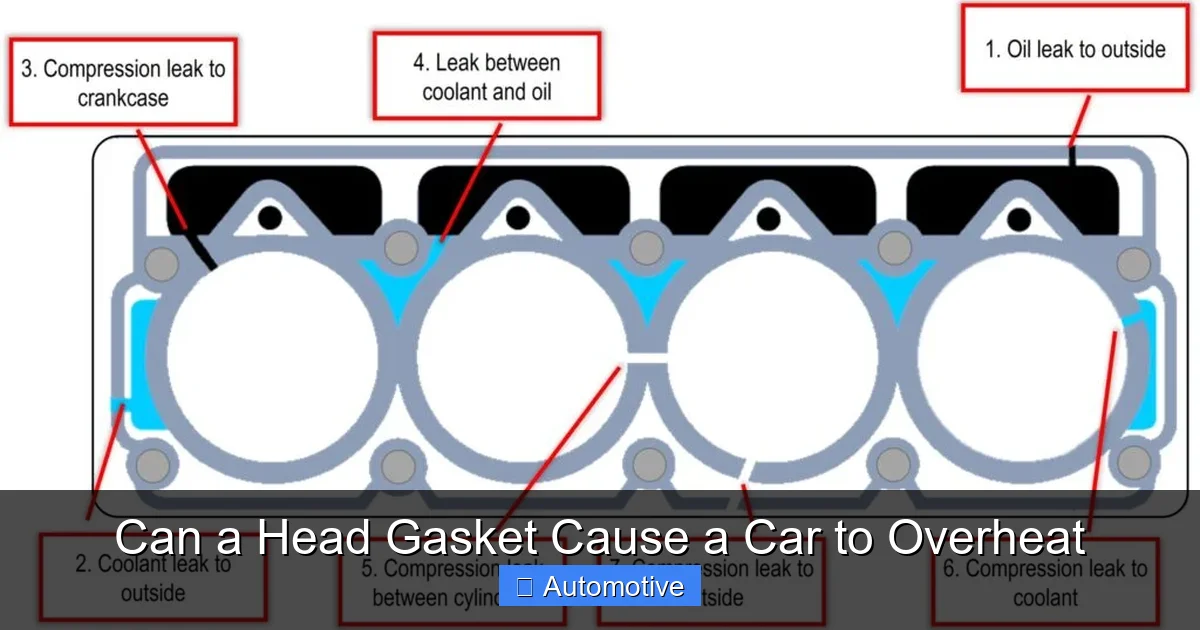
One of the most direct ways a head gasket can cause overheating is by allowing coolant to leak internally. When the gasket fails between a coolant passage and the combustion chamber, coolant can be drawn into the cylinder during the intake stroke and burned during combustion. This process is often referred to as “coolant burning.”
As coolant is burned off, the overall volume of coolant in the system decreases. With less coolant circulating, the engine can’t dissipate heat effectively. Even if the radiator and water pump are working perfectly, they can’t cool an engine if there’s not enough coolant to do the job. Over time, this leads to rising temperatures and eventual overheating.
For example, imagine you have a small hole in a garden hose. Water still flows, but not as much as it should. Now imagine that hole is inside the engine, and instead of water, it’s coolant leaking into the combustion chamber. The result is the same—reduced flow, reduced cooling, and increased risk of overheating.
Combustion Gases Entering the Cooling System
Another way a blown head gasket causes overheating is by allowing high-pressure combustion gases to enter the cooling system. Normally, these gases are contained within the combustion chamber and exit through the exhaust system. But if the head gasket fails between a combustion chamber and a coolant passage, those gases can force their way into the coolant.
When combustion gases mix with coolant, they create bubbles and increase pressure in the cooling system. This can cause the radiator cap to blow off, hoses to burst, or the coolant reservoir to overflow. More importantly, the presence of air pockets reduces the coolant’s ability to transfer heat. Coolant needs to be in liquid form to absorb and carry heat away from the engine. Air doesn’t conduct heat as well, so these pockets act like insulation, trapping heat inside the engine.
Think of it like trying to cool a room with a fan that keeps shutting off. The fan (coolant) works best when it runs continuously. But if it keeps stopping (due to air pockets), the room (engine) heats up quickly.
Warped Cylinder Head or Engine Block
Extreme heat can warp the cylinder head or even the engine block. This warping creates gaps that the head gasket can no longer seal properly. Once the gasket is compromised, the cycle begins: coolant leaks, combustion gases enter the cooling system, and the engine overheats even more.
This creates a dangerous feedback loop. Overheating causes warping, warping causes gasket failure, gasket failure causes more overheating. Before long, the engine is running dangerously hot, and the damage becomes extensive.
For instance, a driver might ignore a minor coolant leak or a slight increase in engine temperature. Over time, the engine gets hotter and hotter. The aluminum cylinder head expands and warps. The head gasket, already under stress, finally gives way. Now, coolant is burning, gases are entering the cooling system, and the engine is on the verge of seizing.
Common Symptoms of a Blown Head Gasket
Recognizing the signs of a blown head gasket early can prevent catastrophic engine damage. While overheating is a major red flag, it’s often accompanied by other symptoms. Here are the most common ones to watch for:
Visual guide about Can a Head Gasket Cause a Car to Overheat
Image source: d2hucwwplm5rxi.cloudfront.net
White Smoke from the Exhaust
One of the most telltale signs of a blown head gasket is white smoke pouring from the exhaust. This isn’t normal water vapor—it’s steam created when coolant burns in the combustion chamber. The smoke often has a sweet smell, similar to antifreeze, and may be thick and persistent.
If you see this, pull over immediately. Continuing to drive can cause irreversible damage. The coolant is being consumed, and the engine is overheating. Even if the temperature gauge hasn’t spiked yet, the problem is already serious.
Milky or Foamy Oil
Check your oil dipstick. If the oil looks milky, frothy, or has a chocolate milkshake appearance, coolant is likely mixing with the oil. This happens when the head gasket fails between a coolant passage and an oil gallery.
Coolant in the oil reduces its lubricating properties, leading to increased friction and wear on engine components. Over time, this can cause bearings to fail, pistons to seize, and the engine to lock up. It’s a serious issue that requires immediate attention.
Bubbling in the Coolant Reservoir
If you notice bubbles constantly rising in the coolant overflow tank or radiator (when the engine is running), combustion gases are likely entering the cooling system. This is a clear sign of a head gasket failure.
You can test this by using a block tester—a device that checks for exhaust gases in the coolant. If the fluid changes color, it confirms the presence of combustion gases.
Overheating Engine
Of course, the most obvious symptom is engine overheating. If your temperature gauge climbs into the red zone or the “check engine” light comes on with a coolant-related code, a blown head gasket could be the cause.
But remember: overheating can also cause a head gasket to fail. So while a blown gasket can cause overheating, overheating can also lead to a blown gasket. It’s a two-way street.
Loss of Coolant with No Visible Leaks
If you’re constantly topping off your coolant but can’t find any leaks under the car, the coolant might be burning internally. This is another strong indicator of a head gasket issue.
Keep a log of coolant levels and top-offs. If you’re adding more than a cup every few weeks without any visible leaks, it’s time to get the engine inspected.
What to Do If You Suspect a Blown Head Gasket
If you notice any of the symptoms above, don’t wait. A blown head gasket won’t fix itself, and driving with one can destroy your engine. Here’s what you should do:
Stop Driving Immediately
If your engine is overheating or you see white smoke, pull over and turn off the engine. Continuing to drive can cause the cylinder head to warp or the engine to seize. Let the engine cool completely before inspecting or adding coolant.
Check Coolant and Oil Levels
Once the engine is cool, check the coolant reservoir and radiator (if accessible). Look for low levels, discoloration, or bubbles. Then check the oil dipstick for a milky appearance. These are quick ways to confirm internal leaks.
Get a Professional Diagnosis
While some tests can be done at home—like a compression test or block tester—accurate diagnosis requires professional tools and expertise. A mechanic can perform a leak-down test, inspect for warping, and confirm whether the head gasket is the culprit.
Don’t rely on DIY fixes like “head gasket sealers” sold in bottles. These products might temporarily mask the problem, but they rarely solve it. In many cases, they can clog coolant passages and cause more harm than good.
Weigh Repair Options
If the head gasket is indeed blown, you’ll need to decide whether to repair or replace the engine. A head gasket replacement is a major job that involves removing the cylinder head, machining it flat (if warped), and installing a new gasket. It can cost anywhere from $1,500 to $3,000 or more, depending on the vehicle.
In some cases, especially with older or high-mileage engines, it may be more cost-effective to replace the entire engine. A mechanic can help you weigh the options based on your car’s age, condition, and value.
How to Prevent Head Gasket Failure
While head gasket failure can happen to any vehicle, there are steps you can take to reduce the risk:
Maintain Proper Coolant Levels
Always keep your coolant at the recommended level and use the correct type for your vehicle. Low coolant can cause overheating, which stresses the head gasket. Check levels regularly, especially before long trips.
Follow the Manufacturer’s Maintenance Schedule
Replace coolant according to the manufacturer’s recommendations—usually every 30,000 to 100,000 miles. Old coolant loses its protective properties and can become acidic, corroding engine components and weakening the gasket.
Avoid Overheating
Never ignore warning signs like high engine temperature, coolant leaks, or dashboard alerts. Address cooling system issues promptly. Overheating is the number one cause of head gasket failure.
Use Quality Parts and Fluids
When replacing coolant, water pump, thermostat, or other cooling system components, use high-quality parts. Cheap or incompatible parts can fail prematurely and contribute to overheating.
Drive Responsibly
Aggressive driving, towing heavy loads, or frequent short trips can increase engine stress and heat buildup. Give your engine time to warm up and cool down properly.
Conclusion
So, can a head gasket cause a car to overheat? The answer is a resounding yes. A blown head gasket disrupts the engine’s cooling system, allows coolant to be burned, and lets combustion gases enter coolant passages—all of which lead to dangerous overheating. And because overheating can also cause a head gasket to fail, it’s a vicious cycle that can quickly escalate into engine disaster.
The good news is that with proper maintenance and attention to warning signs, you can prevent or catch head gasket issues early. Regular coolant checks, timely repairs, and avoiding overheating are your best defenses. If you do suspect a problem, don’t delay—get it checked by a professional right away.
Your car’s engine is its heart, and the head gasket is one of its most vital seals. Treat it with care, and it will keep your engine running cool, smooth, and strong for years to come.
Frequently Asked Questions
Can a blown head gasket cause overheating even if the coolant level is normal?
Yes, it can. Even with a full coolant reservoir, a blown head gasket can allow combustion gases to enter the cooling system, creating air pockets that reduce cooling efficiency. This can cause overheating despite adequate coolant levels.
How long can you drive with a blown head gasket?
You shouldn’t drive at all with a blown head gasket. Even short trips can cause severe engine damage, including warped heads or seized pistons. Pull over and have the car towed to a repair shop immediately.
Is a head gasket repair worth it?
It depends on the car’s age, mileage, and overall condition. For newer or well-maintained vehicles, repair is often worth it. For older cars with high mileage, engine replacement or selling the car may be more cost-effective.
Can a head gasket fail without overheating?
Yes, though it’s less common. Causes include poor installation, manufacturing defects, or corrosion. However, overheating is still the leading cause of head gasket failure.
What does a head gasket sound like when it fails?
You might hear knocking or pinging sounds from the engine, especially under load. This is due to loss of compression or pre-ignition caused by coolant entering the combustion chamber.
Can I fix a blown head gasket myself?
While possible for experienced mechanics, it’s not recommended for most DIYers. The job requires precise torque specifications, surface machining, and specialized tools. A botched repair can lead to further damage.