Can a Dealer Sell a Car Without Inspection
Dealers can legally sell cars without inspections in many states, but it depends on local laws and vehicle type. While some states require safety or emissions checks before sale, others allow “as-is” sales—making buyer awareness crucial.
In This Article
- 1 Key Takeaways
- 2 📑 Table of Contents
- 3 Can a Dealer Sell a Car Without Inspection?
- 4 Understanding State Laws and Inspection Requirements
- 5 New Cars vs. Used Cars: Different Rules Apply
- 6 Emissions and Environmental Regulations
- 7 Dealer Certifications and “Certified Pre-Owned” Programs
- 8 Buyer Protection Laws and Your Rights
- 9 How to Protect Yourself When Buying Without an Inspection
- 10 Real-Life Examples and Case Studies
- 11 Conclusion
- 12 Frequently Asked Questions
- 12.1 Can a dealer sell a car without inspection in all states?
- 12.2 Is it legal to sell a used car “as-is” without an inspection?
- 12.3 Do new cars need to be inspected before sale?
- 12.4 What should I do if a dealer refuses to let me inspect the car?
- 12.5 Are emissions tests required for all used cars?
- 12.6 Can I return a car if it breaks down after purchase?
Key Takeaways
- State laws vary widely: Some states mandate inspections before a dealer can sell a car, while others do not.
- Emissions vs. safety inspections: Emissions tests are common in urban areas; safety inspections focus on brakes, lights, and tires.
- “As-is” sales are legal in many places: Dealers can sell cars without inspections if they disclose the condition clearly.
- New cars often bypass inspections: Most new vehicles come with manufacturer warranties and don’t require pre-sale inspections.
- Private sellers vs. dealers: Dealers face stricter regulations than private sellers in most states.
- Buyer protection exists: Lemon laws and disclosure requirements help protect consumers even without inspections.
- Always get an independent inspection: Regardless of dealer claims, a third-party inspection is your best defense.
📑 Table of Contents
- Can a Dealer Sell a Car Without Inspection?
- Understanding State Laws and Inspection Requirements
- New Cars vs. Used Cars: Different Rules Apply
- Emissions and Environmental Regulations
- Dealer Certifications and “Certified Pre-Owned” Programs
- Buyer Protection Laws and Your Rights
- How to Protect Yourself When Buying Without an Inspection
- Real-Life Examples and Case Studies
- Conclusion
Can a Dealer Sell a Car Without Inspection?
So, you’re thinking about buying a used car from a dealership, and you’ve heard mixed things about whether the car needs to pass an inspection first. Maybe a friend told you their cousin bought a car that broke down two days later—no inspection, no warranty, just a handshake and a handshake deal gone wrong. Or maybe you’ve seen ads for “certified pre-owned” vehicles that seem too good to be true.
The short answer? Yes, in many cases, a dealer *can* legally sell a car without a formal inspection—but it’s not that simple. The real answer depends on where you live, what kind of car it is, and whether the dealer is following state and federal rules. And while some states require rigorous checks before a car hits the lot, others let dealers sell vehicles “as-is,” with minimal oversight.
This guide will walk you through everything you need to know about whether a dealer can sell a car without inspection, what your rights are as a buyer, and how to protect yourself from buying a lemon—even when the law doesn’t require a pre-sale inspection.
Understanding State Laws and Inspection Requirements
One of the biggest factors in whether a dealer can sell a car without inspection is your state’s laws. The U.S. doesn’t have a single national rule for vehicle inspections—each state sets its own standards. That means what’s legal in Texas might be illegal in New York.
States That Require Pre-Sale Inspections
In some states, dealerships *must* have a vehicle inspected before they can sell it. These inspections usually fall into two categories: safety inspections and emissions inspections.
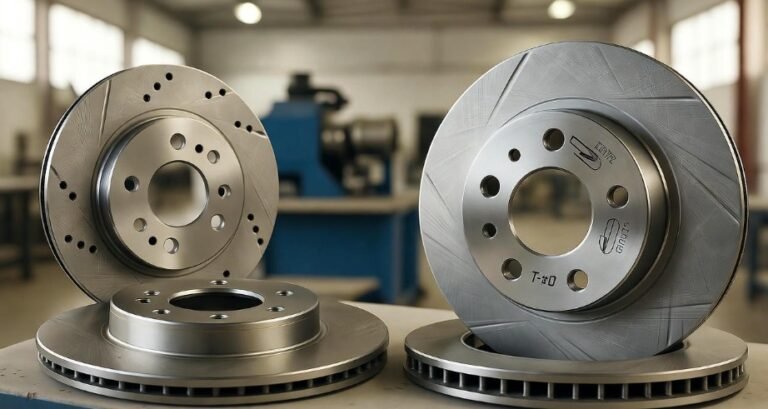
Safety inspections check critical systems like brakes, lights, tires, steering, and seat belts. Emissions inspections measure pollutants from the exhaust to ensure the car meets environmental standards. States like New York, Pennsylvania, and Massachusetts require annual safety inspections, and in many cases, a car must pass before it can be registered—even if it’s being sold by a dealer.
For example, in New York, a used car must have a valid inspection sticker before it can be transferred to a new owner. If a dealer sells a car without one, they could face fines or lose their license. Similarly, in California, most vehicles must pass a smog check (an emissions test) every two years, and a valid smog certificate is required when selling a car—even between private parties.
States With No Mandatory Inspections
On the flip side, many states don’t require any kind of inspection before a car is sold. States like Arizona, Florida, Texas, and Nevada have no statewide safety or emissions inspection programs for most vehicles. In these places, a dealer can legally sell a car without any official inspection—no brakes check, no emissions test, nothing.
That doesn’t mean the car is unsafe. It just means the responsibility falls on the buyer to verify the vehicle’s condition. In these states, dealers often rely on their own internal inspections or third-party certifications (like CARFAX or AutoCheck reports) to build trust with customers.
Hybrid and Partial Inspection States
Some states fall in the middle. For example, Illinois requires emissions testing in certain counties (like Cook County, which includes Chicago), but not in rural areas. Similarly, Virginia requires annual safety inspections, but only in specific regions.
This patchwork of rules can be confusing. A dealer in one part of a state might be required to inspect a car, while a dealer just 50 miles away isn’t. That’s why it’s essential to research your local laws before buying.
New Cars vs. Used Cars: Different Rules Apply
Another important distinction is whether the car is new or used. The rules for selling new cars are generally more relaxed when it comes to inspections—but that doesn’t mean they’re exempt from all checks.
New Cars and Manufacturer Standards
New cars come straight from the factory with a manufacturer’s warranty, and they’re built to meet strict federal safety and emissions standards. Because of this, most states don’t require a separate inspection before a new car is sold. The assumption is that the car is in perfect working order when it leaves the assembly line.
However, dealerships often perform a “pre-delivery inspection” (PDI) before handing over the keys. This isn’t a legal requirement, but it’s standard practice. The PDI checks everything from fluid levels to tire pressure to ensure the car is ready for the road. It’s also a chance for the dealer to fix any minor issues that might have occurred during shipping.
Used Cars and the “As-Is” Loophole
Used cars are where things get tricky. In states without mandatory inspections, dealers can sell used cars “as-is,” meaning they don’t guarantee the car’s condition. This is legal in many places, as long as the dealer discloses the sale as “as-is” on the contract.
For example, a dealer in Texas can sell a 2015 sedan with a check engine light on, as long as they tell the buyer the car is being sold without warranty. The buyer assumes all risk. This is why it’s so important to read the fine print and understand what “as-is” really means.
That said, even in “as-is” sales, dealers can’t lie about the car’s condition. If they knowingly hide a major defect—like a faulty transmission or flood damage—they could be sued for fraud. But proving fraud can be difficult, which is why independent inspections are so valuable.
Emissions and Environmental Regulations
Even in states without safety inspections, emissions testing can still play a role in whether a dealer can sell a car.
Federal Emissions Standards
The Environmental Protection Agency (EPA) sets national emissions standards for vehicles. All new cars must meet these standards, and many states enforce them through periodic smog checks.
In states like California, Colorado, and Texas (in certain counties), a valid emissions test is required to register a vehicle. That means a dealer can’t sell a car unless it passes a smog check—even if it’s a private sale.
For example, if you’re buying a used car in Los Angeles, the seller (whether a dealer or private party) must provide a recent smog certificate. If the car fails, the seller usually has to fix it before the sale can go through. Dealers in these areas often have their own smog technicians on staff to handle this.
Exemptions and Loopholes
Some vehicles are exempt from emissions testing. Older cars (often 1975 or earlier) are usually exempt because they don’t have modern emissions controls. Hybrid and electric vehicles may also be exempt in some states.
Additionally, some dealers use loopholes to avoid inspections. For instance, they might sell a car “for parts only” or “not for road use,” which can bypass registration and inspection requirements. But this is risky—if the buyer later registers the car, the dealer could be liable.
Dealer Certifications and “Certified Pre-Owned” Programs
Even in states without mandatory inspections, many dealerships offer certified pre-owned (CPO) vehicles. These cars go through a multi-point inspection, often backed by the manufacturer.
What Is a Certified Pre-Owned Car?
A CPO car is a used vehicle that has been inspected, refurbished, and certified by a dealership or manufacturer. These programs typically include:
– A 100+ point inspection
– Reconditioning of any worn parts
– Extended warranty coverage
– Roadside assistance
– Vehicle history report
For example, a Honda CPO vehicle might come with a 12-month/12,000-mile comprehensive warranty and a 7-year/100,000-mile powertrain warranty. These benefits make CPO cars more expensive than regular used cars, but they offer peace of mind.
Are CPO Inspections Legally Required?
No, CPO inspections are not legally required. They’re a marketing tool used by dealers to build trust and justify higher prices. However, they do provide a level of protection that you won’t get with an “as-is” sale.
It’s important to note that not all CPO programs are equal. Some are backed by the manufacturer (like Toyota Certified or Ford Certified), while others are run by independent dealerships. Always ask for details about what the inspection covers and whether it’s documented.
Buyer Protection Laws and Your Rights
Even if a dealer can legally sell a car without inspection, you’re not completely unprotected. Several laws and regulations are designed to safeguard consumers.
Lemon Laws
Lemon laws protect buyers of defective new and sometimes used cars. If a car has a serious defect that can’t be fixed after a reasonable number of attempts, the manufacturer or dealer may be required to replace it or refund your money.
Lemon laws vary by state, but most apply to new cars and some certified used cars. They don’t usually cover “as-is” sales, which is another reason to avoid them if possible.
Truth in Mileage Act
This federal law requires sellers to disclose the car’s actual mileage on the title. Rolling back an odometer is a serious crime, and dealers who do it can face fines and jail time.
Used Car Rule (Federal Trade Commission)
The FTC’s Used Car Rule requires dealers to post a Buyer’s Guide on every used car they sell. This guide tells you whether the car is sold “as-is” or with a warranty. It also lists major mechanical and electrical systems and whether they’re covered.
If a dealer doesn’t post the Buyer’s Guide, they’re violating federal law. You can report them to the FTC.
State Consumer Protection Laws
Many states have their own consumer protection laws that go beyond federal rules. For example, some states require dealers to provide a 3-day return policy or a short-term warranty on used cars.
Always check your state’s attorney general website for specific protections.
How to Protect Yourself When Buying Without an Inspection
Even if a dealer can legally sell a car without inspection, that doesn’t mean you should skip due diligence. Here’s how to protect yourself:
Get an Independent Inspection
The single best thing you can do is hire a trusted mechanic to inspect the car before you buy. This typically costs $100–$200, but it could save you thousands in repairs.
Ask the mechanic to check:
– Engine and transmission
– Brakes and suspension
– Frame and body for rust or damage
– Electrical systems
– Air conditioning and heating
– Tire condition and alignment
If the dealer refuses to allow an inspection, walk away. That’s a major red flag.
Review the Vehicle History Report
Always get a vehicle history report from services like CARFAX or AutoCheck. These reports show accidents, title issues, odometer readings, and service records.
Look for:
– Salvage or flood titles
– Multiple owners in a short time
– Gaps in service records
– Reported accidents
Test Drive the Car
Take the car for a thorough test drive. Listen for unusual noises, feel for vibrations, and test all features—lights, wipers, radio, AC, etc.
Drive on different road types: highways, city streets, and hills. This will reveal issues that might not show up in a short drive.
Ask for Maintenance Records
A well-maintained car is less likely to have hidden problems. Ask the dealer for service records. If they can’t provide them, be cautious.
Negotiate Based on Findings
If the inspection reveals issues, use them to negotiate a lower price. For example, if the brakes need replacing, ask for a $500 discount to cover the cost.
Get Everything in Writing
Make sure all promises—warranties, repairs, return policies—are written into the contract. Verbal promises aren’t enforceable.
Real-Life Examples and Case Studies
Let’s look at a few real-world scenarios to see how this plays out.
Case 1: The “As-Is” Sale in Texas
Maria bought a 2012 SUV from a dealership in Houston. The car was advertised as “clean title, low miles,” and the dealer said it was in great condition. No inspection was required in Texas, and the car was sold “as-is.”
Two weeks later, the transmission failed. Maria took it to a mechanic, who found metal shavings in the fluid—a sign of long-term wear. The dealer refused to help, citing the “as-is” clause.
Maria couldn’t sue because she didn’t get an independent inspection. Her mistake? Trusting the dealer’s word over a $150 mechanic’s check.
Case 2: The CPO Car in California
James bought a certified pre-owned Toyota in San Diego. The car came with a 12-month warranty and a detailed inspection report. Six months later, the check engine light came on.
He took it to a Toyota dealer, who diagnosed a faulty oxygen sensor. Because it was under warranty, the repair was free.
James’s experience shows the value of CPO programs—even in states with strict emissions laws.
Case 3: The Fraudulent Sale in Florida
David bought a used truck from a small dealership in Miami. The dealer claimed the truck had never been in an accident. But a CARFAX report later revealed it had been declared a total loss after a flood.
David sued the dealer for fraud and won. The court ruled that the dealer knowingly misrepresented the car’s history.
This case highlights the importance of checking vehicle history—and the legal consequences of lying.
Conclusion
So, can a dealer sell a car without inspection? The answer is: yes, in many cases—especially in states without mandatory inspection laws. But that doesn’t mean you should buy without doing your homework.
State laws vary widely, and while some places require rigorous checks, others let dealers sell cars “as-is” with minimal oversight. New cars are generally safer bets, but used cars—even certified ones—can hide problems.
Your best defense is knowledge and preparation. Always get an independent inspection, review the vehicle history, test drive thoroughly, and read the fine print. Don’t let a dealer’s smooth talk convince you to skip these steps.
Remember, a car is a major investment. Spending a little extra time and money upfront can save you from a costly mistake down the road. Whether you’re buying from a dealership or a private seller, the rules are the same: trust, but verify.
Frequently Asked Questions
Can a dealer sell a car without inspection in all states?
No, it depends on state laws. Some states require safety or emissions inspections before a car can be sold, while others do not. Always check your local regulations.
Is it legal to sell a used car “as-is” without an inspection?
Yes, in many states, dealers can sell used cars “as-is” without an inspection, as long as they disclose the condition and the sale terms clearly on the contract.
Do new cars need to be inspected before sale?
Generally, no. New cars meet federal safety and emissions standards and often come with a manufacturer’s warranty, so most states don’t require a pre-sale inspection.
What should I do if a dealer refuses to let me inspect the car?
Walk away. A reputable dealer should allow an independent inspection. Refusal is a major red flag and could indicate hidden problems.
Are emissions tests required for all used cars?
No, only in certain states and counties. Emissions testing is common in urban areas with air quality concerns, like California and parts of Texas.
Can I return a car if it breaks down after purchase?
It depends. If the car was sold with a warranty or under a lemon law, you may have return or repair rights. “As-is” sales usually don’t allow returns, so always get a written agreement.