Can a Car Battery Die While Driving

Yes, a car battery can die while driving—but it’s rare and usually signals a deeper electrical issue. While the alternator powers your car on the road, a failing battery or charging system can still cause sudden power loss. Understanding the signs and maintaining your vehicle helps prevent dangerous breakdowns.
In This Article
- 1 Key Takeaways
- 2 📑 Table of Contents
- 3 Can a Car Battery Die While Driving?
- 4 How Your Car’s Electrical System Works
- 5 Can the Battery Actually Die While Driving?
- 6 Warning Signs Your Battery or Charging System Is Failing
- 7 What to Do If Your Car Dies While Driving
- 8 How to Prevent a Battery or Charging System Failure
- 9 Conclusion
- 10 Frequently Asked Questions
Key Takeaways
- Yes, a car battery can die while driving—but it typically points to a failing alternator, loose connections, or a severely degraded battery.
- The alternator powers the car while driving, so if it fails, the battery drains quickly and the engine may shut off.
- Warning signs include dimming lights, slow power windows, and dashboard warnings—don’t ignore them.
- A weak battery struggles to support electrical loads when the alternator isn’t working properly, especially at idle or low RPMs.
- Regular maintenance and battery testing every 6–12 months can prevent unexpected failures.
- Extreme temperatures and short trips accelerate battery wear and reduce its ability to hold a charge.
- If your car dies while driving, safely pull over and call for help—don’t keep trying to restart it without diagnosing the issue.
📑 Table of Contents
Can a Car Battery Die While Driving?
It sounds counterintuitive—how could a car battery die while the engine is running? After all, isn’t the car supposed to be powered by the engine itself? The truth is, yes, a car battery can die while driving, but it’s not the battery alone that’s to blame. Instead, it’s usually a symptom of a larger electrical system failure, most commonly involving the alternator or poor battery health.
Your car’s electrical system is a team effort. The battery starts the engine, but once the engine is running, the alternator takes over, generating electricity to power all the vehicle’s systems and recharge the battery. If the alternator fails or the battery can’t hold a charge, the car may suddenly lose power—even while cruising down the highway. This can be dangerous, especially at high speeds or in heavy traffic.
Understanding how your car’s electrical system works—and what signs to watch for—can help you avoid being stranded or, worse, causing an accident. In this guide, we’ll break down why a car battery might die while driving, what symptoms to look for, and how to prevent it from happening to you.
How Your Car’s Electrical System Works
Visual guide about Can a Car Battery Die While Driving
Image source: ssbwiki.com
To understand why a battery might die while driving, it helps to know how your car’s electrical system operates. Think of it like a small power grid: the battery is the backup generator, and the alternator is the main power plant.
When you turn the key (or press the start button), the battery sends a burst of electricity to the starter motor, which cranks the engine. Once the engine starts, the alternator kicks in. It’s driven by a belt connected to the engine and generates electricity as the engine runs. This electricity powers everything—from your headlights and radio to your fuel injectors and ignition system. At the same time, the alternator recharges the battery so it’s ready for the next start.
The battery’s main job is to provide that initial power to start the car and to support the electrical system when the engine isn’t running (like when you’re parked with the radio on). But once the engine is running, the alternator should handle most of the load.
The Role of the Alternator
The alternator is the unsung hero of your car’s electrical system. Without it, your battery would drain within minutes of starting the engine. A healthy alternator produces around 13.5 to 14.5 volts of electricity—just enough to power the car and keep the battery charged.
If the alternator fails, the battery has to pick up the slack. But batteries aren’t designed for continuous high-output power. They’re meant for short bursts. So, if the alternator stops working, the battery will quickly drain, and the car will eventually shut down.
Battery Health and Capacity
Even with a working alternator, a weak or old battery can still cause problems. Over time, car batteries lose their ability to hold a charge. Sulfation—a buildup of lead sulfate crystals on the battery plates—reduces efficiency. Extreme temperatures, frequent short trips, and leaving electronics on while the engine is off all contribute to battery wear.
A battery that’s near the end of its life might start the car fine on a warm day, but struggle in cold weather or under heavy electrical load. If the alternator isn’t fully recharging it during driving, the battery’s charge can drop dangerously low.
Can the Battery Actually Die While Driving?
So, back to the original question: can a car battery die while driving? The short answer is yes—but it’s rarely the battery alone that causes the problem.
When people say “the battery died while driving,” they usually mean the car lost power and shut off. This typically happens because the alternator failed, and the battery couldn’t sustain the electrical load. In rare cases, a battery with a severe internal fault (like a shorted cell) might fail suddenly, even with a working alternator.
Let’s look at a real-world example. Imagine you’re driving home from work on a rainy evening. Your headlights, windshield wipers, and defroster are all on. Suddenly, the dashboard lights flicker, the radio cuts out, and the engine sputters before shutting off. You manage to coast to the shoulder, but when you try to restart the car, nothing happens.
In this scenario, the alternator likely failed. The battery tried to power all those electrical systems, but it drained too quickly. Without the alternator recharging it, the battery couldn’t keep up. The result? A dead battery and a stalled engine.
Why the Alternator Failure Causes Battery Drain
When the alternator fails, the battery becomes the sole source of power. But it wasn’t designed for that. A typical car battery has a capacity of about 48 amp-hours. That sounds like a lot, but under heavy electrical load—like running headlights, AC, and electronics—it can drain in 20 to 30 minutes.
For instance, if your alternator belt breaks or the alternator itself burns out, the battery will start supplying power. At first, everything might seem normal. But as the battery voltage drops, systems begin to fail. Lights dim, the engine runs rough, and eventually, the car stalls.
Can a Bad Battery Cause the Car to Die While Driving?
Yes, but indirectly. A severely degraded battery might not be able to support the electrical system if the alternator isn’t producing enough power—especially at idle or low RPMs. Some alternators don’t generate full output until the engine is revving. If the battery is weak, it can’t “fill in the gaps,” leading to voltage drops and potential stalling.
This is more common in older cars or vehicles with high electrical demands (like those with aftermarket stereos, lighting, or accessories). If your car has a weak battery and a marginal alternator, the combination can be deadly—literally.
Warning Signs Your Battery or Charging System Is Failing
The good news? Most battery and alternator failures don’t happen without warning. Your car usually gives you clues that something’s wrong. Paying attention to these signs can save you from being stranded.
Dim or Flickering Lights
One of the earliest signs of electrical trouble is dimming headlights or interior lights. If your lights get noticeably brighter when you rev the engine, it could mean the alternator isn’t producing enough power at idle. The battery is compensating, but it can’t keep up.
For example, you might notice your headlights dim when you stop at a red light, then brighten when you press the gas. That’s a classic sign of alternator trouble.
Slow Power Windows or Weak Accessories
If your power windows move slowly, your radio cuts out, or your seat heaters feel weak, it could be due to low voltage. These systems rely on steady electrical power. When the battery is draining or the alternator isn’t charging properly, they suffer first.
Dashboard Warning Lights
The battery or charging system warning light (often shaped like a battery or labeled “ALT” or “GEN”) is a clear indicator. If it comes on while driving, pull over safely and have your system checked immediately. Ignoring it could lead to a complete breakdown.
Strange Smells or Sounds
A burning smell could indicate an overheating alternator or a slipping belt. A whining or grinding noise might mean the alternator bearings are failing. These aren’t direct battery issues, but they can lead to battery drain.
Frequent Need for Jump-Starts
If you’ve had to jump-start your car more than once in the past few months, your battery or charging system is likely failing. A healthy battery should start your car reliably for 3–5 years.
What to Do If Your Car Dies While Driving
If your car suddenly loses power and shuts off while driving, stay calm and follow these steps:
1. Keep Steering and Braking
Even with a dead engine, you still have power steering and brakes—for a short time. Use them to guide your car to the shoulder or a safe location. Turn on your hazard lights as soon as possible.
2. Don’t Panic or Slam the Brakes
Sudden braking can cause you to lose control, especially at high speeds. Ease off the gas and let the car slow down naturally. Use gentle braking to come to a stop.
3. Try to Restart (Once)
If you’re safely pulled over, try turning the key to restart the engine. If it starts, drive directly to a repair shop—don’t stop or turn off the engine. If it doesn’t start, don’t keep trying. You could drain the battery completely.
4. Call for Help
Use your phone to call roadside assistance or a tow truck. If you’re in a dangerous location (like a highway), stay in the car with your seatbelt on until help arrives.
5. Avoid DIY Fixes on the Road
Unless you’re experienced, don’t attempt to fix electrical issues on the side of the road. It’s safer to let a professional diagnose the problem.
How to Prevent a Battery or Charging System Failure
Prevention is always better than a breakdown. Here’s how to keep your car’s electrical system in top shape:
Get Regular Battery and Alternator Tests
Most auto parts stores offer free battery and alternator testing. Have yours checked every 6–12 months, especially if your car is over 3 years old. A simple test can reveal if your battery is weak or if the alternator isn’t charging properly.
Replace Your Battery on Schedule
Car batteries typically last 3–5 years. If yours is approaching that age, consider replacing it proactively—especially before winter. Cold weather reduces battery efficiency, and a weak battery is more likely to fail.
Keep Connections Clean and Tight
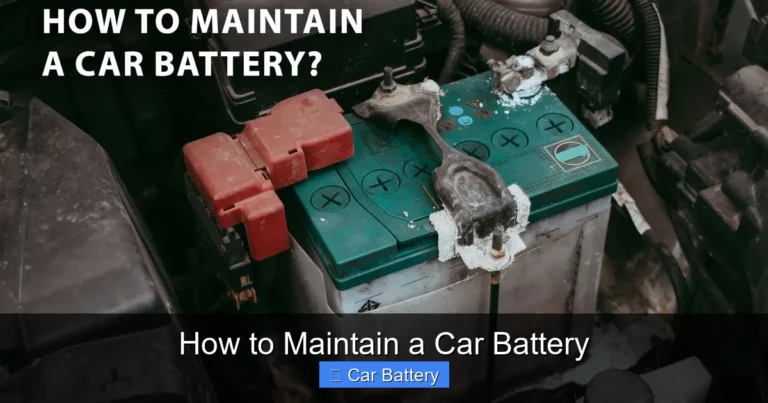
Corroded or loose battery terminals can prevent proper charging. Check the terminals regularly and clean them with a wire brush and baking soda solution if you see white or green buildup.
Avoid Short Trips
Short trips don’t give the alternator enough time to fully recharge the battery. If you only drive a few minutes at a time, consider taking longer drives occasionally or using a battery maintainer.
Limit Electrical Load When Idling
Running the AC, headlights, and stereo while parked can drain the battery. If you’re waiting in the car, turn off unnecessary electronics to preserve charge.
Watch for Extreme Temperatures
Both extreme heat and cold are hard on batteries. Park in the garage when possible, and consider a battery insulator in very cold climates.
Conclusion
So, can a car battery die while driving? Yes—but it’s usually a sign of a deeper issue, like a failing alternator or a severely degraded battery. Your car relies on a balanced electrical system: the battery starts the engine, and the alternator keeps everything running. When that balance is disrupted, the results can be sudden and dangerous.
The key to avoiding a breakdown is awareness and maintenance. Pay attention to warning signs like dim lights, slow accessories, and dashboard alerts. Get your battery and alternator tested regularly, and replace aging components before they fail.
Remember, your car’s electrical system is like a heart and lungs—it keeps everything alive. Treat it well, and it will keep you moving safely down the road.
Frequently Asked Questions
Can a car battery die while driving?
Yes, a car battery can die while driving, but it’s usually due to a failing alternator or a severely degraded battery. The alternator powers the car while driving, so if it fails, the battery drains quickly and the engine may shut off.
What causes a car to die while driving?
A car may die while driving due to alternator failure, a dead battery, loose or corroded connections, or a faulty ignition system. Electrical issues often give warning signs like dim lights or dashboard warnings before a complete failure.
How long can a car run on battery power alone?
A car can typically run on battery power alone for 20 to 30 minutes under normal electrical load. However, this time decreases significantly if headlights, AC, or other accessories are in use.
Can a bad alternator kill a new battery?
Yes, a bad alternator can kill a new battery quickly. If the alternator isn’t charging the battery while driving, the battery will drain and eventually fail, even if it’s brand new.
How do I know if my battery or alternator is bad?
Signs of a bad battery include slow cranking, frequent jump-starts, and a battery older than 3–5 years. A bad alternator often causes dim lights, electrical failures, and a charging system warning light on the dashboard.
Should I replace my battery or alternator first?
It depends on the diagnosis. If the battery is old or failing, replace it first. If the alternator isn’t charging properly, it should be repaired or replaced. A professional test can determine which component is at fault.