Can a Bad Timing Belt Cause a Car to Overheat

Contents
- 1 Key Takeaways
- 2 📑 Table of Contents
- 3 Can a Bad Timing Belt Cause a Car to Overheat?
- 4 What Is a Timing Belt and Why Does It Matter?
- 5 How Engine Overheating Happens: The Basics
- 6 The Hidden Link: How a Bad Timing Belt Can Lead to Overheating
- 7 Signs Your Timing Belt Might Be Failing
- 8 Preventing Overheating and Timing Belt Failure
- 9 What to Do If Your Timing Belt Fails
- 10 Conclusion: Stay Ahead of the Problem
- 11 Frequently Asked Questions


A bad timing belt doesn’t directly cause overheating, but it can lead to severe engine damage that results in overheating. When the belt fails, engine components stop syncing, potentially causing valves to collide with pistons—especially in interference engines. This internal damage can block coolant flow or damage the water pump, both of which contribute to rising engine temperatures.
Key Takeaways
- Timing belts don’t directly control engine temperature: Their main job is synchronizing the camshaft and crankshaft, not managing heat.
- Failure can cause catastrophic engine damage: In interference engines, a snapped belt can lead to bent valves or piston damage, indirectly causing overheating.
- Water pump failure is a common side effect: Many water pumps are driven by the timing belt—if the belt breaks, the pump stops, halting coolant circulation.
- Overheating may appear after belt failure: Coolant leaks or blockages from internal engine damage can cause the engine to overheat post-failure.
- Preventive maintenance is critical: Replacing the timing belt at manufacturer-recommended intervals prevents unexpected failure and related overheating risks.
- Watch for early warning signs: Squealing noises, engine misfires, or difficulty starting can indicate a worn timing belt before it fails.
- Not all engines are equally at risk: Interference engines are more vulnerable to overheating and damage from timing belt failure than non-interference designs.
📑 Table of Contents
- Can a Bad Timing Belt Cause a Car to Overheat?
- What Is a Timing Belt and Why Does It Matter?
- How Engine Overheating Happens: The Basics
- The Hidden Link: How a Bad Timing Belt Can Lead to Overheating
- Signs Your Timing Belt Might Be Failing
- Preventing Overheating and Timing Belt Failure
- What to Do If Your Timing Belt Fails
- Conclusion: Stay Ahead of the Problem
Can a Bad Timing Belt Cause a Car to Overheat?
You’re driving down the highway, enjoying the breeze through your open window, when suddenly the temperature gauge on your dashboard starts creeping into the red zone. Your heart skips a beat. Is it the radiator? The thermostat? Or could it be something as seemingly unrelated as the timing belt?
It’s a question many drivers ask when faced with unexpected overheating: Can a bad timing belt cause a car to overheat? At first glance, the timing belt and engine temperature seem like two completely separate systems. One controls the precise opening and closing of engine valves, while the other manages heat dissipation. But when you dig deeper, you’ll find that the failure of a timing belt—especially in certain engine types—can indeed set off a chain reaction that leads to overheating.
In this comprehensive guide, we’ll explore the relationship between timing belts and engine overheating. We’ll break down how timing belts work, why they’re so important, and under what circumstances their failure can contribute to rising engine temperatures. Whether you’re a seasoned mechanic or a weekend DIYer, understanding this connection could save you thousands in repair bills and prevent a roadside breakdown.
What Is a Timing Belt and Why Does It Matter?
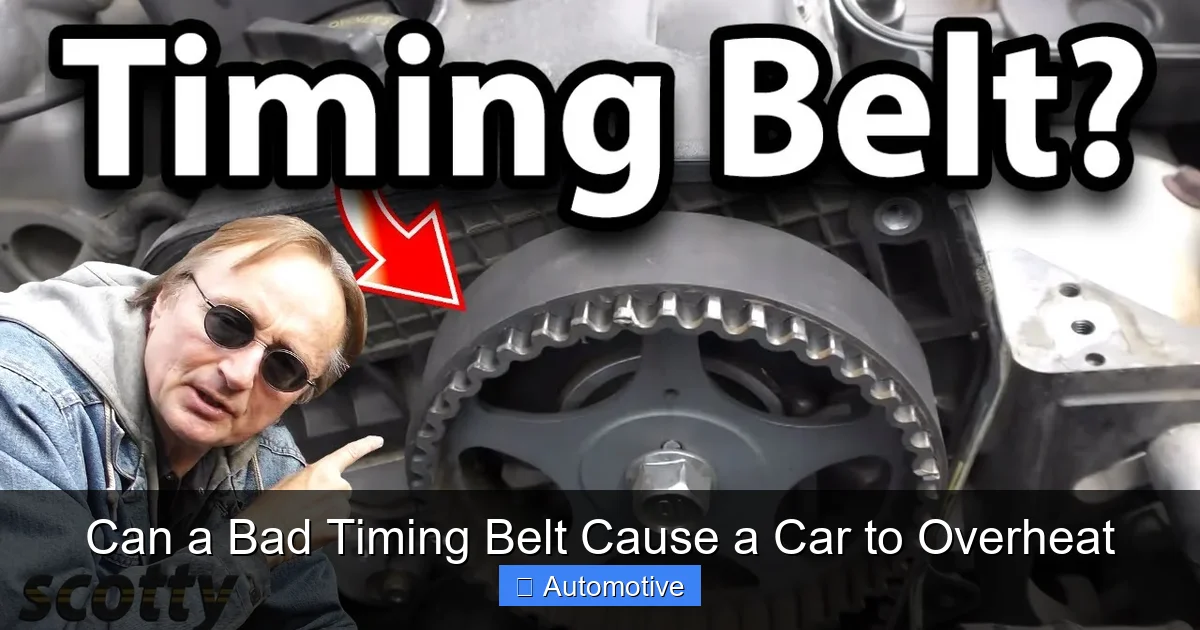
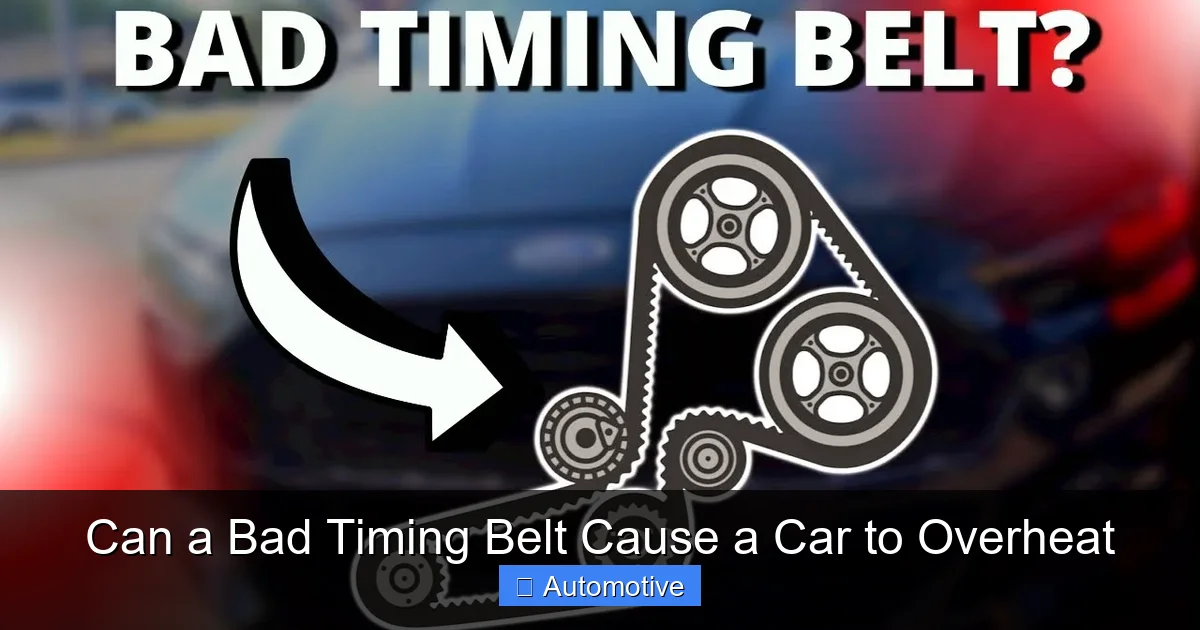
Before we dive into the overheating connection, let’s get clear on what a timing belt actually does. Think of the timing belt as the conductor of an orchestra. In your car’s engine, the crankshaft and camshaft must work in perfect harmony—opening and closing valves at exactly the right moments to allow air and fuel in and exhaust gases out. The timing belt ensures this synchronization.
Visual guide about Can a Bad Timing Belt Cause a Car to Overheat
Image source: i.ytimg.com
How the Timing Belt Keeps Your Engine in Sync
The timing belt is a reinforced rubber belt with teeth that mesh with gears on the crankshaft and camshaft. As the engine runs, the crankshaft rotates, turning the belt, which in turn rotates the camshaft. This precise timing is critical. If the belt slips or breaks, the valves may open or close at the wrong time, leading to poor performance, misfires, or even engine damage.
Most modern gasoline engines use either a timing belt or a timing chain. Belts are quieter and lighter but require periodic replacement—typically every 60,000 to 100,000 miles, depending on the vehicle. Chains, on the other hand, are more durable and often last the life of the engine, though they can still wear out over time.
Timing Belt vs. Timing Chain: Which Is Better?
While both serve the same purpose, timing belts and chains have different lifespans and maintenance needs. Timing belts are more common in older and some newer economy vehicles because they’re cheaper to produce and quieter in operation. However, their rubber construction means they degrade over time due to heat, oil exposure, and normal wear.
Timing chains, typically found in trucks, performance cars, and some luxury vehicles, are made of metal and resemble a bicycle chain. They’re more robust and rarely need replacement, but when they do fail, the repair is often more complex and expensive.
For the purposes of this article, we’ll focus on timing belts, as they’re more prone to failure and directly tied to overheating risks in certain scenarios.
How Engine Overheating Happens: The Basics
To understand how a bad timing belt might cause overheating, it helps to know how engines stay cool in the first place. Your car’s engine generates a tremendous amount of heat—enough to melt metal if left unchecked. That’s why every engine has a cooling system designed to regulate temperature.
Visual guide about Can a Bad Timing Belt Cause a Car to Overheat
Image source: motorverso.com
The Role of the Cooling System
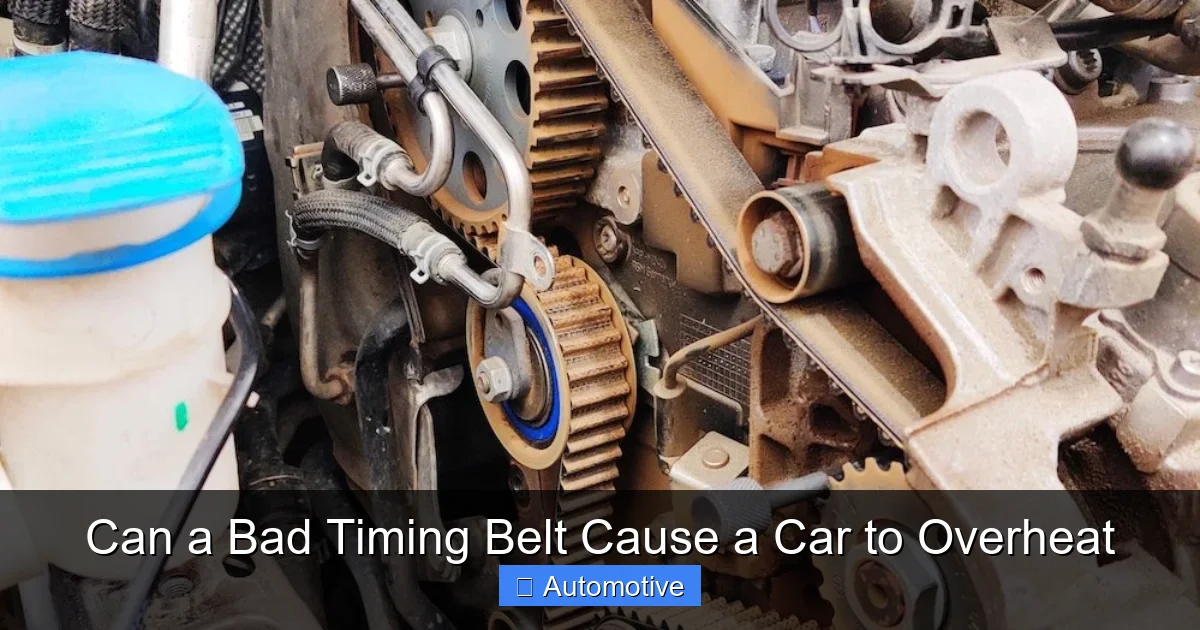
The cooling system includes several key components: the radiator, water pump, thermostat, coolant (antifreeze), hoses, and the engine’s coolant passages. As the engine runs, coolant circulates through these passages, absorbing heat. The hot coolant then flows to the radiator, where air passing through (either from driving or the radiator fan) cools it down before it returns to the engine.
The water pump is the heart of this system. It’s responsible for pushing coolant through the engine and radiator. Without it, coolant would just sit still, and the engine would overheat within minutes.
Common Causes of Overheating
Overheating can stem from many issues: a leaking radiator, a faulty thermostat stuck in the closed position, a broken water pump, low coolant levels, or a clogged coolant passage. In most cases, these problems are unrelated to the timing belt. But as we’ll see, the timing belt can indirectly contribute to some of these failures.
For example, if the water pump is driven by the timing belt—and it fails or stops turning—the coolant won’t circulate. That’s a direct path to overheating. We’ll explore this in more detail shortly.
The Hidden Link: How a Bad Timing Belt Can Lead to Overheating
Now for the million-dollar question: Can a bad timing belt cause a car to overheat? The short answer is: not directly, but yes, indirectly—especially in certain engine designs.
Visual guide about Can a Bad Timing Belt Cause a Car to Overheat
Image source: i.ytimg.com
A timing belt itself doesn’t regulate temperature. It doesn’t cool the engine or control coolant flow. So, in a vacuum, a worn or cracked timing belt won’t make your engine run hot. However, when that belt fails—especially by breaking—it can trigger a series of events that result in overheating.
Water Pump Failure: The Most Common Culprit
In many vehicles, the water pump is driven by the timing belt. This design saves space and reduces the number of belts under the hood. But it also means that if the timing belt breaks or slips, the water pump stops turning.
No water pump motion = no coolant circulation = rapid overheating.
Imagine you’re driving at 60 mph when the timing belt snaps. The engine might keep running for a few seconds due to momentum, but the water pump stops immediately. Within minutes, the engine temperature spikes. You might not even realize the belt broke until the temperature warning light flashes on your dashboard.
This scenario is especially dangerous because overheating can occur very quickly—sometimes in under five minutes—once coolant stops flowing. And by then, the damage may already be done.
Engine Damage in Interference Engines
Another way a bad timing belt can lead to overheating is through internal engine damage—particularly in what’s known as an interference engine.
In an interference engine, the pistons and valves occupy the same space in the cylinder at different times during the engine cycle. The timing belt ensures they never collide. But if the belt breaks, the camshaft stops turning while the crankshaft (and pistons) may continue moving for a brief moment due to inertia.
The result? The pistons can slam into the open valves, bending or breaking them. This causes severe internal damage, including cracked cylinder heads, damaged pistons, or warped engine blocks.
Now, how does this relate to overheating? Damaged valves or cylinder heads can create leaks in the combustion chamber or coolant passages. Coolant may leak into the cylinders or oil passages, reducing the amount available for cooling. Additionally, warped components can block coolant flow, creating hot spots in the engine.
In extreme cases, the engine may overheat immediately after a timing belt failure due to coolant loss or blockage. In other cases, overheating develops gradually as damaged components degrade further.
Coolant Contamination and Blockages
When valves bend or break due to timing belt failure, metal fragments can enter the engine’s oil and coolant systems. These particles can clog small coolant passages, especially in the cylinder head or radiator. Restricted flow means less heat is carried away, increasing the risk of overheating.
Additionally, if coolant mixes with engine oil (due to a cracked head or blown head gasket caused by impact damage), the oil loses its lubricating properties and the coolant becomes less effective at transferring heat. This dual failure can cause the engine to overheat even if the water pump is still working.
Signs Your Timing Belt Might Be Failing
Since a bad timing belt can lead to overheating—and potentially catastrophic engine failure—it’s crucial to recognize the warning signs before it’s too late. Unfortunately, timing belts often fail without obvious symptoms, which is why preventive maintenance is so important.
Visual Inspection: What to Look For
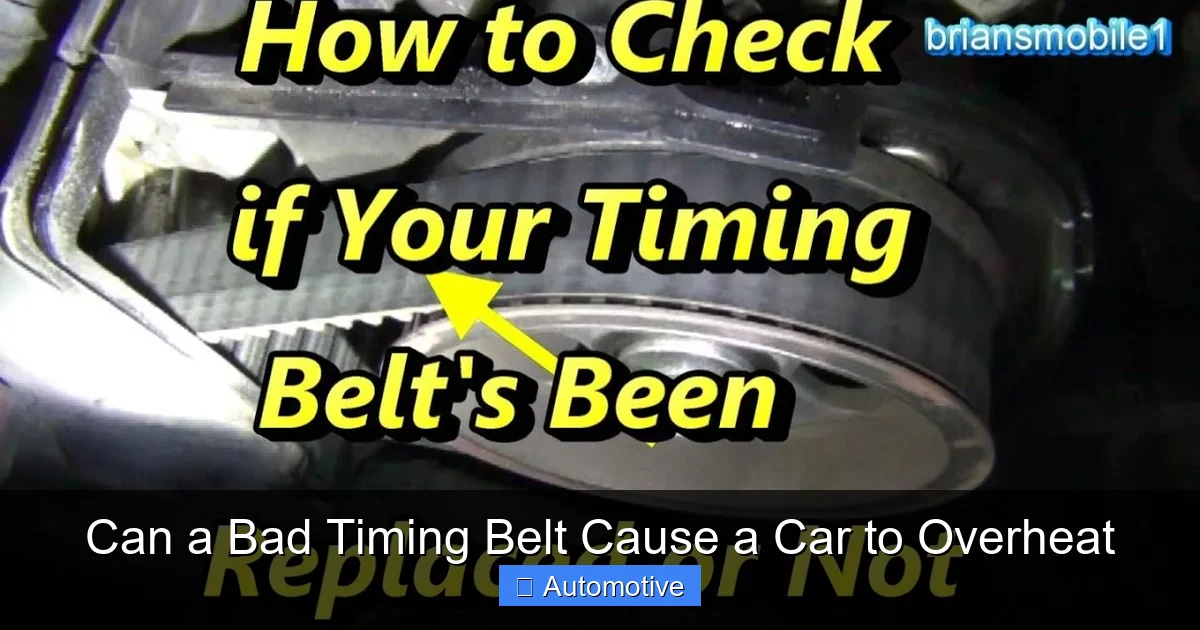
If you’re comfortable popping the hood, you can inspect the timing belt for visible damage. Look for:
- Cracks or fraying along the belt’s surface
- Missing or worn teeth
- Glazing or shiny spots (indicating slippage)
- Oil contamination (oil leaks can degrade rubber)
- Excessive looseness or sagging
Keep in mind that in many vehicles, the timing belt is hidden behind covers and not easily accessible without removing components. If you’re unsure, it’s best to have a mechanic inspect it during routine maintenance.
Performance Symptoms to Watch For
While timing belt failure often happens silently, some drivers report subtle signs before a complete break:
- Rough idling or misfires: If the belt slips slightly, valve timing becomes off, causing uneven engine performance.
- Difficulty starting the engine: Incorrect valve timing can make it hard for the engine to turn over.
- Ticking or clicking noises: A loose or worn belt may make noise as it slaps against the cover.
- Check engine light: Modern cars may detect timing issues via the crankshaft and camshaft position sensors.
None of these symptoms guarantee the belt is about to fail, but they’re red flags that warrant immediate inspection.
Mileage and Age: The Best Predictors
The most reliable way to know if your timing belt needs replacement is by checking your vehicle’s maintenance schedule. Most manufacturers recommend replacing the timing belt every 60,000 to 100,000 miles, or every 5 to 7 years—whichever comes first.
For example:
- Toyota Camry (2.5L 4-cylinder): Replace every 90,000 miles
- Honda Accord (2.4L 4-cylinder): Replace every 105,000 miles
- Ford Focus (2.0L 4-cylinder): Replace every 100,000 miles
Even if your car seems to be running fine, don’t skip this service. A broken timing belt can leave you stranded and cost thousands in repairs—far more than the $500–$1,000 typical replacement cost.
Preventing Overheating and Timing Belt Failure
The best way to avoid overheating caused by a bad timing belt is through proactive maintenance. Here’s how to protect your engine and stay safe on the road.
Follow the Manufacturer’s Maintenance Schedule
Your owner’s manual is your best friend when it comes to timing belt replacement. Don’t rely on guesswork or “it’s been running fine” logic. Rubber degrades over time, even if the belt looks okay.
When you replace the timing belt, it’s also wise to replace the water pump, tensioner, and idler pulleys at the same time. These components wear out alongside the belt, and replacing them together saves labor costs and prevents future failures.
Monitor Coolant Levels and Condition
Since timing belt failure can indirectly cause overheating via coolant issues, keep an eye on your coolant system. Check the coolant reservoir regularly and top it off if low. Look for signs of contamination, such as oil in the coolant or coolant in the oil (milky residue on the dipstick).
Also, flush and replace coolant according to your vehicle’s schedule—typically every 30,000 to 50,000 miles. Old coolant loses its corrosion inhibitors and can contribute to blockages.
Know Your Engine Type
Find out whether your car has an interference or non-interference engine. You can usually find this information in the owner’s manual or by searching your vehicle’s make, model, and engine type online.
If you have an interference engine, the risk of severe damage from timing belt failure is much higher. This makes timely replacement even more critical.
Listen to Your Car
Pay attention to changes in engine sound, performance, or warning lights. If something feels off, don’t ignore it. A small issue today can become a major repair tomorrow.
And if you ever experience sudden overheating, pull over safely and turn off the engine immediately. Continuing to drive can warp the cylinder head or crack the engine block—repairs that can cost more than the car is worth.
What to Do If Your Timing Belt Fails
If you suspect your timing belt has failed—or if your engine suddenly overheats—here’s what to do:
- Pull over safely: Turn on your hazard lights and move to the shoulder or a safe location.
- Turn off the engine: This prevents further damage from overheating or internal impact.
- Do not open the radiator cap: The system is under pressure and extremely hot. Wait at least 30 minutes for the engine to cool.
- Call for roadside assistance: Have your vehicle towed to a trusted mechanic. Driving with a broken timing belt or overheating engine can cause irreversible damage.
- Get a full inspection: The mechanic should check for bent valves, damaged pistons, water pump function, and coolant system integrity.
In many cases, a timing belt failure in an interference engine means the engine needs a complete rebuild or replacement. The cost can range from $3,000 to $8,000 or more, depending on the vehicle.
Conclusion: Stay Ahead of the Problem
So, can a bad timing belt cause a car to overheat? The answer is nuanced. While the timing belt doesn’t directly control engine temperature, its failure can trigger a cascade of events—especially water pump stoppage or internal engine damage—that lead to overheating.
The key takeaway? Don’t wait for symptoms to appear. Timing belts are a critical maintenance item, not an “if it ain’t broke, don’t fix it” component. Replacing it on schedule is one of the smartest, most cost-effective things you can do to protect your engine.
By staying informed, following your maintenance schedule, and listening to your car, you can avoid the headache—and expense—of a timing belt failure and the overheating that may follow. Your engine will thank you, and you’ll enjoy safer, more reliable drives for years to come.
Frequently Asked Questions
Can a bad timing belt cause a car to overheat?
A bad timing belt doesn’t directly cause overheating, but it can lead to conditions that result in overheating, such as water pump failure or internal engine damage.
How does a broken timing belt affect the water pump?
In many vehicles, the water pump is driven by the timing belt. If the belt breaks, the pump stops turning, halting coolant circulation and causing rapid overheating.
What happens if a timing belt breaks while driving?
If the belt breaks, the engine may stop running immediately. In interference engines, pistons can collide with valves, causing severe internal damage and potential overheating.
Can I drive with a worn timing belt?
No. A worn timing belt can fail unexpectedly, leading to engine damage, overheating, and costly repairs. Replace it according to your vehicle’s maintenance schedule.
How often should a timing belt be replaced?
Most manufacturers recommend replacing the timing belt every 60,000 to 100,000 miles or every 5 to 7 years, whichever comes first.
Is it worth replacing the water pump when changing the timing belt?
Yes. Since the water pump is often driven by the timing belt and requires similar labor to access, replacing it at the same time prevents future failures and saves on labor costs.