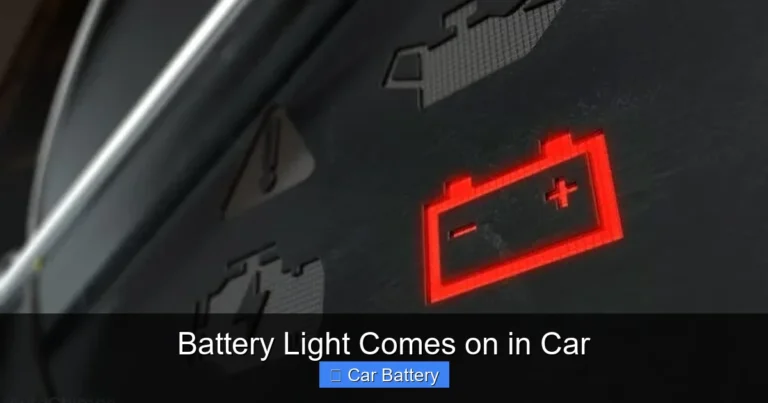
Can a Bad Battery Cause a Car to Stall
Yes, a bad battery can cause a car to stall—especially if it fails to power critical systems like fuel injectors or ignition coils. While stalling is often linked to fuel or engine issues, a weak battery may be the hidden culprit, particularly during idle or low-speed driving.
In This Article
- 1 Key Takeaways
- 2 Introduction: The Hidden Culprit Behind a Stalling Engine
- 3 How a Car Battery Powers More Than Just the Starter
- 4 Signs That a Bad Battery Might Be Causing Your Car to Stall
- 5 How a Weak Battery Interacts with Other Systems
- 6 Real-World Examples: When a Bad Battery Caused Stalling
- 7 How to Diagnose and Fix a Bad Battery-Related Stall
- 8 Preventing Future Stalls: Battery Maintenance Tips
- 9 Conclusion: Don’t Overlook the Battery When Your Car Stalls
- 10 FAQs
- 10.1 Can a bad battery cause a car to stall while driving?
- 10.2 How do I know if my battery is causing stalling?
- 10.3 Will jump-starting fix a stalling problem caused by a bad battery?
- 10.4 Can a new battery stop my car from stalling?
- 10.5 How often should I replace my car battery?
- 10.6 Is it safe to drive with a weak battery?
- 11 Key Takeaways
- 12 Frequently Asked Questions
Key Takeaways
- A bad battery can indirectly cause stalling: It may not provide enough voltage to run essential components like fuel pumps or ignition systems, leading to engine shutdown.
- Stalling at idle is a common symptom: If your car dies when stopped or at traffic lights, the battery might not be sustaining electrical demand.
- Modern cars are more vulnerable: Vehicles with advanced electronics rely heavily on stable voltage—low battery output can disrupt engine management systems.
- Battery age matters: Most car batteries last 3–5 years; older batteries are more likely to cause performance issues, including stalling.
- Alternator health is also key: A failing alternator won’t recharge the battery, leading to gradual power loss and potential stalling.
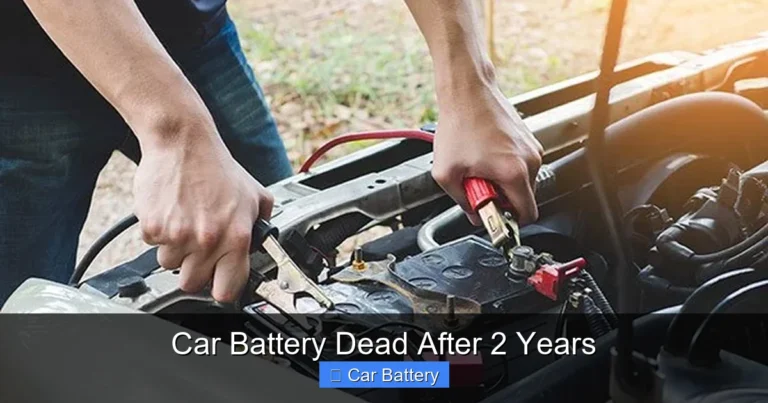
- Jump-starting isn’t always a fix: If the car stalls again after a jump, the battery or charging system likely needs professional inspection.
- Preventive maintenance helps: Regular battery testing and cleaning terminals can prevent unexpected stalling and breakdowns.
Introduction: The Hidden Culprit Behind a Stalling Engine
Picture this: You’re driving home from work, stopped at a red light, and suddenly—your car dies. The engine shuts off, the dashboard lights flicker, and you’re left sitting in silence. Your first thought might be, “Did I run out of gas?” or “Is there a problem with the engine?” But what if the real issue is something much simpler—and more common—than you think?
Many drivers are surprised to learn that a bad battery can cause a car to stall. While we often associate stalling with fuel pumps, spark plugs, or engine sensors, the battery plays a far more critical role than just starting the car. In today’s vehicles, the battery powers not only the starter motor but also a host of electronic systems that keep the engine running smoothly. When that power source weakens, the entire system can become unstable—leading to unexpected shutdowns, especially at low speeds or idle.
How a Car Battery Powers More Than Just the Starter
It’s easy to think of the car battery as just the thing that gets your engine going when you turn the key. But in reality, it’s the heart of your vehicle’s electrical system. Once the engine is running, the alternator takes over to generate electricity and recharge the battery. However, the battery still plays a vital role in stabilizing voltage and supplying power during high-demand situations—like when you’re idling, using the air conditioning, or driving in stop-and-go traffic.
The Battery’s Role in Engine Operation
Modern engines rely on precise electronic controls to manage fuel injection, ignition timing, and emissions. These systems require a steady flow of electricity to function correctly. The battery ensures that even when the alternator can’t keep up—such as during cold starts or heavy electrical load—the engine control unit (ECU) and other components continue to operate.
For example, the fuel injectors need a specific voltage to open and close at the right time. If the battery is weak, the voltage drops, and the injectors may not fire properly. This can lead to misfires, rough idling, or even a complete engine stall. Similarly, the ignition coils—which create the spark needed to ignite the fuel—depend on consistent power. A failing battery can’t deliver the necessary voltage, resulting in weak or missing sparks.
Why Modern Cars Are More Sensitive
Older vehicles with carburetors and mechanical ignition systems were more forgiving of electrical fluctuations. But today’s cars are packed with sensors, computers, and electronic throttle controls that demand stable voltage. Even a small dip in battery power can confuse the ECU, causing it to shut down the engine to prevent damage.
Think of it like a smartphone: if the battery is low, the phone might freeze or restart unexpectedly. The same principle applies to your car. A weak battery can’t support the complex electronics, leading to erratic behavior—including stalling.
Signs That a Bad Battery Might Be Causing Your Car to Stall
Not every stall is caused by a bad battery, but there are clear warning signs that point to electrical issues. Recognizing these symptoms early can save you from being stranded and help you avoid costly repairs down the road.
Stalling at Idle or Low Speeds
One of the most telling signs is when your car dies while idling—like at a stoplight or in traffic. This happens because the engine is running at its lowest RPM, and the alternator isn’t generating much power. If the battery is weak, it can’t supplement the electrical load, causing critical systems to fail.
For instance, if you notice your car stalling when you turn on the AC, headlights, or radio while stopped, it’s a red flag. These accessories draw extra power, and a weak battery may not be able to handle the demand.
Slow or Failed Engine Crank
Before stalling becomes an issue, you might notice that your engine cranks slowly when you start the car. This is a classic sign of a dying battery. If the battery can’t deliver enough power to turn the starter motor, the engine may struggle to start—or not start at all.
Even if the car eventually starts, a weak battery is still a liability. It may not have enough reserve capacity to keep the engine running under stress, increasing the risk of stalling.
Flickering Dashboard Lights or Electrical Glitches
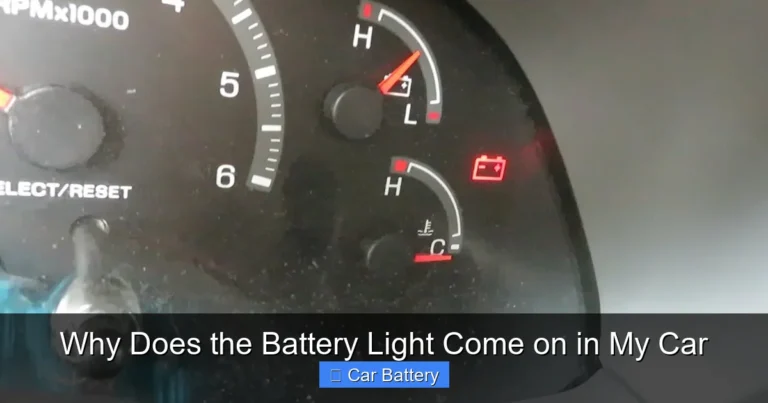
Pay attention to your dashboard. If the lights dim when you press the brake, turn on the wipers, or use other electrical components, your battery may be struggling. Flickering lights, malfunctioning power windows, or a glitchy infotainment system are all signs of inconsistent voltage.
These electrical issues often precede stalling. The car’s computer systems are sensitive to voltage drops, and if they don’t receive stable power, they may shut down the engine as a protective measure.
Battery Age and Maintenance History
If your battery is more than three to five years old, it’s time to get it tested. Batteries degrade over time, losing their ability to hold a charge. Even if it seems to work fine, an aging battery may fail under load—especially in extreme temperatures.
Also, check the battery terminals. Corrosion or loose connections can restrict electrical flow, mimicking the symptoms of a bad battery. Cleaning the terminals and ensuring a tight connection can sometimes resolve stalling issues.
How a Weak Battery Interacts with Other Systems
A bad battery doesn’t work in isolation—it affects multiple systems in your car, creating a domino effect that can lead to stalling. Understanding these interactions helps explain why a seemingly simple component can have such a big impact.
The Alternator and Charging System
The alternator is responsible for recharging the battery while the engine runs. If the alternator is failing, the battery won’t get recharged, and its charge will gradually deplete. This can lead to stalling, especially on longer drives or when using multiple electrical accessories.
However, a weak battery can also strain the alternator. If the battery can’t hold a charge, the alternator has to work harder to compensate. Over time, this can lead to alternator failure—creating a vicious cycle of electrical problems.
Fuel System and Ignition Dependencies
The fuel pump, which delivers gasoline to the engine, runs on electricity. If the battery voltage drops too low, the pump may not operate efficiently, leading to fuel starvation and stalling. Similarly, the ignition system—including spark plugs and coils—requires consistent voltage to create strong sparks.
In direct-injection engines, the fuel injectors operate at very high pressures and rely on precise timing. A weak battery can disrupt the signals from the ECU, causing misfires or incomplete combustion. This not only reduces performance but can also trigger the engine to shut down.
Electronic Throttle Control (Drive-by-Wire)
Many modern cars use electronic throttle control instead of a mechanical cable. The accelerator pedal sends a signal to the ECU, which then adjusts the throttle opening. This system depends on stable voltage to function correctly.
If the battery is weak, the ECU may not receive accurate signals from the pedal sensor. This can cause erratic throttle response, hesitation, or even stalling when you try to accelerate from a stop.
Real-World Examples: When a Bad Battery Caused Stalling
Let’s look at a few real-life scenarios where a bad battery was the hidden cause of stalling—proving that sometimes the simplest fix is the right one.
Case Study: The Commuter Who Kept Stalling at Red Lights
Sarah, a daily commuter, noticed her car would die every time she stopped at a traffic light. She took it to a mechanic, who replaced the fuel pump and cleaned the throttle body—but the problem persisted. Finally, a technician tested the battery and found it was only delivering 11.2 volts when the engine was off (a healthy battery should be around 12.6 volts).
After replacing the battery, the stalling stopped. The weak battery couldn’t support the electrical load at idle, causing the engine to shut down. Once the new battery provided stable power, the car ran smoothly.
Case Study: The Weekend Driver with a Glitchy Dashboard
Tom only used his car on weekends. One Saturday, it stalled while he was backing out of his driveway. The dashboard lights flickered, and the radio reset. He jumped the car, but it stalled again after a few minutes of driving.
A battery test revealed it was over six years old and couldn’t hold a charge. The alternator was fine, but the battery was too weak to sustain the electrical system. Replacing the battery solved the issue immediately.
Case Study: The Cold Weather Stall
In winter, Maria’s car would stall shortly after starting, especially on cold mornings. She assumed it was a fuel or sensor issue. But after multiple diagnostics, a technician found the battery was failing in the cold. Cold temperatures reduce a battery’s capacity, and a weak one can’t deliver enough power to keep the engine running.
A new battery fixed the problem. Cold weather exposes battery weaknesses that might not be apparent in milder conditions.
How to Diagnose and Fix a Bad Battery-Related Stall
If you suspect your car is stalling due to a bad battery, don’t panic. There are simple steps you can take to diagnose and resolve the issue.
Step 1: Test the Battery Voltage
Use a multimeter to check the battery voltage with the engine off. A reading below 12.4 volts indicates a weak or discharged battery. With the engine running, the voltage should be between 13.7 and 14.7 volts—if it’s lower, the alternator may not be charging properly.
Many auto parts stores offer free battery testing. They can also check the alternator and starter to rule out other issues.
Step 2: Inspect the Battery and Connections
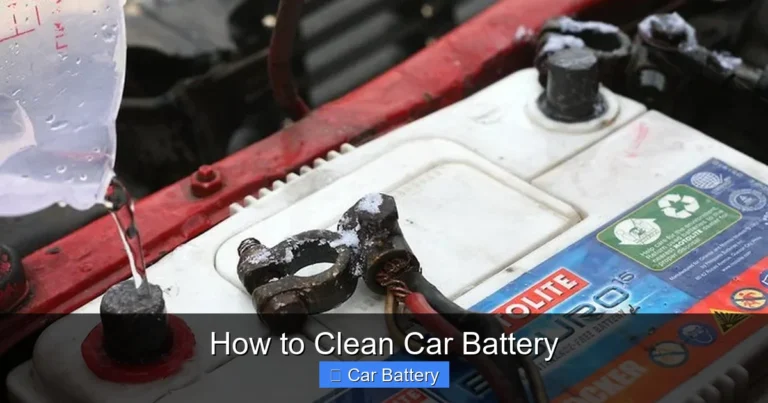
Look for signs of corrosion on the terminals—white or greenish powdery buildup. Clean it with a mixture of baking soda and water, then tighten the connections. Loose or corroded terminals can cause intermittent power loss.
Also, check the battery case for cracks, bulges, or leaks. These are signs of physical damage and mean the battery needs replacement.
Step 3: Monitor Electrical Load
Pay attention to when the stalling occurs. Does it happen when you use the AC, headlights, or defroster? High electrical demand can expose a weak battery. Try driving with minimal accessories to see if the stalling stops.
Step 4: Replace the Battery if Needed
If the battery is old, damaged, or fails the voltage test, replace it. Choose a battery with the correct size, type, and cold cranking amps (CCA) for your vehicle. A higher CCA rating is better for cold climates.
After replacement, drive the car for at least 20–30 minutes to allow the alternator to fully recharge the new battery.
Preventing Future Stalls: Battery Maintenance Tips
An ounce of prevention is worth a pound of cure—especially when it comes to your car’s battery. Regular maintenance can help you avoid stalling and extend the life of your battery.
Check the Battery Every 6 Months
Make it a habit to inspect your battery twice a year. Look for corrosion, check the voltage, and ensure the terminals are tight. If you live in a hot or cold climate, consider checking it more often.
Keep the Battery Clean
Dirt and grime can create a conductive path between terminals, causing the battery to discharge. Wipe the top of the battery with a damp cloth and apply a thin layer of petroleum jelly to the terminals to prevent corrosion.
Avoid Short Trips
Frequent short trips don’t give the alternator enough time to recharge the battery. If possible, take longer drives occasionally to keep the battery charged. Alternatively, use a battery maintainer if the car sits for long periods.
Watch for Warning Signs
Don’t ignore slow cranking, dim lights, or electrical glitches. These are early signs of battery trouble. Addressing them early can prevent stalling and more serious issues.
Replace the Battery Before It Fails
Don’t wait for a complete failure. Most batteries last 3–5 years. If yours is approaching that age, consider replacing it proactively—especially before winter or a long trip.
Conclusion: Don’t Overlook the Battery When Your Car Stalls
So, can a bad battery cause a car to stall? The answer is a resounding yes—especially in modern vehicles with complex electrical systems. While stalling is often blamed on fuel, ignition, or sensor problems, the battery is a critical component that deserves attention.
A weak or failing battery can’t deliver the stable voltage needed to power fuel injectors, ignition coils, and engine control units. This can lead to misfires, rough idling, and ultimately, engine shutdown—particularly at idle or low speeds. Recognizing the signs—such as stalling at stoplights, slow cranking, or flickering lights—can help you diagnose the issue early.
The good news is that battery-related stalling is usually easy and affordable to fix. A simple voltage test, terminal cleaning, or battery replacement can restore reliable performance. And with regular maintenance, you can prevent future problems and keep your car running smoothly.
Next time your car stalls, don’t jump to conclusions. Check the battery first. It might just be the simple solution you’ve been overlooking.
FAQs
Can a bad battery cause a car to stall while driving?
Yes, a bad battery can cause stalling, especially at idle or low speeds. While the alternator powers the car while driving, a weak battery may not support high electrical loads, leading to system failures.
How do I know if my battery is causing stalling?
Look for signs like stalling at stoplights, slow engine cranking, flickering dashboard lights, or electrical glitches. A voltage test can confirm if the battery is weak.
Will jump-starting fix a stalling problem caused by a bad battery?
Jump-starting may get the car running temporarily, but if the battery is bad, it will likely stall again. A proper battery test and replacement are usually needed.
Can a new battery stop my car from stalling?
If the stalling is due to a weak battery, replacing it should resolve the issue. However, if other components like the alternator or fuel system are faulty, further repairs may be needed.
How often should I replace my car battery?
Most car batteries last 3–5 years. Replace them proactively, especially if you notice performance issues or live in extreme temperatures.
Is it safe to drive with a weak battery?
Driving with a weak battery is risky. It can lead to stalling, leave you stranded, or damage the alternator. Get it tested and replaced if necessary.
This is a comprehensive guide about can a bad battery cause a car to stall.
Key Takeaways
- Understanding can a bad battery cause a car to stall: Provides essential knowledge
Frequently Asked Questions
What is can a bad battery cause a car to stall?
can a bad battery cause a car to stall is an important topic with many practical applications.