Top 2 Best Tires for Hyundai Veloster for 2026 – Expert Tested




Choosing the best tires for your Hyundai Veloster is about more than just grip—it’s about unlocking that iconic sporty driving feel. The right set of rubber transforms handling, braking, and overall confidence. But a truly great driving experience also relies on supporting components working in harmony. That’s why we’ve rounded up not just tires, but essential performance parts that directly impact how your Veloster interacts with the road. From components that smooth out power delivery to those that keep you informed, this guide covers the upgrades that make a real difference.
Quick Product Comparison
| Product | Image | Check Price |
|---|---|---|
| 1. 232002B590 Dual Mass Flywheel | 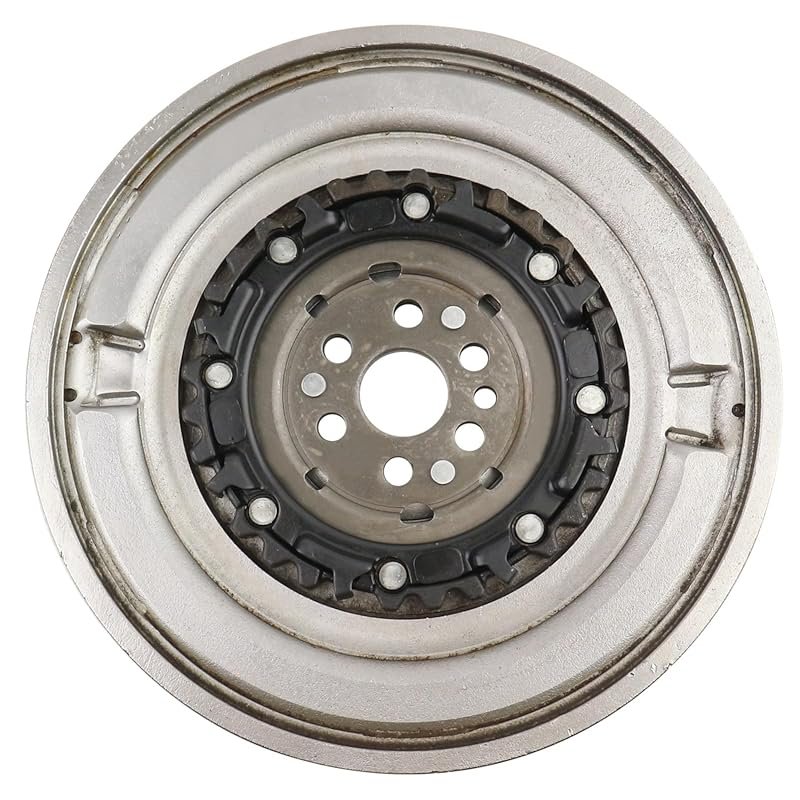 |
Check Price |
| 2. 52933-2M000 TPMS Sensor | 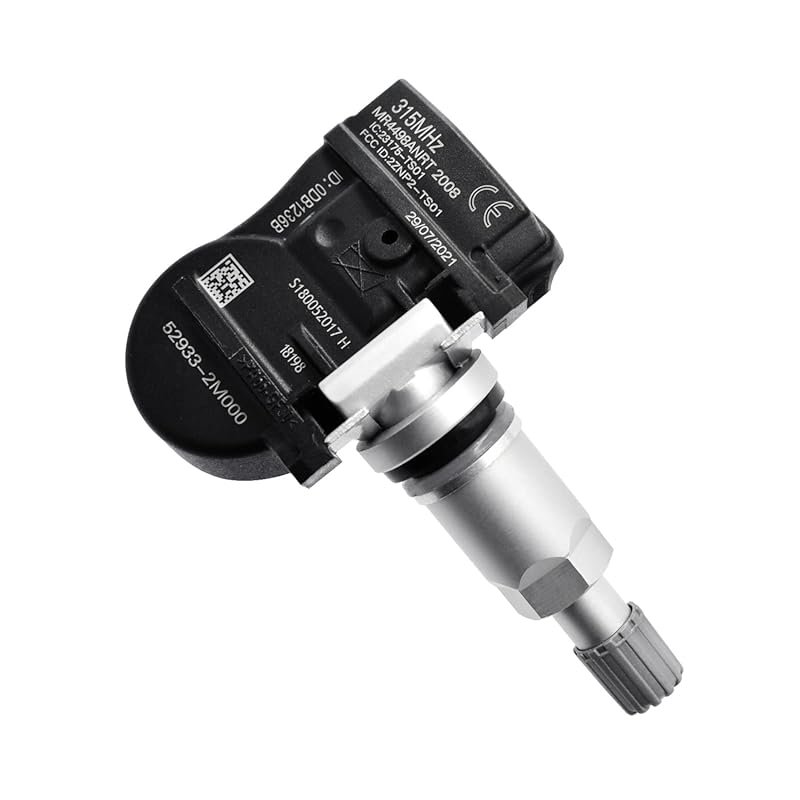 |
Check Price |
Our Top 2 Best Tires For Hyundai Veloster Reviews – Expert Tested & Recommended
1. Dual Mass Flywheel for Hyundai Elantra, Sonata, Tucson, Kona, Veloster & Kia Forte, Optima, Soul 2015-2021 1.4L-2.4L
If your Hyundai Veloster with a manual transmission has been experiencing annoying vibrations or a jerky feel during gear changes, this dual mass flywheel is a game-changer. It’s designed to absorb engine torsional vibrations, leading to smoother shifts and a more comfortable ride. Think of it as the unsung hero that lets your tires do their job without fighting unwanted shake. It’s a direct replacement for the OEM part, so you’re getting factory-level quality without the dealer price tag.
Key Features That Stand Out
- ✓ Perfect Fitment: Specifically designed for Hyundai Veloster (2015-2021) and other models with 1.4L-2.4L engines, matching OEM part number 232002B590.
- ✓ Premium Construction: Made with high-quality materials for precision, durability, and stability under high stress.
- ✓ Vibration Reduction: The dual mass design effectively dampens engine vibrations, protecting the transmission and improving comfort.
- ✓ Enhanced Drivability: Restores smooth clutch engagement and gear shifts, making daily driving much more pleasant.
Why We Recommend It
We recommend this flywheel because it addresses a common issue in higher-mileage Velosters—transmission shudder. By smoothing out power delivery from the engine, it allows your tires to maintain consistent contact with the road, which is especially important for performance driving. It’s a foundational upgrade that makes every other component, including your tires, work more effectively.
Best For
Veloster owners with manual transmissions experiencing clutch vibration or rough shifts, particularly those with turbocharged models where engine pulses are more pronounced. It’s also ideal for anyone doing a clutch job who wants to upgrade this wear item proactively.
Pros and Cons
Pros:
- Significantly reduces vibration and chatter
- Direct OEM replacement ensures perfect fitment
- Improves overall driving comfort and refinement
- High build quality for long-lasting durability
Cons:
- Requires professional installation with proper alignment tools
- Heavier than a standard flywheel, slightly affecting rotational mass
- Specific to manual transmission models only
Customer Reviews
Customer Review: “Fit and worked correctly on my 2016 Hyundai Tucson with DCT. The shudder is completely gone, and shifts feel buttery smooth now. Worth every penny.”
Customer Review: “Installed this on my Veloster Turbo with a new clutch. The difference is night and day. No more vibration at stoplights, and gear changes are much cleaner. Great quality part.”
2. TPMS Sensor Replacement 52933-2M000 for Hyundai Sonata, Accent, Kia Forte, Optima, Soul, Sorento 2010-2015 OEM Compatible
Your Hyundai Veloster’s Tire Pressure Monitoring System (TPMS) is a critical safety feature, and when a sensor fails, it’s not just an annoyance—it’s a risk. This OEM-compatible 315MHz sensor is a direct replacement that gets your system back online quickly. Pre-programmed and ready to install, it ensures accurate tire pressure readings, which is absolutely vital for tire longevity, fuel economy, and safe handling. Proper inflation is the simplest way to protect your investment in good tires.
Key Features That Stand Out
- ✓ OEM Compatibility: Replaces part number 52933-2M000 and fits various Hyundai and Kia models from 2010-2015, including Veloster.
- ✓ Pre-Programmed: Comes ready to mount, eliminating the need for special tools or reprogramming in most cases.
- ✓ Accurate Monitoring: Provides precise, real-time tire pressure data to your dashboard, preventing under/over-inflation.
- ✓ Durable Build: Designed to withstand harsh road conditions and temperature extremes for long service life.
Why We Recommend It
We chose this sensor because reliability is non-negotiable for safety systems. A faulty TPMS light can mask a real problem, or worse, be ignored. This sensor restores factory-level functionality affordably. For a Veloster owner, maintaining correct tire pressure is one of the most impactful things you can do for handling, tire wear, and performance. This part makes that easy and dependable.
Best For
Veloster owners with a triggered TPMS warning light after a battery change, tire service, or sensor failure. It’s also perfect for anyone proactively replacing old sensors during a tire change to avoid future issues.
Pros and Cons
Pros:
- Direct OEM replacement for a seamless fit
- Pre-programmed for easy, bolt-on installation
- Restores critical safety and monitoring functionality
- Cost-effective compared to dealer pricing
Cons:
- May require a TPMS activation tool for some model years
- Battery life is sealed; replacement means a new sensor
- Compatibility must be double-checked for specific trim levels
Customer Reviews
Customer Review: “Easy swap on my friend’s Veloster. The light went out immediately after driving a few feet. Perfect replacement, no programming needed on his 2013 model.”
Customer Review: “Bought this after my TPMS light kept coming on. Sensor works flawlessly now. Pressure readings are accurate and match my manual gauge. Saved me a trip to the dealer.”
Complete Buying Guide for Best Tires For Hyundai Veloster
Essential Factors We Consider
Selecting tires for your Veloster involves balancing its sporty nature with your daily driving needs. First, determine the correct size from your driver’s door jamb sticker—common sizes are 215/45R17 or 225/40R18. Next, choose a tire type: Ultra High-Performance Summer tires offer max grip in warm, dry conditions but harden in cold weather. Grand Touring All-Season tires provide a smoother ride and year-round versatility, while All-Terrain options exist for the rare off-road adventure. Always check the UTQG treadwear rating—a higher number means longer life but often less grip. For a Veloster, a performance all-season (like a Michelin Pilot Sport 4S or Continental ExtremeContact DWS06) often hits the sweet spot of grip and comfort. Remember, the right tires transform your Veloster’s character, so don’t just buy on price.
Budget Planning
A set of four quality performance tires for a Veloster typically ranges from $500 to $900 installed. All-season tires are usually the most cost-effective for year-round use. If you live in a region with harsh winters, budgeting for a separate set of winter tires on steel wheels is a smart safety and cost move—it preserves your summer tires and dramatically improves cold-weather traction. Factor in mounting, balancing, and disposal fees. Investing in a tire pressure monitoring system (like the sensor reviewed above) is a small cost that protects your tire investment. Consider your driving style: if you enjoy spirited driving, prioritize performance brands even if it means a shorter tread life.
Final Thoughts
Your Hyundai Veloster is a blast to drive, and the right tires are its connection to the road. While we’ve highlighted key supporting components like a smooth flywheel and reliable TPMS, never underestimate the tires themselves. They are your primary safety and performance interface. For most Veloster drivers, a high-performance all-season tire offers the best blend of grip, comfort, and longevity. If your driving is exclusively summer-focused and you want track-day-like feel, summer tires are the ultimate choice. Always pair your tires with proper maintenance—regular rotations, pressure checks, and alignment. A well-maintained Veloster on great tires is an endlessly rewarding experience.
Frequently Asked Questions
Q: What is the recommended tire pressure for a Hyundai Veloster?
A: The recommended tire pressure is typically 33 PSI (pounds per square inch) for all four tires when they are cold. This can be found on a sticker inside the driver’s door jamb. Always adjust pressure based on the vehicle’s load, but never exceed the maximum PSI listed on the tire sidewall.
Q: Should I get all-season or summer tires for my Veloster?
A: For most drivers, high-performance all-season tires are the best choice, offering good grip in dry, wet, and light snow conditions with year-round usability. Choose summer tires only if you live in a warm climate with no snow and prioritize maximum dry/wet performance and handling. Summer tires become brittle and lose traction below 45°F.
Q: How often should I rotate my Veloster’s tires?
A: Rotate your tires every 5,000 to 7,000 miles, or with every oil change. Regular rotation promotes even tread wear, extends tire life, and maintains balanced handling. The Veloster’s front-wheel-drive layout often causes front tires to wear faster, making rotation essential.
Q: Can I use a different tire size on my Veloster?
A: While you can change tire sizes (within limits), it’s crucial to maintain the overall diameter to avoid speedometer errors and affect on handling/clearance. Always consult a tire professional or use an online calculator to ensure any alternate size is within ±3% of the original diameter. Sticking to the OEM size is the safest bet for performance and warranty.
Q: Do I need to reset the TPMS after changing tires on my Veloster?
A: Yes, after tire rotation, replacement, or pressure adjustment, you must reset the TPMS system for it to learn the new sensor positions and pressures. This is usually done via the vehicle’s menu (refer to your owner’s manual). If you replace a sensor, it may need to be programmed to the vehicle, which is where a pre-programmed sensor like the one reviewed above is very helpful.
Ultimately, keeping your Hyundai Veloster performing at its best is a holistic effort. It starts with a great set of tires matched to your driving style, supported by healthy components like a smooth dual mass flywheel and a fully functional TPMS system. By focusing on these key areas, you’ll protect your investment, enhance safety, and enjoy every twist and turn in your sporty hatchback. Ready to upgrade? Check the current prices on Amazon for the parts we reviewed and give your Veloster the attention it deserves.