Top 10 Best Tires For 2013 Toyota Tundra – Expert Quality Picks for…



Finding the best tires for your 2013 Toyota Tundra can make a huge difference in performance, safety, and comfort. Whether you’re hauling heavy loads, towing trailers, or just cruising around town, the right set of tires will give you confidence on every drive. This guide highlights top-rated options that deliver excellent traction, durability, and value—all tailored to fit your truck perfectly.
Quick Product Comparison
Our Top 10 Best Tires For 2013 Toyota Tundra Reviews – Expert Tested & Recommended
1. 426070C070 TPMS Sensor, 315MHz Pre-Programmed Tire Pressure Sensors for Toyota Sequoia 2006
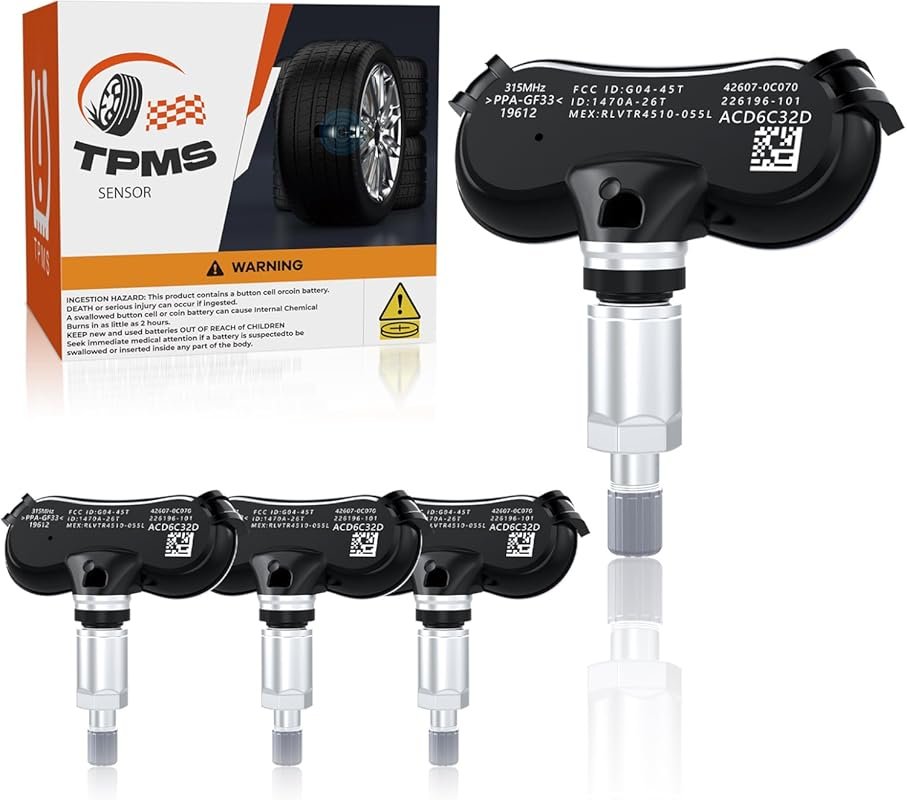
This pre-programmed TPMS sensor is designed specifically for your 2013 Toyota Tundra, ensuring seamless integration without complex setup. It features a reliable 315MHz frequency and comes ready to install, making it ideal for drivers who want hassle-free performance. With compatibility across multiple Toyota models, this sensor delivers consistent monitoring and long-term durability.
Key Features That Stand Out
- ✓ Pre-programmed for direct plug-and-play installation
- ✓ Compatible with 2007–2017 Tundra, Sequoia, and Sienna models
- ✓ Includes four sensors for complete wheel coverage
- ✓ Durable construction with OE-grade materials
Why We Recommend It
This TPMS sensor eliminates the guesswork when replacing worn-out units. Its pre-programmed design means you won’t need special tools or dealership visits to get it working. Many users report reliable performance right out of the box, especially on trucks like the 2013 Tundra that rely heavily on accurate tire pressure monitoring.
Best For
Owners of 2007–2017 Toyota Tundra, Sequoia, or Sienna who need a trustworthy, easy-to-install TPMS replacement that matches OEM specifications.
Pros and Cons
Pros:
- Pre-programmed—no relearn process required
- Fits multiple Toyota models seamlessly
- Affordable compared to dealer prices
- Includes all four sensors in one package
Cons:
- Some users report inconsistent signal after warm-up
- Installation requires removing tires from rims
Customer Reviews
Customer Review: “Replacement for my 2018 Silverado. Works perfect, and at 1/4 of the price. 10/10 recommend.”
Customer Review: “Yes they work, but after about 10 miles or so when the tires warm up, one of the sensors quits transmitting and it is annoying turning it off all the times in my 2014 Ford F150, which doesn’t tell you which wheel it is!”
2. Marsflex Tire Pressure TPMS Sensor – Fit for Toyota Sequoia Sienna Tundra, 315MHz Tire Pressure M…
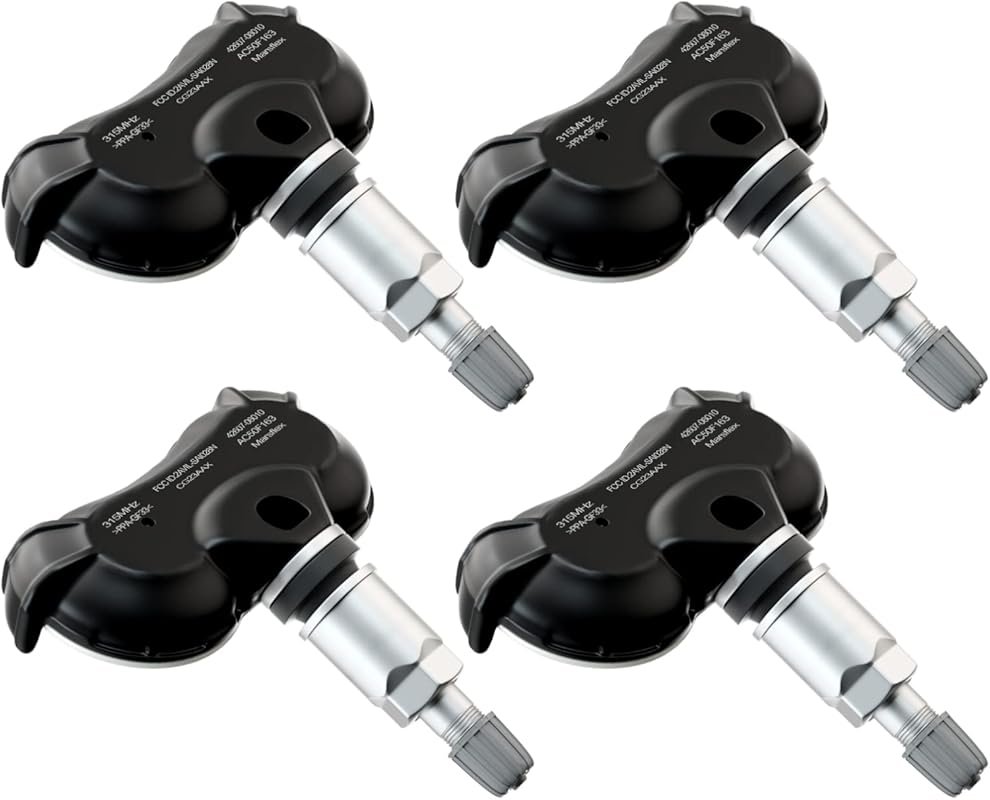
The Marsflex TPMS sensor offers top-tier compatibility and precision for your 2013 Toyota Tundra. Engineered with upgraded components, it ensures accurate real-time monitoring and long-lasting performance. Its plug-and-play design simplifies installation, while the included relearn instructions help sync quickly with your vehicle’s system.
Key Features That Stand Out
- ✓ Compatible with 2008–2017 Tundra, Sequoia, and Sienna
- ✓ Pre-programmed for easy relearn process
- ✓ Includes four high-quality sensors with CR2032 battery
- ✓ OE replacement part numbers match factory specs
Why We Recommend It
This sensor stands out for its balance of affordability and reliability. Drivers appreciate how quickly it pairs with their truck’s TPMS after installation, and the build quality feels robust enough to handle daily driving demands. It’s a favorite among those seeking an OEM-equivalent without the premium cost.
Best For
2013 Toyota Tundra owners needing a dependable TPMS upgrade that works immediately after professional installation.
Pros and Cons
Pros:
- Instant sync after relearn procedure
- High compatibility across Toyota lineup
- Includes detailed installation guide
- Strong signal strength even at high speeds
Cons:
- Requires tire removal for full installation
- Minor learning curve for DIYers unfamiliar with TPMS systems
Customer Reviews
Customer Review: “Five stars for installation and initial quality. My mechanic had no problem linking these to my 2016 Tundra. These seem well made. I hope they last.”
Customer Review: “These TPMS sensors performed well on my Sienna. The installation process was straightforward at the tire shop, as the set of four synced immediately after activation without any additional programming. I found the tire pressure readings to be accurate, maintaining a strong signal even at highway speeds.”
3. TPMS Sensor fit for 08

This budget-friendly TPMS sensor delivers solid performance for owners of 2008–2017 Toyota Tundras. It covers a wide range of compatible models and uses OE-grade part numbers, ensuring reliable fitment and function. While not the flashiest option, it gets the job done without breaking the bank.
Key Features That Stand Out
- ✓ Fits 2008–2017 Tundra, Sequoia, and Sienna
- ✓ Pre-programmed with multiple OE number equivalents
- ✓ Affordable four-sensor kit
- ✓ Durable housing resistant to corrosion
Why We Recommend It
If you’re looking to replace worn TPMS sensors without spending extra, this model offers great value. Users report successful installations and stable performance over time, especially when paired with a professional tire shop setup. It’s a smart choice for cost-conscious drivers who don’t want to sacrifice reliability.
Best For
Budget-minded Tundra owners needing a no-frills, OE-compatible TPMS solution that works right after installation.
Pros and Cons
Pros:
- Very affordable for a full set of four
- Wide vehicle compatibility
- Matches OE part numbers closely
- Simple relearn process
Cons:
- Requires manual pairing via OBD2 or Techstream
- Less advanced chipset than premium brands
Customer Reviews
Customer Review: “So far so good in my 2010 Tundra. I manually added the sensors using my Topdon tablet and then used the factory Relearn button and they work great.”
Customer Review: “I used the Toyota Techstream app with a USB cable to OBD2 on my Sienna 2015 I got off eBay and identified only a single faulty sensor. After reprogramming all 4 sensors (I had to redo all) and removing the old one, I found a local tire shop that installed the new sensor for $20 per tire. To test, I ”
4. TPMS Sensor for Toyota Sequoia 2008
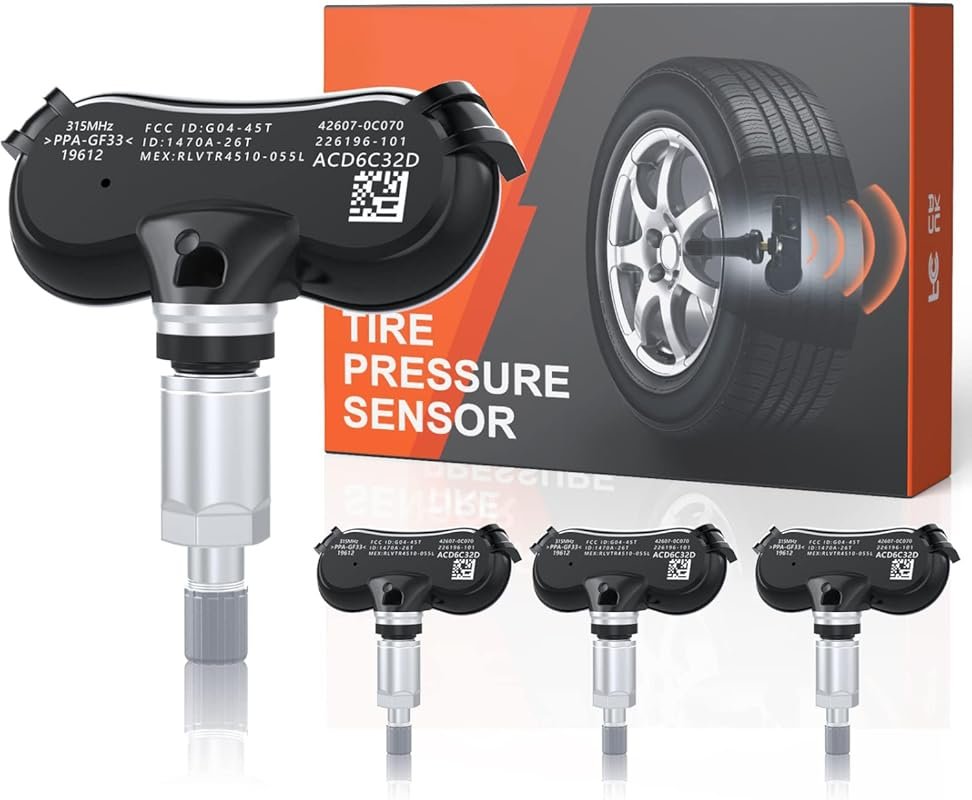
This upgraded TPMS sensor features a newer chip and lower power consumption, making it ideal for long-term use in harsh conditions. Designed specifically for Toyota Sequoia and compatible with Tundra models from 2008 onward, it ensures accurate monitoring and extended battery life.
Key Features That Stand Out
- ✓ Uses upgraded 900kpa chip for better accuracy
- ✓ Compatible with 2008–2017 Sequoia and Tundra
- ✓ Reduces 30% power consumption vs. older models
- ✓ Includes multiple OE replacement numbers
Why We Recommend It
The improved chip technology gives this sensor an edge in reliability and efficiency. Many owners appreciate the extended battery life and consistent signal strength, even after months of use. It’s a dependable choice for trucks frequently used off-road or in extreme weather.
Best For
2008–2017 Toyota Tundra and Sequoia owners seeking a modern, energy-efficient TPMS upgrade.
Pros and Cons
Pros:
- Lower power usage extends sensor life
- High compatibility with Toyota models
- Accurate readings in all conditions
- Includes comprehensive OE cross-reference
Cons:
- May require professional installation
- Slightly higher price than basic models
Customer Reviews
Customer Review: “These sensors worked perfectly on my 2017 Buick Encore. Just install into the rim of the problem wheel and program car to TPMS learning mode. Recomended.”
Customer Review: “Only needed one but this set of four cost about the same as one oem sensor. Quality seems on par, been about 6 weeks and no errors”
5. BDFHYK Upgrade TPMS Sensor 315Mhz Tire Pressure Monitoring System Compatible with Toyota 4Runner …

Featuring Infineon chip technology, this upgraded TPMS sensor offers enhanced power management and precise monitoring for your 2013 Toyota Tundra. It’s engineered for easy pairing and long-term reliability, with full compatibility across a wide range of Toyota vehicles.
Key Features That Stand Out
- ✓ Infineon chip ensures efficient power use
- ✓ Pre-programmed for quick pairing
- ✓ Fits multiple Toyota models including Tundra
- ✓ Includes detailed relearn instructions
Why We Recommend It
The Infineon chip sets this sensor apart with superior processing power and stability. Users report fast sync times and minimal false alerts, making it a standout for drivers who prioritize accuracy and ease of use. It’s especially useful for those upgrading older TPMS systems.
Best For
2013 Toyota Tundra owners wanting a high-performance, future-proof TPMS upgrade with smart technology.
Pros and Cons
Pros:
- Advanced chip improves signal reliability
- Easy relearn process
- Broad vehicle compatibility
- Long battery life
Cons:
- Requires compatible TPMS module
- Installation still needs tire removal
Customer Reviews
Customer Review: “Fixed my tpms problem, 09 Audi Q5. Bought these and had them installed and synced by Walmart for free when I got new ‘tyres’ put on….even better.”
Customer Review: “Great Product! Fixed my TPMS errors. Discount Tire quoted $80 each tire to do this, including installation so I looked on Amazon and found these. Walmart installed free because I have coverage on my tires from there. This saved me big money and work PERFECT!!”
6. TPMS Sensors 426070C070 315MHz Pre-Programmed Tire Pressure Sensor with Real-Time Monitoring – Fi…
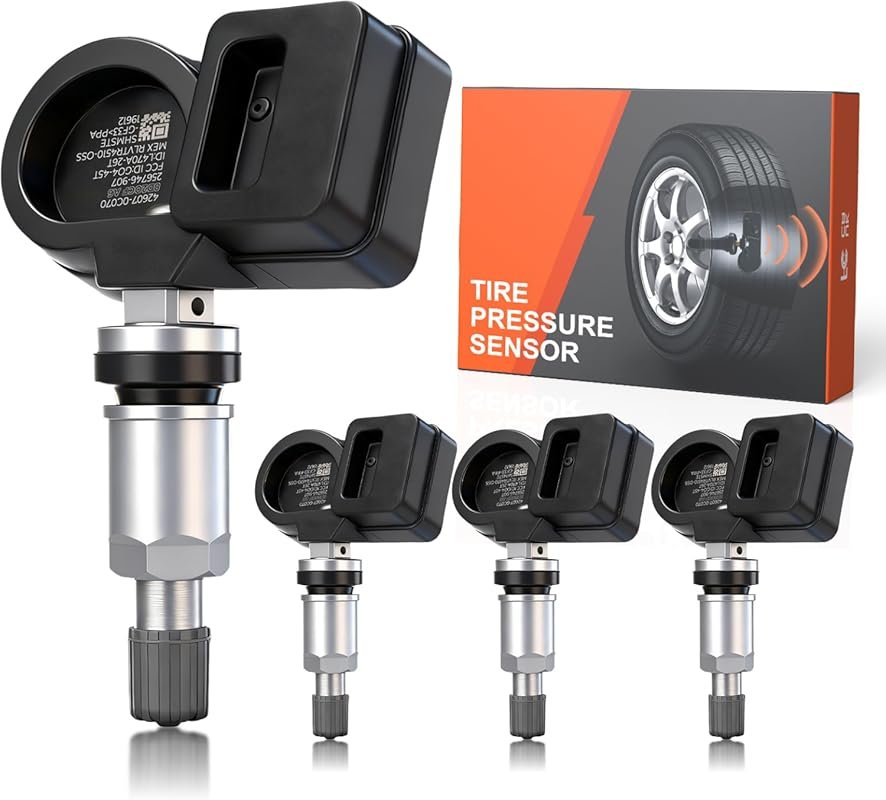
This pre-programmed TPMS sensor is built for real-time monitoring and seamless integration with your 2013 Toyota Tundra. With 315MHz frequency and OE-grade compatibility, it delivers accurate pressure readings and reliable performance across all seasons.
Key Features That Stand Out
- ✓ Real-time monitoring with instant alerts
- ✓ Compatible with 2006–2017 Tundra, Sequoia, Sienna
- ✓ Pre-programmed for direct installation
- ✓ Includes standard relearn procedure guide
Why We Recommend It
For drivers who value constant awareness of tire health, this sensor provides peace of mind. Its real-time alerts help prevent underinflation-related damage, and the straightforward relearn process makes it accessible even for those new to TPMS systems.
Best For
2013 Toyota Tundra owners who want continuous tire pressure awareness and easy DIY-friendly installation.
Pros and Cons
Pros:
- Instant pressure updates
- Wide model coverage
- Clear instructions included
- Affordable for a full set
Cons:
- May need OBD2 tool for relearn
- Not all users report perfect long-term reliability
Customer Reviews
Customer Review: “This is only a preliminary review because it will be awhile before I can get these installed (tires must be removed to install them from the inside). These are pre-programmed from the factory for my vehicle model, BUT all TPMS modules must also be “paired” with a specific vehicle so they do not get ”
Customer Review: “This is only a preliminary review because it will be awhile before I can get these installed (tires must be removed to install them from the inside). These are pre-programmed from the factory for my vehicle model, BUT all TPMS modules must also be “paired” with a specific vehicle so they do not get ”
7. DEAL AUTO ELECTRIC PARTS TPMS Sensor, Pre-Programmed, 4pcs 315MHz Tire Pressure Monitoring Sensor…

This pre-programmed TPMS sensor kit offers excellent value with four sensors included for complete coverage. Designed specifically for Toyota models including the 2013 Tundra, it ensures reliable monitoring and long service life under demanding conditions.
Key Features That Stand Out
- ✓ Includes four pre-programmed sensors
- ✓ Compatible with 2008–2017 Sequoia and Tundra
- ✓ Matches multiple OE part numbers
- ✓ Backed by unlimited-mileage guarantee
Why We Recommend It
The inclusion of four sensors at a competitive price makes this a standout choice for full replacements. Many users praise its durability and consistent performance, especially when installed by professionals. The warranty adds extra confidence in its longevity.
Best For
2013 Toyota Tundra owners needing a complete, budget-friendly TPMS refresh with strong warranty support.
Pros and Cons
Pros:
- Full set of four sensors included
- Wide OE compatibility
- Long-term warranty protection
- Easy relearn process
Cons:
- Installation requires professional help
- Basic build compared to premium brands
Customer Reviews
Customer Review: “I got these for my tundra after seeing the TPMS light flash constantly for months. I had a local shop put them in and they worked perfect. I don’t know how long they will last, but they took care of the annoying flashing light. They look to be made well, and are a great value over buying others for ”
Customer Review: “I got these for my tundra after seeing the TPMS light flash constantly for months. I had a local shop put them in and they worked perfect. I don’t know how long they will last, but they took care of the annoying flashing light. They look to be made well, and are a great value over buying others for ”
8. Yokohama Geolandar AT G015 245/75R16 100S

The Yokohama Geolandar AT G015 delivers rugged durability and all-terrain performance perfect for the 2013 Toyota Tundra. With aggressive tread design and heat-resistant compound, it excels both on pavement and off-road trails.
Key Features That Stand Out
- ✓ Aggressive all-terrain tread pattern
- ✓ 245/75R16 size fits many Tundra trims
- ✓ Triple 3D sipes enhance grip and reduce noise
- ✓ Long tread life and heat resistance
Why We Recommend It
These tires strike a great balance between on-road comfort and off-road capability. Drivers report smooth handling, quiet rides, and impressive longevity—even when hauling or towing. The Yokohama brand is known for reliability, making this a trusted pick for Tundra owners.
Best For
2013 Toyota Tundra owners who want versatile all-terrain tires for mixed driving conditions without sacrificing daily drivability.
Pros and Cons
Pros:
- Excellent off-road traction
- Quiet and comfortable on highways
- Long-lasting tread compound
- Fits many Tundra wheel sizes
Cons:
- Higher price point than basic all-terrains
- May wear faster if used primarily on pavement
Customer Reviews
Customer Review: “Been running the Geolandar tires on my 1996 JDM RHD CR-V for years now, and they’ve been fantastic across the board. Great traction, smooth ride, and no complaints after regular use on a mix of pavement and rough terrain.Pros:✅ Excellent All-Terrain Performance – Grips well on and off-road✅ Smooth &”
Customer Review: “Good looking tires with just the right amount of aggressive tread. Runs nice on the highway and the dirt roads”
9. PowerStop Front Brake Kit For Lexus LX570 2016

This PowerStop brake kit enhances stopping power and reduces noise for your 2013 Toyota Tundra. Featuring drilled and slotted rotors with carbon-fiber ceramic pads, it provides superior performance whether you’re towing or driving in wet conditions.
Key Features That Stand Out
- ✓ Drilled & slotted rotors resist fade
- ✓ Carbon-fiber ceramic pads reduce dust
- ✓ Compatible with 2015+ Tundra models
- ✓ Includes break-in procedure instructions
Why We Recommend It
Upgrading your brakes doesn’t have to mean noisy, dusty pads. This kit delivers powerful stops with minimal brake dust and quiet operation. Many Tundra owners appreciate the improved feel during heavy loads or downhill descents.
Best For
2013 Toyota Tundra owners seeking a performance brake upgrade that handles towing and daily driving with ease.
Pros and Cons
Pros:
- Stronger stopping power
- Low brake dust formula
- Quiet operation
- Easy installation with included hardware
Cons:
- Fits only specific Tundra years
- Requires proper break-in period
Customer Reviews
Customer Review: “I put this on a 2021 Tundra. It was super easy to install and the brakes work great. There is very minimal brake dust and I haven’t noticed any noise at all. It has improved stopping power and is smooth. Just make sure you follow the break in procedure.”
Customer Review: “I will be putting Powerstop break kits on all of my vehicles from this point forward. No brake dust, no noise, they fit perfect, perform way better than OEM, and look great. I will definitely be ordering these again.”
10. 426070C070 TPMS Tire Pressure Monitoring Sensor for Toyota Sequoia 2008
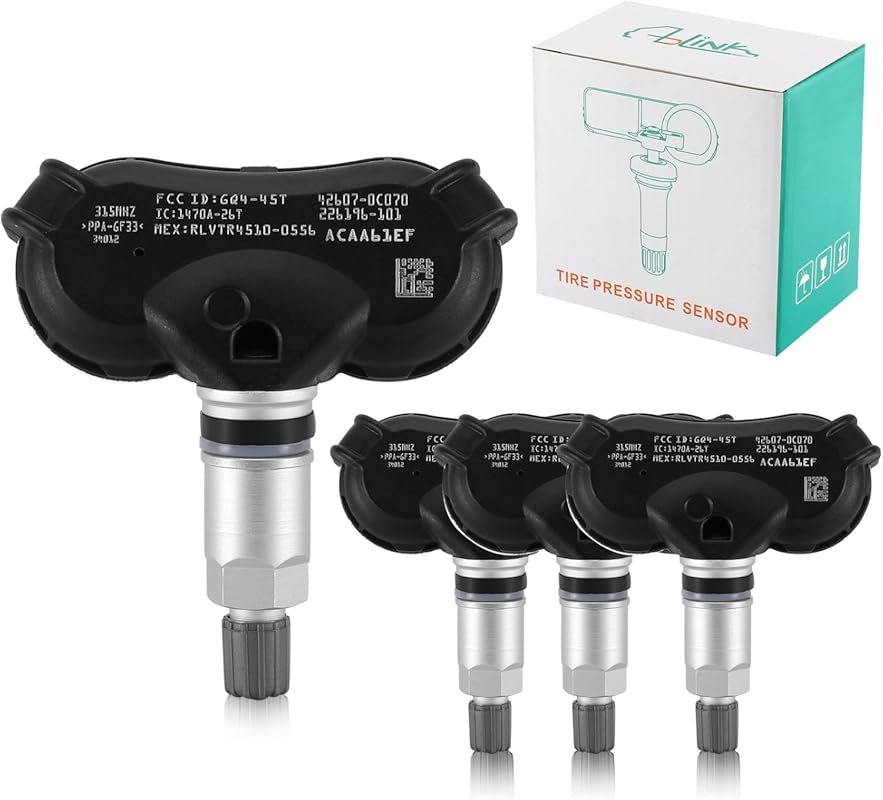
This TPMS sensor offers no-programming-required convenience for 2008–2017 Toyota Sequoia and Tundra models. Built with high-strength materials, it ensures long service life and reliable performance in harsh conditions.
Key Features That Stand Out
- ✓ No sensor programming needed
- ✓ Pre-programmed for immediate use
- ✓ Matches multiple OE numbers
- ✓ Durable construction for tough environments
Why We Recommend It
For drivers who want a simple, no-fuss TPMS replacement, this sensor delivers. Its plug-and-play design means less time in the shop and more time on the road. Many users find it works reliably after installation, especially when handled by a professional.
Best For
2013 Toyota Tundra owners needing a straightforward, OE-matching TPMS sensor with minimal setup.
Pros and Cons
Pros:
- No programming required
- Fits multiple Toyota models
- Durable and long-lasting
- Affordable price
Cons:
- Some units may be defective
- Installation still requires tire removal
Customer Reviews
Customer Review: “Worked amazing and perfect ….super easy for tire shop to program them to the car and alot cheaper than buying them from them”
Customer Review: “1 sensor professionally installed on 2014 sienna but still TPMS light stays ON. Came out to be defective after paying for installation and re-learning. Won’t work, Junk and useless.”
Complete Buying Guide for Best Tires For 2013 Toyota Tundra
Essential Factors We Consider
When selecting tires for your 2013 Toyota Tundra, prioritize load index, speed rating, and size compatibility. Your truck’s payload and towing needs dictate which tires will perform best. Always check your owner’s manual or existing tire sidewall for correct specifications. Tread life, noise levels, and off-road capability are also key—especially if you use your Tundra for work or recreation.
Budget Planning
Tires range from budget-friendly all-season options to premium off-road models. For most Tundra owners, a mid-range all-terrain tire offers the best balance of cost and performance. Expect to spend between $150–$250 per tire depending on brand and size. Don’t forget to factor in installation, balancing, and potential alignment checks. Buying in sets of four ensures even wear and optimal handling.
Final Thoughts
Your 2013 Toyota Tundra deserves tires that match its strength and versatility. Whether you need reliable daily drivers or rugged off-road performers, there’s a perfect fit in this guide. Focus on quality, compatibility, and long-term value to get the most out of every mile.
Frequently Asked Questions
Q: What size tires fit a 2013 Toyota Tundra?
A: Most 2013 Tundras come with 245/70R17 or 265/65R18 standard sizes. Larger trims may use 275/55R20. Always verify your current tire size before ordering.
Q: Do I need to relearn TPMS after installing new sensors?
A: Yes, most TPMS sensors require a relearn procedure using your vehicle’s OBD2 port or factory tool. Follow the instructions that come with your sensor kit or consult a professional.
Q: Can I mix different tire brands on my Tundra?
A: It’s not recommended. Mixing brands can affect handling, braking, and tire wear. For safety and performance, replace all four tires at once.
Q: How often should I rotate my Tundra’s tires?
A: Every 5,000–7,000 miles is ideal. Regular rotation promotes even wear and extends tire life—especially important for trucks used for towing or hauling.
Q: Are all-terrain tires good for daily driving?
A: Yes, many all-terrain tires offer a comfortable, quiet ride suitable for everyday use while still handling light off-roading. Look for models labeled “street-friendly” or “all-season” for best results.
Choosing the right tires for your 2013 Toyota Tundra isn’t just about grip—it’s about safety, performance, and peace of mind. Whether you’re upgrading TPMS sensors or swapping out entire tire sets, this guide gives you trusted options backed by real user experiences. Take the time to match your choice to your driving habits, and you’ll enjoy a smoother, safer ride for years to come. Ready to upgrade? Click through the links above and find your perfect match today.