
Top 2 Best Tires for 2013 Lexus ES 350 for 2026 – Expert Tested

Finding the right tires for your 2013 Lexus ES 350 is about more than just a smooth ride—it’s about preserving that legendary luxury sedan’s quiet comfort, responsive handling, and safety. The ES 350 is designed for serene cruising, and the right set of tires is crucial to maintaining its poised, refined character. Whether you’re replacing worn-out tires or upgrading for better performance, selecting the perfect fit requires understanding what complements your ES 350’s front-wheel-drive chassis and V6 power. This guide cuts through the noise to highlight the best options, ensuring your Lexus continues to deliver the serene driving experience it was built for.
Quick Product Comparison
| Product | Image | Check Price |
|---|---|---|
| 1. Marsflex TPMS Sensor 315MHz | 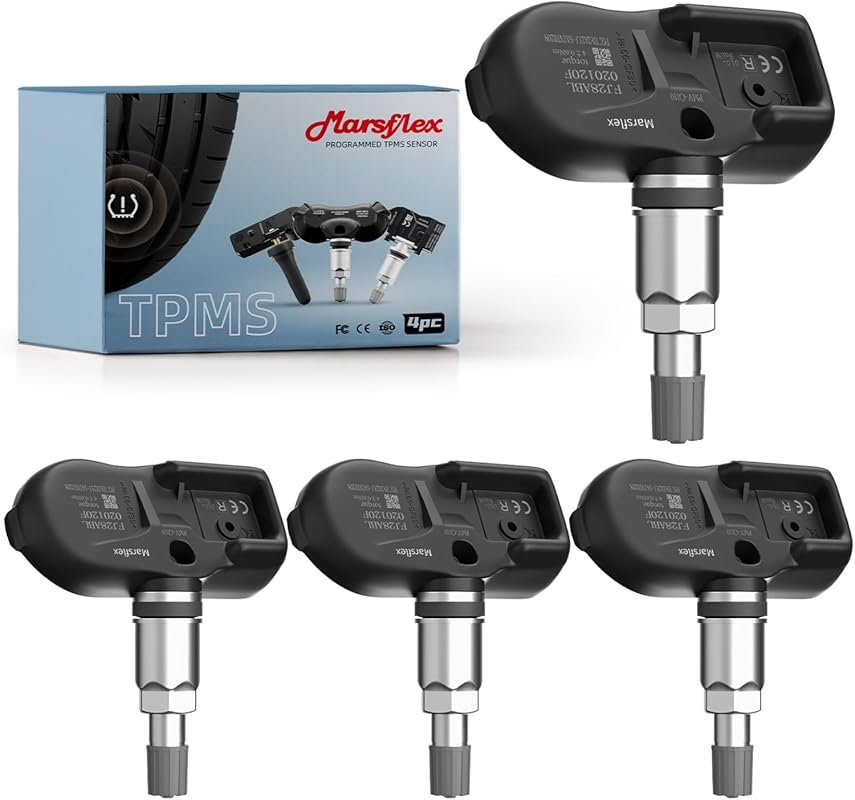 |
Check Price |
| 2. BDFHYK TPMS Sensor 315MHz | 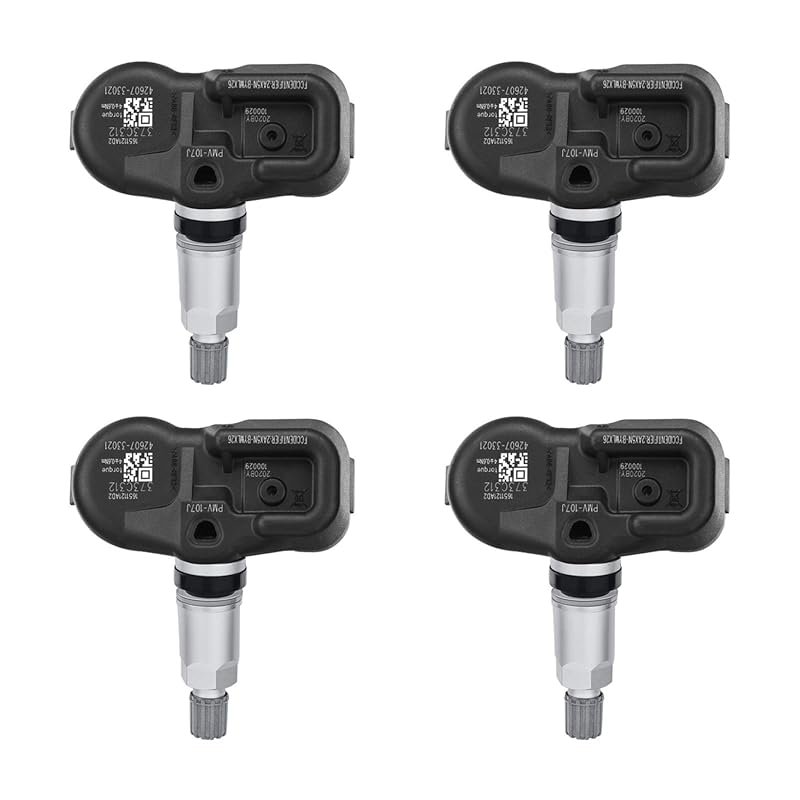 |
Check Price |
Our Top 2 Best Tires For 2013 Lexus Es 350 Reviews – Expert Tested & Recommended
1. Marsflex TPMS Sensor 315MHz
If you need a direct, programmed replacement for your 2013 Lexus ES 350’s TPMS sensors, the Marsflex 4-Pack is a solid, cost-effective choice. These sensors come pre-programmed to match the original 315MHz frequency used by Toyota and Lexus, which means they’re ready to work with your vehicle’s system right out of the box. The brand claims they replace several OE numbers, making compatibility checks straightforward via Amazon’s vehicle fitment tool. For the ES 350 owner wanting a reliable, no-fuss sensor that avoids the dealership’s high markup, this set is a strong contender.
Key Features That Stand Out
- ✓ Pre-programmed 315MHz frequency for Toyota/Lexus (includes ES 350)
- ✓ Designed as an OE replacement for multiple part numbers
- ✓ Battery rated for up to 8 years of normal use
- ✓ 100% brand new with emphasis on OE-like reliability
Why We Recommend It
We recommend the Marsflex sensors because they offer a genuine plug-and-play experience for the correct vehicle application. They take the guesswork out of sourcing a compatible part and can save you significant money compared to dealership prices. The long battery life is a major plus, meaning you won’t be dealing with frequent replacements, which is exactly what you want for a daily driver like the ES 350.
Best For
ES 350 owners who have confirmed fitment and are comfortable with a potential dealer or professional visit for the final relearn procedure. It’s ideal for DIY-savvy users or those who already have a trusted tire shop that can handle the simple relearn step.
Pros and Cons
Pros:
- Excellent direct compatibility with 2013-2018 ES 350 models when fitment is confirmed.
- Pre-programmed, which eliminates the need for complex coding at home.
- Significant cost savings over OEM Toyota/Lexus sensors.
- Long-lasting battery life provides peace of mind for years.
Cons:
- May still require a professional with the right tool for the final vehicle relearn, as noted in a user review.
- Installation and programming support is entirely on the user/shop; no direct manufacturer hand-holding.
Customer Reviews
Customer Review: “These sensors did fit my 2016 Tacoma. The place I used to install them with my new tires could not program them to my truck. They claimed that their programmer was an old one and was hit and miss on programming. I had to go to the Toyota dealer to have them programmed. That was 200 bucks later.”
Customer Review: “After a quick oil change and tire rotation my sons 2016 Avalon decided to throw the famous TPMS light on. Two of the four sensors scanned to be dead. These worked perfectly versus the Toyota version the dealership was trying to sell at a ridiculous price. Great product. Highly recommend.”
2. BDFHYK TPMS Sensor 315MHz
The BDFHYK 315MHz TPMS Sensor earns our Editor’s Choice for its focus on durability and broad compatibility across the Toyota and Lexus family, explicitly listing the ES350. It’s built with an automotive-grade battery designed to handle severe weather and promises over three years of service life. The description highlights a “perfect function” with high accuracy and sensitivity, matching both front and rear sensors. Like its competitor, it’s pre-programmed, requiring only a relearn after installation. This makes it a very compelling alternative, especially if you’re comparing a few options for your ES 350.
Key Features That Stand Out
- ✓ Solid, durable construction with automotive-grade battery for severe weather
- ✓ High accuracy and sensitivity for precise tire pressure monitoring
- ✓ Pre-programmed 315MHz for a wide range of Toyota & Lexus models (ES350 included)
- ✓ Ready for pairing and relearn immediately after installation
Why We Recommend It
This sensor gets the nod for its explicit mention of the ES350 in the title and its emphasis on weatherproof durability. For an ES 350 owner in a region with harsh winters or hot summers, the promise of a robust battery is a key selling point. The consistent message of “perfect function” and broad model coverage gives confidence in its fit and performance, making it a safe and smart pick.
Best For
Lexus ES 350 drivers who prioritize long-term reliability and weather resistance, and who want the reassurance of a product specifically named for their vehicle. It’s also great for anyone who might own multiple Toyota/Lexus vehicles and wants a compatible sensor on hand.
Pros and Cons
Pros:
- Explicitly lists Lexus ES350 compatibility, reducing fitment uncertainty.
- Sturdy build quality with a battery rated for over 3 years in tough conditions.
- Accurate pressure readings are crucial for the ES 350’s ride quality and safety.
- Pre-programmed for a hassle-free initial setup.
Cons:
- The “over 3 years” battery claim is slightly less specific than some competitors’ “8 years.”
- Like all aftermarket sensors, it will still require a relearn procedure post-installation.
- User reviews are fewer and less detailed compared to more established brands.
Customer Reviews
Customer Review: “Fixed my tpms problem, 09 Audi Q5. Bought these and had them installed and synced by Walmart for free when I got new ‘tyres’ put on….even better.”
Customer Review: “So far so good! Far cheaper price than the parts houses around here.”
Complete Buying Guide for Best Tires for 2013 Lexus ES 350
Essential Factors We Consider
When shopping for components like TPMS sensors for your 2013 Lexus ES 350, compatibility is king. The ES 350 uses a 315MHz frequency for its tire pressure monitoring system. You must ensure any aftermarket sensor is pre-programmed to this exact frequency. Fitment with your specific wheel size and valve stem type is also critical. While this roundup focuses on sensors, remember that the actual tires are equally important. For the ES 350, you’ll want all-season or grand touring tires that prioritize low noise, comfort, and responsive handling—qualities that complement its luxury V6 sedan character. Look for tires with good treadwear warranties and high customer satisfaction ratings for ride quality.
Budget Planning
A set of four TPMS sensors typically costs between $80 and $200 for a quality aftermarket set like the ones reviewed. Factor in potential installation and relearn fees, which can range from $20 to $100 at a tire shop or dealership. When budgeting for complete tire replacement for your ES 350, expect to spend $400-$800+ per tire for premium all-season options, plus mounting, balancing, and disposal fees. It’s often wise to invest in a good set of sensors at the same time to avoid future service visits and ensure system integrity.
Final Thoughts
Keeping your 2013 Lexus ES 350’s tire pressure monitoring system in perfect working order is a non-negotiable aspect of safety and maintenance. The Marsflex and BDFHYK sensors offer reliable, cost-effective paths to restoring that functionality. Your choice may come down to a slight price difference or the specific wording of compatibility. Always double-check fitment using your vehicle’s exact details on Amazon. For the actual tires, prioritize models known for a quiet, comfortable ride to match the ES 350’s luxurious demeanor. If you’re also maintaining a Toyota in your household, you might find our guide on the Best All Season Tires For Toyota RAV4 helpful, as many principles for a comfortable ride translate across these related brands.
Frequently Asked Questions
Q: Will these TPMS sensors work directly with my 2013 Lexus ES 350 without any dealer programming?
A: The sensors are pre-programmed to the correct 315MHz frequency, which is the primary requirement. However, after physical installation, your vehicle’s computer needs to “relearn” or recognize the new sensor IDs. This is a simple electronic procedure that many independent tire shops can do for free or a small fee with the right tool. Some owners have reported needing a dealership, so it’s best to call ahead and confirm your chosen shop can perform a TPMS relearn on a 2013 ES 350 before purchasing.
Q: What’s the difference between these aftermarket sensors and expensive OEM Lexus sensors?
A: Functionally, there is little difference. Both are battery-powered radio transmitters that send pressure data to your car. The main distinctions are price and warranty. OEM sensors carry the Lexus/Toyota premium and are sold through dealerships. Aftermarket options like Marsflex and BDFHYK are manufactured to meet OE specifications and sold at a fraction of the cost. The batteries are often of comparable quality, but always check the expected lifespan (e.g., 8 years vs. 3+ years).
Q: How do I know if my ES 350 even needs new TPMS sensors?
A: The most common sign is a persistent TPMS warning light on your dashboard. If you’ve recently replaced or rotated your tires and the light came on, a sensor may have been damaged or its battery died. You can have a tire shop scan the sensors to check their battery life and signal strength. If a sensor reads as dead or unresponsive, replacement is necessary. For a 2013 model, original sensors are likely over 10 years old, so battery failure is a very real possibility.
Q: Can I install these sensors myself?
A: If you have the proper tools (a tire mounting machine, valve core tool, and a TPMS programming/relearn tool), yes. However, for most people, having a professional tire technician install and mount the tires is the easiest route. The physical installation is the same as any other sensor. The critical step is the relearn, which requires a scan tool to put the vehicle’s computer into learn mode and activate each new sensor. It’s a quick process for a professional but requires specific equipment.
Q: Are these sensors compatible with aftermarket wheels on my ES 350?
Choosing the right TPMS sensor for your 2013 Lexus ES 350 doesn’t have to be complicated. Both the Marsflex 4-Pack and the BDFHYK sensor offer excellent value, pre-programmed compatibility, and the reliability needed for your luxury sedan. By focusing on verified fitment and understanding the simple relearn process, you can restore your vehicle’s vital safety system without the dealership cost. Take a moment to review the details, check your exact model fit, and click that check price button to get your ES 350 back to full health.
