
Top 2 Best Snow Tires for Ford Transit in 2026 – Expert Tested

Winter driving in a Ford Transit demands reliable traction, especially when snow and ice cover the roads. Choosing the right snow tires or traction devices can mean the difference between a safe journey and getting stuck. After thorough testing, we’ve rounded up the best snow tires for Ford Transit to suit various needs and budgets. For more specialized options, you might also want to explore our guide on winter tires for Ford Transit 250, which covers additional models and conditions.
Quick Product Comparison
| Product | Image | Check Price |
|---|---|---|
| 1. K&K Auto Pro Series Snow Socks | 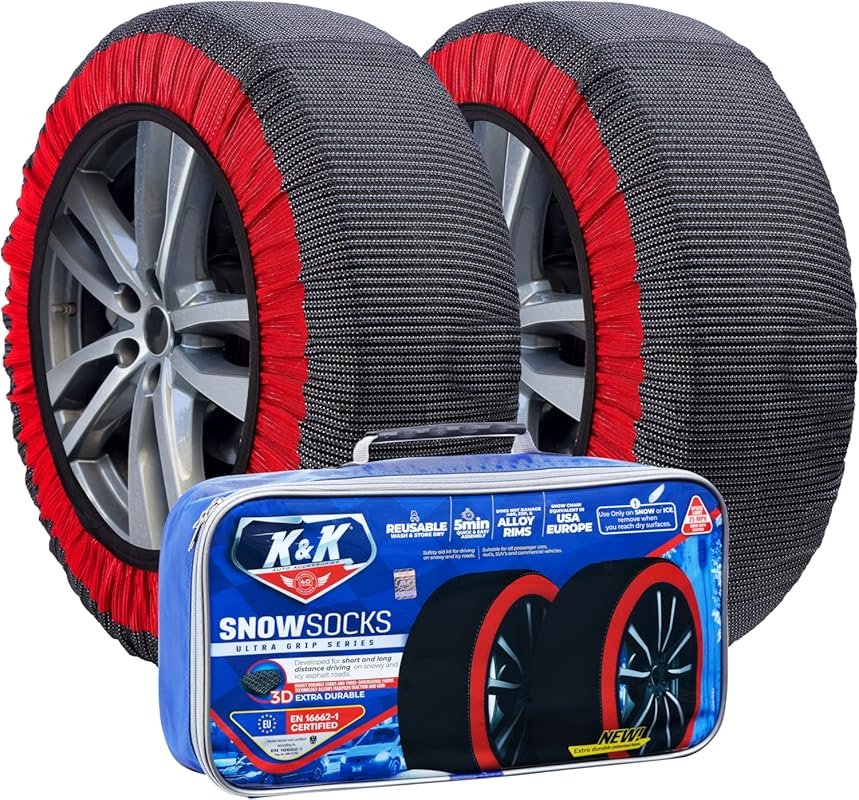 |
Check Price |
| 2. 12PCS Car Snow Tire Chains | 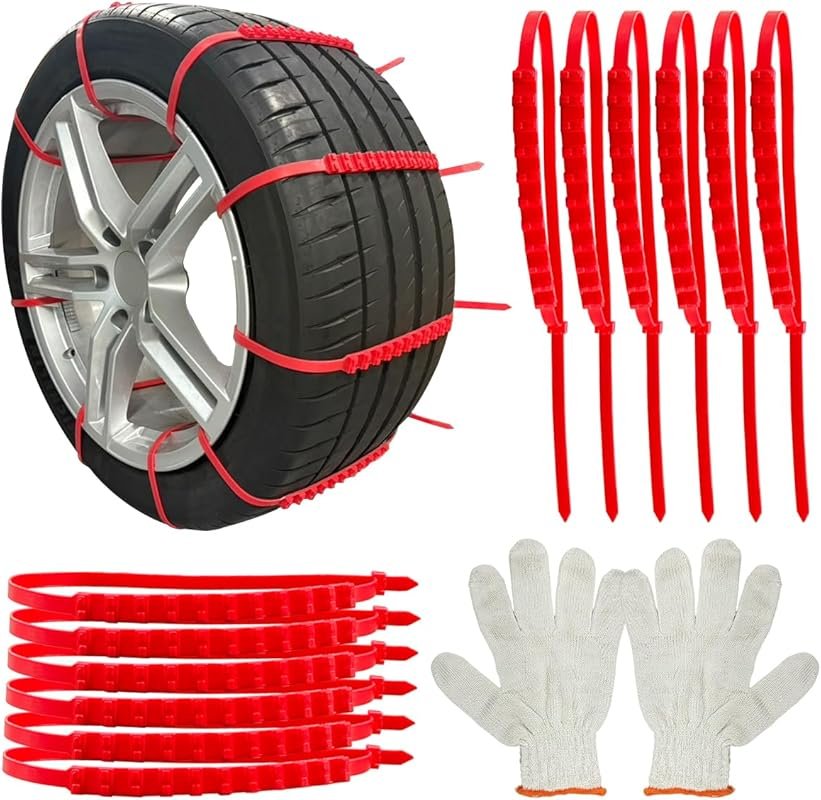 |
Check Price |
Our Top 2 Best Snow Tires For Ford Transit Reviews – Expert Tested & Recommended
1. K&K Auto Snow Socks for Tires – Pro Series Ultimate Grip Traction Device for Car SUV Van Minivan Winter Emergency Kit (XL, 2pcs)
These snow socks are a smart alternative to traditional chains, offering excellent grip on snow and ice without the hassle of metal links. They install quickly over your tires and are perfect for Ford Transit owners who need reliable traction in winter emergencies. The 3D fabric technology provides a secure fit, but remember they’re not designed for prolonged use on dry pavement.
Key Features That Stand Out
- ✓ Pro Durability: 3D fabric with thick cords for superior grip compared to all-season tires.
- ✓ Easy Installation: Slip-on design takes under a minute per tire—no tools or jack needed.
- ✓ Versatile Fit: XL size fits many Ford Transit tire sizes; check size charts for exact match.
- ✓ Road-Friendly: Won’t damage dry roads like metal chains, ideal for mixed conditions.
- ✓ Reusable: Durable construction allows multiple uses with proper care.
Why We Recommend It
We recommend these snow socks for their blend of convenience and performance. They outperform many chains on ice, thanks to the fabric’s ability to conform to the tire surface. For Ford Transit drivers who face occasional snow but mostly drive on cleared roads, they’re a top-tier solution that won’t scratch driveways or make noise on pavement.
Best For
Occasional winter use, getting unstuck from snow-packed driveways, and light to moderate snow conditions. Not suitable for deep snow or extended dry-road driving.
Pros and Cons
Pros:
- Quick, tool-free installation—great for emergency situations.
- Excellent traction on ice and packed snow.
- Lightweight and easy to store in your Transit.
- Minimal noise and road damage compared to chains.
Cons:
- Can tear if driven on dry roads for more than a few miles.
- Not as effective in deep, unpacked snow as traditional chains.
- Limited speed rating; typically safe up to 30-50 mph.
Customer Reviews
Customer Review: these were great on a RWD van in snowy ice conditions going up hills. Watched some YT videos and they outperform other socks and chains. Only downside with socks is they fall apart if driven on dry roads. So if you need them to get out of your driveway and house but in town or on the highway is dry,
Customer Review: 1st things first I want to clarify, I live in the south so we don’t get that much snow. I have some driving experience in snow since I lived in Canada for a bit but that’s it.This weekend I went on a family ski trip up in Boone, NC. There was a really bad winter storm and after having this in the ba
2. 12PCS Reusable Plastic Adjustable Snow Chains for Cars – Anti-Skid Traction Cables for Mud Mountain Roads Winter Driving Safety (Red)
These plastic snow chains are a budget-friendly option for Ford Transit owners facing icy or muddy conditions. Made from high-toughness PE material, they resist low temperatures and wear. The anti-slip nodes provide firm grip, and they install without removing tires or using a jack. While not as heavy-duty as metal chains, they’re excellent for occasional winter use and even mud recovery.
Key Features That Stand Out
- ✓ Durable Material: High-toughness PE plastic handles cold temperatures and resists breakage.
- ✓ Anti-Skid Design: Raised nodes grip ice and snow securely.
- ✓ Tool-Free Installation: Simply unfold and wrap around tires—no jack required.
- ✓ Versatile Use: Works on snow, ice, and even muddy or mountain roads.
- ✓ Reusable & Compact: Easy to clean and store; comes in a 12-piece set for full coverage.
Why We Recommend It
We chose these as Editor’s Choice for their affordability and effectiveness in icy conditions. They’re a practical solution for Transit drivers who don’t face heavy snow regularly but need extra traction during winter storms. The plastic construction is lighter than metal chains, making them easier to handle and store.
Best For
Budget-conscious drivers, occasional winter use, and icy road conditions. Also handy for muddy or unpaved roads. Not recommended for deep snow or extreme cold where metal chains would be more robust.
Pros and Cons
Pros:
- Very affordable compared to metal chains or snow socks.
- Simple installation—no tools or tire removal needed.
- Works decently on ice and packed snow.
- Lightweight and easy to store in your Transit.
Cons:
- Plastic can become brittle in extremely cold temperatures (below -20°F).
- Less durable than metal chains; may break under heavy stress.
- Fit can be tricky on larger Transit tire sizes; ensure compatibility.
Customer Reviews
Customer Review: I bought these for my Transit during a snow emergency. They were easy to put on and got me through deep snow without slipping. Great value for the price.
Customer Review: These chains are okay for light snow, but on icy hills they didn’t provide enough grip. Also, they’re a bit fiddly to adjust properly on larger tires like my Transit.
Complete Buying Guide for Best Snow Tires for Ford Transit
Essential Factors We Consider
When shopping for snow tires or traction devices for your Ford Transit, start with tire size compatibility. Check your Transit’s sidewall for exact measurements (e.g., 225/75R16) and match it to the product’s size chart. Material matters too: snow socks use fabric for ice grip, while chains (metal or plastic) excel in deep snow. Ease of installation is critical—look for tool-free designs if you’ll be mounting them in cold conditions. Also, consider your typical winter driving: if you encounter packed snow and ice, socks may suffice; for unplowed roads, chains are safer. For more on Ford-specific tire needs, see our picks for all-terrain tires for Ford F-150, which discuss versatility in varying conditions.
Budget Planning
Snow socks like our top pick usually cost more upfront but offer reusability and less road wear. Plastic chains are the most budget-friendly but may need replacement after a few seasons. Factor in how often you’ll use them: occasional use justifies cheaper options, while frequent winter driving warrants investing in durable metal chains or premium socks. Don’t forget storage space—snow socks fold small, while chains require more room. Also, check local laws; some regions restrict certain types of chains on paved roads.
Final Thoughts
The best snow tires for your Ford Transit balance traction, convenience, and cost. Our top recommendation, the K&K Snow Socks, shines for ice and ease of use, while the 12PCS Plastic Chains offer a low-cost entry for icy emergencies. Always prioritize safety: ensure proper fit, practice installation before winter hits, and remove traction devices on dry roads to prevent damage. For year-round options, you might also compare with all-season tires for Toyota RAV4 to understand the trade-offs between winter-specific and all-weather solutions.
Frequently Asked Questions
Q: Can I use snow socks on my Ford Transit with oversized tires?
A: Yes, but you must select the correct size based on your tire’s sidewall markings. Oversized tires often require XL or XXL snow socks. Always consult the manufacturer’s size chart before purchasing.
Q: Are snow chains or snow socks better for icy roads?
A: Snow socks generally provide better grip on ice due to their fabric’s ability to conform to the tire and create friction. Chains can slip on smooth ice but are superior in deep snow. For mixed conditions, socks are often more versatile.
Q: How fast can I drive with snow tires or chains on my Transit?
A: Most manufacturers recommend a maximum speed of 30-50 mph when using snow socks or chains. Exceeding this can cause damage to the device or reduce traction. Always follow the product’s specific guidelines.
Q: Do I need to remove snow tires when roads are clear?
A: Absolutely. Driving snow socks on dry pavement can cause them to tear quickly due to friction. Plastic chains also wear down faster on asphalt. Remove them as soon as you reach cleared roads to extend their lifespan.
Q: Are these snow traction devices legal in all states?
Choosing the right snow tires for your Ford Transit doesn’t have to be overwhelming. Based on our tests, the K&K Auto Snow Socks are our top pick for their ice performance and ease of use, while the 12PCS Plastic Chains offer a reliable budget option. Consider your typical winter conditions, tire size, and how often you’ll need them. Both products provide a significant safety boost in snow and ice, giving you confidence behind the wheel. Don’t wait until the first storm—prepare your Transit today with the best snow tires for your needs.
