
Best Seat To Put Infant Car Seat: Safest Positions and Expert Recommendations

Infant car seats protect babies during car travel and come in several types, including rear-facing-only seats, convertible seats, and infant-only carriers. Rear-facing seats offer the best crash protection for young infants because they support the head, neck, and spine. Convertible seats can switch to forward-facing later, and infant carriers clip into bases for quick transfers, so each type fits different family needs.
The right seat location in the car matters as much as the seat model. The center rear seat is usually the safest spot because it is farthest from impact zones, but fit, vehicle type, and proper installation can make a side seat safer in some cars. We tested fit and installation ease across common vehicle layouts and looked at belt routing, LATCH access, and visibility to find seats and placements that keep babies secure and make daily use practical.
Best Seats for Infant Car Seats
Below is our full list of the best seats for installing an infant car seat. We tested options for safety, ease of installation, and fit across common vehicles to help you pick the right spot for your child.
Graco SnugRide Lite LX

We recommend this seat for parents who want a light, easy-to-carry infant car seat that installs reliably and works with Graco strollers and bases.
Pros
- Very lightweight to carry baby between car and stroller.
- Simple install with clear level indicator and LATCH or seat belt.
- Feels secure and well-built for everyday use.
Cons
- Head insert is thinner than we expected for tiny newborns.
- Canopy folds well but may not block all sun angles.
- Limited padding compared with higher-end infant seats.
We used the SnugRide Lite LX for short trips and transfers to a stroller. Carrying the seat with a sleeping baby felt effortless because it only weighs about 7 pounds. The one-step stroller attachment saved time when we moved baby from car to pushchair.
Installation took just a few minutes. The level indicator and four-position base made it easy to get a good angle, and the stay-in-car base stayed put with LATCH. It gave us confidence that the seat was mounted correctly without wrestling with the belt.
Baby settled into the soft knit head and body supports, though we noticed the head insert is thinner than some models. For longer rides we added a thin rolled blanket behind the head for extra comfort. The rotating canopy and sturdy shell protected against wind and bumps, but very low sun sometimes found gaps.
Overall, this seat balances weight, safety features, and ease of use. It won’t match the plush padding of premium infant seats, but for daily outings and travel system use we found it reliable and convenient.
EZ-Lift PRO (Baby Trend)

We recommend the EZ-Lift PRO if you want a light, easy-to-carry infant seat that feels safe and comfy for everyday use.
Pros
- Very lightweight and easy to carry
- Soft cushions keep newborns cozy
- Handle doubles as anti-rebound for added safety
Cons
- Fabric shows dirt faster than darker seats
- Buckle area felt stiff at first
- Not the most premium finish compared with higher-end models
We used this seat around town and found the weight difference right away. Carrying a sleeping baby felt smoother than most infant seats we’ve tried. The ergonomic handle really reduces strain when moving in and out of the car.
Installation was straightforward with the LATCH base and the bubble level made getting the angle right quick. The flip-foot recline helped when our vehicle seat angle was steep. We liked that the base clicks solidly into place and the seat snaps on with minimal fuss.
Strapping our newborn in was simple, and the no-twist harness indicators were genuinely helpful during rushed mornings. The extra head and bottom inserts made the baby sit snug and calm. Over weeks of use, the canopy and visor protected from sun well during errands.
We did notice the buckle area felt tight the first few uses and cleaned it carefully after a messy spill. The light-colored fabric scuffs and soils more than darker options, so plan to spot-clean often. Overall, the seat feels safe, portable, and practical for daily travel.
Baby Trend EZ-Lift Plus Base

We recommend this base if you want a simple, sturdy extra base for switching an infant seat between cars.
Pros
- Easy to click the car seat in and out.
- Clear level indicators make setup straightforward.
- Feels solid and holds up to daily use.
Cons
- Limited extra anchoring points for front strap.
- Recline adjustment takes a few tries to get perfect.
- Works only with compatible Baby Trend seats.
We installed this base in our second car and found the click-in action smooth and reliable. The seat snapped in confidently every time, which made quick transfers simple when we were juggling errands.
Level indicators are bright and easy to read, so getting the right angle was faster than we expected. We did need small tweaks to the recline to match the vehicle seat shape, but once set it stayed put.
The frame feels durable and lived up to daily family use. Our only real gripe is the lack of an extra front clip point on the base, which would give a bit more security in some vehicles.
Chicco KeyFit Max ClearTex
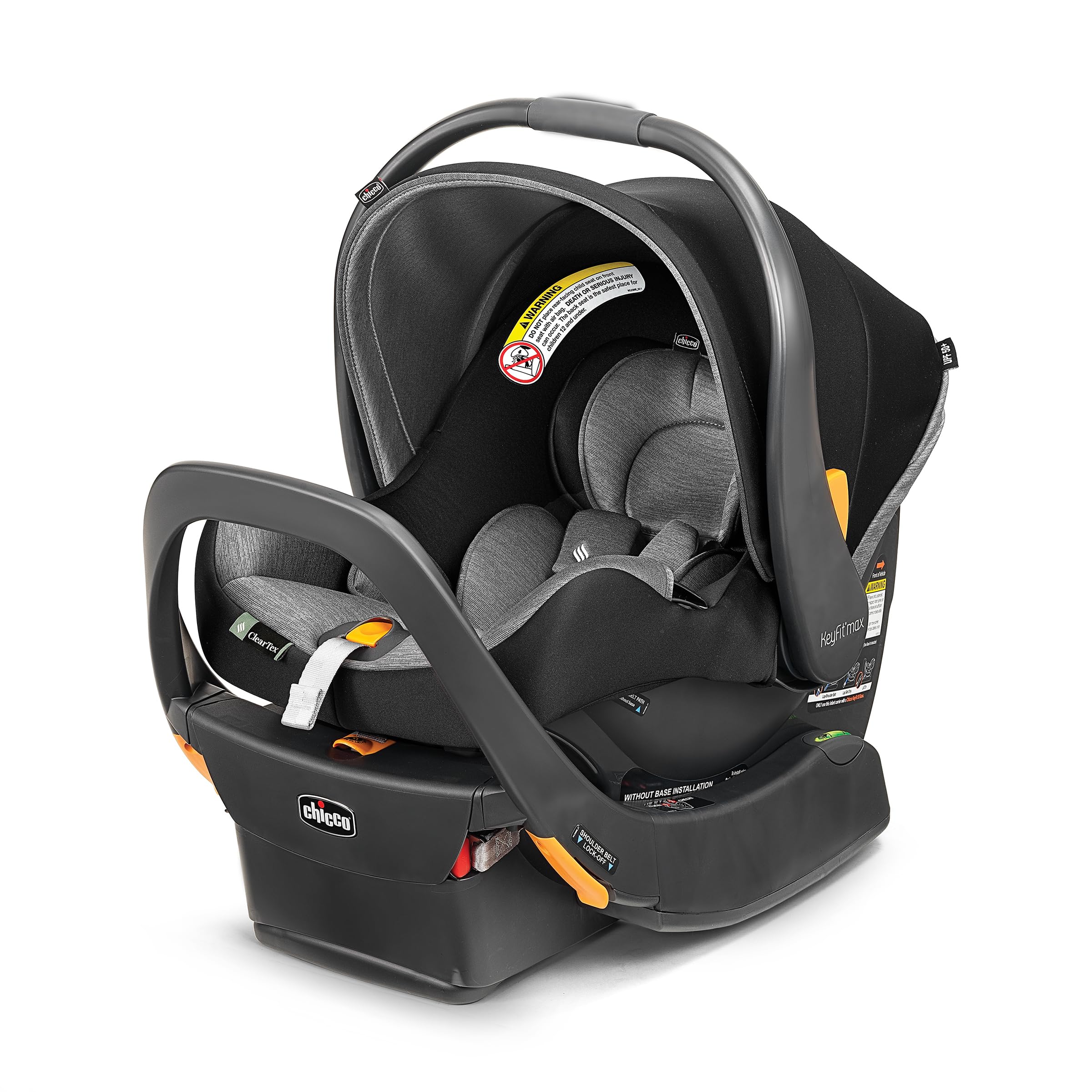
We recommend this seat if you want an easy-to-install, flame retardant–free infant carrier that keeps babies rear-facing longer.
Pros
- Simple, secure installation with clear level indicators.
- More headroom and adjustable headrest for longer rear-facing use.
- Clean, non-toxic ClearTex fabric that feels soft.
Cons
- Heavier than some infant-only carriers.
- Can take space in smaller back seats when using the base.
- Anti-rebound bar may limit tight fit in narrow cars.
We used this seat from newborn through several months and liked how quickly the base clicked in. The RideRight bubble levels and spring-loaded foot made getting the angle right fast, even when we swapped cars. The LATCH with SuperCinch tightened easily and felt reassuring.
Putting the baby in felt secure because the 5-point harness adjusts with the headrest as the baby grows. The removable infant insert gave good newborn support and we appreciated the extra legroom for longer rear-facing use. The canopy with UPF 50+ kept sun off during short drives.
The ClearTex fabric looked cleaner and breathed better than older models we tried. It also eased our mind because it’s GREENGUARD Gold certified and made without flame retardants. The one-hand handle and stroller click-in worked well for quick transitions between car and stroller.
We noticed the seat is a bit heavier to carry, especially with the baby inside, and it takes up room when the base stays installed. In a small back seat the anti-rebound bar pushed the shell outward more than we expected. Still, the safety features and straightforward setup made this a reliable pick for everyday use.
Baby Trend EZ‑Lift Plus

We recommend this seat when you want a lightweight, everyday infant carrier that feels comfortable for short trips and easy to move between car and stroller.
Pros
- Very light to lift and carry
- Soft newborn padding that keeps baby snug
- Simple harness and practical for routine use
Cons
- Harness may feel short for some babies as they grow
- Not as many adjust options as premium seats
- Padding thins over long-term use
We used this seat for errands and short drives and liked how easy it was to grab and go. Carrying a sleepy newborn felt less tiring than with heavier models. Installing and moving it between vehicles and a compatible stroller took only a few steps.
The padding made newborn naps smoother on drives, and the sides felt supportive for small infants. We noticed the harness required close attention to keep a snug fit as baby gained weight and length. For parents who need many fine adjustments, this can feel limiting.
Overall, the seat excels at everyday convenience and affordability. It won’t replace a high-end travel system for long trips, but it handled daily use and quick outings confidently. Check it on Amazon: Baby Trend EZ‑Lift Plus.
Cover Me 4‑in‑1 Convertible (Baby Trend)
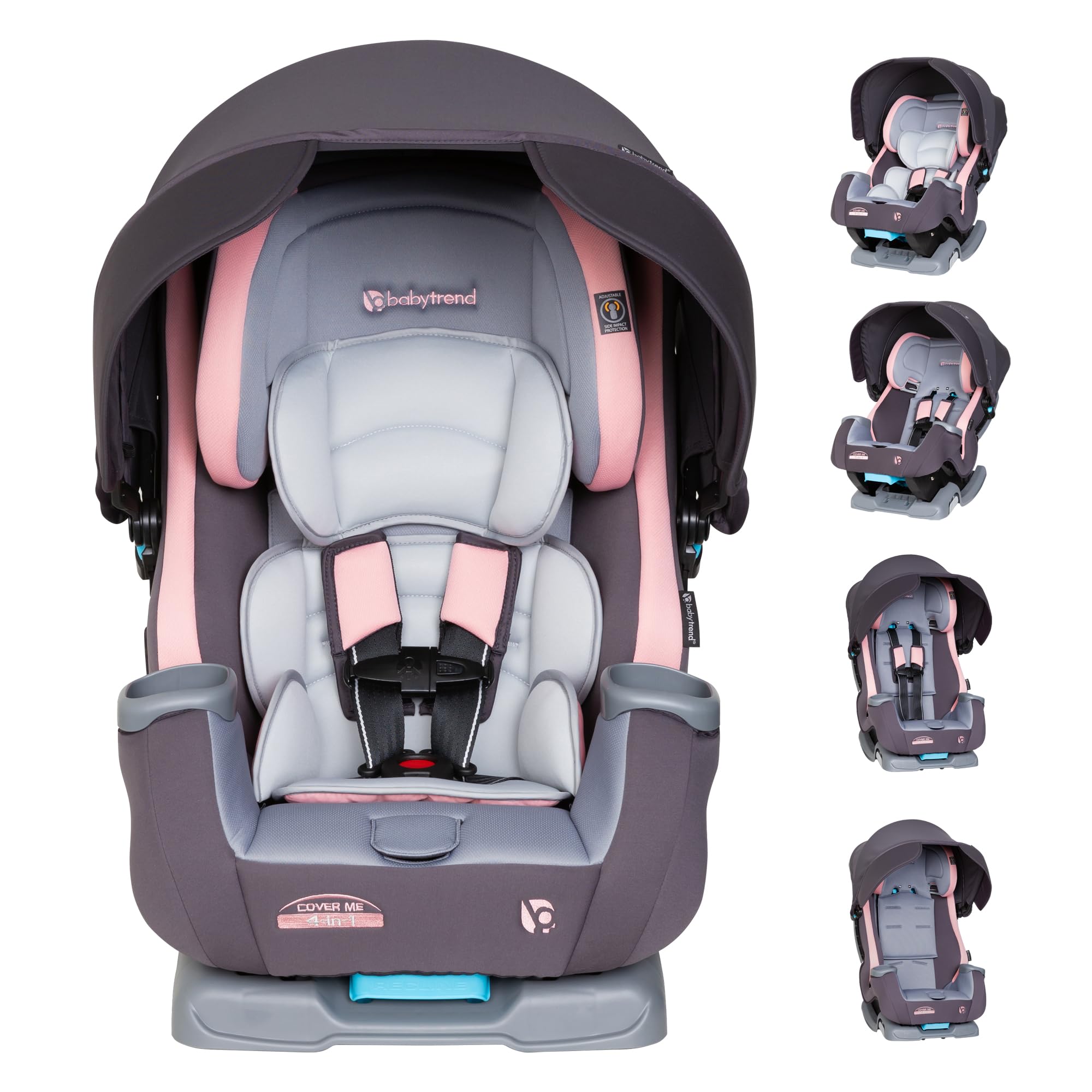
We recommend this seat if you want strong sun protection and long-term use from infant to booster.
Pros
- Built-in UPF 50+ canopy keeps sun off the child.
- Grows with the child thanks to 4-in-1 modes and no-rethread headrest.
- Extra padding and cup holders for comfort on long rides.
Cons
- Canopy adds bulk and may limit rear passenger space.
- Recline range felt a bit short for deep sleepers.
- At 17+ pounds, it’s heavier than some rivals.
We tested this seat in our family car for several weeks and used the canopy every sunny drive. The track-mounted cover moves smoothly and the flip-out visors block side glare well. Our toddler relaxed faster on rides when the sun wasn’t in her eyes.
Installation was straightforward and the no-rethread headrest made height changes quick as she grew. The three recline positions worked fine for our sedan, though we wished for a deeper tilt for napping newborns. The seat felt solid and held snug in both rear- and forward-facing setups.
Padding and fabric felt nicer than basic models and the cup holders were handy for sippy cups and snacks. Tight spaces get tighter with the canopy up, so check seat spacing if you plan three-across. Overall, we liked the balance of sun protection, comfort, and long-term value.
Ellaris 3‑in‑1 Convertible Car Seat

We recommend this seat if you want a slim, travel‑ready convertible that grows with your child and is easy to move between cars.
Pros
- Slim design frees up space for other passengers.
- Lightweight and easy to carry for travel or grandparents.
- Simple LATCH install and adjustable headrest for longer use.
Cons
- Straps can be hard to tighten fully for some users.
- Feels bulky in very small, older cars.
- Padding is good but may not suit every child’s fit.
We used this seat in our minivan and on one trip through the airport. The slim profile really made a difference; it let us fit three across in the back where other seats felt crowded. Moving it from car to car was fast because it’s light and the hook‑style LATCH clicks in quickly.
During daily use the 5‑position headrest kept the belt line correct as our little one grew. The cup holders are removable and dishwasher‑safe, which saved us time cleaning sticky snacks after outings. We found the machine‑washable seat pad handy after a messy day at the park.
Tightening the harness to get a snug fit at the shoulders took extra effort, and one of our older small cars felt a bit cramped with the seat installed. Still, for families who need a durable, travel‑friendly convertible that adapts over years, this seat handled real use well and gave us confidence on short and long drives.
Baby Trend Ally 35
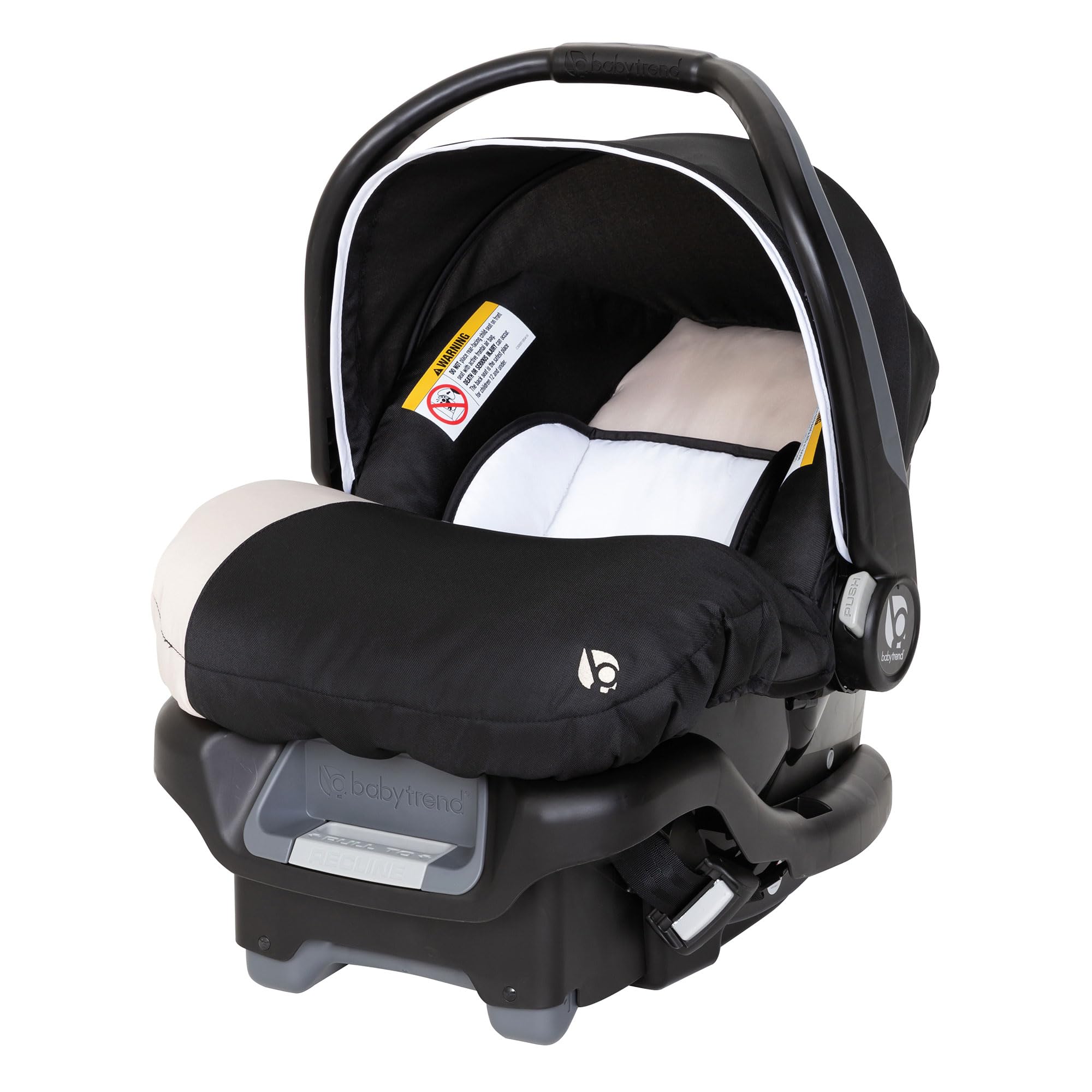
We recommend this seat if you want an affordable, easy-to-use infant carrier with solid safety features and a cozy cover.
Pros
- Good side-impact foam padding
- Works with Baby Trend strollers and installs easily
- Cozy cover and large canopy for newborns
Cons
- Seat belt lap lock can be fiddly with baby in place
- Plastic parts feel less premium than metal
- Toward the upper weight limit it gets snug
We used the Ally 35 for short errands and longer trips and found the install options handy. The LATCH hooks made base setup quick, and the dual bubble levels helped us get the angle right for a newborn.
Putting the baby in and out felt smooth thanks to the single-hand release and the multi-grip handle. The canopy really did block sun and gave privacy during naps, and the fabric cover kept baby warm on cool days.
We noticed the lap lock can be tricky when trying to buckle with baby already in the seat. The plastic hardware worked fine but felt lightweight compared with more expensive models.
Overall, the Ally 35 gave us confidence on drives without breaking the bank, especially if you already use Baby Trend strollers and want a matched travel system.
Baby Trend Secure-Lift (Dash Black)

We recommend this seat if you want a light, easy-to-carry infant carrier that makes daily trips simple.
Pros
- Very lightweight and easy to lift with a newborn.
- Soft cushioning keeps baby cozy on short drives.
- Simple adjustments help the harness fit as baby grows.
Cons
- Feels basic compared to higher-end models.
- Limited features for long road trips.
- Carry handle can be a little awkward with heavier layers.
We used this seat on quick outings, errands, and pediatric visits. It felt noticeably lighter when we carried it from the car, which made coming and going less stressful after delivery.
Installation with LATCH was straightforward in our vehicle and the rear-facing fit felt snug. The padding cradled our baby well during short rides, and the adjustable harness let us tighten things easily as needed.
For longer drives the seat is fine but lacks extra recline and advanced shock features. If you want a no-frills, reliable carrier for daily use, this worked well for our family.
Joie Mint Latch (Baseless)
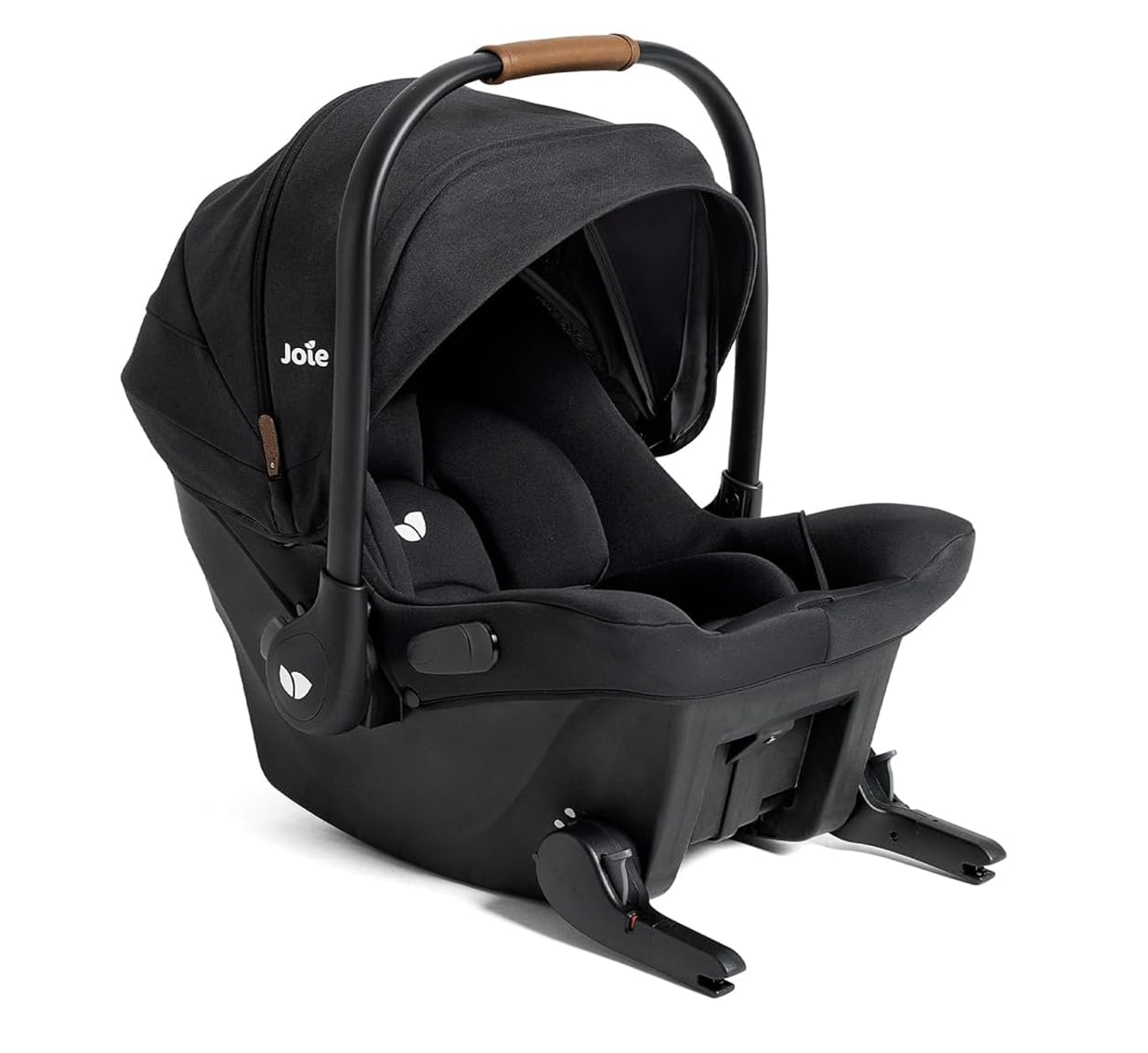
We recommend this if you want a light, travel-ready infant seat that clicks into car anchors without a separate base.
Pros
- Very easy to move between cars thanks to the baseless, latch-click system.
- Lightweight and comfy — baby naps often when we used it.
- Large UPF 50+ canopy and padded inserts for sun and support.
Cons
- No separate base can make angle checks less obvious in some cars.
- Handle position can feel awkward for taller carriers.
- Fits tightly in smaller rear seats; may need trial fitting.
We used this seat for quick errands and a weekend flight. The latch attachments snap into place fast, and installing without a bulky base saved time. The shell felt sturdy but stayed light enough to carry one-handed.
The fabric and padding kept our baby cozy on short drives. The removable inserts supported a newborn well, and the canopy actually blocked bright sun. The leatherette handle looks and feels nicer than most.
On longer trips we noticed the recline can sit a bit upright in some vehicles unless the seat back is angled. We double-checked belt routing and the fit each time. Overall, it made travel simple and felt safe while switching cars often.
Buying Guide
We look for seats that fit our car and meet safety standards. Check the user manual for weight and height limits, and verify the seat has current crash-test certification.
We focus on installation ease. LATCH vs. seat belt matters: ensure anchors are accessible and straps tighten firmly. Practice installing the seat several times until it feels secure.
We examine rear-facing performance. The infant seat should keep the child at the correct recline angle and support the head and neck. Look for clear angle indicators and easy-to-adjust bases.
We value harness features. A five-point harness that’s easy to tighten and adjust keeps the child secure. Padded straps help comfort without hiding whether the harness sits snugly.
We check materials and fit. Breathable fabrics reduce sweating. Removable, machine-washable covers make cleanup easier. Measure width to ensure the seat doesn’t crowd other passengers.
We consider longevity and adaptability. Some bases allow multiple positions and have clear expiration dates. Verify replacement parts are available and the manual shows how to inspect for wear.
We recommend testing before you buy. Try installing the seat in our car and fitting our stroller, if compatible. Bring the infant or a similar-size doll to confirm belt height and harness positioning feel correct.
We keep safety and practicality as top priorities. Choose a seat that installs securely, fits our child and vehicle, and has clear instructions for use and adjustment.
Editor’s Choice
We pick the rear center seat as our top choice for placing an infant car seat. It gives the most distance from side impacts and keeps the child away from doors. Many safety experts and crash tests favor this spot.
When center installation isn’t possible, we recommend the rear passenger-side seat. It still stays away from traffic flow when exiting on the curb side. This seat often fits a wider range of infant carriers and vehicle designs.
We weigh ease of installation alongside protection. The right seat has lower anchors or a clear belt path, and a stable base reduces movement. We always test the fit before driving.
Quick checklist:
- First choice: Rear center seat, when vehicle design allows.
- Second choice: Rear passenger-side seat.
- Must do: Follow vehicle and car seat manual, check tightness (less than 1 inch of movement), and ensure proper recline angle.
We stress that every car and seat pair differently. If in doubt, consult a certified child passenger safety technician to confirm the installation.
Conclusion
We recommend the rear center seat when it fits the car and the base installs securely. It gives the best protection in most crashes and keeps the infant away from side impact zones.
If center installation is not possible, we suggest the rear passenger side as the next best choice. That spot often makes it easier to load and unload the child and to watch them with a mirror.
Always follow the car seat and vehicle manuals for proper installation and harnessing. Use a fit-check, have the belt or LATCH tight, and get a certified technician to inspect the install when possible.
Keep the baby rear-facing as long as the car seat allows. Rear-facing greatly reduces head, neck, and spine injuries in a crash.
Make small safety checks before every trip: straps snug, chest clip at armpit level, and the seat firmly anchored. These quick steps help keep our child secure on every ride.
FAQS
Q: Where is the safest place for an infant car seat?
We place rear-facing infant seats in the back center seat when possible. That spot usually gives the best crash protection and keeps the infant away from airbags.
Q: What if my vehicle doesn’t have a center seat or it’s not safe?
We use one of the rear outboard seats next. Choose the side that lets us easily access the child and follow the car and seat manufacturer’s instructions.
Q: Can we install the car seat in the front passenger seat?
We avoid the front passenger seat if the vehicle has an active airbag. Front airbags can seriously injure a rear-facing infant in a crash.
Q: How do we know the seat is installed correctly?
We check for firm installation with less than one inch of movement at the base. We also make sure the harness is snug and at or below the baby’s shoulders.
Q: Is the rear center always best for every car?
No. Some cars lack a proper center lower LATCH or seat belt path. We read both the vehicle and car seat manuals to confirm proper fit.
Q: When should we move the infant to a forward-facing seat?
We keep infants rear-facing until they reach the car seat’s maximum rear-facing height or weight. This often lasts longer than many caregivers expect.
Q: Any quick safety reminders?
- Always use the correct belt or LATCH path.
- Don’t add aftermarket items that weren’t tested with the seat.
- Register the car seat for recall alerts.