Best Price to Sell My Car

Getting the best price to sell your car starts with knowing its true market value. This guide walks you through pricing strategies, timing, preparation, and selling platforms to help you maximize your return—whether you’re selling privately or trading in.
In This Article
- 1 Key Takeaways
- 2 📑 Table of Contents
- 3 Introduction: Why the Right Price Makes All the Difference
- 4 Step 1: Know Your Car’s True Market Value
- 5 Step 2: Time Your Sale for Maximum Impact
- 6 Step 3: Prepare Your Car to Justify a Higher Price
- 7 Step 4: Choose the Right Selling Method
- 8 Step 5: Price Smart and Negotiate Wisely
- 9 Step 6: Finalize the Sale Safely and Legally
- 10 Conclusion: Get the Best Price to Sell Your Car with Confidence
- 11 Frequently Asked Questions
Key Takeaways
- Research your car’s market value: Use trusted tools like Kelley Blue Book, Edmunds, or NADA Guides to get an accurate estimate based on year, mileage, condition, and location.
- Timing matters: Selling during peak seasons—like spring or right before tax refunds—can increase demand and help you get a better price.
- Clean and detail your car: A well-maintained, spotless vehicle can boost perceived value and justify a higher asking price.
- Choose the right selling method: Private sales often yield higher returns, while trade-ins offer convenience but typically lower payouts.
- Be transparent about flaws: Honesty builds trust with buyers and reduces the risk of price haggling or deal fall-throughs.
- Negotiate smartly: Set a realistic asking price slightly above your target to leave room for negotiation while staying competitive.
- Document everything: Keep service records, photos, and a clean title ready to speed up the sale and prove your car’s worth.
📑 Table of Contents
- Introduction: Why the Right Price Makes All the Difference
- Step 1: Know Your Car’s True Market Value
- Step 2: Time Your Sale for Maximum Impact
- Step 3: Prepare Your Car to Justify a Higher Price
- Step 4: Choose the Right Selling Method
- Step 5: Price Smart and Negotiate Wisely
- Step 6: Finalize the Sale Safely and Legally
- Conclusion: Get the Best Price to Sell Your Car with Confidence
Introduction: Why the Right Price Makes All the Difference
So, you’ve decided it’s time to sell your car. Maybe you’re upgrading to something newer, downsizing, or just ready for a change. Whatever the reason, one question is likely at the top of your mind: *What’s the best price to sell my car?*
It’s a smart question—and one that can make or break your sale. Price it too high, and you’ll scare off buyers. Price it too low, and you’re leaving money on the table. The sweet spot? That’s where your car’s value aligns with what buyers are actually willing to pay. And finding that balance doesn’t have to be overwhelming. With the right approach, you can sell your car quickly, confidently, and for a fair price.
In this guide, we’ll walk you through everything you need to know to determine the best price to sell your car. From understanding market trends to prepping your vehicle and choosing the right platform, we’ve got you covered. Whether you’re selling a sedan, SUV, truck, or even a classic car, these tips will help you maximize your return and avoid common pitfalls.
Step 1: Know Your Car’s True Market Value

Visual guide about Best Price to Sell My Car
Image source: content.wepik.com
Before you even think about listing your car, you need to know what it’s worth. This isn’t just about guessing based on what you paid or what you *think* it’s worth. The best price to sell your car is grounded in real-world data.
Use Reputable Valuation Tools
Start by checking your car’s value on trusted automotive pricing websites. The most popular and reliable include:
- Kelley Blue Book (KBB): Offers a “Private Party Value” and “Trade-In Value” based on your car’s make, model, year, mileage, condition, and ZIP code.
- Edmunds True Market Value (TMV): Provides a detailed estimate using recent sales data from your area.
- NADA Guides: Often used by dealerships, this tool gives a solid baseline, especially for older or collector vehicles.
For example, let’s say you have a 2018 Honda Civic with 60,000 miles in good condition. A quick check on KBB might show a private party value of $16,500 and a trade-in value of $14,200. That $2,300 difference is significant—and it shows why knowing your numbers matters.
Adjust for Condition and Features
Valuation tools give you a starting point, but you’ll need to adjust based on your car’s actual condition. Is it in excellent shape with no dents or mechanical issues? Or does it have a few scratches and higher-than-average mileage? Be honest with yourself.
Also, consider upgrades or features that add value. A premium sound system, leather seats, or a sunroof can bump up your price. On the flip side, missing features or aftermarket modifications (like loud exhausts or non-standard wheels) might turn off buyers and lower your value.
Check Local Listings
Don’t rely solely on national averages. Look at similar cars for sale in your area on platforms like Craigslist, Facebook Marketplace, or Autotrader. Are 2018 Civics with similar mileage priced at $16,000 or $17,500? This real-time data helps you stay competitive.
Pro tip: Take screenshots or notes of comparable listings. You can reference them later when negotiating or justifying your price.
Step 2: Time Your Sale for Maximum Impact

Visual guide about Best Price to Sell My Car
Image source: wikihow.com
Believe it or not, *when* you sell your car can affect how much you get for it. The best price to sell your car isn’t just about the number—it’s also about timing.
Seasonal Trends to Watch
Certain times of year are better for selling specific types of vehicles:
- Spring and early summer: Ideal for convertibles, sports cars, and family vehicles. Families often shop for cars before summer road trips.
- Late winter and early spring: Great for trucks and SUVs, as people prepare for outdoor activities or snow removal.
- Right after tax season (April–May): Many buyers receive refunds and are ready to spend. This can increase demand and willingness to pay more.
For example, selling a Jeep Wrangler in March might get you more interest—and a higher offer—than listing it in November.
Avoid Slow Months
Holiday seasons like December and January tend to be slower for car sales. People are focused on gifts, travel, or recovering from holiday spending. If you can wait, delaying your sale by a few weeks could mean a quicker sale and better offers.
Watch for Market Shifts
Keep an eye on broader trends. If gas prices spike, fuel-efficient cars may become more desirable. If there’s a chip shortage affecting new car production, used cars—especially popular models—can see price increases.
In 2021 and 2022, for instance, used car prices soared due to supply chain issues. Sellers who timed their sales during that window often got far more than their car’s original value. While markets fluctuate, staying informed helps you strike when the iron is hot.
Step 3: Prepare Your Car to Justify a Higher Price

Visual guide about Best Price to Sell My Car
Image source: static.vecteezy.com
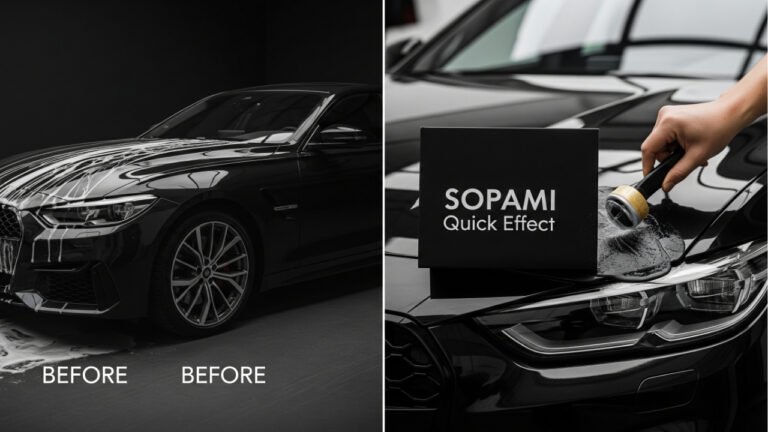
You’ve priced your car fairly, but now it’s time to make it *look* worth every penny. The best price to sell your car isn’t just about numbers—it’s about perception. A clean, well-maintained car signals to buyers that it’s been cared for and is worth the investment.
Deep Clean Inside and Out
Start with a thorough wash and wax. Remove bugs, tar, and water spots. Don’t forget the wheels and tires—dress them up with tire shine for a polished look.
Inside, vacuum every crevice. Clean the dashboard, console, and door panels with a gentle cleaner. Remove stains from seats and carpets. If your car has odors (from pets, smoking, or food), use an odor eliminator—not just air fresheners, which mask smells.
Consider professional detailing if your budget allows. A $100–$200 detail can make your car look nearly new and significantly boost buyer confidence.
Fix Minor Issues
You don’t need to rebuild the engine, but addressing small problems can prevent buyers from lowballing you. Replace burnt-out bulbs, fix wiper blades, and top off fluids. If your tires are worn, consider replacing them—safety is a big selling point.
Even something as simple as replacing a cracked windshield wiper or fixing a loose door handle shows attention to detail.
Gather Documentation
Buyers love transparency. Have your service records, owner’s manual, and title ready. If you’ve kept receipts for oil changes, brake jobs, or major repairs, include them. This proves your car has been well-maintained and can justify a higher price.
Also, get a recent vehicle history report from Carfax or AutoCheck. Sharing this with buyers builds trust and reduces their fear of hidden problems.
Step 4: Choose the Right Selling Method
How you sell your car directly impacts how much you’ll get. Each method has pros and cons, so choose the one that aligns with your goals—whether that’s top dollar, speed, or convenience.
Sell Privately for the Best Price
Private sales typically yield the highest returns. You’re cutting out the middleman (like a dealer), so you keep more of the profit. For example, if your car is worth $16,500 privately, you might get $14,200 as a trade-in—over $2,000 less.
But private sales take more effort. You’ll need to create listings, respond to inquiries, meet buyers, and handle paperwork. Still, for many sellers, the extra work is worth the payoff.
Trade-In for Convenience
Trading in your car at a dealership is fast and hassle-free. You drive in, get an offer, and walk out with a new car—all in one trip. But convenience comes at a cost. Dealers need to make a profit, so their offers are usually lower.
That said, trade-ins can be smart if you’re buying another car. Some states offer tax savings when you trade in—you only pay sales tax on the difference between the new car’s price and your trade-in value.
Use Online Car Buyers
Companies like Carvana, Vroom, and Shift offer instant online quotes and home pickup. They’re convenient and often faster than private sales. However, their offers are usually between private party and trade-in values—better than a dealer but not as high as a private sale.
These services are great if you want a quick sale without the stress of meeting strangers or negotiating. Just be sure to compare offers from multiple platforms.
Sell to a Local Dealer or Mechanic
Some independent dealers or mechanics buy used cars directly. They might offer more than a big dealership, especially if your car fits their inventory needs. This can be a good middle ground between private and trade-in sales.
Step 5: Price Smart and Negotiate Wisely
You’ve done your research, prepped your car, and chosen a selling method. Now it’s time to set your price—and handle negotiations like a pro.
Start Slightly Above Your Target
Set your asking price about 5–10% higher than your target. This gives you room to negotiate while still staying competitive. For example, if you want $16,000, list it at $16,800. Buyers expect to negotiate, and starting high lets you meet in the middle at your desired price.
Be Ready to Justify Your Price
When buyers ask, “Why is this car priced at $16,800?” have your answers ready. Mention low mileage, recent maintenance, clean history, and comparable listings. Confidence in your pricing builds buyer trust.
Know When to Walk Away
Not every offer is worth accepting. If a buyer lowballs you with no justification, don’t feel pressured to accept. Politely thank them and move on. There are plenty of buyers who will appreciate your car’s value.
Use Silence as a Tool
During negotiations, avoid filling every pause with concessions. If a buyer makes an offer, stay quiet. Often, they’ll raise it just to break the silence. Let them come to you.
Step 6: Finalize the Sale Safely and Legally
Once you’ve agreed on a price, it’s time to close the deal—safely and correctly.
Meet in a Safe, Public Place
Always meet buyers in well-lit, public areas like a police station parking lot or busy shopping center. Avoid going to their home or inviting them to yours.
Accept Secure Payment
Cash is king, but it’s risky to carry large amounts. Cashier’s checks or bank wires are safer. Never accept personal checks—they can bounce. If using an online service, ensure funds are verified before handing over the keys.
Complete the Paperwork
Sign over the title correctly (check your state’s requirements). Provide a bill of sale, and notify your DMV of the sale to avoid liability. Remove your license plates and cancel insurance once the sale is complete.
Taking these steps protects you and ensures a smooth transfer.
Conclusion: Get the Best Price to Sell Your Car with Confidence
Selling your car doesn’t have to be stressful or confusing. By knowing your car’s true value, timing your sale well, preparing it thoroughly, and choosing the right method, you can achieve the best price to sell your car—and feel good about the deal.
Remember, the highest offer isn’t always the best outcome. A fair price, a smooth process, and a satisfied buyer make for a successful sale. Whether you’re upgrading, downsizing, or just ready for a change, use this guide as your roadmap.
Take the time to do it right, and you’ll walk away with more money in your pocket and peace of mind. Happy selling!
Frequently Asked Questions
How do I find the best price to sell my car?
Use trusted valuation tools like Kelley Blue Book or Edmunds, check local listings, and adjust for your car’s condition, mileage, and features. This gives you a realistic, competitive price.
Should I sell my car privately or trade it in?
Private sales usually get you more money, while trade-ins are faster and more convenient. Choose based on your priority: maximum profit or ease of sale.
What time of year is best to sell a car?
Spring and early summer are ideal for most vehicles, especially family cars and convertibles. Avoid holiday months like December when buyer activity is low.
How much should I clean my car before selling?
A deep clean—inside and out—can increase perceived value. Consider professional detailing if your budget allows, as it makes a strong impression on buyers.
Can I negotiate the price when selling my car?
Yes, most buyers expect to negotiate. Start slightly above your target price and be ready to justify your asking price with facts and documentation.
What documents do I need to sell my car?
You’ll need the car’s title, bill of sale, vehicle history report, service records, and your registration. Check your state’s requirements for additional paperwork.