
Best Place to Put Infant Car Seat in Car: Safety, Installation Tips, and Recommended Positions

Placing an infant car seat in a vehicle keeps babies safe during travel, and choosing the best spot can reduce injury risk in a crash. Rear-facing seats protect an infant’s head, neck, and spine by spreading crash forces across the strongest parts of the body. A properly installed seat and the right location in the car work together to give the most protection.
The key things to check are whether the seat fits your vehicle, how easily it installs, and whether it allows correct harnessing and recline for your infant. Center rear seating is usually the safest because it is farthest from impact zones, but vehicle seat shape, seat belt or LATCH access, and airbag placement can make a side position safer in some cars. We tested installation fit and ease across a range of vehicles and seats to recommend the best options and placement guidance.
Best Places to Put an Infant Car Seat
Below is our full list of the best spots to place an infant car seat in your vehicle. We focus on safety, ease of installation, and where your child will be best protected.
Totes Babies Car Seat Carrier

We recommend this if you want to shop hands-free and keep your baby sleeping in their car seat.
Pros
- Lets us use the full cart without moving the car seat inside.
- Easy to set up and adjust to most store carts.
- Feels sturdy and keeps the seat secure while we shop.
Cons
- Takes some trunk space and a bit of time to install at first.
- Not ideal for very small or oddly shaped carts.
- Reduces wagon or cart storage near the car seat when in use.
We tried this carrier on several shopping trips and liked how it freed up cart space. We set the hammock over the cart, dropped the car seat in, and buckled the strap in under a minute. Our baby stayed snug and mostly asleep while we shopped.
The build feels solid and the straps hold tight. We tested it on large grocery carts and a soft-sided wagon — it fit both and gave us more room for groceries. The included carry bag made it easy to keep in the trunk.
Some stores have narrow carts where the carrier sits too high or the seat blocks access to items near the basket. After a few uses we learned the best carts to choose and how to angle the seat for balance. Overall, this saved us time and stress on errands.
Baby Trend EZ-Lift Plus Base

We recommend this base if you want a simple, reliable way to keep an infant car seat ready in multiple cars.
Pros
- Quick click-in system makes transfers fast.
- Clear level indicators help get the angle right.
- Sturdy frame holds up to daily family use.
Cons
- Limited extra anchoring points for the front of the base.
- Fits only compatible Baby Trend seats.
- A few cars may need extra fiddling to reach a perfect recline.
We installed two of these bases in our vehicles and used them for weeks. The click-in felt solid every time and saved us from reinstalling the whole seat when switching cars.
Adjusting the recline took one small test ride to get the angle right for our baby. The level indicators made that step quick, though we did need minor tweaks in one of our older cars.
Moving the base between cars was easy because it’s light, but some vehicles needed a bit more effort to get a snug fit. Overall, it made everyday travel smoother for our family.
Chicco KeyFit Max Base

We recommend this base if you want an easy, secure way to move a Chicco infant seat between two cars.
Pros
- Installation is straightforward with SuperCinch LATCH and RideRight levels.
- Anti-rebound bar gives extra stability and more legroom for rear-facing use.
- Feels sturdy but light to carry between vehicles.
Cons
- Adds extra cost if you already own one base.
- Takes a little practice to get the perfect angle in some vehicles.
- Not universal—works only with Chicco KeyFit family seats.
We installed this as our second-vehicle base and liked how quickly the seat clicked in. The SuperCinch tightener pulls everything snug without straining, and the RideRight bubble made it easy to check the angle at a glance.
The integrated anti-rebound bar helped reduce movement during short trips, and it seemed to give our baby a bit more legroom while rear-facing. The base feels solid under the seat and the smooth underside protected our car upholstery.
We did notice it can need small adjustments in cars with steep seatbacks. Still, swapping the infant carrier between our two vehicles became fast and less stressful. If you use a Chicco KeyFit seat in more than one car, this base makes life simpler.
Baby Trend Secure 35 Base

We recommend this base if you need a dependable extra base for swapping an infant seat between cars.
Pros
- Easy click-in that saves time during fast drop-offs.
- Clear level indicators make setup less stressful.
- Lightweight and works well in multiple vehicles.
Cons
- May need small adjustments to fit some car seat shapes.
- Only fits the Secure 35 infant seat line.
- Not as padded or premium-feeling as pricier bases.
We used this base for a week while moving an infant seat between our car and a grandparent’s SUV. Installation took minutes once we found the right recline setting. The click-in action felt secure and gave us confidence before each drive.
The level indicators are simple and visible, so we didn’t second-guess the angle. In tighter car seats we had to tweak the base position a bit to get the same fit, but that’s normal for many vehicles.
Swapping the infant seat on and off the base made daycare runs faster for our family. It’s not fancy, but it does what we need: keeps the seat stable and makes transfers easy.
Shynerk Baby Mirror
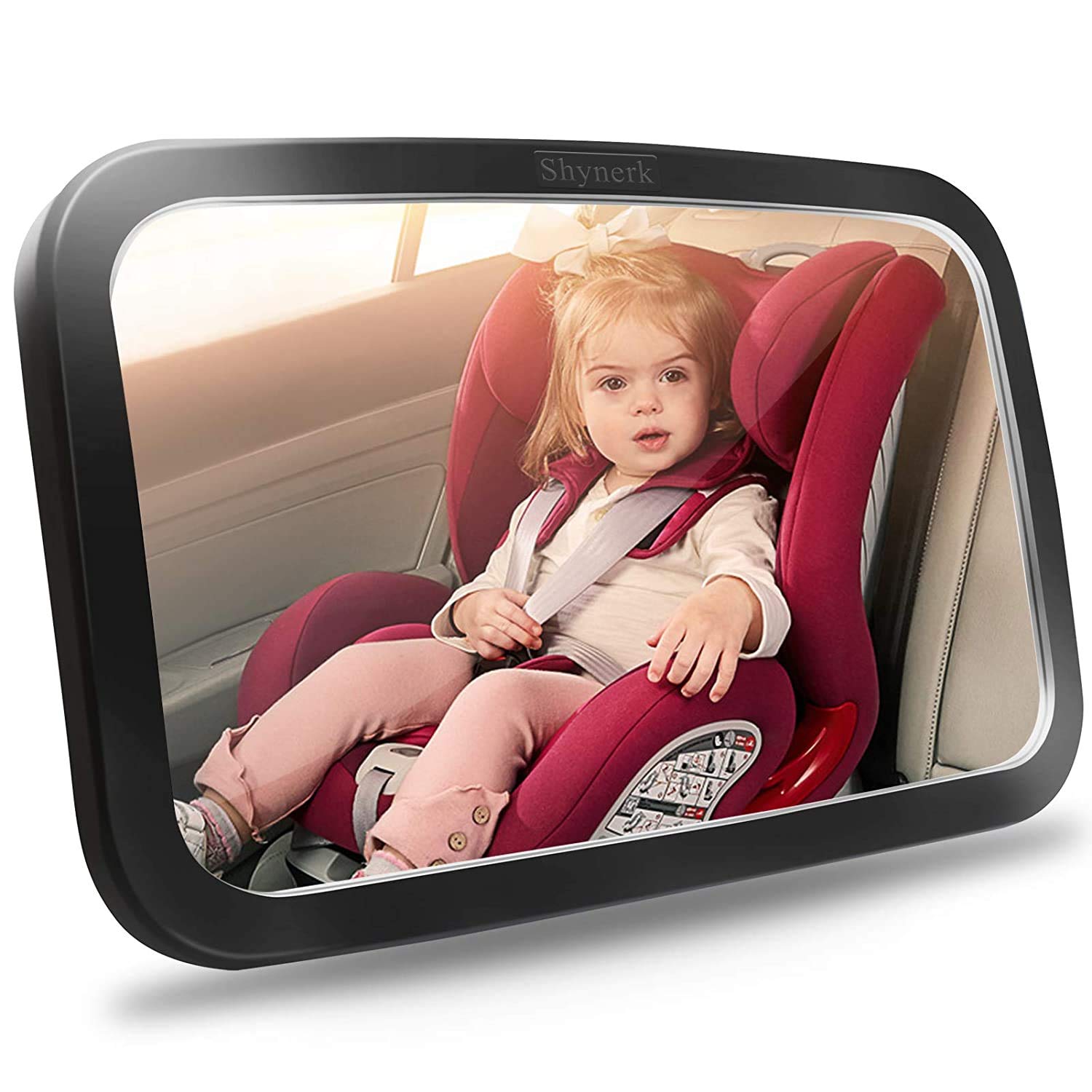
We recommend this mirror if you want a wide, clear view of a rear-facing infant and a sturdy, crash-tested design.
Pros
- Very clear, extra-wide view so we can see the whole car seat.
- Easy 360° adjustment to get the angle just right.
- Strong straps and shatterproof acrylic feel secure in real use.
Cons
- Needs a proper headrest to mount; not universal for all seats.
- Occasional slight readjusting while driving on bumpy roads.
- A tight install can be a bit fiddly at first.
We used this mirror on short and long drives and liked how much of the car seat it showed. The reflection stayed clear without the warping we’ve seen on cheaper mirrors, so spotting a fussing infant was simple.
Installation took a few minutes and required tightening the straps firmly around the headrest. Once set, the mirror stayed put most of the time, though we did nudge it after rough roads.
The pivot hinge made switching to vertical for a different view quick and easy. The build felt solid and gave us confidence that it would hold up over time.
Innofans Dino Car Seat Toys

We recommend this if you want a simple, attach-and-forget toy that keeps babies busy on short drives.
Pros
- Easy to install and adjust to different headrest heights.
- Multiple textures and sounds that encourage reaching and kicking.
- Lightweight and portable for quick trips or travel.
Cons
- Can sag over time and lose firm position.
- Some babies ignore the sounds or squeakers.
- Not designed for forward-facing placement on certain car seats.
We used this on errands and a few longer drives. The clip-on buckles made setup fast, and the adjustable rods let us angle the toys toward our child. Our baby grabbed the teether and banged the crinkly pterodactyl right away, which bought us a few calm minutes.
The toys feel soft and varied. The mirror, beads, and different dinosaurs gave our little one things to explore with hands and feet. After several weeks the toys stayed mostly secure, though the strap loosened a bit on one trip and the bar had a slight sag when he kicked hard.
Installation worked best hung from a rear-seat headrest with the toys facing the child. We tried it on a forward-facing toddler seat and it wasn’t ideal because of fit and sightline. Overall, this is a handy, low-cost option to keep infants occupied for many short rides.
TinlyFinly Infant Insert
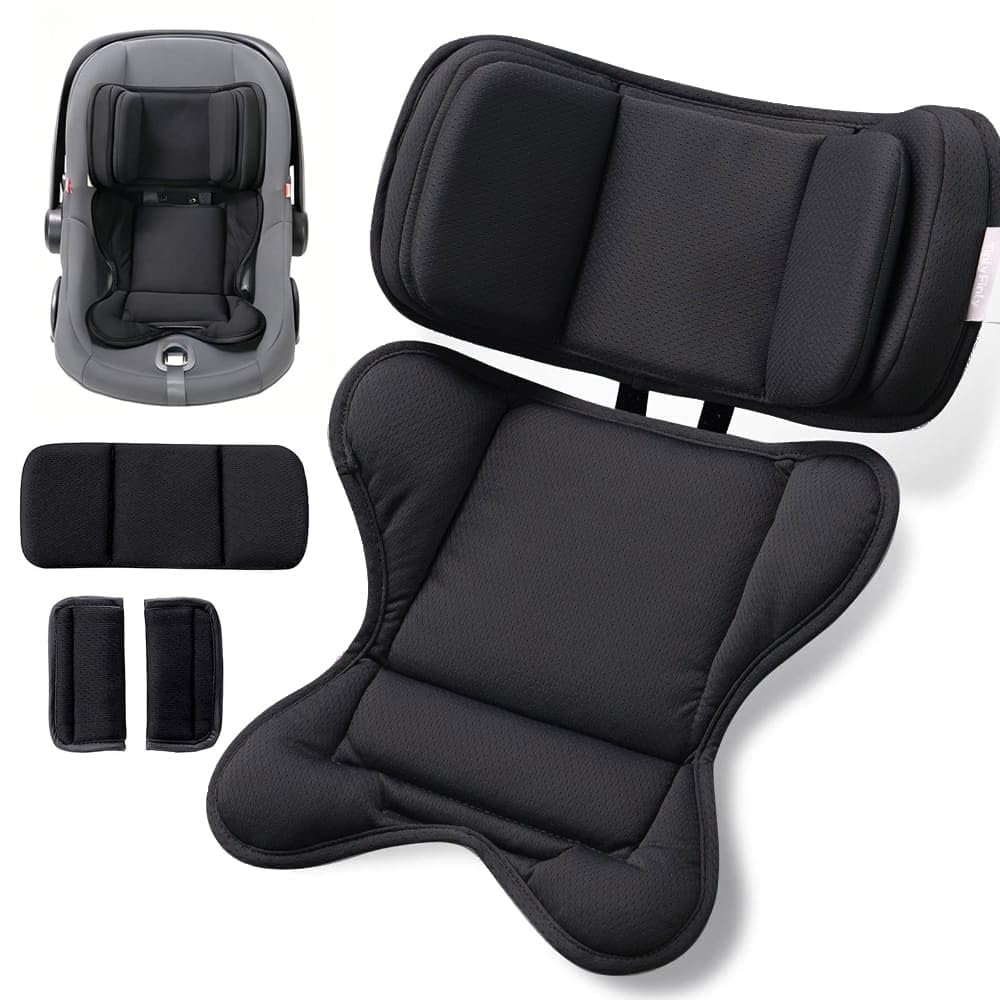
We recommend this insert if you want soft, adjustable head and body support that fits many car seats and cleans easily.
Pros
- Very soft with extra polyester filling for better cushioning
- Adjustable head layers that fit newborns through toddlers
- Easy to attach, machine washable, and stays put with anti-slip dots
Cons
- Head cushion can feel thinner than expected for some babies
- Fit may need tweaking on certain car seat models
- Less firm than molded inserts if you want rigid support
We used this insert in our Doona and a Graco seat and liked the immediate comfort it gave our newborn. The extra polyester added a plush feel that made the baby settle faster on short drives.
We found the two-layer head support useful. The narrow top fit our 0–3 month infant snugly, then we flipped to the wider layer as the baby grew. Removing the head piece was quick when we needed the extra room.
Installation took a minute with the snaps and webbing; the silicone dots really helped stop slipping. Cleaning was simple — we tossed it in the washer and it came out soft and ready to use again.
Kaseeous Infant Insert
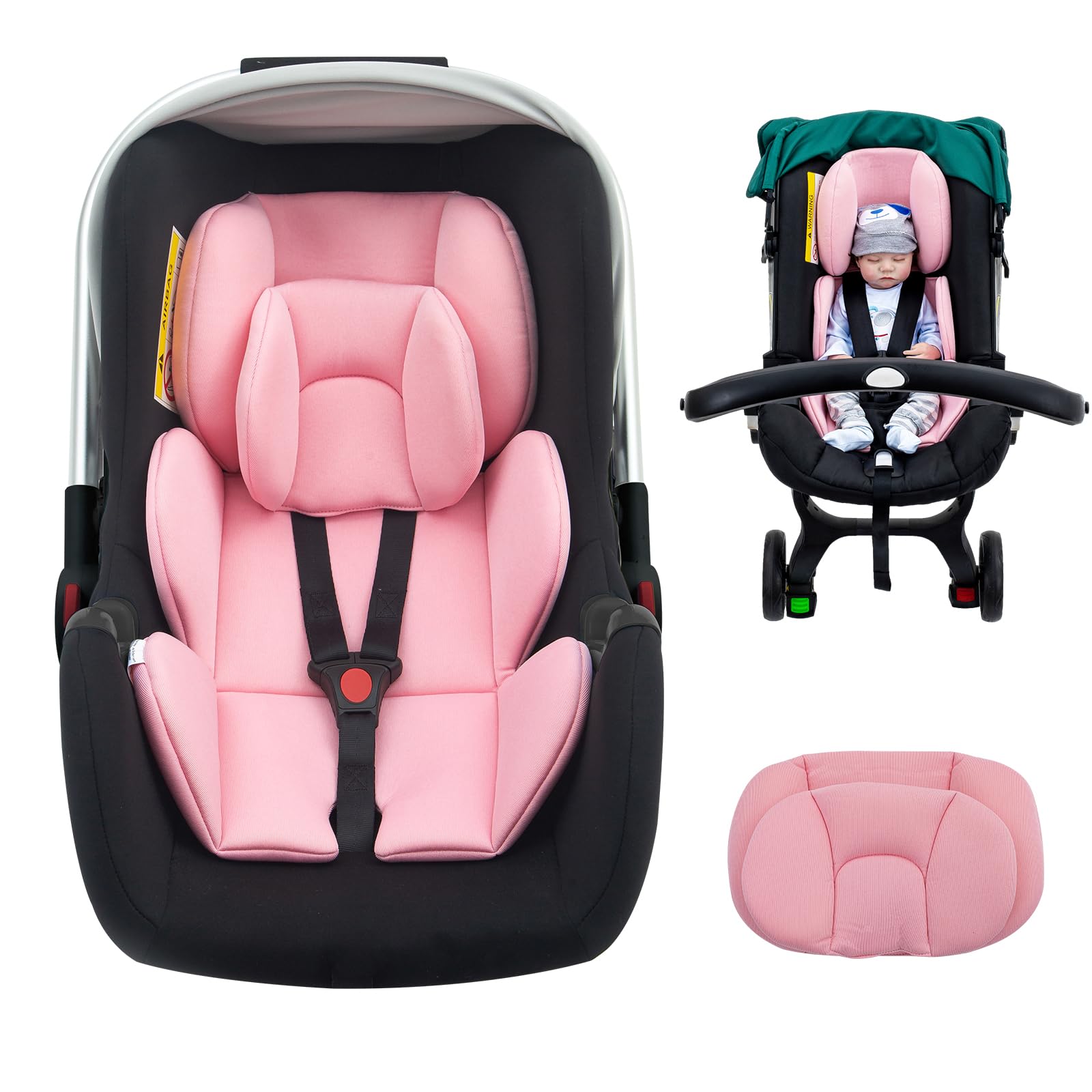
We recommend this insert if you need extra newborn head and body support that adapts as your baby grows.
Pros
- Thick side padding holds the head steady.
- Breathable mesh surface helps keep baby cool.
- Removable pieces let us adjust fit for different seats.
Cons
- Fit can be fussy in some car seat models.
- Material feels less durable on close inspection.
- Not as breathable as advertised in very hot cars.
We used this insert in a Graco and a Baby Trend seat. The extra headrest made short drives much calmer because our newborn’s head stayed snug instead of flopping. Installing and removing the pads was quick, which helped when we moved the insert between stroller and car.
The padding felt plush and supportive at first, but after a few weeks we noticed the outer mesh didn’t seem as sturdy as the core padding. It still did its job holding the head, but we treated it more gently than we would a factory pad.
Overall, the insert gives clear benefits for early weeks, especially for preemies and very small babies. We would recommend it if you need adjustable support, but advise testing the fit in your specific car seat before relying on it for every trip.
ONE PIX Car Organizer
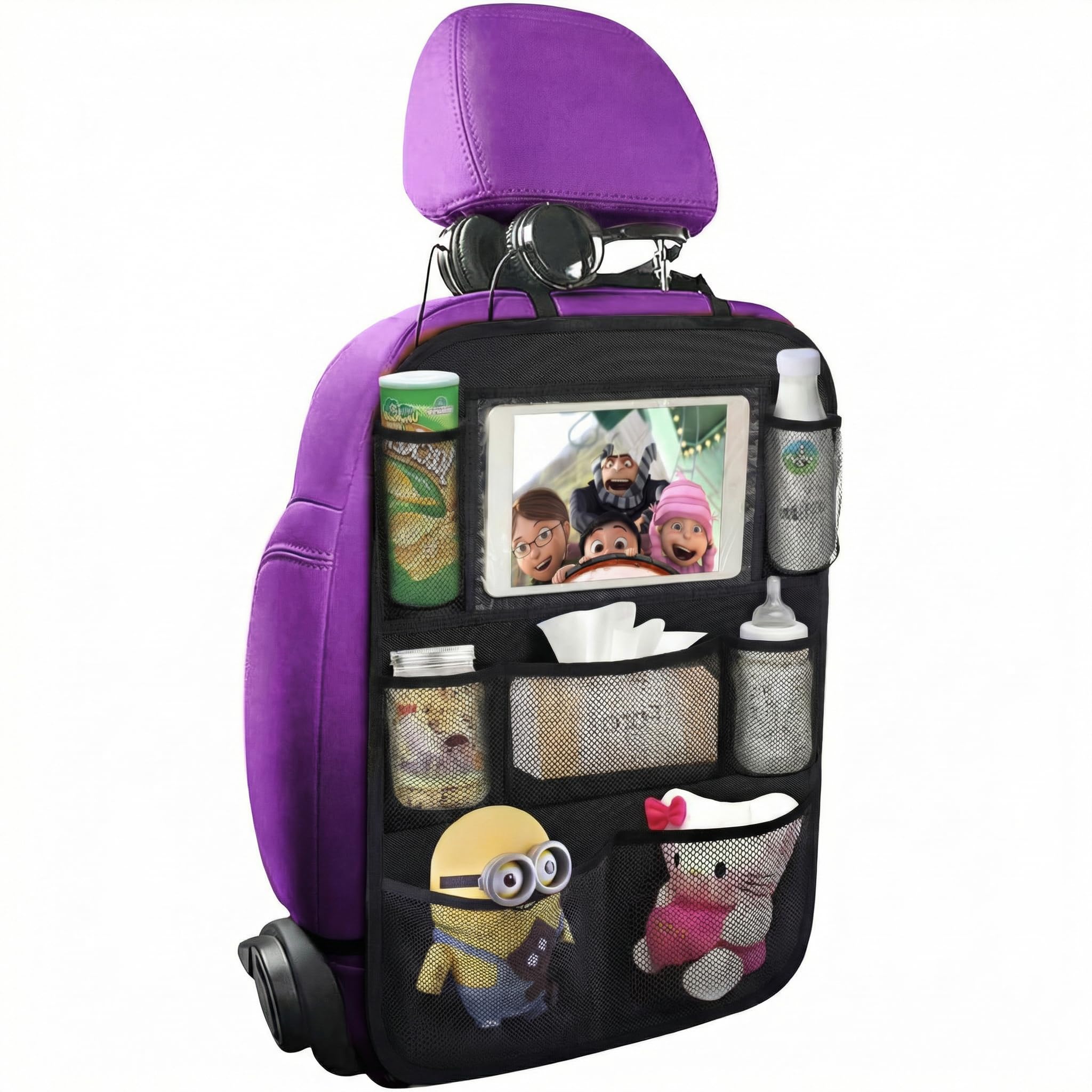
We recommend this if you need a tough, roomy organizer that keeps kids’ items and seats clean on short trips and long drives.
Pros
- Lots of pockets that hold toys, snacks, and wipes.
- Strong, waterproof fabric that wipes clean easily.
- Built-in tablet sleeve keeps kids entertained.
Cons
- Bottom strap can be short or missing on some units.
- Colors might differ from the listing.
- Very full pockets can make it sag if not arranged well.
We used the ONE PIX on daily school runs and a weekend road trip. It held books, snacks, diapers, and a tablet without crowding the seat. The 11″ tablet window worked well for our kid’s videos and stayed secure during stops.
Installation took under a minute. The top and bottom straps tightened fast and the organizer sat flat against the seat. After a month of use it showed no tears and the waterproof surface wiped clean of juice and crumbs.
A few units we saw had a loose or missing bottom strap, so check yours at checkout. When packed carefully the organizer resisted sagging, but stuffing every pocket made it bow forward. Overall, it saved us time and reduced mess on every trip.
Kenkyo Infant Insert (Rainbow)
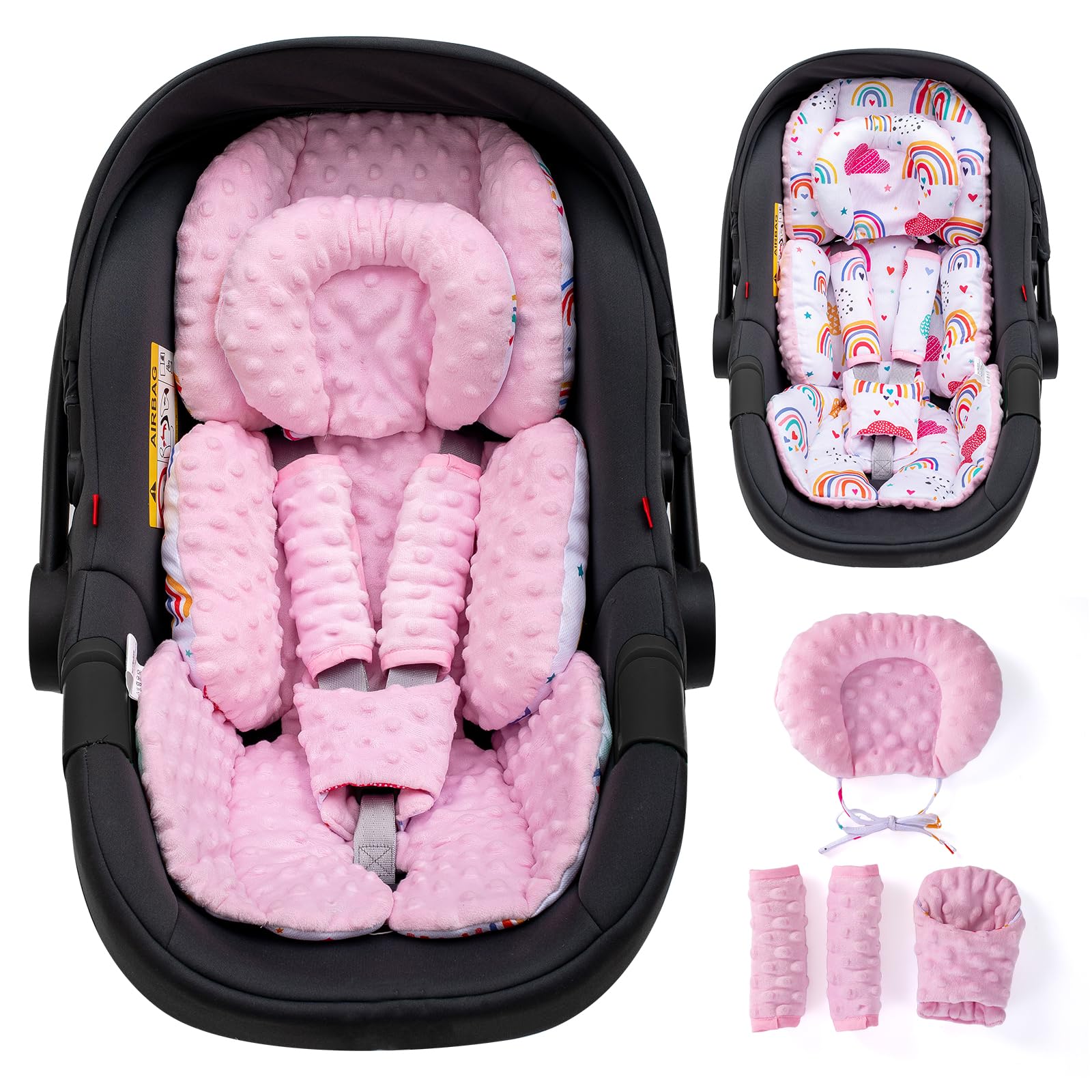
We recommend this for parents who want a soft, supportive insert to keep a newborn snug in car seats and strollers.
Pros
- Soft, breathable material that works in warm and cool weather.
- Thick head and side padding that keeps tiny heads from flopping.
- Fits many seats and is easy to wash.
Cons
- Can feel a bit warm in very hot weather.
- Thin overall padding — not a substitute for a proper car seat.
- Fits tighter seats differently; may need small adjustments.
We used this insert with a newborn and liked how it made the car seat feel more snug. The detachable headrest helped when our baby was very small, and we could remove it as she grew. Installation took less than a minute and the shoulder covers kept straps from rubbing.
The fabric breathed well on spring rides, but on a long summer drive it did trap a little heat. Washing worked fine; the colors stayed true and the material dried quickly. We noticed it fits most carriers we tried, though very narrow seats required fiddling to get the straps aligned.
Overall, this insert improved comfort and kept our baby’s head steady during short trips. It’s a practical, easy-to-clean add-on for newborns, but remember it’s an accessory—not a replacement for proper car seat use.
Buying Guide
We look for safety first. Check for strong side impact protection, a five-point harness, and firm shells that meet current crash-test standards.
We consider fit in our car. Measure back seat width and check vehicle seat belt or LATCH compatibility. Some seats fit better in the center, others at the sides.
We value ease of use. Look for clear installation indicators, simple harness adjustments, and removable, machine-washable covers. These features save time and reduce mistakes.
We pay attention to infant support and comfort. Choose proper newborn inserts, adjustable recline, and breathable fabrics. These help maintain a safe angle and keep baby comfortable.
We watch weight and height limits. Match the seat’s rear-facing limits to our baby’s size and plan for growth. A longer rear-facing rating keeps infants safer for more months.
We inspect installation methods. Decide between LATCH and seat-belt installation and learn both. Also check for a stable base or anti-rebound features to reduce movement.
We note durability and maintenance. Look for easy-to-clean materials, replaceable parts, and clear manuals. This helps keep the seat safe and functional over time.
We compare warranties and customer support. Good warranty terms and clear contact options help if we need repairs or guidance.
Editor’s Choice
We pick the rear center seat as our top choice for infant car seats. It offers the best protection in most crashes because it is farthest from impact zones. This makes it the safest place for young passengers.
We prefer a rear-facing placement whenever possible. Rear-facing supports the baby’s head, neck, and spine better in a crash. Most safety experts and regulations recommend rear-facing for infants.
We recommend using a LATCH system or seat belt following the car seat and vehicle manuals. Proper installation matters more than the exact seat model. A tight, correct fit reduces movement and improves safety.
We value seats with clear installation indicators and easy harness adjustments. These features help caregivers install and secure the infant correctly each time. A bubble level or visible belt path makes a big difference.
Quick checklist:
- Place seat in the rear center if the vehicle allows.
- Use rear-facing mode for infants.
- Follow vehicle and car seat manuals for installation.
- Verify tightness and angle with indicators.
We advise checking your vehicle’s owner manual and the car seat instructions before installation. If in doubt, get a certified technician to inspect the installation. Their help ensures the seat works as intended.
Conclusion
We choose the back seat as the safest spot for infant car seats because it keeps our child away from the impact zone in crashes. We prefer the center seat when it fits properly and the car allows a secure installation.
We always follow the car seat and vehicle manuals. Checking harness fit, angle, and tightness each trip keeps our infant secure.
If the center seat won’t allow a correct install, we use the rear passenger side. That seat often gives better access and a solid anchor point.
We use LATCH when it provides a tighter fit, but we switch to the seat belt if LATCH reach or weight limits make it unsafe. We confirm installations with a local child passenger safety technician when we can.
To stay safe, we never place an infant car seat in the front passenger seat with an active airbag. We also avoid bulky coats or loose blankets under the harness.
Quick checklist:
- Center back seat if it fits securely.
- Rear passenger side if center doesn’t work.
- Follow car seat and vehicle manuals.
- Use LATCH or seat belt correctly.
- Get expert help for verification.
We act deliberately and follow these steps to protect our child on every ride.
FAQS
Where is the safest place for an infant car seat?
We place the car seat in the rear center whenever the vehicle allows a proper installation. The center usually gives the most distance from crash forces on either side.
What if my car doesn’t fit a center seat?
Use one of the rear outboard seats and install the car seat on the side that lets us secure it tightly. Follow the vehicle and car-seat manuals for correct belt or LATCH routing.
Can we put the car seat in the front passenger seat?
We should never put a rear-facing infant seat in the front if an active passenger airbag is present. Airbags can seriously harm infants in a crash.
How do we know the seat is installed correctly?
The base or shell should not move more than one inch side-to-side or front-to-back at the belt path. We also check the recline angle and the harness fit every trip.
What about using LATCH vs. seat belt?
Either can be safe if used correctly, but we avoid using both unless the car seat and vehicle allow it. Check weight limits for LATCH attachment to ensure it’s appropriate.
When can we move the child out of the rear-facing seat?
We keep infants rear-facing as long as they meet the car seat’s height and weight limits. Rear-facing protects the head, neck, and spine best in a crash.
Where can we get help with installation?
Many local fire stations, police departments, and hospitals offer car-seat checks. Certified technicians can inspect and teach proper installation.