
Best Place to Put Car Seat: Safest Positions and Expert Placement Tips

Car seats protect children in crashes and reduce the chance of serious injury, so choosing the right spot in the car matters. Car seats work best when installed where the vehicle and the seat can lock together securely and the child is easy to see and reach. Rear seats are generally safer than the front, and many experts recommend keeping children rear-facing as long as the seat and your child’s size allow.
When picking the best place to put a car seat, check the vehicle’s manual and the car seat’s guide for approved positions and anchor points. Also look for a flat seat base, access to LATCH anchors or a seat belt path, and enough space for rear- or forward-facing installation. We tested common installation locations and focused on safety, ease of installation, and how well the seat fits the vehicle to find the most reliable places to put a car seat.
Best Places to Put a Car Seat
Below is our full list of the best options for where to place a car seat in your vehicle. We focus on safety, ease of installation, and fit so you can choose the spot that works best for your child and car.
Kaiphy Seat Protector

We recommend this if you want a tough, waterproof mat that actually stays between a car seat and your upholstery.
Pros
- Thick padding protects leather and hides dents.
- Waterproof and easy to wipe clean.
- Pockets keep small items handy.
Cons
- Moves a bit when sliding big car seats in and out.
- Not machine washable — needs spot cleaning.
- May not fully cover extra-large car seats.
We put this under our child’s booster and used it during several road trips. The padding felt solid and the leather-reinforced corners looked durable. It kept crumbs and spills off the seats and cut down on indentations from the booster.
Installing took less than a minute; the tabs and nonslip backing mostly held it in place. On busy days, the mat shifted when we slid a heavy seat in and out, so we had to smooth it back down a couple of times.
The three mesh pockets came in handy for wipes and snacks. Cleanup was easy with a damp cloth, though we avoided machine washing per the instructions. Overall, it felt like a reliable, simple fix to protect our car seats.
Meolsaek Seat Protector

We recommend this if you want solid protection for your car seats and less fuss cleaning after using a child car seat.
Pros
- Thick padding protects upholstery and reduces visible seat imprints
- Waterproof fabric is easy to wipe clean after spills
- Non-slip backing and straps help keep the car seat from sliding
Cons
- Adds slight bulk under the car seat, which can change fit feel
- Universal size may not match every vehicle perfectly
- Pockets are handy but shallow for larger toys
We installed this under our toddler’s car seat and noticed an immediate drop in marks on the leather. The padding feels dense but not overly stiff, so the car seat still buckles in well.
Cleaning became simpler. A damp cloth removed crumbs and juice without scrubbing. The black 600D fabric did not show stains after several weeks of use.
The non-slip dots and headrest straps kept the protector from shifting when our kid climbed in and out. It tightened up around the seat base and reduced the rocking we used to feel.
We liked having the small pockets for a few toys and wipes, though larger items won’t fit. Overall, it felt like a practical, no-nonsense upgrade to protect seats and reduce cleaning time.
Smart Elf Seat Protectors
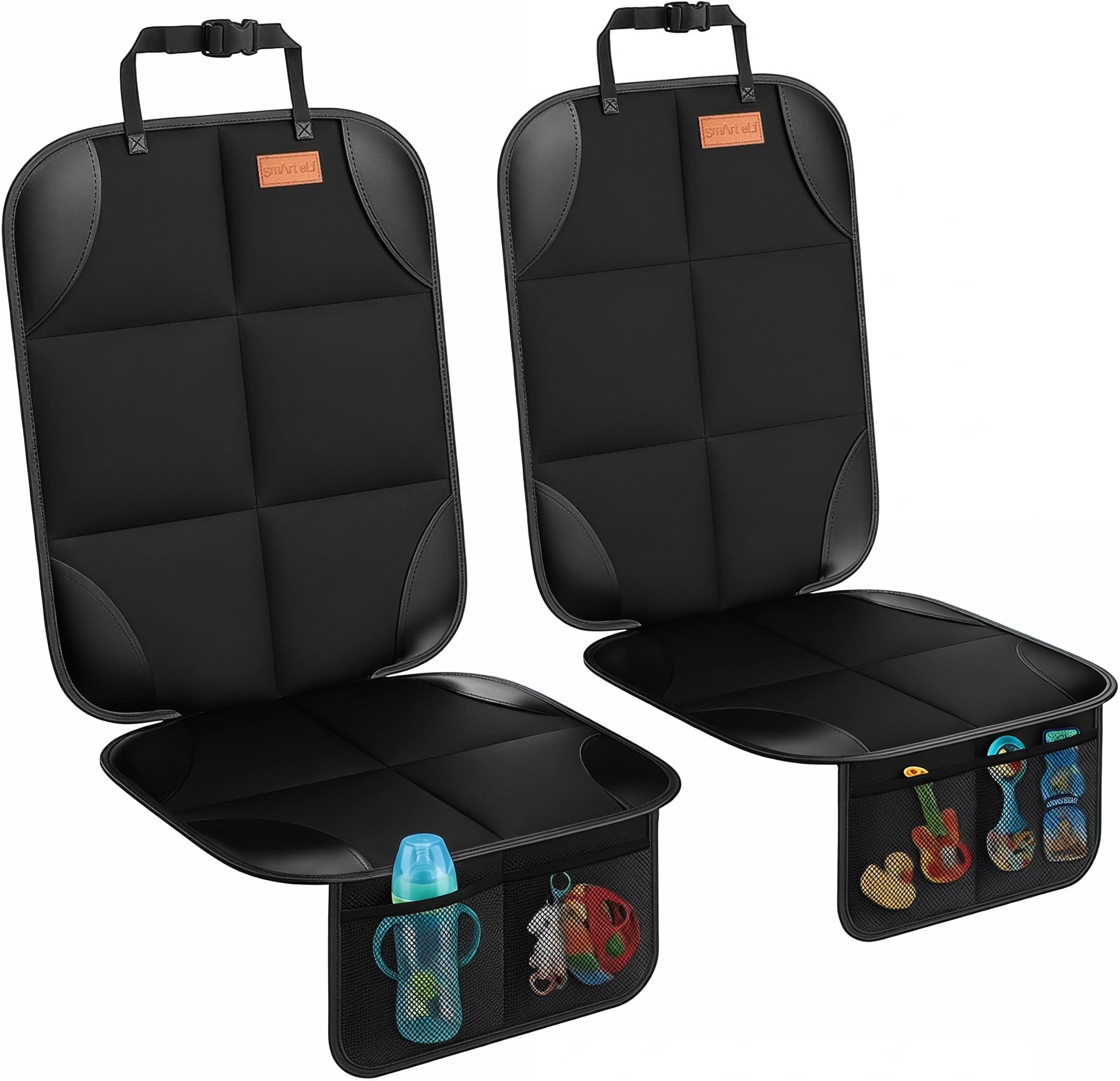
We recommend this if you want simple, heavy-duty seat protection that stays put and is easy to clean.
Pros
- Thick padding so car seats don’t get indents.
- Waterproof surface wipes clean fast.
- Anti-slip backing and straps keep it from sliding.
Cons
- Covers only bottom and lower back, not full-seat wrap.
- Fit can be tight on some bucket seats.
- Pockets are small for larger toys or bottles.
We put these in our SUV and a sedan and noticed the padding feels solid under a child seat. The material did not slip, even with kids climbing in and out, and cleanup was quick after a snack spill.
Installation took a few minutes. We tucked the padded belt into the seat crevice and tightened the straps around the headrest. Once set, the protector stayed in place during normal use.
The fabric handled crumbs, juice, and pet hair without leaving marks on our leather seats. The pockets helped keep small toys handy, though they won’t hold a big sippy cup.
Overall, this two-pack gives good value for families who want protection without fuss. If you need full-seat coverage or big storage pockets, look elsewhere, but for everyday wear and tear this worked well for us.
Siivton Seat Protector

We recommend this if you want strong, no-fuss protection for leather or fabric seats under a child car seat.
Pros
- Thick padding prevents dents and wear.
- Non-slip design keeps a car seat stable.
- Mesh pockets hold small toys or wipes.
Cons
- Pockets are a bit shallow for bulky items.
- Only one-piece, so coverage under some seats can be limited.
- Black shows lint and pet hair easily.
We installed this under our toddler’s car seat and felt the difference right away. The padding is thick and keeps the seat from developing pressure marks. It also feels sturdy when we tighten the car seat straps.
The anti-slip backing, headrest strap, and the tucked tab really help it stay put. We noticed less shifting on bumpy roads compared with a simple mat. ISOFIX cutouts made it easy to fit our anchored car seat without fighting the anchors.
Cleaning proved simple after a messy snack. The surface wiped down fast and the protector still looked good after several washes. The pockets held small toys and wipes but struggled with larger bottles.
Overall, it gave our seats solid protection and made installing the car seat easier, though the one-piece shape isn’t perfect for every vehicle layout. If you want reliable, easy-to-use protection, this is worth trying.
Funbliss Seat Protector
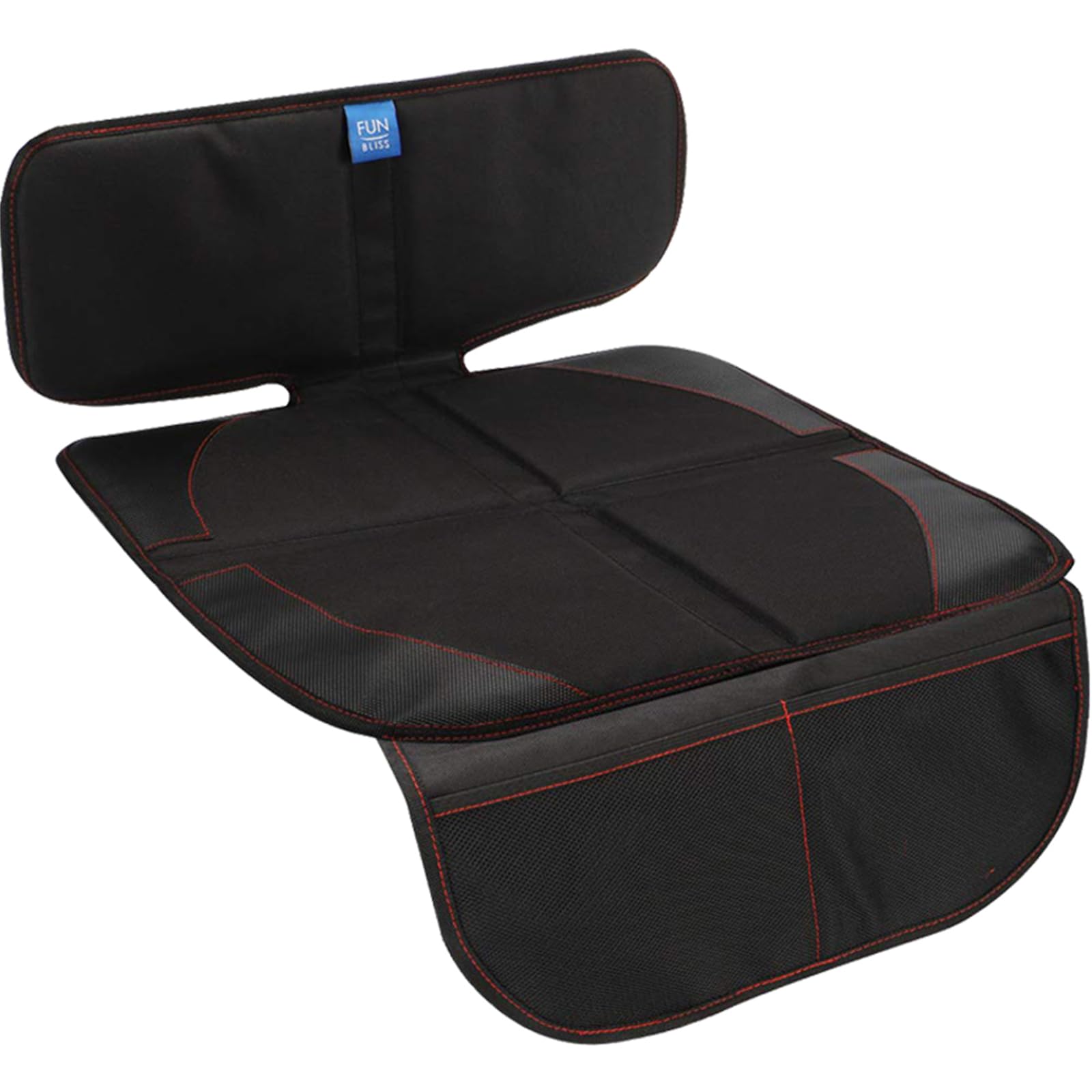
We recommend this if you want solid protection for leather or fabric seats and easy cleanup.
Pros
- Thick padding protects upholstery from indentations and scratches.
- Waterproof surface wipes clean fast after spills.
- Keeps car seat stable with non-slip backing and attachment tabs.
Cons
- Front storage pockets are small for larger toys.
- Fits some seats better than others; check seat shape first.
- Very thick padding can slightly raise the car seat profile.
We tested this under an infant carrier and a toddler seat and found the padding actually made loading the seat easier. The protector stayed put through short trips and the non-slip backing felt secure when we buckled the child in.
Cleanup proved quick — crumbs and spills wiped right off the Oxford fabric. We liked the reinforced PVC corners; after a week of use the protector still looked new and showed no edge wear.
Installing took under five minutes once we fed straps through the slots. The pockets gave us a place for a small snack and pacifier, though we wished they held more. Overall, it handled daily use and protected our leather seats without fuss.
ISOFIX Strap Pads (Generic)
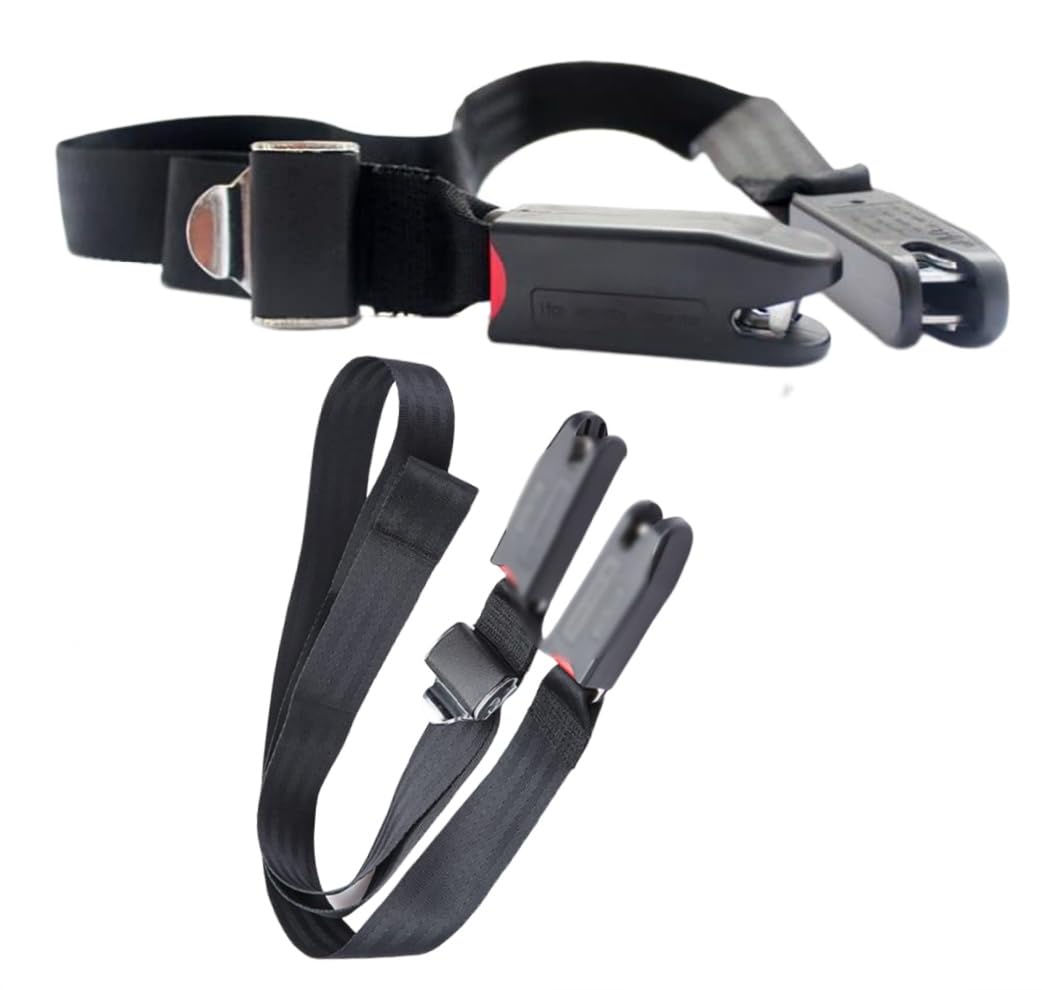
We recommend this if you want a simple, sturdy ISOFIX strap solution that made installing our car seat quicker and more secure.
Pros
- Feels very solid and adds extra stability.
- Easy one-handed snap and release for quick installs.
- Fits most cars and seats thanks to a long, adjustable length.
Cons
- Strap can be longer than needed and needs tightening.
- A bit pricier than basic replacement straps.
- Covers add bulk that might not suit all seat setups.
We clipped these on to replace worn straps and to give the booster a firmer anchor. The snap locks with a satisfying click and stayed put during normal driving.
The padding feels dense and strong, not flimsy. We liked the extra grip and how it reduced seat movement compared with using just a seat belt.
Installation took less than five minutes once we figured the routing. Adjusting the length was easy, but we did have to tuck extra strap away to keep it neat.
Overall, the product gives clear safety benefits and makes swapping car seats faster. It’s not perfect for every car, but for our family it was worth the cost for the peace of mind.
AEROiVi Mesh Seat Cushion

We recommend this cushion if you want a breathable, low-profile pad that adds a little height and keeps seats cooler on everyday drives.
Pros
- Breathable mesh keeps air moving and cuts sweat on warm days.
- Slim 1.2″ thickness adds height without feeling bulky.
- Grippy silicone bottom stops slipping during drives.
Cons
- Strong new-product smell for the first few days.
- Not enough padding for those needing thick cushioning.
- May shift or get lumpy if left bunched or washed frequently.
We used this cushion on a few different cars and an office chair. It really breathes better than leather or plain foam covers. On 20–28°C rides it reduced that sticky feeling and made long trips less sweaty.
The thin 1.2-inch profile gave us a nicer line of sight without making the seat feel high. It also protected leather from scuffs and fit most standard seats we tried, including a compact SUV and a truck bench that was starting to sag.
We noticed the smell right away; airing it out for a few days helped but it was still strong in the heat. The non-slip bottom worked well, though the pad moved if someone dragged it or sat down unevenly; letting it sit flat before use reduced lumping.
Overall, the AEROiVi pad feels like a practical daily fix: breathable, modest lift, and easy to clean. If you want big memory foam support, this is not it, but for cooler comfort and a neat fit, it does the job.
Zpana Gel Cushion
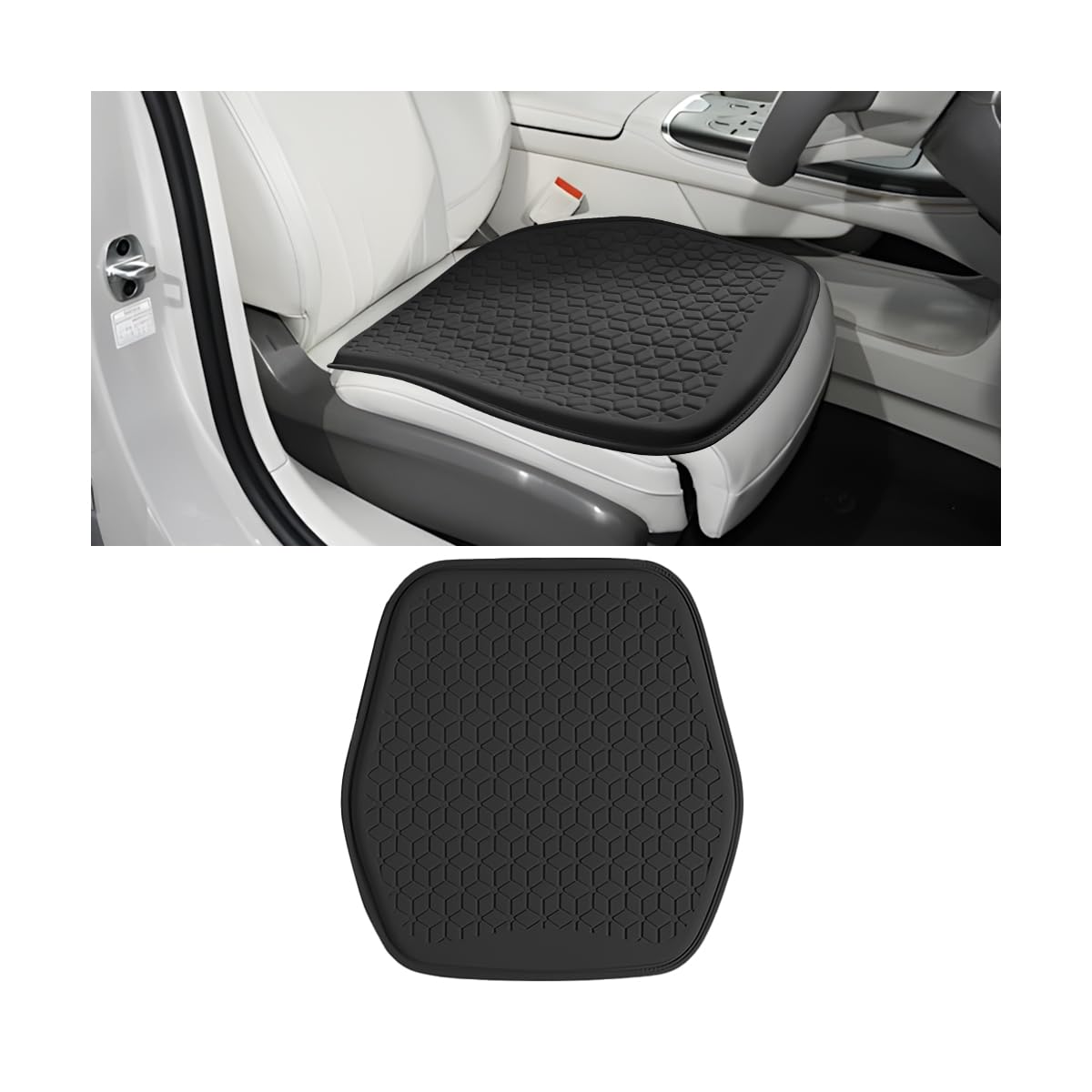
We recommend this if you want a cool, thin pad that adds comfort without changing your seat shape.
Pros
- Feels cool and breathable on hot days
- Thin, low profile so seat shape stays the same
- Easy to install and stays put with straps
Cons
- Not very thick for long-term lumbar support
- Cooling works best when the cushion starts cool
- Some users report slipping on smooth seats
We used this on weekday commutes and a long highway trip. The gel layer moved heat away and the honeycomb fabric let air flow, so the seat felt less hot quickly. It never added bulk, which we liked for tight car bolsters.
Installation took under a minute. We laid the pad, tightened the straps, and it stayed put during turns. The surface felt soft and durable, and rough handling didn’t crush the cushion.
On longer drives the thin profile meant less pressure relief than a thick memory foam pad. The cooling is noticeable at first, but it warms with body heat. For a light, breezy upgrade that protects seats and cools in summer, this works well.
Seat Belt Buckle Booster — 2-Pack

We recommend this small buckle booster if you want rear seat buckles to sit up so kids and adults can click in faster.
Pros
- Raises buried buckles so they are easier to reach.
- Soft, BPA-free material that won’t scratch seats.
- Helps kids buckle themselves and speeds up carpool lines.
Cons
- Fits only non-recessed rear buckles — measure first.
- Can slide on the belt and need occasional adjustment.
- Installation can be a bit tight and fiddly at first.
We tried these boosters on different cars and they made buckling less annoying. The bright color helped us spot the buckle fast during school runs.
Putting one on took a minute once we figured the right angle. It felt secure but sometimes slid when a child buckled without holding it, so we had to reposition it.
For families with limited reach, mobility issues, or multiple booster seats, this simple tool cut our buckling time and stress. Measure your vehicle’s buckle and expect to tweak placement after the first few uses.
Suninbox Linen Seat Cover (Front)

We recommend this if you want a simple, breathable front-seat cover that stays put and works in all seasons.
Pros
- Breathable linen keeps us cool in summer and warm in winter.
- Non-slip backing holds the cover steady on long drives.
- Machine washable and easy to remove.
Cons
- Edges can curl up after heavy use.
- Fits only the front seat, not a full set.
- Basic protection—won’t hide major seat damage.
We put this Suninbox cover on our daily driver and used it through a hot spell and a chilly morning. It stayed comfortable on long drives and did not trap sweat like leather can. The linen feel is softer than plastic or faux leather.
Installation was quick and the silicone-grip back really helped it stay in place while we got in and out. The small storage pocket was handy for a phone or parking pass. After several washes it still looked good.
The cover won’t replace full upholstery or protect against big spills, and the edge roll can be annoying if you’re picky about looks. Still, for a single front seat that needs year-round comfort and easy cleaning, this is a solid, practical choice.
Buying Guide
We look for safety first. Check for seats that meet current crash-test and safety standards. Labels or manuals should state those approvals.
We compare installation methods. LATCH anchors and seat belt compatibility matter. Pick a seat that fits our vehicle and is easy to install correctly.
We check fit for age and size. Seats come as rear-facing, forward-facing, or boosters. Choose one that matches our child’s weight, height, and development.
We value clear instructions and easy adjustment. Simple harness tightening, clear recline indicators, and accessible buckles help reduce mistakes. Manuals and on-seat labels should be easy to read.
We consider comfort and materials. Breathable fabric and good padding keep our child comfortable on longer rides. Removable, washable covers make cleaning easier.
We look at longevity and adaptability. Adjustable headrests, multiple recline positions, and high weight limits can extend a seat’s usable life. This helps us get more value.
We inspect installation aids and extras. Built-in lock-offs, rebound bars, and anti-rebound features can improve stability. Tethers and clear belt paths reduce installation errors.
We weigh size and vehicle space. Measure our back seat and test the seat in our car when possible. Two seats side-by-side or rear vs. center placement may affect fit.
We check warranty and support. A good warranty and responsive customer help matter if we need parts or guidance. Keep records and registration for recalls.
Editor’s Choice
We pick the rear center seat as our top choice for most car seats. It sits farthest from impact zones on both sides and gives the best balance of protection and visibility for rear-facing and forward-facing seats.
We prefer a model with a rigid LATCH or a tight belt path. These features make installation easier and reduce movement. If the car’s center has a lap-only belt, we recommend using a well-installed outboard seat instead.
We look for a car seat with low profile and clear belt routing marks. That helps with tight middle seats and boosts stability. A built-in lock-off or load leg adds security when available.
Key picks include:
- Rear center — Best safety position when installation allows.
- Rear outboard — Use if center lacks proper belt or anchor.
- Passenger front — Only if rear seats are unusable and airbags can be disabled.
We advise testing installation before every trip. A seat that moves more than an inch at the belt path needs adjustment. Visit a certified technician if you’re unsure.
Conclusion
We place the car seat where it gives the child the most protection and the least risk. Rear center is often safest when it fits correctly, but a rear side can be fine if center is not possible.
We check the vehicle manual and the car seat instructions every time. Proper installation, tight attachments, and correct harness height matter more than exact placement.
We balance safety with practicality. If multiple children ride, we use seating that keeps each seat secure and spaced so straps don’t tangle.
We inspect the seat after installation and on regular trips. We look for movement over one inch, correct recline angle, and snug harnesses before driving.
We keep children rear-facing as long as the seat and child allow. When forward-facing, we use a top tether and follow height and weight limits.
We use simple checks: Does the seat lock tightly? Is the harness snug? Is the tether used when required? These steps help reduce risk and keep our kids safer on the road.
FAQS
Where is the safest place for a car seat?
We recommend the rear middle seat when possible. It is usually the farthest from impact points and gives the best protection.
Can we put a car seat in the front seat?
We should avoid the front unless the vehicle has no rear seats. If an airbag is active, never place a rear-facing seat there.
Is the rear-facing position always better?
Yes for infants and toddlers under the height or weight limit of the seat. Rear-facing supports the head, neck, and spine in a crash.
How tightly should we install the seat?
The seat should not move more than 1 inch side-to-side or front-to-back at the belt path. We should use the vehicle belt or LATCH and lock it firmly.
When can our child move to a forward-facing seat?
Move only after they exceed the rear-facing height or weight limit on the car seat label. We should also follow state laws and the seat manufacturer’s guidance.
How do we check harness fit?
The harness should lie flat and snug. We should use the pinch test: if we can pinch excess webbing at the shoulder, it is too loose.
Where can we get help with installation?
Many fire stations, hospitals, and police departments offer checks. Certified Child Passenger Safety Technicians can inspect and show proper use.
