
Best Place for Infant Car Seat in Car: Rear Middle Seat Is Safest Option

Infant car seats protect babies on every trip, from quick errands to long drives. They come in rear-facing only, convertible, and all-in-one designs, each made for different ages, weights, and car types. We focus on what keeps infants safest and what makes seats easy for parents to use day to day.
The biggest things to watch for are correct fit in your vehicle, proper installation, and meeting current safety standards. A correctly installed rear-facing seat that fits your car and your baby is the single most important factor for safety. We tested seats and installation methods to find options that balance protection, fit, and ease of use so readers can choose what works for their family.
Best Places for an Infant Car Seat in Your Car
We tested common seating positions and safety features to find the best places for an infant car seat. Below is our list of top options with reasons why each spot may work best for different cars and family needs.
Ellaris 3-in-1 Convertible

We recommend this seat if you want a travel-friendly, slim convertible that grows with your child.
Pros
- Slim design saves space in tight back seats.
- Easy hook-style LATCH makes installation quick.
- Machine-washable pad and removable cup holders simplify cleaning.
Cons
- Straps can be hard to tighten snugly at the top.
- Some older cars may feel cramped despite the slim profile.
- Lightweight build can feel less solid when moving seat between vehicles.
We put this seat in a few cars and liked how it fit without crowding the next passenger. Buckling and raising the 5-position headrest felt intuitive, so adjusting for a growing child was fast.
Installing with the hook-style LATCH cut our setup time. On a plane it was simple to carry and place in a window seat, and the dual cup holders were handy during longer trips.
We noticed the harness required extra effort to get very tight near the shoulders. Moving the seat between cars felt easy because it’s light, but it also felt a bit less heavy-duty than some pricier models.
Graco SnugRide Lite LX

We recommend this seat if you want a lightweight, easy-to-carry infant car seat that installs simply and feels secure.
Pros
- Very light and easy to carry between car and stroller.
- Base with level indicator makes installation less stressful.
- Feels secure in the car and snaps into Graco strollers easily.
Cons
- Head insert is thinner than we expected for newborns.
- Canopy is large but sometimes awkward to position.
- Some parents may want more padding for longer rides.
We used the SnugRide Lite LX with a newborn and found the 7.2 lb shell makes getting baby in and out quick and painless. Carrying the seat across a parking lot is far easier than heavier models.
Installing the base felt straightforward. The level indicator and four-position base cut down the guesswork. LATCH and seat belt installs both worked well in our cars.
In daily use the fit felt snug and secure. The knit liners hug small infants, but we wished the head support was thicker for naps in the car. The canopy blocks sun well but can flop when adjusting in tight spaces.
Overall, this is a practical pick for parents who value light weight and easy installs. We liked the travel-system hookup and the confidence from the ProtectPlus testing, though heavy cushioning fans might look elsewhere.
Baby Trend EZ-Lift Pro

We recommend this seat if you want a lightweight, easy-carry infant carrier that installs solidly and feels comfy for everyday use.
Pros
- Very light and easy to carry on short trips.
- Padded inserts keep newborns snug and comfortable.
- Simple latch base with bubble level for easier installs.
Cons
- Handle can press awkwardly against your arm on long carries.
- Fabric shows dirt more than darker options.
- Not the roomiest if your baby grows tall quickly.
We used this seat for daily drives and quick errands. The weight lets us lift it with one hand while juggling a diaper bag. Putting baby in felt cozy thanks to the soft head and bottom inserts.
Installation with the included base was straightforward. The flip-foot recline and bubble level helped us get a good angle without guessing. LATCH attachment held tight and the smooth bottom protected our car upholstery when moving the carrier in and out.
Straps adjusted easily as our infant grew and the no-twist indicators saved time when buckling. The canopy with visor blocked sun well on sunny days. On the downside, the handle sometimes dug into our forearm on longer walks and the light fabric picked up stains faster than we liked.
Overall, this seat blends portability, comfort, and sensible safety features in a package that works well for everyday parents who move baby between car, stroller, and home.
Cover Me 4‑in‑1 Convertible Car Seat — Baby Trend
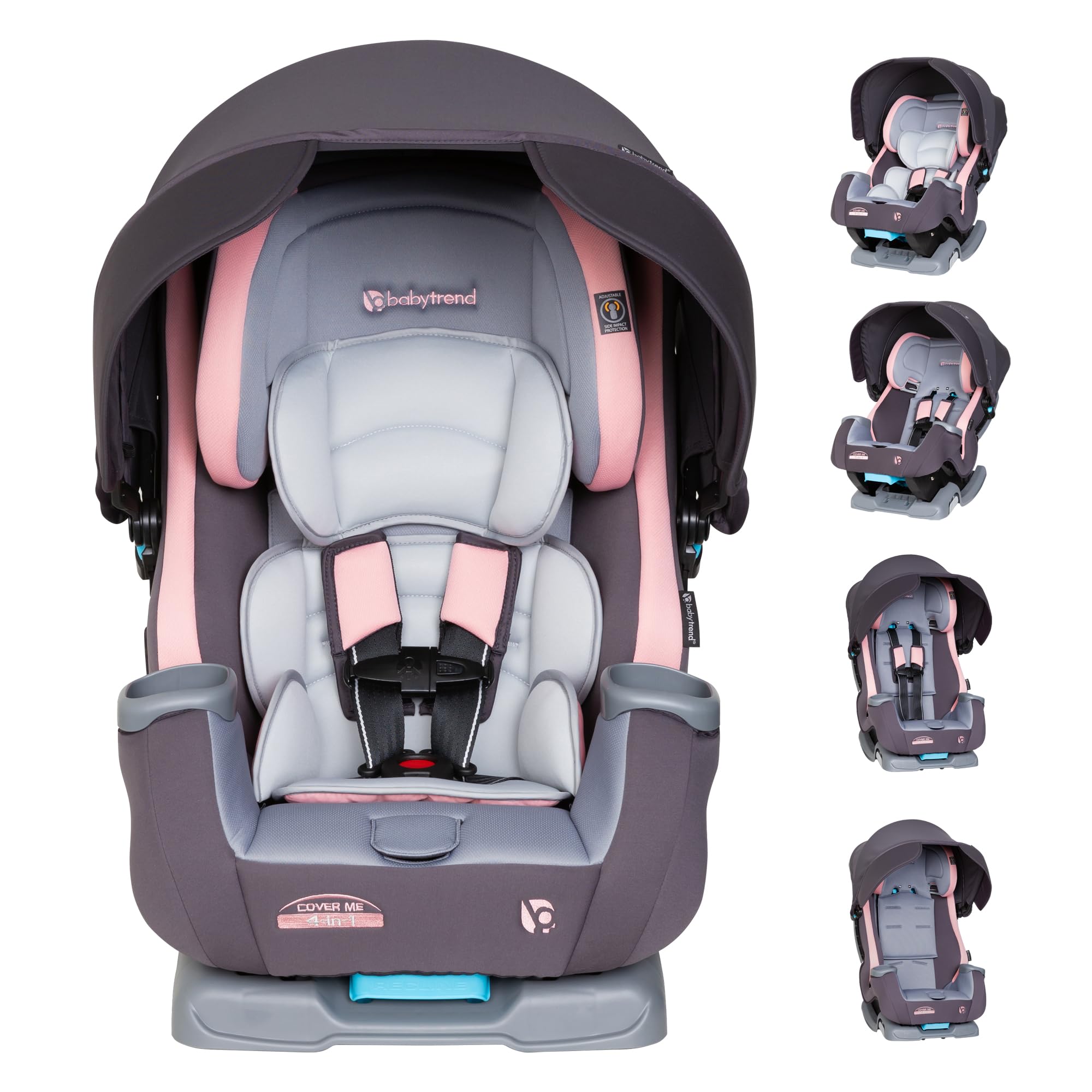
We recommend this seat if you want strong sun protection and easy adjustments for growing children.
Pros
- Built-in UPF 50+ canopy keeps sunlight off a sleeping child.
- No‑rethread headrest and simple recline make changes fast.
- Padded Comfort Cabin feels cozy on long rides.
Cons
- Canopy track adds bulk; may limit side visibility.
- Not as much rear‑facing room as some infant‑only seats.
- Recline could tilt farther back for deep sleepers.
We used this seat during weeklong trips and liked how the canopy shaded our baby whether the sun moved or the car turned. Adjusting the headrest felt quick and smooth so we could change positions without wrestling the harness.
The padding really helped on longer drives; our child napped more and didn’t slump as much when we set a proper recline. Cup holders kept sippy cups handy, which made short errands smoother.
Installation was straightforward and the three recline settings gave us enough options to fit different cars. We noticed the seat is a bit wide at full size, so measure if you plan to fit three across.
COOLBEBE 2‑in‑1 Infant Car Seat Insert
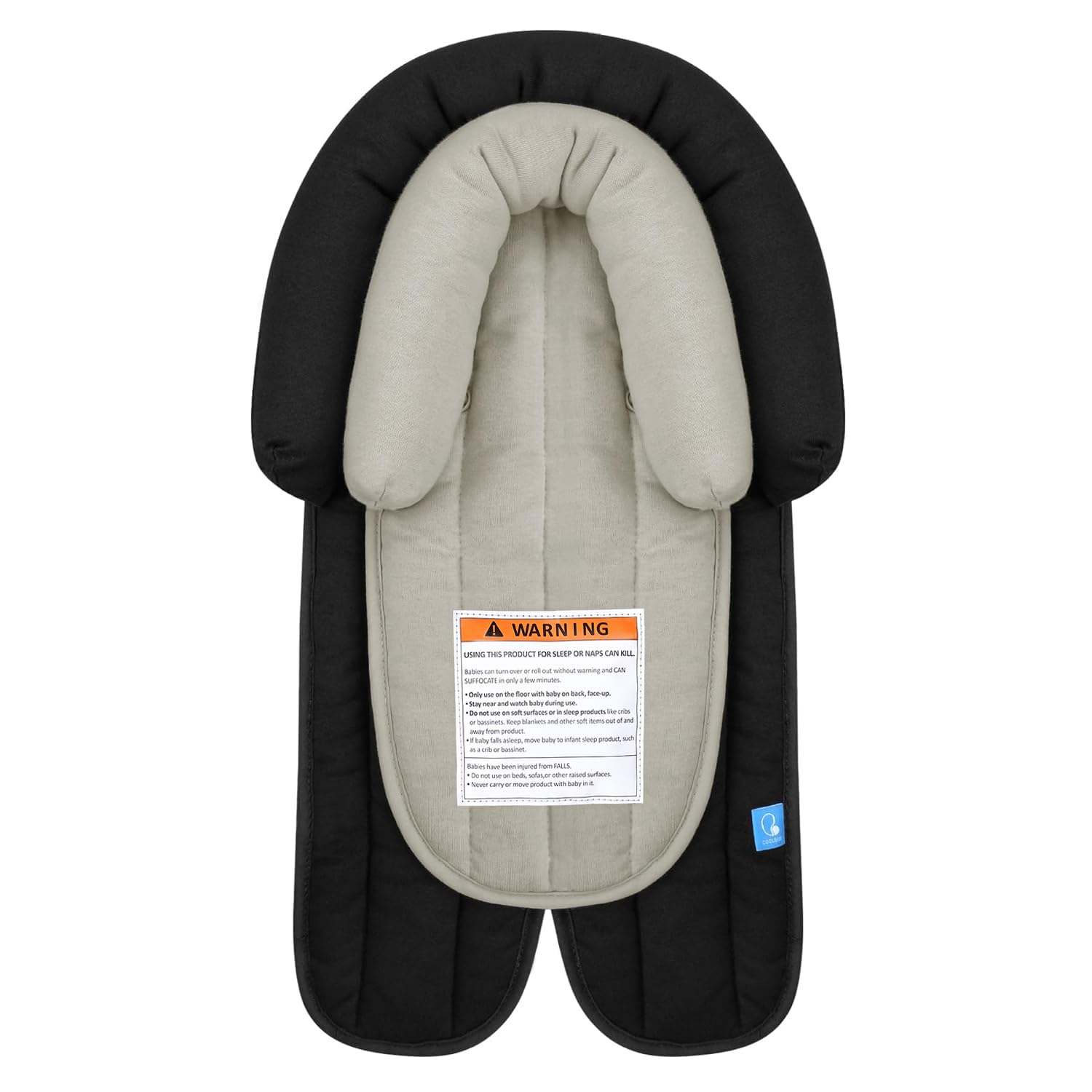
We recommend this insert for newborns who need extra head and body support because it’s soft, adjustable, and easy to wash.
Pros
- Very soft, breathable cotton feels gentle against newborn skin.
- Two-piece design grows with baby—use both for newborns, remove inner pad as they get bigger.
- Lightweight and simple to install in standard car seats and strollers.
Cons
- Picks up lint and hair more than we expected.
- Not firm enough for parents who want very structured support.
- Fit can vary by seat—measure first to be sure.
We used this in our infant seat for several drives and liked how the extra padding cradled our newborn’s head. The cotton is soft and seems cool in warm weather, and the reversible layers gave us options when our baby grew a bit.
Installation took less than a minute. We slipped the liner behind the harness and adjusted the inner cushion; the baby settled in faster than usual and looked comfortable on short trips.
Cleaning proved easy—machine wash on cool worked fine. After a few washes it kept shape, though it did trap some pet hair, so we used a lint roller before outings.
Overall, this felt like a practical add‑on for early months when babies need more padding and a snug fit in common carriers.
Pro Goleem Infant Head Support
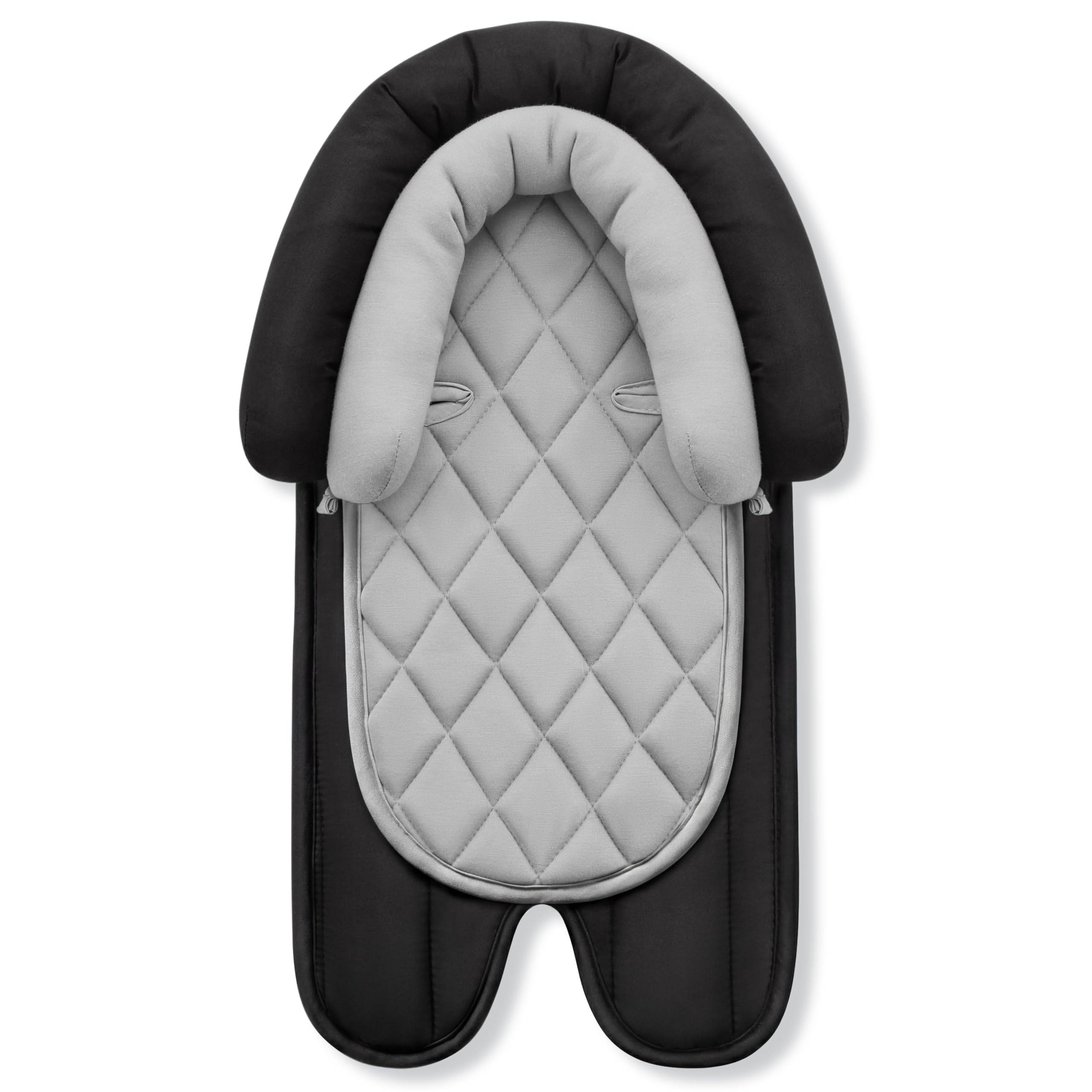
We recommend this if you want soft, reliable head and neck support for a newborn through about 12 months.
Pros
- Soft, padded fabric that felt gentle against our baby’s head.
- Two-piece design fits smaller newborns and then larger infants as they grow.
- Easy to snap into place and works with most harness systems.
Cons
- Adds a bit of warmth; baby can feel hotter on warm days.
- Not a substitute for proper harness adjustment or a correctly installed car seat.
- Sizing may still need checking with some bulky car seat covers.
We used this insert on our infant’s car seat and noticed immediate improvement in head stability on short drives. The padding cradled their head and kept it from flopping when they dozed, which made trips quieter and less worrisome.
Installation was quick. The plastic snaps held the pieces where we wanted them and the reinforced openings lined up with our harness. Switching between the smaller and larger piece was simple as the baby grew.
The fabric felt plush but did trap some heat during longer rides in warm weather. We made sure to check straps and fit each time because the insert shifts if not secured tightly. Overall, this gave us a safer-feeling ride for early months.
BOMOLOUR Infant Insert (Pink)
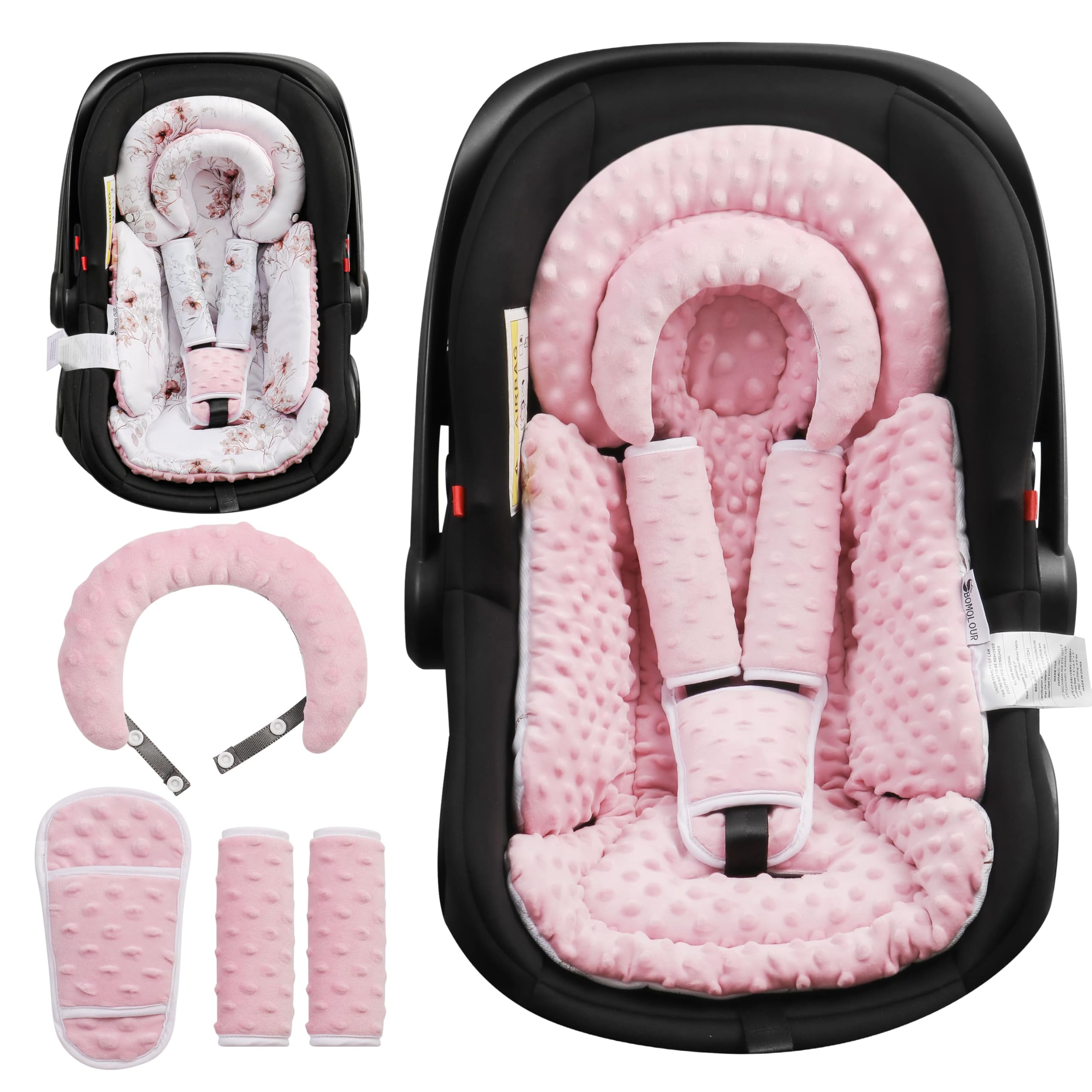
We recommend this if you want soft, adjustable head and body support that fits most infant seats and strollers.
Pros
- Very soft, reversible fabric for warm or cool weather.
- Thick padding holds tiny heads steady and stays comfy on longer rides.
- Universal fit works with many brands so you don’t need multiple inserts.
Cons
- No written instructions — setup can be confusing at first.
- Padding can take up space in already-tight car seats.
- Pink print may not match every stroller or seat style.
We tested this insert in a Graco infant seat and a stroller. The crescent head cushion really helped stop our newborn’s head from lolling on short drives. The reversible Minky and mesh surfaces meant we switched sides fast depending on the weather.
Strap covers and the buckle pad feel cushioned and kept the harness from digging into our baby’s shoulders during naps. Putting the covers in place took a few tries before they sat snugly, so expect a little fidgeting the first time.
Cleaning was easy — we tossed it on a gentle wash and air dried. After several trips it still looked and felt soft, though you should check fit in your exact car seat to make sure the padding doesn’t lift the harness too much.
Innokids Support Pillow (Grey)

We recommend this if you need extra head and body support for a newborn in a car seat or stroller because it fits snugly and feels well padded.
Pros
- Adds good head and neck support for very small babies.
- Thick, soft padding that feels like it cradles the baby.
- Easy to install and machine washable.
Cons
- Not for use as a substitute for proper car seat restraint; remove during travel if your seat manual says so.
- May be bulky in smaller car seats or once baby grows.
- Some color and thickness variations reported by buyers.
We tested this insert with a few infant carriers and it made a noticeable difference for tiny babies. The padding hugged the sides and stopped heads from flopping sideways during short rides.
Putting it in our Graco- and Nuna-style seats was quick; the fabric slid into the harness slots without fighting straps. The cover felt soft and washed up well on a quick cycle.
On the downside, the piece added bulk that made one compact travel seat feel tighter. We also found the shade a bit lighter than pictured. Overall, it works best for the first months when babies need extra shaping and comfort.
Shynerk Baby Mirror
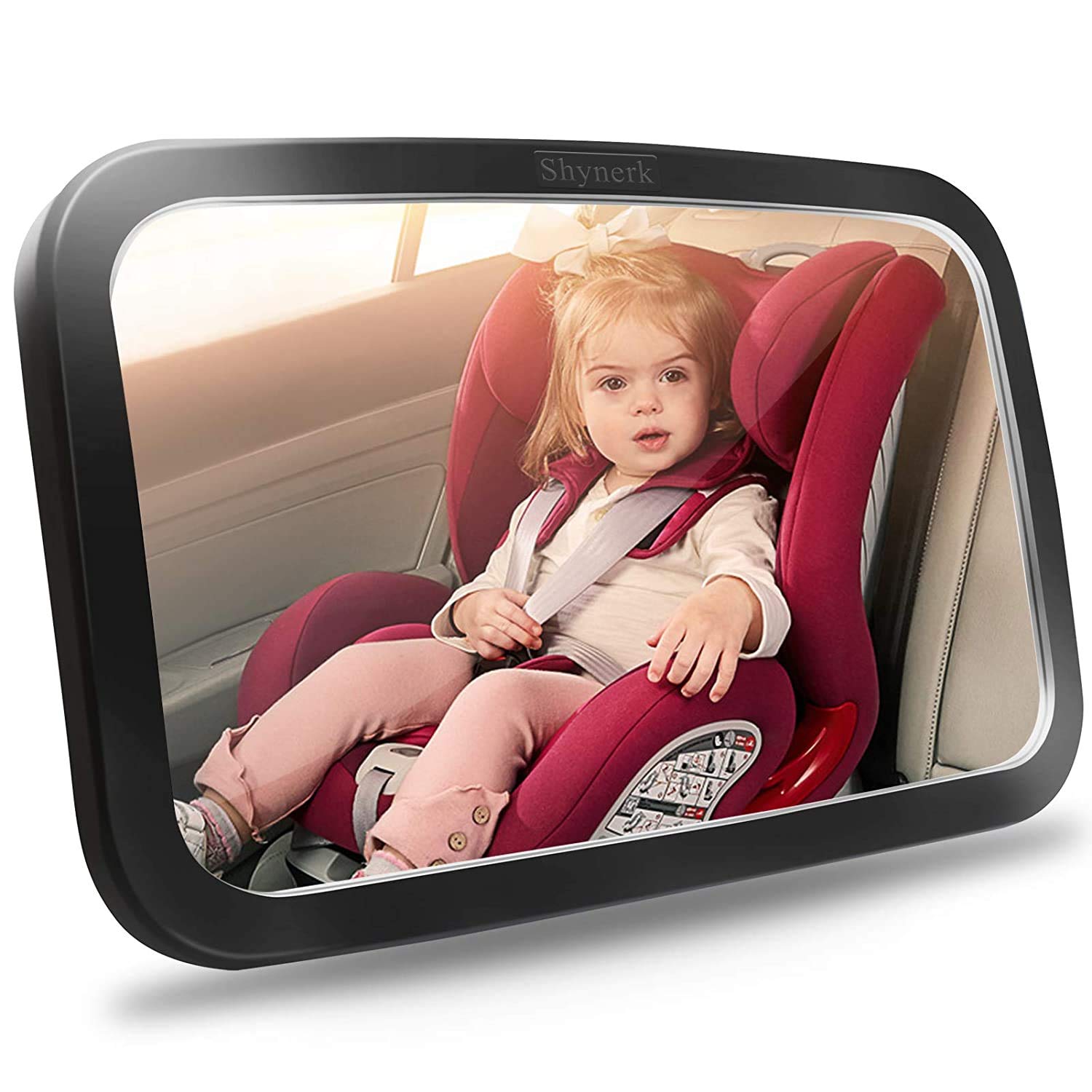
We recommend this mirror if you want a big, clear view of a rear-facing infant with a simple install and solid build.
Pros
- Very clear, wide reflection so we can see our baby easily.
- Strong straps and shatterproof plastic that feel secure.
- 360° swivel and simple headrest mount for fast angle changes.
Cons
- Takes a little fiddling to tighten perfectly and stop occasional movement.
- Requires a headrest — not usable in seats without one.
- Mirror can need occasional readjusting on bumpy roads.
We used this mirror for several drives with our newborn and found the view excellent. The convex surface gives a broad picture, so we can spot movement and facial details without leaning back.
Installation felt straightforward once we figured out the strap routing. The straps are heavy duty and hold well, though we had to re-tighten them a couple times after a week of use to eliminate wobble.
Adjusting the angle is easy thanks to the pivot bracket; we swapped between landscape and portrait during one trip to get the best framing. The shatterproof material gave us peace of mind, and the mirror blends into most interiors.
Overall, this mirror worked well for us on daily drives and longer trips. It’s a practical, budget-friendly option when you want constant eyes on a rear-facing infant without turning around.
Graco Extend2Fit
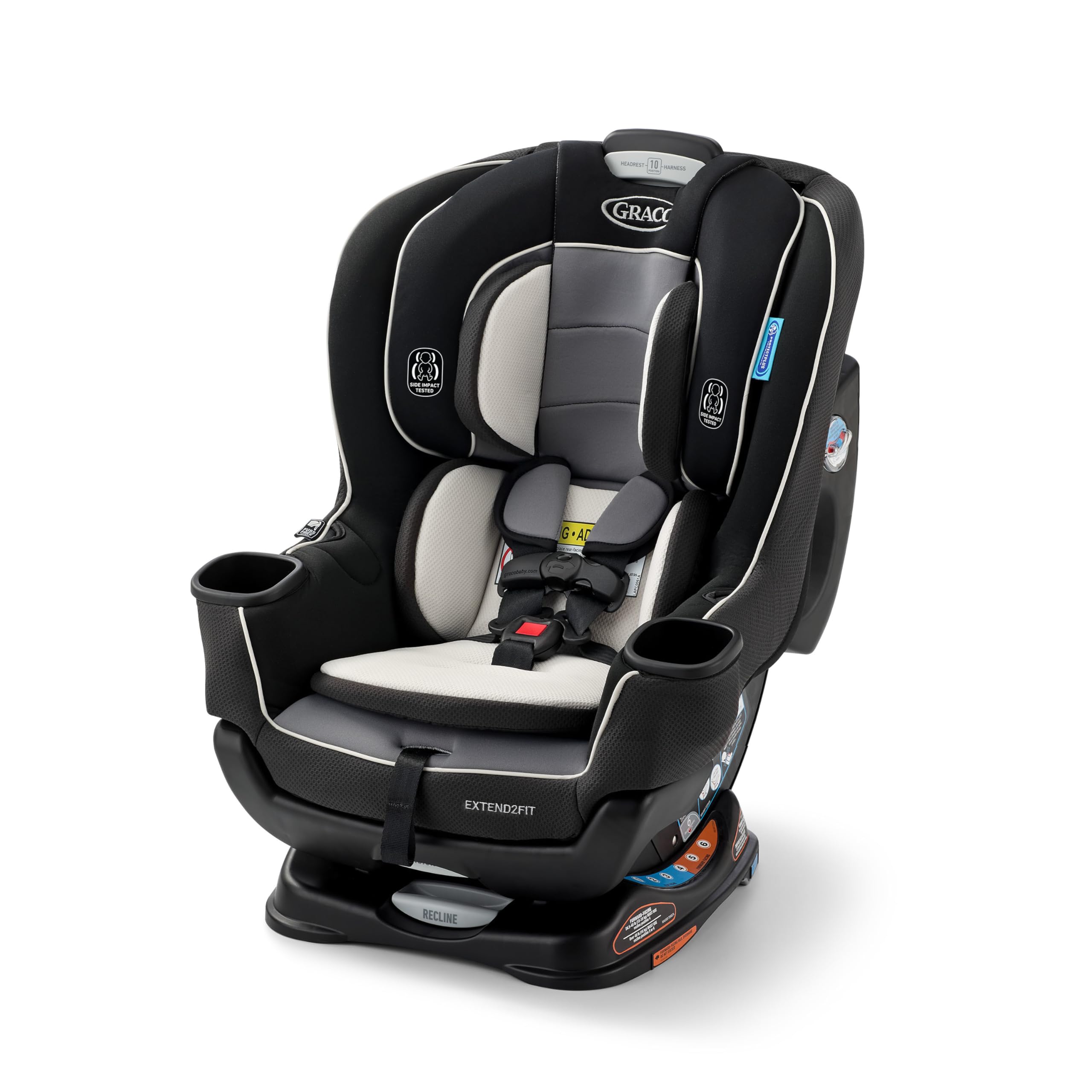
We recommend this seat if you want extra rear-facing legroom and a simple, safe harness system.
Pros
- Lets kids ride rear-facing longer with an adjustable extension panel.
- One-motion headrest and harness adjustment makes changes quick.
- Feels sturdy and comfortable on long drives.
Cons
- Bulkier than some infant-only carriers, so it can take more space.
- Heavier to move between cars at about 19 pounds.
- Forward-facing transition still requires more room in smaller vehicles.
We used the Extend2Fit as our primary convertible seat for a year and found it very practical. The extension panel adds real legroom — our toddler settled in longer trips without fuss. Installing with the InRight LATCH was fast and held tight every time.
Adjusting the harness with the No-Rethread system saved us time during growth spurts. The padding is soft and the build feels solid, which helped our kids nap comfortably. Cup holders are handy and stayed in place through multiple rides.
Tight cars showed the seat’s bulk more than we expected. Moving it between vehicles felt heavy, so we left it in the main family car. Still, the extended rear-facing range and ease of use made it a reliable choice for growing children.
Buy link: Graco Extend2Fit Convertible Car Seat
Buying Guide
We look for seats that fit our car and our baby. Measure back seat width and check vehicle manual for airbag and seating rules. A snug fit matters more than extra features.
We prioritize safety features first. Look for a strong harness, energy-absorbing foam, and a solid shell. Check for clear installation indicators and easy-to-read labels.
We want seats that are easy to install and adjust. Short latch straps, clear belt paths, and a visible level indicator help. Removable covers that machine-wash make cleaning simpler.
We consider size and weight limits next. Choose a seat that supports rear-facing for as long as possible. Check height and weight ranges so the seat lasts through growth stages.
We value comfort and convenience features too. Padded inserts, breathable fabrics, and adjustable recline improve rides. Removable infant inserts and a lightweight carrier help with transfers.
We compare ease-of-use ratings and instructions. Seats with clear manuals and online installation videos reduce errors. We test-install when possible or have a certified technician check our work.
We use a short checklist before buying:
- Confirm vehicle compatibility and back-seat fit.
- Verify safety features and clear labels.
- Check installation method and indicators.
- Match size limits to our child’s current and near-future needs.
- Assess cleaning, comfort, and carry options.
Editor’s Choice
We pick the rear center seat as our top option for most infants. It gives the best protection in crashes because it sits farthest from impact zones and keeps the car seat away from doors.
We prefer a rear-facing infant seat with a strong base and clear belt or LATCH guides. That setup makes installation easier and reduces the chance of incorrect fits.
We also value easy access for caregivers. If the center seat has poor fit or belt geometry, the rear passenger side can be safer and more practical. Check your vehicle manual and try installing the seat in both positions before deciding.
Key points we recommend checking:
- Center seat: best crash protection when it fits properly.
- Rear passenger side: better access if center fit is poor.
- Installation: use either LATCH or seat belt, not both unless the car seat allows it.
- Rear-facing: keep infants rear-facing as long as possible per the seat limit.
We suggest testing the car seat position with your infant or a weighted doll. That helps confirm the belt path, recline angle, and caregiver reach.
Conclusion
We recommend the rear center seat as the safest spot for most infants when it fits correctly. It gives the best distance from impact zones and usually lowers injury risk compared with side seats.
When the center won’t work, the rear passenger side is our next choice. That position makes it easier for us to load and watch the child from the curb side in many countries.
We must always install the car seat tightly with either the vehicle seat belt or LATCH/ISOFIX. The seat should move less than an inch at the belt path. If we cannot achieve that, we should try another position or consult a technician.
We check the car seat angle, harness fit, and expiration date each trip. We read both the car seat and vehicle manuals to match limits and anchors exactly.
If we carry infants between cars or use rideshares, we consider a simpler base or a travel system to keep installation reliable. Regular inspections by a certified technician help keep us confident in our setup.
Quick checklist:
- Rear center preferred when possible
- Rear passenger side if center is not feasible
- Tight installation (≤1 inch at belt path)
- Read both manuals and check angles/harnesses
- Get a certified tech inspection if unsure
We follow these steps to keep infants safer and make every trip more secure and predictable.
FAQS
Where is the safest spot for an infant car seat?
We place the infant seat in the rear middle when the vehicle allows. It keeps the baby farthest from any impact and from side airbags.
What if my car does not have a center seat or LATCH there?
We use a rear side seat instead, preferably the passenger side if we often load from sidewalks. We follow the car and seat manuals for correct installation.
Can we put the infant seat in the front seat?
We never put a rear-facing infant seat in the front if an active passenger airbag exists. Airbags can cause serious injury in a crash.
How do we know the seat is installed correctly?
We check for tightness: the seat should not move more than one inch at the belt path. We also confirm the recline angle and harness fit every trip.
Do we need professional help to install the seat?
We recommend a certified technician if we are unsure. Many fire stations, police departments, and hospitals offer free checks.
When should we move the child to a different seat position?
We change position only when the child outgrows the infant seat or when the vehicle or seat manual allows. We follow height and weight limits, not a set age.