Best on Road All Terrain Tire
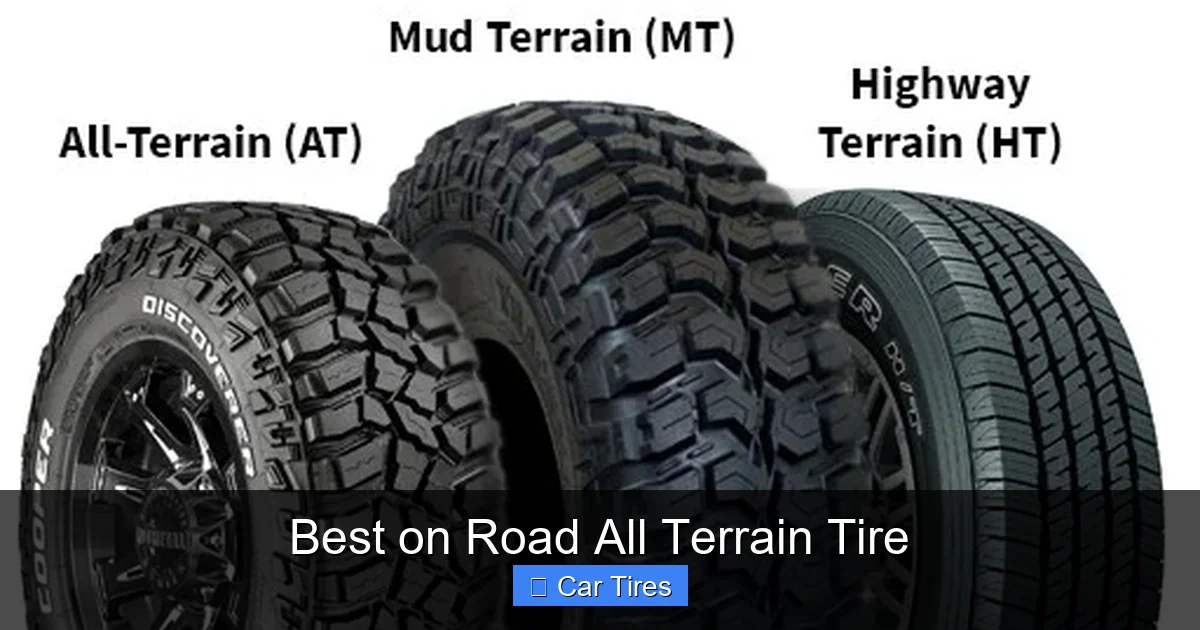
Looking for the best on road all terrain tire? These tires blend rugged capability with everyday comfort, offering excellent highway handling, low noise, and reliable traction on gravel or dirt—without sacrificing ride quality. Whether you drive a truck, SUV, or crossover, the right all-terrain tire can enhance safety, fuel efficiency, and overall driving experience.
In This Article
- 1 Key Takeaways
- 2 📑 Table of Contents
- 3 What Makes an All-Terrain Tire “On Road” Friendly?
- 4 Top Benefits of Choosing the Best On Road All Terrain Tire
- 5 Best On Road All Terrain Tires in 2024
- 6 How to Choose the Right On Road All Terrain Tire for Your Vehicle
- 7 Installation, Maintenance, and Longevity Tips
- 8 Final Thoughts: Why the Best On Road All Terrain Tire Is Worth It
- 9 Frequently Asked Questions
- 9.1 What is the difference between an on-road all-terrain tire and a regular all-season tire?
- 9.2 Can I use on-road all-terrain tires in snow?
- 9.3 Do on-road all-terrain tires reduce fuel economy?
- 9.4 How long do on-road all-terrain tires typically last?
- 9.5 Are on-road all-terrain tires noisy?
- 9.6 Do I need to modify my vehicle to install on-road all-terrain tires?
Key Takeaways
- Balanced Performance: The best on road all terrain tires deliver a smooth, quiet ride on highways while still handling light off-road conditions like dirt trails and gravel roads.
- Improved Tread Life: Advanced rubber compounds and tread designs extend tire longevity, reducing the need for frequent replacements.
- Enhanced Fuel Efficiency: Low rolling resistance in top-tier models helps improve gas mileage compared to traditional off-road tires.
- All-Season Versatility: Most on-road all-terrain tires are rated for all seasons, providing reliable grip in rain, light snow, and dry conditions.
- Reduced Road Noise: Innovative tread patterns and sound-dampening technology minimize cabin noise for a more comfortable drive.
- Easy Installation & Compatibility: These tires fit most modern SUVs, crossovers, and light trucks without requiring suspension modifications.
- Warranty & Value: Leading brands offer strong mileage warranties (up to 60,000 miles), making them a smart long-term investment.
📑 Table of Contents
- What Makes an All-Terrain Tire “On Road” Friendly?
- Top Benefits of Choosing the Best On Road All Terrain Tire
- Best On Road All Terrain Tires in 2024
- How to Choose the Right On Road All Terrain Tire for Your Vehicle
- Installation, Maintenance, and Longevity Tips
- Final Thoughts: Why the Best On Road All Terrain Tire Is Worth It
What Makes an All-Terrain Tire “On Road” Friendly?
When you hear “all-terrain tire,” you might picture chunky, aggressive treads built for rock crawling and mud pits. But not all all-terrain tires are created equal. The best on road all terrain tire is designed with daily driving in mind—offering the versatility to handle light off-road adventures without compromising comfort, noise levels, or fuel economy on paved surfaces.
So, what sets an on-road all-terrain tire apart? It’s all about balance. These tires use a tread pattern that’s less aggressive than traditional off-road models, with tighter tread blocks and more siping (those tiny slits in the tread) for better grip on wet or icy roads. They’re built to roll smoothly and quietly on highways, making them ideal for commuters who occasionally venture onto dirt roads or gravel paths. Think of them as the Swiss Army knife of tires—ready for anything, but optimized for everyday use.
Key Features of On-Road All-Terrain Tires
On-road all-terrain tires come with a mix of features that make them stand out. First, they typically have a symmetrical or directional tread pattern that reduces noise and improves water evacuation. This means better handling in the rain and less humming at highway speeds. Second, they use advanced rubber compounds that resist wear and cracking, helping them last longer than standard all-season tires.
Another big plus? Many of these tires are designed with low rolling resistance. This means your engine doesn’t have to work as hard to move the vehicle forward, which can improve fuel efficiency by up to 5% compared to more aggressive off-road tires. And because they’re built for durability, they often come with mileage warranties ranging from 50,000 to 60,000 miles—giving you peace of mind and long-term value.
Top Benefits of Choosing the Best On Road All Terrain Tire
Switching to the best on road all terrain tire isn’t just about looking cool (though, let’s be honest, they do give your vehicle a rugged, capable appearance). It’s about real-world benefits that improve your daily driving experience. Whether you’re navigating city streets, cruising down the interstate, or taking a weekend trip down a forest service road, these tires are built to handle it all.

Visual guide about Best on Road All Terrain Tire
Image source: motortrend.com
1. Smooth and Quiet Highway Performance
One of the biggest complaints about traditional all-terrain tires is road noise. The chunky tread blocks can create a constant hum or drone, especially at higher speeds. But modern on-road all-terrain tires use noise-reducing technology like variable pitch sequencing and sound-absorbing foam layers to keep cabin noise to a minimum. You’ll enjoy a ride that’s nearly as quiet as a standard highway tire, but with added toughness.
For example, the BFGoodrich All-Terrain T/A KO2 uses a unique tread design with interlocking shoulder blocks that reduce noise while maintaining grip. Similarly, the Goodyear Wrangler DuraTrac features a “TractiveGroove” pattern that channels mud and snow while staying relatively quiet on pavement. These innovations make a huge difference during long drives or daily commutes.
2. Reliable Traction in Varied Conditions
While these tires are optimized for on-road use, they don’t shy away from light off-road challenges. Whether you’re driving on gravel, packed dirt, or wet grass, the best on road all terrain tire provides confident traction. The tread design includes lateral grooves and biting edges that grip loose surfaces without sacrificing stability on pavement.
This versatility is especially useful for people who live in rural areas, enjoy camping, or frequently drive on unpaved roads. You won’t need to switch tires seasonally or worry about getting stuck in a muddy driveway. Plus, most on-road all-terrain tires are rated for all-season use, meaning they perform well in rain and light snow—though they’re not a replacement for dedicated winter tires in heavy snow or ice.
3. Longer Tread Life and Durability
Nobody likes replacing tires every few years. That’s why durability is a major selling point for on-road all-terrain tires. Manufacturers use reinforced sidewalls, cut-resistant rubber, and wear-resistant compounds to extend tire life. Many models also feature stone ejectors—small rubber flaps in the tread grooves that help prevent rocks from getting stuck and causing damage.
For instance, the Cooper Discoverer AT3 4S boasts a 65,000-mile treadwear warranty and uses a silica-enhanced compound for better wear resistance. The Michelin LTX A/T2 is another standout, offering up to 60,000 miles of coverage and exceptional resistance to chipping and cracking. These features mean fewer replacements, lower long-term costs, and less hassle.
4. Improved Fuel Efficiency
It might seem counterintuitive, but some on-road all-terrain tires can actually improve your gas mileage. How? By reducing rolling resistance. Traditional off-road tires are heavy and have deep, open treads that create more friction with the road. On-road all-terrain tires, on the other hand, are engineered to roll more efficiently, which means your engine uses less fuel to maintain speed.
Studies have shown that switching from aggressive off-road tires to a low-resistance on-road all-terrain model can improve fuel economy by 1–3 MPG. Over time, that adds up—especially if you drive a lot. Plus, many of these tires are lighter than their off-road counterparts, further reducing the load on your vehicle’s drivetrain.
Best On Road All Terrain Tires in 2024
With so many options on the market, choosing the right tire can feel overwhelming. To help you narrow it down, we’ve rounded up some of the top performers in the on-road all-terrain category. These tires have been tested for comfort, durability, traction, and overall value—and they consistently come out on top.

Visual guide about Best on Road All Terrain Tire
Image source: cdn.motor1.com
1. Michelin LTX A/T2
The Michelin LTX A/T2 is often hailed as the gold standard for on-road all-terrain tires. It’s designed specifically for SUVs and light trucks that spend most of their time on pavement but occasionally venture off the beaten path. With a 60,000-mile warranty and a smooth, quiet ride, it’s a favorite among daily drivers.
What sets it apart? The LTX A/T2 uses Michelin’s MaxTouch Construction, which evenly distributes weight across the tread for longer wear. It also features a 3D siping pattern that enhances grip in wet and snowy conditions. Drivers praise its responsive handling and low road noise—making it ideal for long road trips or city commuting.
2. BFGoodrich All-Terrain T/A KO2
If you want a tire that looks tough but drives smoothly, the BFGoodrich KO2 is a top contender. It’s built with a tougher sidewall and a more aggressive tread than the LTX A/T2, but it’s still surprisingly quiet on highways. It’s a great choice if you want a bit more off-road capability without sacrificing too much comfort.
The KO2 features CoreGard technology, which reinforces the sidewall to resist cuts and punctures. It also has a 50,000-mile warranty and performs well in mud, snow, and gravel. While it’s slightly noisier than some competitors, many drivers find the trade-off worth it for the added durability and rugged appearance.
3. Cooper Discoverer AT3 4S
The Cooper Discoverer AT3 4S is a newer model that’s quickly gaining popularity for its balance of performance and value. It’s designed for all-season use and excels in wet conditions, thanks to its deep circumferential grooves and silica-enhanced tread compound.
One standout feature is its 65,000-mile treadwear warranty—one of the best in its class. It also uses Cooper’s DuraFlex technology to improve sidewall flexibility and resistance to damage. Drivers report a comfortable, quiet ride and strong traction on both pavement and light trails. It’s a great option if you want premium performance without the premium price tag.
4. Goodyear Wrangler DuraTrac
The Goodyear Wrangler DuraTrac is a hybrid tire that leans slightly more toward off-road use but still performs well on roads. It features aggressive tread blocks and self-cleaning grooves that shed mud and snow easily. While it’s a bit noisier than the Michelin or Cooper, it’s still quieter than many traditional all-terrain tires.
It’s a solid choice if you live in a snowy climate or frequently drive on unpaved roads. The DuraTrac is also rated for severe snow service (3PMSF), meaning it meets strict winter performance standards. With a 50,000-mile warranty and strong traction in varied conditions, it’s a reliable all-around performer.
5. Falken Wildpeak A/T3W
The Falken Wildpeak A/T3W is another excellent option that blends on-road comfort with off-road toughness. It uses Falken’s 3D Canyon Sipes technology to enhance grip on wet and icy surfaces, and its aggressive tread pattern provides confidence on loose terrain.
It’s also one of the quieter all-terrain tires on the market, thanks to its optimized tread block arrangement. The Wildpeak A/T3W comes with a 50,000-mile warranty and is available in a wide range of sizes, making it compatible with many SUVs and trucks. It’s a great value for drivers who want performance without breaking the bank.
How to Choose the Right On Road All Terrain Tire for Your Vehicle
With so many great options, how do you pick the best on road all terrain tire for your needs? It starts with understanding your driving habits, vehicle type, and priorities. Are you mostly commuting on highways? Do you take weekend trips to the mountains? Do you live in a snowy area? These factors will help guide your decision.

Visual guide about Best on Road All Terrain Tire
Image source: images.simpletire.com
Consider Your Driving Environment
If you spend 90% of your time on paved roads and only occasionally drive on dirt or gravel, prioritize comfort, noise, and fuel efficiency. Tires like the Michelin LTX A/T2 or Cooper Discoverer AT3 4S are ideal for this use case. They offer a smooth ride, low noise, and excellent tread life—perfect for daily driving.
On the other hand, if you frequently drive on unpaved roads, live in a rural area, or enjoy outdoor adventures, you might want a tire with a bit more off-road capability. The BFGoodrich KO2 or Falken Wildpeak A/T3W offer stronger sidewalls and better traction on loose surfaces, while still being manageable on highways.
Match the Tire to Your Vehicle
Not all all-terrain tires fit every vehicle. Make sure to check your owner’s manual or consult a tire professional to find the correct size and load rating. Most on-road all-terrain tires are designed for SUVs, crossovers, and light trucks, but some may not be compatible with heavier-duty vehicles or lifted suspensions.
Also, consider your vehicle’s weight and towing capacity. Heavier vehicles may require tires with a higher load index to ensure safety and performance. Don’t forget to check for any modifications—like larger wheels or suspension lifts—that could affect tire fitment.
Set a Budget and Compare Warranties
On-road all-terrain tires range in price from around $150 to $300 per tire, depending on size and brand. While it’s tempting to go for the cheapest option, remember that tires are a long-term investment. A higher upfront cost can pay off in durability, performance, and warranty coverage.
Look for tires with strong mileage warranties—50,000 miles or more is ideal. Also, check if the manufacturer offers a road hazard warranty, which covers damage from potholes or debris. Brands like Michelin, Cooper, and Goodyear often include these protections, giving you extra peace of mind.
Installation, Maintenance, and Longevity Tips
Even the best on road all terrain tire won’t perform well if it’s not properly installed and maintained. Taking care of your tires ensures they last longer, perform better, and keep you safe on the road.
Professional Installation Is Key
Always have your tires installed by a certified technician. Proper mounting, balancing, and alignment are critical for even wear and optimal performance. A poorly balanced tire can cause vibrations, reduce fuel efficiency, and wear out faster.
Also, make sure your new tires are compatible with your vehicle’s TPMS (Tire Pressure Monitoring System). Most modern vehicles require sensors to be reset or replaced when changing tires. A professional shop can handle this quickly and correctly.
Regular Maintenance Extends Tire Life
To get the most out of your tires, follow a regular maintenance routine. Check tire pressure monthly—underinflated tires wear faster and reduce fuel economy. Rotate your tires every 5,000 to 7,500 miles to promote even tread wear. And inspect them regularly for cuts, bulges, or embedded objects.
Don’t forget to check your alignment annually or if you notice uneven wear or pulling to one side. Misaligned wheels can cause rapid tread wear and affect handling. A quick alignment check can save you hundreds in tire replacements down the road.
Seasonal Considerations
While on-road all-terrain tires are designed for all-season use, they may not be ideal for extreme winter conditions. If you live in an area with heavy snow or ice, consider investing in dedicated winter tires for the colder months. All-terrain tires can handle light snow, but they don’t offer the same level of grip as true winter tires.
In warmer climates, these tires perform excellently year-round. Just be mindful of high summer temperatures, which can increase tire pressure and wear. Adjust your tire pressure according to the manufacturer’s recommendations, especially before long trips.
Final Thoughts: Why the Best On Road All Terrain Tire Is Worth It
Choosing the right tire is about more than just grip and tread—it’s about how your vehicle feels on the road, how safe you feel behind the wheel, and how much you enjoy driving. The best on road all terrain tire strikes the perfect balance between capability and comfort, giving you the freedom to explore without sacrificing daily drivability.
Whether you’re commuting to work, taking a family road trip, or heading out for a weekend adventure, these tires offer the reliability and performance you need. With advancements in tread design, rubber compounds, and noise reduction, today’s on-road all-terrain tires are better than ever. They’re quieter, more efficient, and longer-lasting—making them a smart upgrade for any SUV or truck owner.
So, if you’re tired of choosing between comfort and capability, it’s time to consider an on-road all-terrain tire. With the right model, you can have both. Invest in quality, follow proper maintenance, and enjoy the confidence that comes with knowing your tires can handle whatever the road throws your way.
Frequently Asked Questions
What is the difference between an on-road all-terrain tire and a regular all-season tire?
An on-road all-terrain tire is designed to handle both paved roads and light off-road conditions like gravel or dirt, while a regular all-season tire is optimized only for pavement. All-terrain tires have more aggressive tread and stronger sidewalls, but modern on-road versions are engineered to be quiet and fuel-efficient.
Can I use on-road all-terrain tires in snow?
Yes, most on-road all-terrain tires are rated for all-season use and perform well in light snow and slush. However, they are not a replacement for dedicated winter tires in areas with heavy snowfall or icy conditions. Look for the 3PMSF (Three-Peak Mountain Snowflake) symbol for better winter performance.
Do on-road all-terrain tires reduce fuel economy?
Not necessarily. Many modern on-road all-terrain tires are designed with low rolling resistance, which can actually improve fuel economy compared to traditional off-road tires. Some models even boost MPG by 1–3 miles per gallon due to lighter weight and efficient tread design.
How long do on-road all-terrain tires typically last?
Most high-quality on-road all-terrain tires come with a treadwear warranty of 50,000 to 65,000 miles. Actual lifespan depends on driving habits, road conditions, and maintenance, but with proper care, they can last 4–6 years or more.
Are on-road all-terrain tires noisy?
Modern on-road all-terrain tires are much quieter than older models. Brands use noise-reducing technologies like variable pitch sequencing and sound-absorbing foam to minimize road noise. While they may be slightly louder than standard highway tires, the difference is often negligible.
Do I need to modify my vehicle to install on-road all-terrain tires?
No, most on-road all-terrain tires are designed to fit standard SUVs, crossovers, and light trucks without modifications. Just ensure you choose the correct size and load rating for your vehicle. Lifted or heavily modified vehicles may require special considerations.