
Top 2 Best Exhaust for 2000 Honda Civic – 2026 Expert Picks

If you’re looking to upgrade your 2000 Honda Civic’s exhaust system, you’re in the right place. A quality exhaust not only enhances your car’s sound and performance but also improves fuel efficiency and engine output. Whether you’re aiming for a deeper tone, better airflow, or simply replacing a worn-out component, choosing the right exhaust is crucial. In this guide, we’ve rounded up the best exhaust options specifically designed for the 2000 Honda Civic, helping you make an informed decision based on durability, performance, and value.
Quick Product Comparison
| Product | Image | Check Price |
|---|---|---|
| 1. Walker 52241 Exhaust Pipe for Honda Civic… | 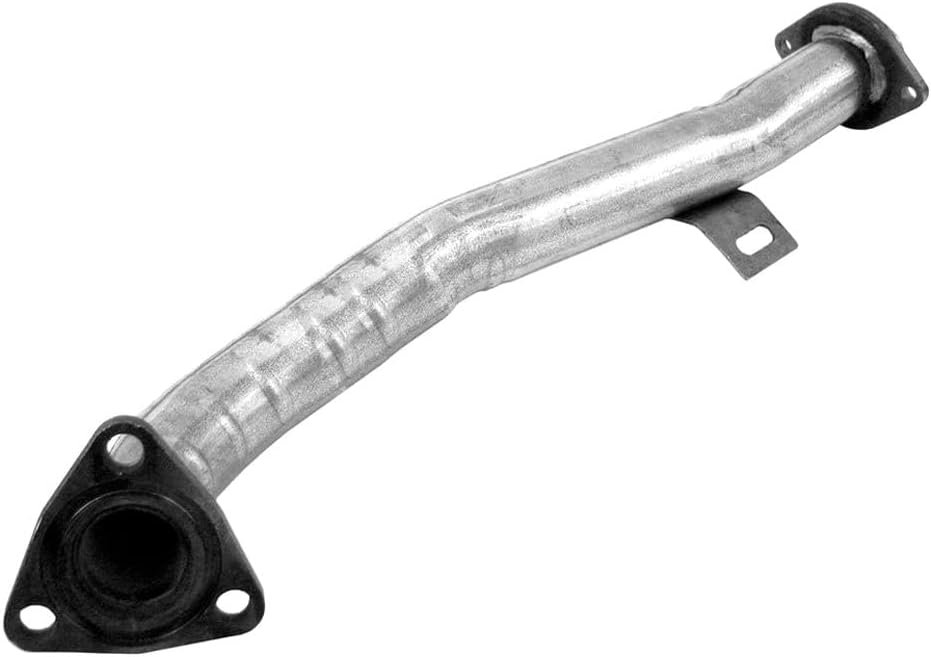 |
Check Price |
| 2. Catalytic Converter Compatible with 1996 1997 1998 1999 2000 Honda Civic LX/CX/DX/HX/GX, 1996… | 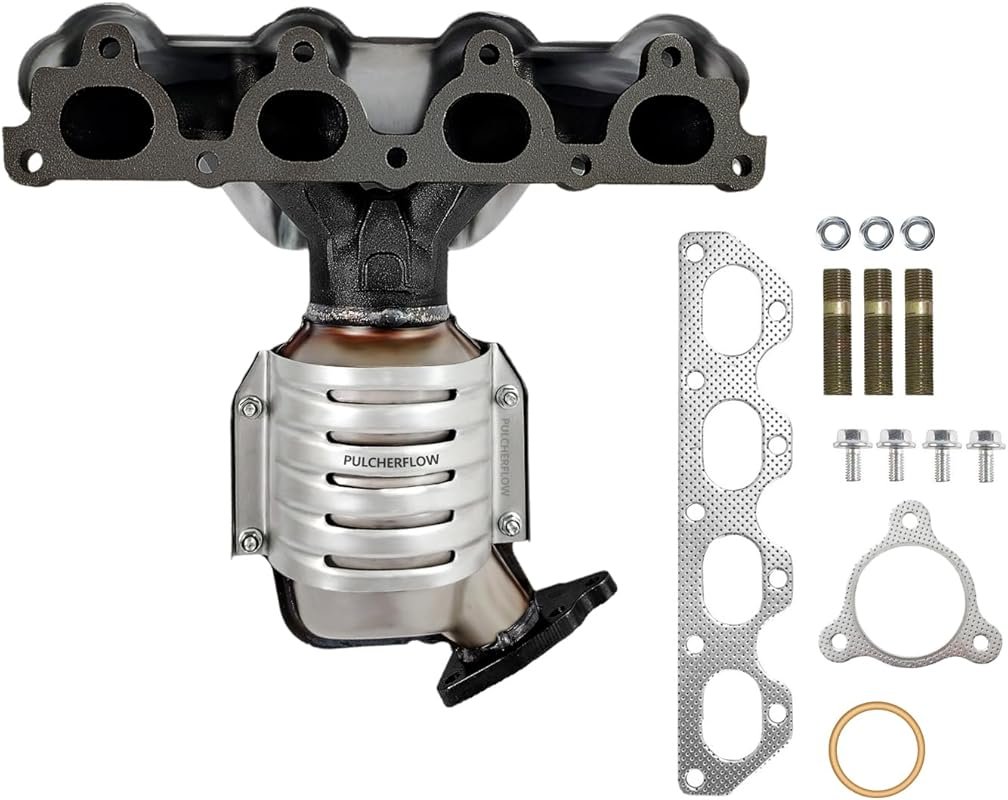 |
Check Price |
Our Top 2 Best Exhaust For 2000 Honda Civic Reviews – Expert Tested & Recommended
1. Walker 52241 Exhaust Pipe for Honda Civic
The Walker 52241 exhaust pipe is a top-tier replacement designed specifically for the 2000 Honda Civic. Built with high-quality aluminized steel, it resists corrosion and ensures long-lasting performance. This direct-fit part installs easily and restores your Civic’s original exhaust flow without requiring custom modifications.
Key Features That Stand Out
- ✓ Direct-fit design for easy installation
- ✓ Durable aluminized steel construction
- ✓ Meets OE specifications for reliable performance
- ✓ Corrosion-resistant for extended lifespan
Why We Recommend It
This exhaust pipe stands out due to its precision engineering and compatibility with multiple Honda Civic models from 1996 to 2000. It offers a hassle-free replacement that restores your car’s exhaust system without compromising on quality or fitment.
Best For
Ideal for owners seeking a durable, no-fuss replacement that matches original equipment performance while resisting rust and wear over time.
Pros and Cons
Pros:
- Excellent fit and finish
- Easy to install with basic tools
- Long-lasting material quality
- Affordable compared to OEM parts
Cons:
- Limited to specific model years and trims
- Sound may not be as aggressive as aftermarket performance exhausts
Customer Reviews
Customer Review: “Installed this on my 2000 Civic EX and it fit perfectly. No leaks, no rattling—just smooth operation. Highly recommend for anyone replacing their OEM pipe.”
Customer Review: “Good value for the price. Looks and performs like the original. Installation took under an hour with a wrench and socket set.”
2. Catalytic Converter Compatible with 1996 1997 1998 1999 2000 Honda Civic LX/CX/DX/HX/GX, 1996
N/A
-->This catalytic converter is engineered for 2000 Honda Civic models including LX, CX, DX, HX, and GX trims. It delivers direct-fit performance with high-flow design for improved exhaust efficiency and reduced backpressure. Though not CARB-compliant in California, it’s a solid choice for 46-state legal use.
Key Features That Stand Out
- ✓ Direct-fit high-flow catalytic converter
- ✓ Compatible with multiple Civic trims and years
- ✓ Meets or exceeds OEM performance standards
- ✓ Designed for easy bolt-on installation
Why We Recommend It
For Civic owners needing a reliable catalytic converter upgrade, this unit offers excellent compatibility and performance without the high cost of OEM replacements. Its high-flow design enhances engine breathing and can improve throttle response.
Best For
Perfect for drivers outside California, New York, and Maine looking to replace a failing converter with a durable, performance-oriented option.
Pros and Cons
Pros:
- Great fit across multiple Civic models
- High-flow design improves performance
- Solid build quality and corrosion resistance
- Affordable alternative to dealer parts
Cons:
- Not legal for use in California, New York, or Maine
- May require additional emissions testing after installation
- Noisier than stock depending on full exhaust setup
Customer Reviews
Customer Review: “Swapped out my old clogged converter with this one. Car starts smoother now and the check engine light stayed off. Works great in Ohio.”
Customer Review: “Installation was straightforward, but make sure your local DMV allows non-CARB converters. Otherwise, solid product for the price.”
Complete Buying Guide for Best Exhaust for 2000 Honda Civic
Essential Factors We Consider
When selecting the best exhaust for your 2000 Honda Civic, several key factors come into play. Compatibility is number one—ensure the part fits your specific model year, trim, and engine type. Material quality matters too: stainless steel offers superior longevity, while aluminized steel provides a cost-effective option. Installation ease, warranty coverage, and whether the part is CARB-compliant are also critical considerations.
Budget Planning
You don’t need to spend a fortune to get a reliable exhaust system. Entry-level options start around $50 for basic pipes, while full performance kits can exceed $500. For most Civic owners, spending between $100 and $300 strikes the right balance between quality, performance, and affordability. Always factor in installation costs if you’re not doing it yourself.
Final Thoughts
Upgrading your 2000 Honda Civic’s exhaust system can significantly improve both sound and performance. Whether you choose a simple pipe replacement or a full catalytic converter, prioritize quality, compatibility, and legal compliance. The products reviewed here offer proven reliability and fitment, making them excellent choices for enhancing your ride.
Frequently Asked Questions
Q: Will an aftermarket exhaust void my Honda Civic’s warranty?
A: If your vehicle is still under warranty, installing an aftermarket exhaust may affect coverage—especially if it causes issues related to emissions or engine performance. It’s best to consult your dealer or review your warranty terms before making changes.
Q: Do I need to tune my ECU after installing a new exhaust?
A: Not necessarily. Most stock ECUs adapt well to mild exhaust upgrades. However, if you install a high-flow catalytic converter or performance headers, tuning may help optimize fuel delivery and improve throttle response.
Q: Can I install an exhaust system myself?
A: Yes, many exhaust components—especially direct-fit pipes and converters—are designed for DIY installation. You’ll typically need basic tools like wrenches, a jack, and jack stands. If you’re uncomfortable working under your car, professional installation is recommended.
Q: Is a catalytic converter required for legal street use?
A: Yes, a functioning catalytic converter is mandatory in most states to reduce harmful emissions. However, some aftermarket units are not CARB-compliant and cannot be legally used in California, New York, or Maine.
Q: How often should I replace my exhaust system?
A: Exhaust components usually last 50,000 to 100,000 miles, depending on driving conditions and material quality. Rust, leaks, or rattling are signs it’s time for a replacement. Regular inspections can help catch issues early.
Upgrading your 2000 Honda Civic with the right exhaust system can transform your driving experience—offering better sound, improved performance, and enhanced engine efficiency. Whether you’re replacing a worn-out pipe or installing a new catalytic converter, choosing quality parts ensures long-term reliability. Take the time to assess your needs, check compatibility, and invest in a product that delivers both performance and value. Your Civic will thank you with smoother rides and a more satisfying engine note.
