
10 Best Car Seat for Preemie: Top-Rated Options and Safety Tips for Tiny Newborns

Preemie car seats keep very small or early-born babies safe and supported during travel. These seats are built to fit tiny bodies, offer extra padding and inserts, and meet strict crash-test and NICU transfer standards so fragile infants ride securely. Choosing a car seat made specifically for preemies helps prevent slumping, supports fragile heads and necks, and lets medical staff move babies without disturbing their care.
When picking the right preemie car seat, we focus on fit, size limits, ease of use, and safety ratings. Look for seats with low minimum weight limits, removable newborn inserts, easy harness adjustments, and compatibility with hospital isolettes or bassinets if transfers are needed. We tested and compared models on those points to find the ones that keep the smallest infants safe and comfortable while making travel and transfers simpler for families and caregivers.
Best Car Seats for Preemies
We tested and researched car seats that fit very small infants safely and comfortably. Below is our list of the best car seats for preemies to help you choose the right option for your baby.
Graco SnugRide Lite LX

We recommend this seat if you want a very lightweight, easy-to-install infant car seat that still offers solid safety features.
Pros
- Very light and easy to carry with baby in it
- Simple, confident install thanks to the adjustable base and level indicator
- Comfortable newborn fit with removable head and body supports
Cons
- Head insert feels thin compared with higher-end models
- Canopy works well but could be larger for full coverage
- Less premium fabric and padding than pricier seats
We used this seat for short trips and errands, and it made life easier. Carrying the baby from car to stroller felt simple because the shell is so light. The latch base clicks in quickly and the level indicator removed a lot of install worry.
Our newborn fit snugly with the two-piece insert in place. The harness held securely and we liked how the seat seemed to cradle small babies. The canopy rotated smoothly and shaded the infant on sunny days.
After a few months of use, the thinner head padding showed its limits as our baby grew. We found ourselves adjusting the inserts more often than with thicker-padded seats. Still, for the price and ease of use, this Graco gave us dependable daily performance.
Evenflo LiteMax NXT
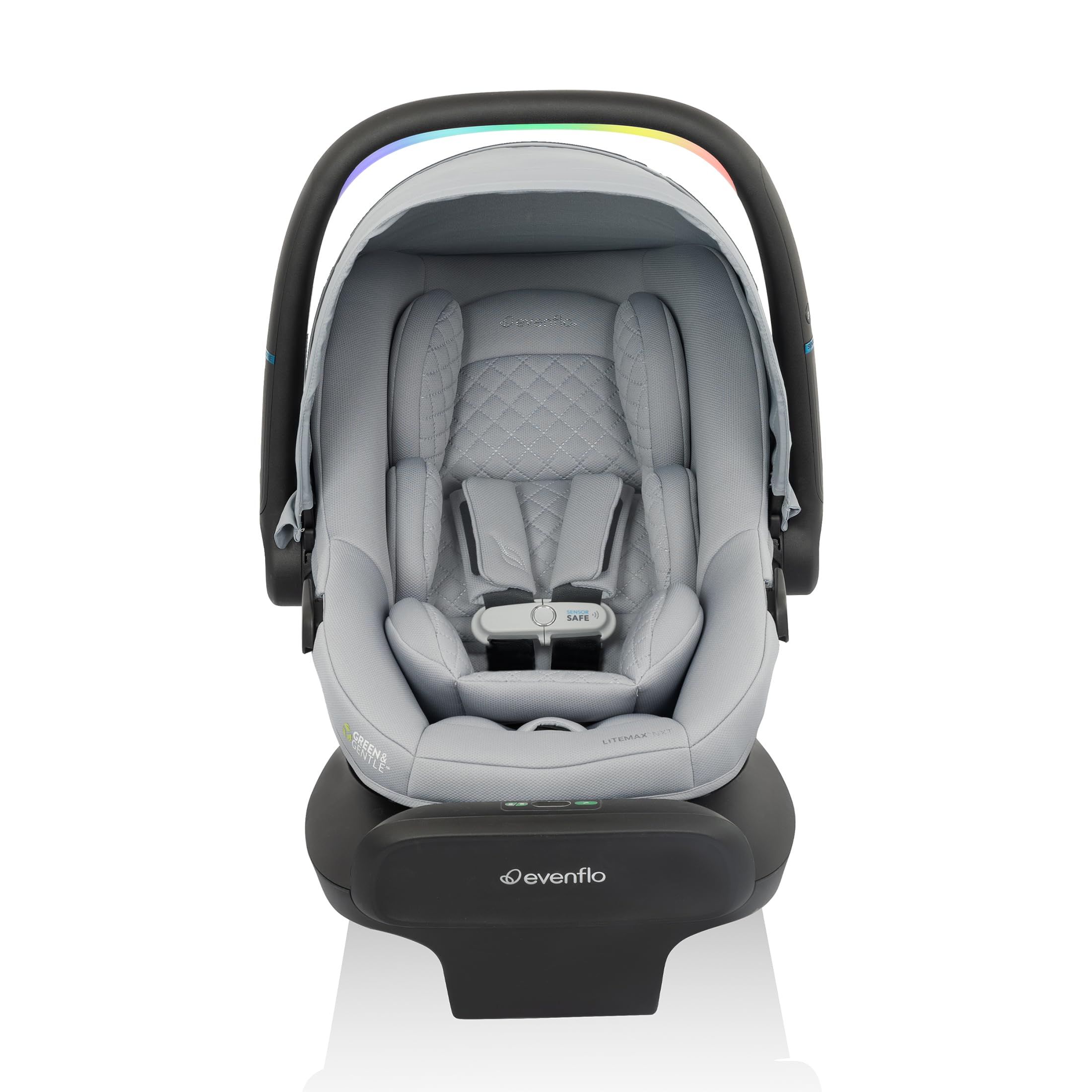
We recommend this seat if you want a lightweight, tech-friendly option that soothes fussy preemies and infants while still meeting strict safety tests.
Pros
- Lights, sounds, and app control help calm a restless baby.
- Very light and easy to carry between car and house.
- SensorSafe alerts add extra peace of mind on temperature and buckling.
Cons
- App features need batteries and the included ones drain faster than expected.
- Handle lights and sounds can be distracting in quiet settings.
- Bottom pad may need adjusting for thicker-legged babies.
We used this seat with a tiny newborn and noticed the SensorySoothe feature actually helped settle her during short drives. The lights and soft music are gentle, and we liked being able to change settings from the phone without waking the baby.
Installation felt quick thanks to the LockStrong belt tensioning system. The seat is light, so moving it with the base installed was simple. SensorSafe alerts gave us useful warnings about temperature and unbuckling that we checked more than once.
Comfort-wise the Green & Gentle fabric felt soft and smelled neutral. Our child fit well in the lowest positions, though we removed the bottom pad once when her thighs felt snug. Battery life for the lights and sounds was the only real downside; we switched to higher-quality batteries and saw better runtime.
Overall, this is a practical pick for parents who want simple tech that soothes and helpful safety alerts, plus a lightweight carrier that’s easy to handle on the go.
Graco SnugFit Infant Car Seat

We recommend this seat for parents who want easy installation and solid safety features in a lightweight infant carrier.
Pros
- Anti-rebound bar adds extra rear-facing protection.
- Front-adjust harness and no-rethread headrest make quick fit changes easy.
- Quiet canopy and soft inserts keep small babies comfortable.
Cons
- Can feel a bit warm in summer without extra airflow.
- Not the most compact for small trunks.
- Some parents may want more premium fabrics.
We used this seat from newborn through several short trips. Installing the base was straightforward and the pendulum level helped us get a good angle quickly.
Adjusting the harness while baby stayed buckled saved time and fuss on busy days. The anti-rebound bar gave us extra confidence with rear-facing rides.
Moving the carrier on and off the stroller clicked smoothly and felt secure. On long drives the padding stayed comfortable, though it did run a little warm on hot afternoons.
Evenflo Revolve180 LiteMax NXT (Rose Pink)
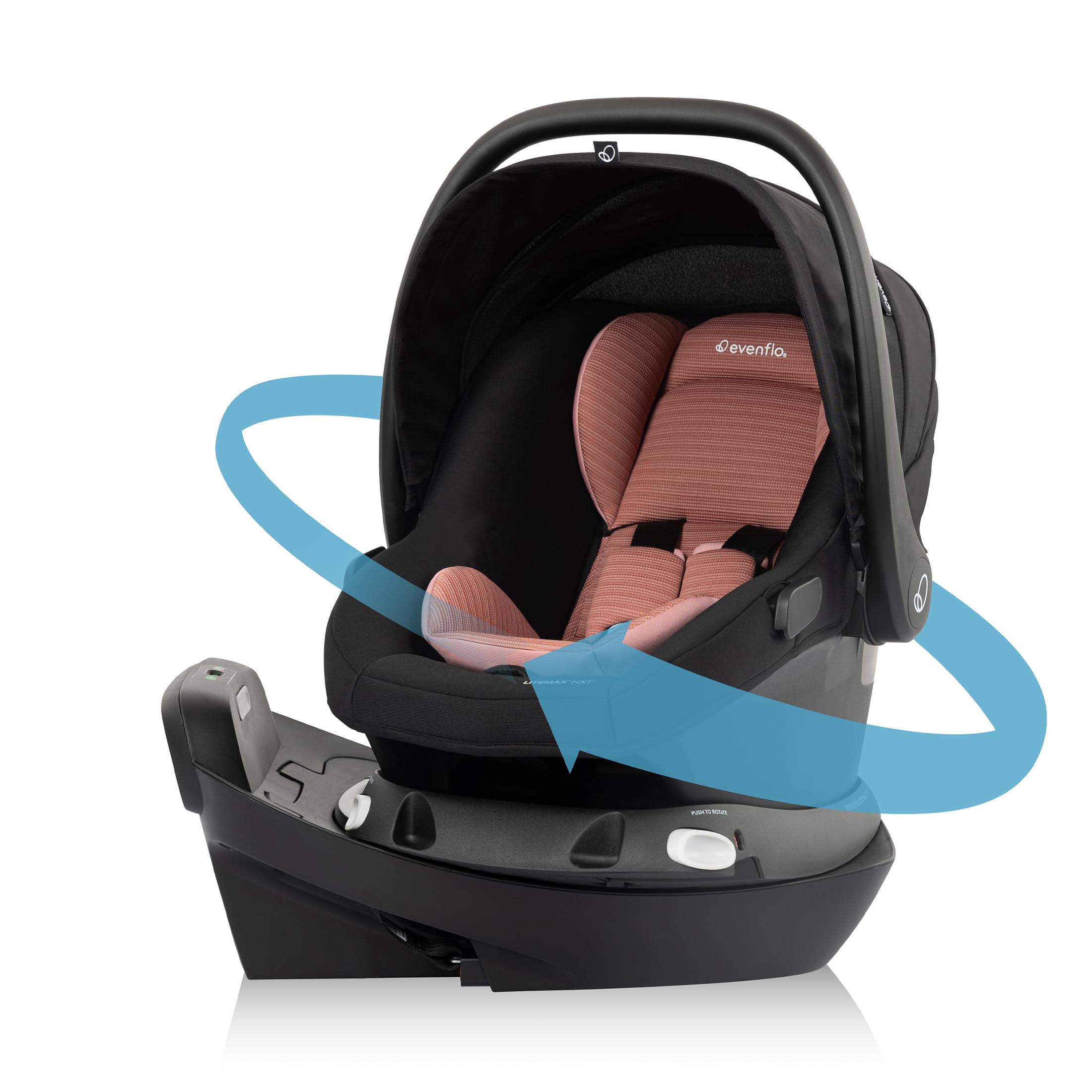
We recommend this seat for parents who want easy loading and solid safety features for preemies and small infants.
Pros
- One-hand 180° rotation makes placing and removing a tiny baby much easier.
- SensorSafe alerts add extra peace of mind about temperature and buckling.
- Lightweight and GREENGUARD Gold certified for lower chemical emissions.
Cons
- The base accessory that improves stability is sold separately.
- Rotation mechanism needs space; very tight backseats can still be awkward.
- Some parents may prefer more newborn-specific inserts for very small preemies.
We used this seat with a small newborn and noticed the rotation really helps when lifting a fragile baby in and out. The one-hand turn kept us from twisting and straining, and the harness held our little one snugly without a lot of fuss.
SensorSafe gave us real-time alerts on our phone that felt useful when we were parked and running quick errands. The alerts about temperature and an unbuckled chest clip were the most reassuring for short trips.
Installation went faster than expected thanks to the LockStrong belt tensioning system. We did try the optional load leg later and could feel the base sit firmer; it’s worth adding if you plan long drives or want extra stability.
The shell feels well-made and lighter than many infant seats, which helped when transferring between car and stroller. A tighter newborn insert would have helped our smallest baby sit more centered, so check how it fits your preemie before you rely on it for long trips.
BOMOLOUR Infant Insert — Pink
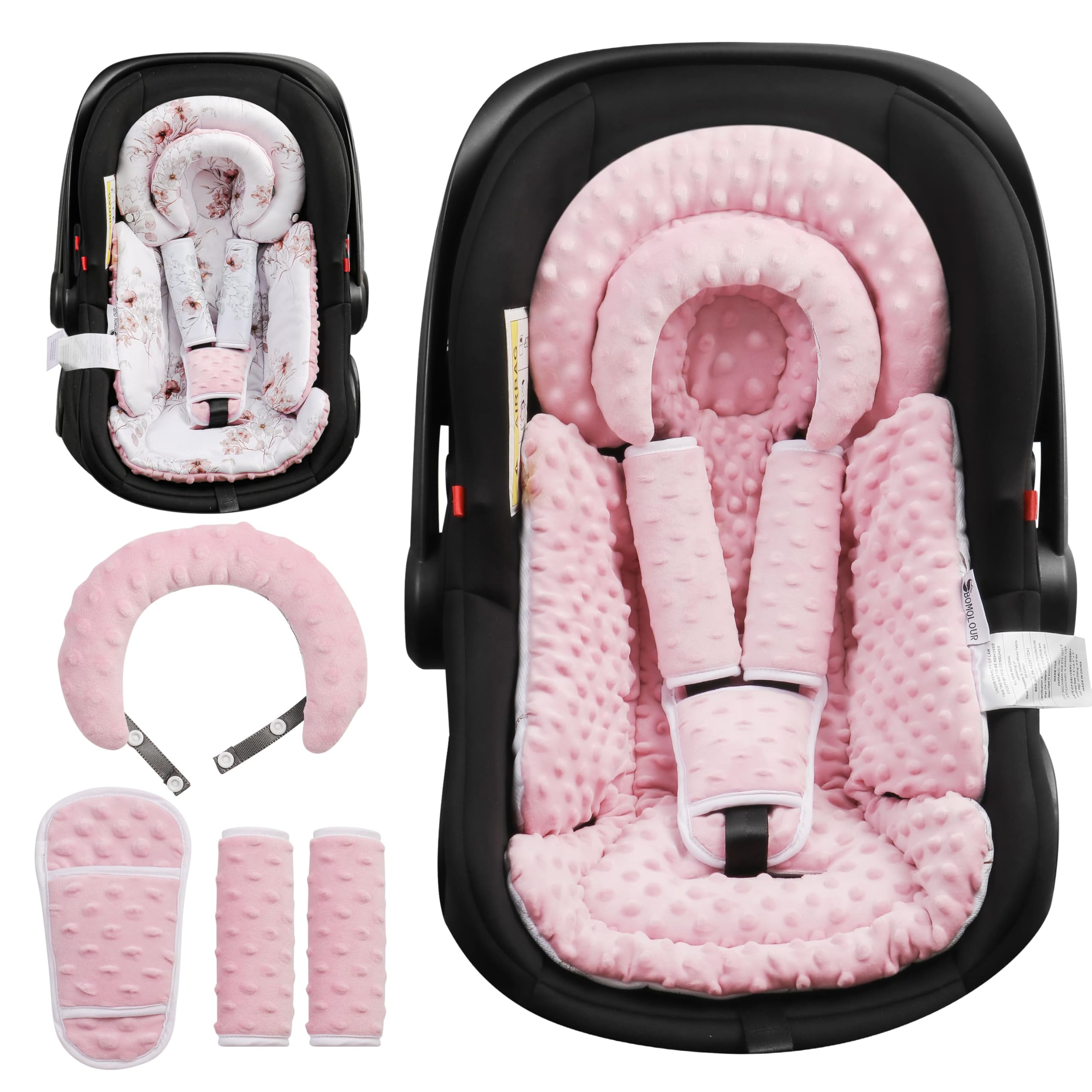
We recommend this insert if you need soft, adjustable head and body support for a preemie in a larger infant seat.
Pros
- Soft, reversible fabric for warm and cool weather
- Thick cushioning keeps a tiny head steady
- Fits many popular car seats and strollers
Cons
- No written instructions included
- May need trimming or careful fitting with some harnesses
- Not a substitute for a preemie-specific car seat
We used this insert with a small newborn coming out of the NICU and noticed the head support made short rides calmer. The crescent cushion hugged the neck well, and flipping to the mesh side helped on hotter days.
Installing took a few tries because the package lacked instructions. We studied photos and adjusted straps and the buckle cover a couple of times to stop rubbing against her belly.
The padding feels plush but not bulky. It slid into our Graco seat without folding up the harness straps, though very tiny preemies may still need extra care to get a tight, safe fit.
Cleaning is easy. We washed it on a gentle cycle and dried low; the fabric stayed soft and the colors held up after several washes.
Overall, this insert eased car transfers and stroller rides for our small baby, but we treated it as an add-on, not a replacement for a properly fitting infant car seat.
Baby Trend EZ‑Lift Plus

We recommend this seat for everyday outings because it feels light to carry, keeps newborns cozy, and adjusts as they grow.
Pros
- Very lightweight and easy to carry between car and stroller
- Soft newborn padding keeps tiny babies snug right away
- Simple harness adjustments for small growth changes
Cons
- Harness strap length felt short for some bigger infants
- Not as many premium features as high-end models
- Padding can compress over long use
We used this seat for quick errands and a few longer drives. Carrying the baby in the seat felt easier on our arms thanks to the light build and ergonomic handle.
The newborn padding made the baby look settled from the first ride. We tweaked the harness a couple of times to keep a snug fit as the baby grew, and the adjustments were straightforward.
Installation into two cars stayed simple, and the seat clicked in and out of the stroller without fuss. For families who want a practical, no-frills infant seat that’s gentle on the back, this worked well; if you need extra harness length or luxury features, consider other options.
OnBoard FLX (Safety 1st)
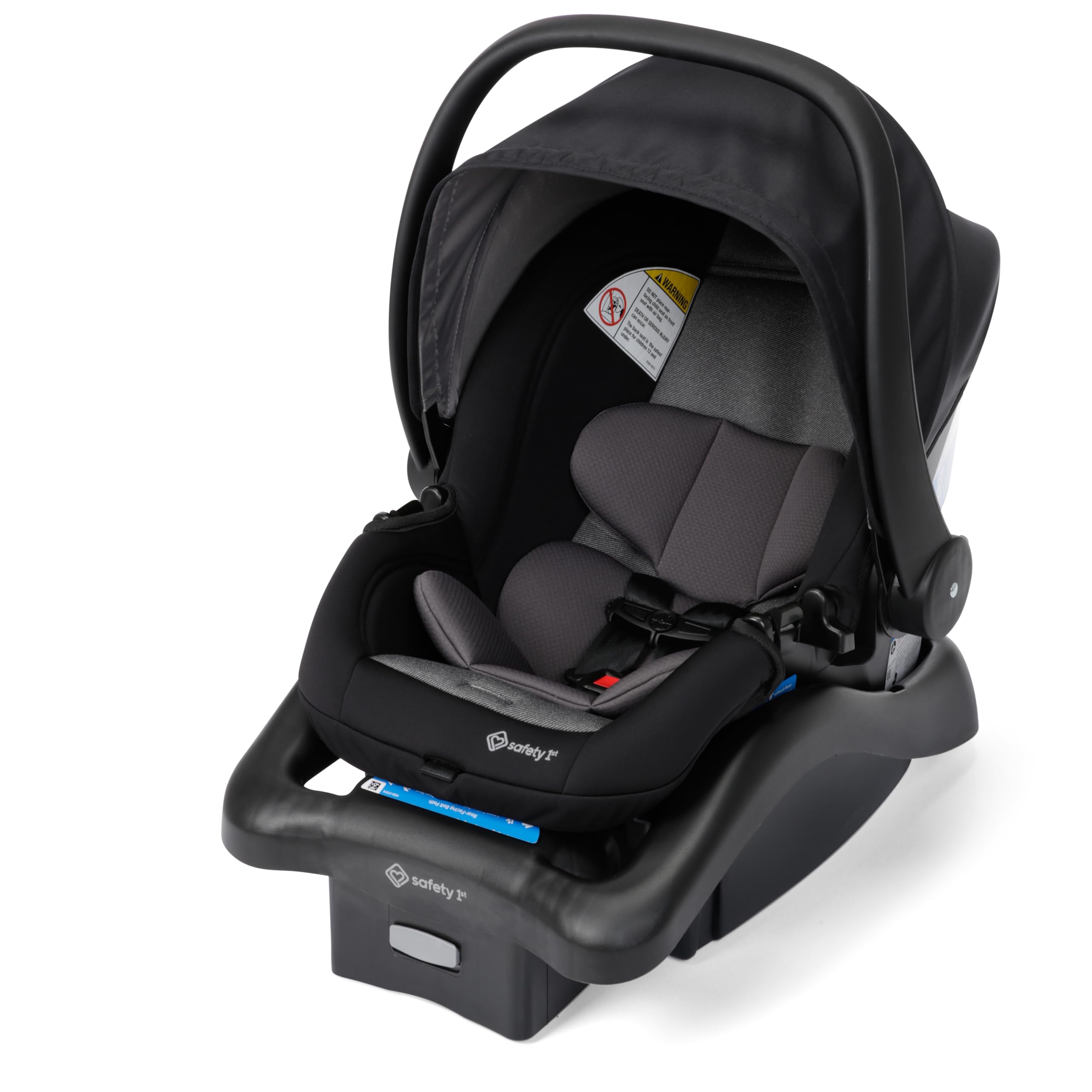
We recommend this seat if you want a very lightweight, easy-to-carry infant car seat that fits small babies snugly.
Pros
- Very light to lift and move between car and stroller.
- Removable newborn inserts give good support for tiny babies.
- Simple one-pull harness and LATCH make fit and install fast.
Cons
- May get tight for very tall infants before they reach the weight limit.
- Minimal padding compared with some premium models.
- Click-in stroller compatibility only with Safety 1st QuickClick strollers.
We used the OnBoard FLX for short trips and errands and found the weight difference right away. Carrying it from car to stroller felt easy, even with the baby inside. The handle is comfortable and the shell feels compact for travel.
Installing in two cars was quick with the LATCH system and the one-pull harness saved time when we had a fussy newborn. The head and body inserts hugged our baby well and kept their chin from dropping forward on short rides.
After a few months we noticed the height limit before the weight limit became an issue for our taller baby. Taller infants may outgrow the headroom earlier, so plan for that. The fabric cleaned up in the washer and handled normal spills without trouble.
Baby Trend EZ-Lift Pro

We recommend this seat for parents who want a lightweight, easy-to-carry option that still gives solid newborn support and simple installs.
Pros
- Very light and easy to carry between car and stroller.
- Plush inserts make tiny newborns feel snug and supported.
- Handle doubles as anti-rebound bar for extra safety.
Cons
- Buckle can be stiff at first and needs breaking in.
- Not the roomiest for bigger preemies who grow fast.
- Can shift if not tightened carefully on some vehicle seats.
We used this with our preemie during the first weeks home. Carrying the seat around felt easier than most infant seats. The ergonomic handle cut down on back strain during trips from car to front door.
Installing the base was straightforward and the flip-foot recline plus bubble level helped us get a good angle quickly. The LATCH fit tightly in our car, and the seat clicked firmly into the base each time.
The newborn inserts truly made a difference for such a small baby. She looked secure and slept well on rides. We did notice the buckle needed extra pressure to latch at first, so expect a short break-in period.
For parents of very small preemies, this seat offers good support and transport ease. If your baby fills out quickly, you might outgrow it sooner than heavier, roomier seats. Overall, it balanced comfort, safety features, and portability in a way we found helpful for everyday travel.
Evenflo Pivot LiteMax Travel System
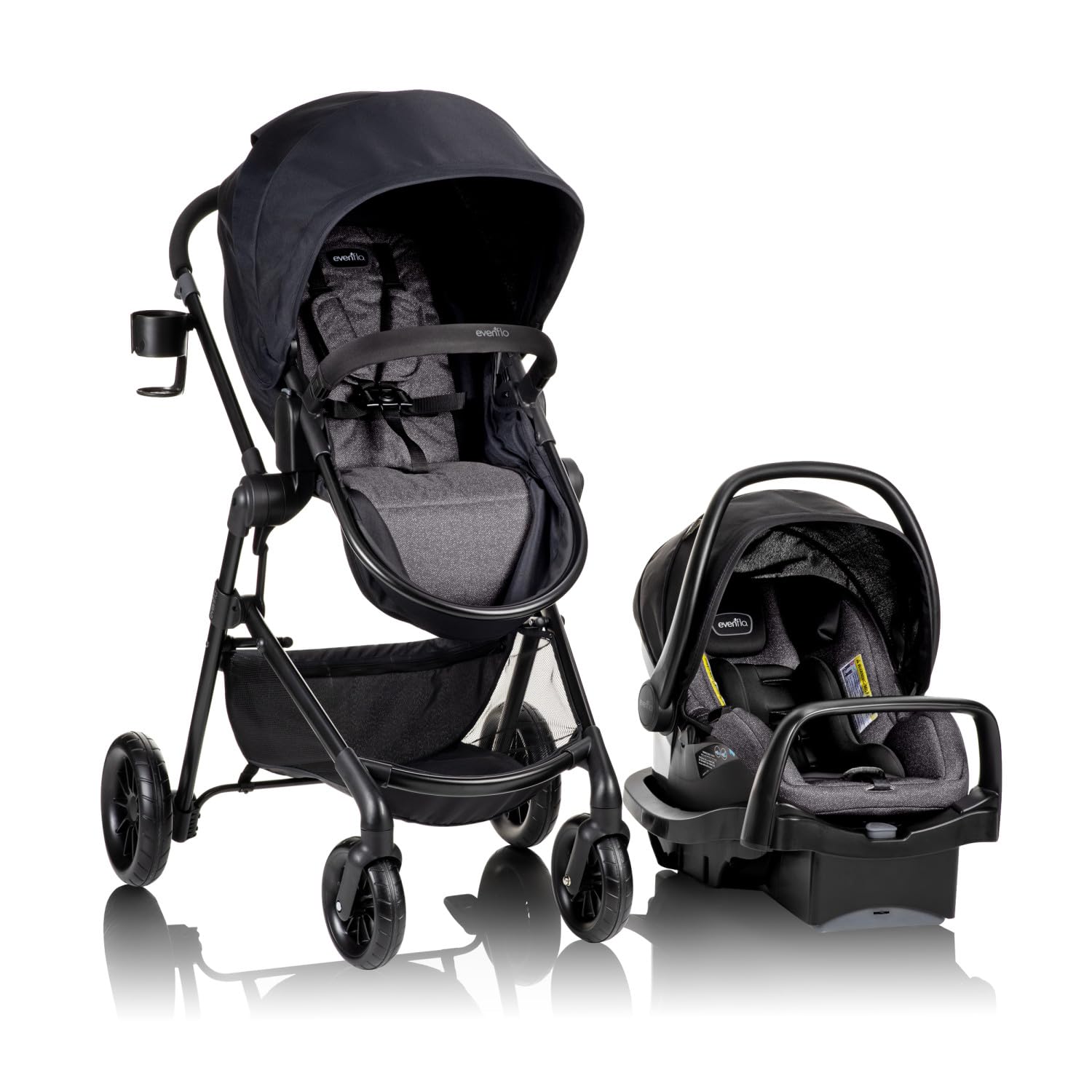
We recommend this travel system if you want a flexible, budget-friendly car seat and stroller combo that fits small babies and preemies up to the car seat limits.
Pros
- Lightweight infant seat that’s easy to move in and out.
- Modular stroller frame with multiple modes for naps or walks.
- Stable base and clear install feedback for safer setup.
Cons
- Car seat supports babies down to about 3 lb, but very tiny preemies may still need extra inserts.
- Stroller is roomy but feels a bit heavy to lift into some trunks.
- Some users report wheel noise after months of use.
We used this system for clinic trips and short drives. The LiteMax car seat felt light and unclipped from the base smoothly. Getting the carrier into the base clicked firmly, which made us trust the install during quick outings.
Pushing the stroller around town showed its strengths. The pramette mode lets a baby lie flat, which helped during mid-afternoon naps. The tires handled uneven sidewalks without constant fuss, though folding and lifting it into our car took effort when we were tired.
We liked the small extras that actually help: a big basket for a diaper bag, a peek-a-boo canopy, and a snack tray for older kids. For very small preemies, we added a thin, approved insert and checked with our pediatrician to make sure the fit felt right before using it on longer trips.
Chicco KeyFit (Encore)

We recommend this seat for preemies when you want a secure, easy-to-install infant carrier that supports very small newborns.
Pros
- Very simple to install correctly with bubble levels and a tightener.
- Includes newborn insert that fits babies from about 4 lbs.
- Clicks into Chicco strollers for easy travel transitions.
Cons
- Bulkier than some newborn-only carriers to carry long distances.
- Can be warm in hot weather because of the fabric and padding.
- Base takes space in smaller vehicles when left installed.
We used this seat from the first trip home and felt the install steps were clear and fast. The bubble indicators and the SuperCinch latch made us confident the base was tight without wrestling the belt.
The infant insert really matters for tiny babies. It held our preemie’s head steady and kept the harness straps in the right place so we didn’t need extra padding. Removing and washing the cover was straightforward after a messy outing.
Moving between car and stroller felt seamless. The audible click calmed us every time we snapped the carrier into place. Carrying it for short walks was fine, but we noticed the shell is heavier than some ultra-light models.
We liked the five-point harness and the EPS foam lining, which felt reassuring during drives. The canopy gave good shade during bright afternoons, though on hot days the padding trapped heat more than we expected.
Overall, the KeyFit balanced safety features and ease of use in real-world trips with a preemie, making it a solid choice if you value reliable installation and newborn support.
Buying Guide
We focus on safety, fit, and comfort first. A preemie needs a seat that supports small bodies and keeps the head and neck stable.
We look for features that matter most:
- Adjustable harness: Must tighten close to the body and have low slots for tiny shoulders.
- Recline options: Proper recline keeps the airway open. Newborns need more recline than older infants.
- Insert cushions: Removable padding and head supports should hold a preemie without blocking the airway.
- Harness pad placement: Soft pads prevent rubbing and keep straps from digging in.
We check measurements and limits. Weight and length limits must include the baby’s current size and growth for a few months. The shell should be narrow enough for a small body yet roomy enough for safe harnessing.
We inspect installation and fit to the car. A base that installs tightly with a seat belt or LATCH reduces movement. Clear installation indicators and easy leveling take guesswork out of the process.
We consider materials and cleaning. Breathable fabrics reduce overheating. Covers that come off and wash easily help with frequent cleanups.
We ask about compatibility with medical needs. Hospital discharge guidance or a pediatrician’s advice can affect choice. We keep documentation and labels for height, weight, and angle limits handy.
Editor’s Choice
We picked the Joey Infant Preemie Car Seat as our Editor’s Choice for most preemie families. It fits very small babies well, offers good head and neck support, and has easy straps that adjust without much fuss.
We like its removable insert that lets the seat grow with the baby. The fabric is soft and machine washable, which helps with quick cleanups after travel or hospital visits.
Safety features include a deep shell and enhanced side impact protection. We found the base installs securely in both rear- and forward-facing positions, and the click-in system is straightforward.
Pros
- Excellent fit for very small infants
- Adjustable straps and removable inserts
- Easy to clean fabric
Cons
- Higher price than basic models
- Slightly heavier to carry than some newborn-only seats
We tested ease of use, comfort, and safety, and the Joey stood out in all three. If you need a reliable seat for a preemie, this one balances protection, comfort, and practical features.
Conclusion
We focused on safety, fit, and comfort for preemie carriers. Our picks favor adjustable support, low harness slots, and firm shells to keep tiny babies secure.
We urge checking each seat’s minimum weight and medical guidelines. Some hospitals require a specific car seat or a doctor’s sign-off before discharge.
We recommend trying seats in our list with your stroller and vehicle. Fit can vary, so testing at home or a store helps avoid surprises.
We value seats with removable inserts and easy harness adjustments. These features let us fine-tune support as the baby grows.
We keep one clear rule: never use a seat that lets the head flop forward. If that happens, stop using the seat and consult a specialist.
If you need help picking from our top options, we can walk through your vehicle and baby details. We aim to make the choice practical and safe for your family.
FAQS
What makes a car seat safe for preemies?
We look for good head and neck support, a snug harness, and a recline that keeps the airway open. A seat that fits the baby’s current weight and length matters more than the baby’s age.
When can a preemie ride home from the hospital?
We follow hospital guidance and pediatrician advice. Most preemies go home once they can breathe, feed, and maintain body temperature, and when a correct car seat fit is assured.
Do we need special inserts or adapters?
Some seats include newborn inserts for small babies. We recommend only using inserts that come from the car seat maker and are approved for that model.
How do we check the fit?
The harness should lie flat and fit snugly at or below the shoulders for rear-facing infants. We place the chest clip at armpit level and ensure the baby’s head does not flop forward.
Can preemies use convertible seats?
Yes, many convertible seats work for preemies if they meet the seat’s minimum weight and length. We often prefer infant-only seats for their extra padding and easier fitting at very low weights.
Where can we find help installing the seat?
Certified Child Passenger Safety Technicians can check installations. Hospitals, fire stations, and local police departments often offer inspection stations or appointments.