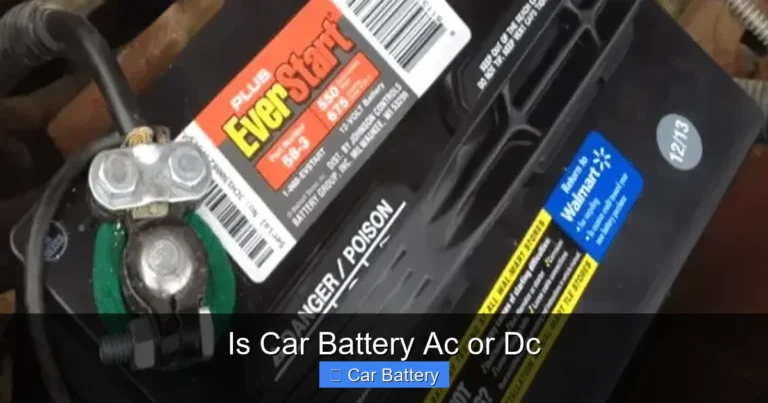
Average Voltage for Car Battery
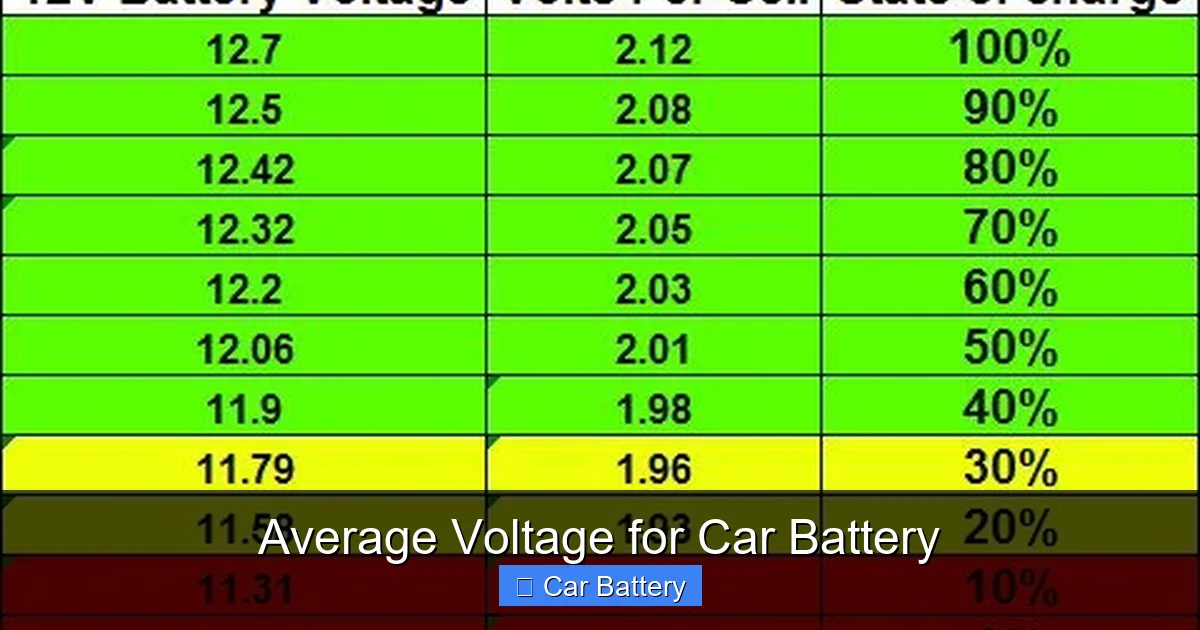
The average voltage for a car battery is 12.6 volts when fully charged, dropping to around 12.4 volts when the engine is off but still considered healthy. Understanding this range helps diagnose issues, prevent breakdowns, and extend battery life.
In This Article
- 1 Key Takeaways
- 2 📑 Table of Contents
- 3 Understanding Car Battery Voltage: The Basics
- 4 What Is the Normal Voltage Range for a Car Battery?
- 5 How to Test Your Car Battery Voltage
- 6 Factors That Affect Car Battery Voltage
- 7 Signs of Low Battery Voltage
- 8 How to Maintain Proper Battery Voltage
- 9 When to Replace Your Car Battery
- 10 Conclusion
- 11 Frequently Asked Questions
- 11.1 What is the normal voltage for a car battery when the engine is off?
- 11.2 Is 12.4 volts OK for a car battery?
- 11.3 What voltage indicates a bad car battery?
- 11.4 Can a car battery be bad even if voltage is normal?
- 11.5 How often should I test my car battery voltage?
- 11.6 Does cold weather affect car battery voltage?
Key Takeaways
- Normal voltage range: A fully charged car battery reads 12.6 volts; anything below 12.4 volts may indicate a weak or discharged battery.
- Engine running voltage: When the engine is on, the alternator charges the battery, producing 13.7 to 14.7 volts—this is normal and expected.
- Low voltage warning signs: Dim headlights, slow cranking, or dashboard warnings often signal low battery voltage.
- Temperature effects: Cold weather reduces battery efficiency, lowering effective voltage and starting power.
- Testing is essential: Use a multimeter or battery tester to check voltage regularly, especially before long trips or seasonal changes.
- Maintenance matters: Clean terminals, secure connections, and regular driving help maintain proper voltage and battery health.
- Replacement timing: Most car batteries last 3–5 years; declining voltage over time signals it’s time for a replacement.
📑 Table of Contents
Understanding Car Battery Voltage: The Basics
Your car battery is the unsung hero of your vehicle’s electrical system. It’s responsible for starting the engine, powering lights, running the radio, and supporting countless electronic components—even when the engine is off. But how do you know if it’s working properly? One of the most reliable ways is by checking its voltage.
Voltage is a measure of electrical potential—essentially, the “push” that drives electricity through a circuit. In car batteries, voltage tells you how much charge is stored and how well the battery can deliver power when needed. The average voltage for a car battery is a key indicator of its health and performance.
Most modern vehicles use a 12-volt lead-acid battery system. This doesn’t mean the battery always reads exactly 12 volts. In fact, a healthy, fully charged battery typically shows around 12.6 volts when the engine is off. If it drops below 12.4 volts, the battery may be partially discharged. At 12.0 volts or lower, it’s likely too weak to start the engine reliably.
Knowing these numbers isn’t just for mechanics—it’s useful for every driver. A simple voltage check with a multimeter can help you catch problems early, avoid unexpected breakdowns, and decide when it’s time to replace the battery. Think of it like checking your blood pressure: a quick test can reveal a lot about your overall health.
What Is the Normal Voltage Range for a Car Battery?

Visual guide about Average Voltage for Car Battery
Image source: paultan.org
Let’s break it down: what exactly counts as “normal” voltage for a car battery? The answer depends on whether the engine is running or not.
When the engine is off, a fully charged 12-volt car battery should read between 12.6 and 12.8 volts. This is the resting voltage, measured after the battery has had time to settle—ideally, after the car has been parked for at least an hour. If you check it immediately after turning off the engine, residual surface charge might give a falsely high reading.
Here’s a quick reference guide:
– 12.6–12.8 volts: Fully charged
– 12.4–12.5 volts: 75% charged (still acceptable)
– 12.2–12.3 volts: 50% charged (needs charging soon)
– 12.0–12.1 volts: 25% charged (low, risk of failure)
– Below 12.0 volts: Discharged or damaged
Now, when the engine is running, the voltage should increase significantly. This is because the alternator takes over, generating electricity to power the car’s systems and recharge the battery. In this state, the voltage typically ranges from 13.7 to 14.7 volts. If it’s below 13.7 volts, the alternator may not be charging properly. If it’s above 14.7 volts, it could indicate overcharging, which can damage the battery over time.
For example, imagine you’re driving on a cold morning. You turn the key, and the engine cranks slowly. You pop the hood and test the battery: it reads 12.1 volts with the engine off. That’s a red flag. Even if the car starts, that low voltage suggests the battery is struggling—especially in cold weather, when chemical reactions inside the battery slow down.
How to Test Your Car Battery Voltage

Visual guide about Average Voltage for Car Battery
Image source: thumbs.dreamstime.com
Testing your car battery voltage is easier than you might think—and it’s a skill every driver should have. You don’t need to be a mechanic. All you need is a basic digital multimeter, which you can buy for under $20 at most auto parts stores or online.
Step-by-Step Guide to Testing Voltage
First, make sure the car has been off for at least one hour. This allows the battery to stabilize and gives you an accurate reading. Turn on your multimeter and set it to DC voltage (usually marked as “V” with a straight line). Connect the red probe to the positive terminal (marked “+”) and the black probe to the negative terminal (marked “–”). The display will show the current voltage.
If the reading is 12.6 volts or higher, your battery is in great shape. If it’s between 12.4 and 12.5, it’s still okay but may benefit from a charge. Below 12.4 volts? It’s time to take action.
Testing with the Engine Running
Next, start the engine and repeat the test. The voltage should now rise to between 13.7 and 14.7 volts. This confirms the alternator is working and charging the battery. If the voltage stays near 12.6 volts, the alternator isn’t doing its job. If it jumps above 15 volts, you might have a voltage regulator issue.
Using a Battery Load Tester
For a more thorough check, consider using a battery load tester. This device applies a simulated load to the battery—like what happens when you start the engine—and measures how well it holds voltage under stress. Many auto shops offer free battery tests using this method, especially during seasonal check-ups.
Pro tip: Test your battery at least twice a year—once before winter and once before summer. Extreme temperatures are tough on batteries, and a quick check can save you from being stranded.
Factors That Affect Car Battery Voltage

Visual guide about Average Voltage for Car Battery
Image source: ctsbattery.com
While the average voltage for a car battery is a useful benchmark, it’s not the whole story. Several factors can influence what your battery reads—and how well it performs.
Temperature and Climate
Cold weather is one of the biggest enemies of car batteries. At 32°F (0°C), a battery can lose up to 35% of its cranking power. At 0°F (-18°C), that number jumps to 60%. This is why so many cars fail to start on frigid winter mornings.
Why? Cold slows down the chemical reactions inside the battery, reducing its ability to deliver current. Even if the voltage reads 12.6 volts, the battery may not have enough power to turn the starter motor.
On the flip side, hot weather isn’t kind either. Temperatures above 90°F (32°C) can accelerate corrosion and evaporation of the electrolyte, shortening the battery’s lifespan. In fact, for every 15°F increase in temperature, a battery’s life can be cut in half.
Age and Wear
Like any component, car batteries wear out over time. Most last between three and five years, depending on usage, climate, and maintenance. As a battery ages, its internal plates degrade, reducing its capacity to hold a charge. This often shows up as lower resting voltage—even if the battery was fully charged.
For example, a five-year-old battery might read 12.5 volts when new, but after years of use, it could drop to 12.2 volts under the same conditions. That small difference can mean the difference between a quick start and a no-start situation.
Parasitic Drain
Parasitic drain refers to small amounts of power that are drawn from the battery when the car is off. Things like the clock, security system, or infotainment system all use a tiny bit of electricity—even when the engine isn’t running.
Normally, this drain is minimal and won’t affect the battery. But if a component is malfunctioning—like a stuck relay or a faulty module—it can drain the battery overnight. This is why some cars won’t start after sitting for a few days, even if the battery was fine when parked.
Signs of parasitic drain include a dead battery after the car has been unused, dim lights, or a battery that won’t hold a charge. A mechanic can perform a parasitic drain test to pinpoint the source.
Driving Habits
How you drive also affects battery voltage. Short trips—like driving to the store and back—don’t give the alternator enough time to fully recharge the battery. Over time, this can lead to a gradual loss of charge, especially if you use a lot of electronics (like heated seats or the radio) while the engine is running.
Long highway drives, on the other hand, allow the alternator to work efficiently and keep the battery topped off. If you mostly take short trips, consider using a battery maintainer or trickle charger to keep the voltage stable.
Signs of Low Battery Voltage
Even if you don’t have a multimeter handy, your car will often give you clues that the battery voltage is low. Paying attention to these signs can help you take action before you’re left stranded.
Slow Engine Crank
One of the most common signs is a slow or sluggish engine crank. When you turn the key, the engine turns over slowly—like it’s struggling to start. This happens because the battery doesn’t have enough power to spin the starter motor at full speed.
If the engine cranks normally one day and slowly the next, it’s often a battery issue—especially if the car has been sitting overnight.
Dim Headlights and Electrical Issues
Low voltage affects all electrical systems. You might notice that your headlights are dimmer than usual, especially when the engine is off. The dashboard lights may flicker, or the radio might cut out.
These symptoms are more obvious at night or when using multiple accessories at once. For example, if your headlights dim when you turn on the air conditioner or heated seats, it could mean the battery can’t keep up with the demand.
Check Engine or Battery Warning Light
Modern cars have warning lights that alert you to electrical problems. The battery warning light (often shaped like a battery or labeled “ALT” or “GEN”) usually means the alternator isn’t charging properly. But it can also appear if the battery voltage is too low.
The check engine light might also come on if the voltage drops too much, affecting sensors and engine performance. Don’t ignore these warnings—get your battery and charging system checked.
Electrical Accessories Malfunction
Power windows, locks, and mirrors may operate more slowly or not at all. The infotainment system might reset or fail to turn on. These issues often point to low voltage, especially if they happen intermittently.
Swollen or Leaking Battery Case
In extreme cases, a failing battery may swell or leak acid. This is usually caused by overcharging or extreme heat. If you see bulges in the battery case or notice a strong sulfur smell (like rotten eggs), stop using the car and get the battery replaced immediately.
How to Maintain Proper Battery Voltage
Prevention is always better than repair. Keeping your car battery in good condition helps maintain proper voltage and extends its life. Here are some practical tips:
Regular Voltage Checks
Make it a habit to test your battery voltage every few months. Keep a multimeter in your glove compartment or garage. A quick check can catch problems before they become emergencies.
Clean Battery Terminals
Corrosion on the battery terminals can block the flow of electricity, leading to voltage drops. Look for a white, powdery buildup around the terminals. Clean it off with a mixture of baking soda and water, using an old toothbrush. Rinse with water and dry thoroughly.
After cleaning, apply a thin layer of petroleum jelly or terminal protector spray to prevent future corrosion.
Secure Connections
Loose battery cables can cause intermittent connections and voltage fluctuations. Make sure the terminals are tight and the cables are secure. Don’t overtighten—just snug enough to prevent movement.
Drive Regularly
If you don’t drive often, your battery can slowly lose charge. Try to drive at least 20–30 minutes every few days to allow the alternator to recharge the battery. If you’re going on vacation or storing the car, use a battery maintainer.
Use a Battery Maintainer
A battery maintainer (or trickle charger) keeps the battery at full charge without overcharging. It’s perfect for cars that sit for long periods, like classic cars or seasonal vehicles. Simply plug it in when the car is parked, and it will keep the voltage stable.
Avoid Excessive Electrical Use
Minimize the use of accessories when the engine is off. Listening to the radio or using the heater with the engine off can drain the battery quickly. If you need to use electronics, start the engine first.
When to Replace Your Car Battery
Even with the best care, car batteries don’t last forever. Knowing when to replace yours can save you from unexpected breakdowns.
Most batteries last 3–5 years. If yours is approaching the five-year mark, start monitoring it more closely. Test the voltage regularly and watch for warning signs.
If your battery consistently reads below 12.4 volts when fully charged, it’s time to consider a replacement. The same goes if it fails a load test or shows physical damage.
Don’t wait until it dies completely. Replacing a battery proactively is safer, cheaper, and less stressful than being stranded on the side of the road.
Conclusion
Understanding the average voltage for a car battery is more than just a technical detail—it’s a vital part of car ownership. A healthy battery reads around 12.6 volts when the engine is off and 13.7 to 14.7 volts when running. These numbers help you monitor performance, catch problems early, and avoid unexpected failures.
Regular testing, proper maintenance, and awareness of environmental factors can keep your battery in top shape. Whether you’re dealing with cold winters, short commutes, or an aging battery, knowing what to look for empowers you to take control.
Your car’s electrical system relies on a strong, stable battery. By paying attention to voltage and taking simple steps to maintain it, you’ll enjoy reliable starts, fewer headaches, and a longer battery life. So grab that multimeter, check your battery, and drive with confidence.
Frequently Asked Questions
What is the normal voltage for a car battery when the engine is off?
A fully charged car battery should read between 12.6 and 12.8 volts when the engine is off. Anything below 12.4 volts may indicate a partially discharged or weak battery.
Is 12.4 volts OK for a car battery?
Yes, 12.4 volts is acceptable and means the battery is about 75% charged. It’s still functional but may benefit from a recharge, especially before a long trip or in cold weather.
What voltage indicates a bad car battery?
A reading below 12.0 volts when the engine is off usually indicates a discharged or failing battery. If it won’t hold a charge or drops quickly, replacement is likely needed.
Can a car battery be bad even if voltage is normal?
Yes. A battery might show normal voltage but fail under load—like when starting the engine. That’s why a load test is more accurate than a simple voltage check.
How often should I test my car battery voltage?
Test your battery voltage every 3–6 months, or before seasonal changes like winter and summer. Regular checks help catch issues early.
Does cold weather affect car battery voltage?
Yes, cold weather reduces battery efficiency and cranking power. Even if voltage reads normal, the battery may struggle to start the engine in freezing temperatures.