Average Time for a Used Car to Sell
The average time for a used car to sell ranges from 30 to 60 days, but this can vary widely based on market conditions, pricing, vehicle condition, and marketing strategy. With the right approach—like accurate pricing, high-quality photos, and strategic listing—you can significantly reduce that timeline and sell your car faster than expected.
In This Article
- 1 Key Takeaways
- 2 📑 Table of Contents
- 3 How Long Does It Really Take to Sell a Used Car?
- 4 What Influences the Average Time for a Used Car to Sell?
- 5 How to Sell Your Used Car Faster: Proven Tips
- 6 Real-Life Examples: How Long Did These Cars Take to Sell?
- 7 Should You Use a Dealer or Sell Privately?
- 8 Final Thoughts: Beat the Average and Sell Your Car Fast
- 9 Frequently Asked Questions
Key Takeaways
- Market demand plays a major role: Popular models in high demand (like SUVs or fuel-efficient cars) often sell within 2–4 weeks, while niche or older vehicles may take 60+ days.
- Pricing is critical: Cars priced 5–10% below market value sell up to 3x faster than overpriced ones, according to industry data.
- Vehicle condition matters: A clean, well-maintained car with service records can sell in under 30 days, even if it’s not the newest model.
- Listing platform choice impacts speed: Cars listed on multiple platforms (like Facebook Marketplace, Craigslist, and Autotrader) sell 40% faster on average.
- Seasonality affects timing: Convertibles sell faster in spring and summer, while trucks and SUVs move quicker in fall and winter.
- Professional photos boost interest: Listings with 8+ high-quality images receive 3x more inquiries and sell faster than those with few or poor photos.
- Honesty builds trust: Being transparent about flaws and providing a vehicle history report can speed up the sale by reducing buyer hesitation.
📑 Table of Contents
- How Long Does It Really Take to Sell a Used Car?
- What Influences the Average Time for a Used Car to Sell?
- How to Sell Your Used Car Faster: Proven Tips
- Real-Life Examples: How Long Did These Cars Take to Sell?
- Should You Use a Dealer or Sell Privately?
- Final Thoughts: Beat the Average and Sell Your Car Fast
How Long Does It Really Take to Sell a Used Car?
Selling a used car can feel like a leap of faith. You’ve cleaned it, fixed the quirks, and posted it online—but then… silence. How long should you wait before worrying? The truth is, the average time for a used car to sell isn’t a fixed number. It depends on a mix of factors, from the type of car you’re selling to how you present it and where you list it.
On average, most used cars sell within 30 to 60 days. But that’s just the midpoint. Some cars fly off the lot—or rather, out of the driveway—in under two weeks. Others linger for months, even with low mileage and good condition. The difference often comes down to strategy. If you treat selling your car like a casual weekend project, it might take longer. But if you approach it like a mini-business venture—with research, planning, and smart marketing—you can cut that timeline in half.
Think of it this way: selling a car is a lot like selling a house. Location, presentation, and pricing are everything. A clean, well-priced car in a high-demand category will attract buyers quickly. But if you’re asking too much, or your listing looks like it was snapped in a dim garage with a flip phone, you’re fighting an uphill battle. The good news? Most of these factors are within your control.
What Influences the Average Time for a Used Car to Sell?
Visual guide about Average Time for a Used Car to Sell
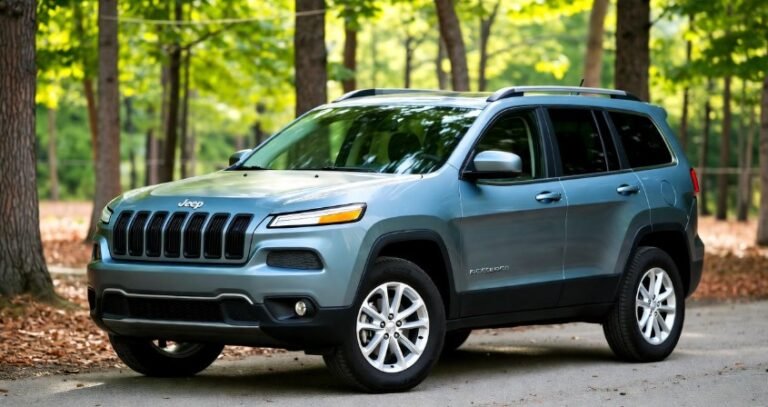
Image source: images.cars.com
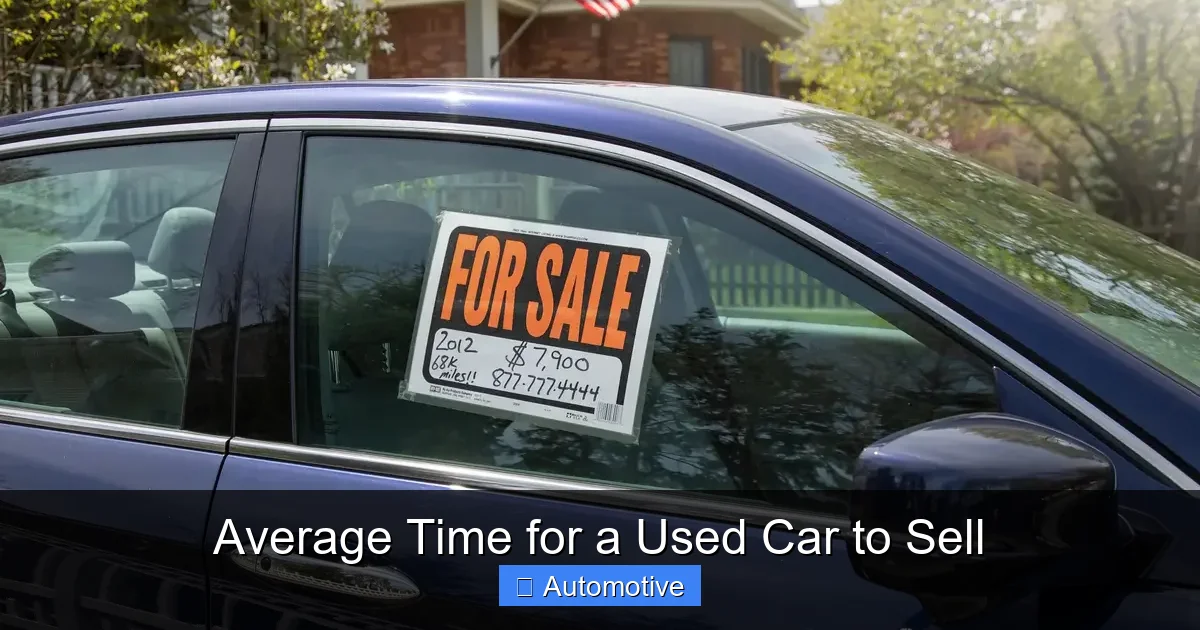
So, what makes one car sell in 10 days and another sit for 90? It’s not just luck. Several key factors influence how quickly your used car finds a new owner. Understanding these can help you make smarter decisions and speed up the process.
Vehicle Type and Market Demand
Not all cars are created equal in the resale market. Some models are in constant demand, while others are harder to move. For example, compact SUVs like the Honda CR-V or Toyota RAV4 tend to sell fast—often within 2–4 weeks—because they’re practical, reliable, and fuel-efficient. Similarly, trucks like the Ford F-150 or Chevrolet Silverado are perennial favorites, especially in rural or suburban areas.
On the flip side, luxury sedans, sports cars, or older minivans may take longer. They appeal to a narrower audience, and buyers often have more specific needs or higher expectations. A 2015 BMW 3 Series might sit for 60+ days unless it’s priced aggressively or has low mileage and a clean history.
Even within popular categories, trim level and features matter. A base-model compact car might sell slower than a well-equipped version with navigation, leather seats, and a sunroof. Buyers are often willing to pay a little more for added comfort and tech, which can make those models more attractive and faster to sell.
Pricing Strategy: The #1 Speed Booster
If there’s one factor that can make or break your sale timeline, it’s pricing. Overpricing is the fastest way to stall a sale. According to data from Kelley Blue Book and Edmunds, cars priced 5–10% below market value sell up to three times faster than those priced at or above market rate.
Let’s say you have a 2018 Toyota Camry with 40,000 miles. The average market price might be $18,000. If you list it at $19,500 “because it’s in great shape,” you’re likely scaring off buyers who can find similar models for less. But if you price it at $16,999, you’ll attract more interest, generate faster inquiries, and likely sell within a few weeks.
Of course, you don’t want to underprice either. The goal is to find the sweet spot—fair market value with a slight edge to encourage quick action. Use tools like Kelley Blue Book (KBB), Edmunds, or NADA Guides to get a realistic estimate. Then, check local listings on Facebook Marketplace, Craigslist, and Autotrader to see what similar cars are going for in your area.
Pro tip: Add “OBO” (or best offer) to your listing. This invites negotiation and can lead to a faster sale, especially if a buyer feels they’re getting a deal.
Vehicle Condition and Maintenance History
A clean, well-maintained car doesn’t just sell for more—it sells faster. Buyers want confidence. They want to know the car hasn’t been neglected or abused. That’s why detailing your car before listing it is one of the best investments you can make.
Start with a thorough wash and wax. Clean the interior—vacuum the seats, wipe down surfaces, and remove any personal items. Fix minor issues like burnt-out bulbs, cracked windshield wipers, or a sticky door handle. These small fixes signal that you’ve cared for the car, which builds trust.
Even better, provide a maintenance record. If you’ve kept receipts for oil changes, tire rotations, or brake work, include them in your listing. Some sellers even get a pre-sale inspection from a trusted mechanic and share the report. This transparency can eliminate buyer doubts and speed up the decision process.
For example, imagine two identical 2016 Honda Accords for sale. One has a clean exterior but a messy interior and no service history. The other is spotless, has all maintenance records, and includes a recent inspection report. Which one do you think will sell first? The second one—likely within days.
Seasonality and Timing
Believe it or not, the time of year can affect how quickly your car sells. Certain vehicles are more desirable during specific seasons, and listing at the right time can give you a big advantage.
Convertibles, for instance, sell much faster in spring and summer. People want to enjoy open-top driving when the weather is warm. If you list a 2017 Mazda MX-5 Miata in January, it might sit for months. But list it in May, and you could have offers within a week.
Similarly, trucks and SUVs tend to move faster in fall and winter. With snow and rough weather, buyers look for vehicles with four-wheel drive, high ground clearance, and towing capacity. A 2019 Ford Explorer might sell slowly in July but attract serious buyers by November.
Even family cars see seasonal trends. Minivans and larger sedans often sell faster in late summer as parents prepare for the school year. If you’re flexible with timing, consider holding off on listing until demand peaks for your vehicle type.
Listing Platform and Marketing Approach
Where and how you list your car can dramatically impact how fast it sells. A car listed on just one platform might get minimal views, while one posted across multiple sites can generate dozens of inquiries in a day.
The most effective sellers use a multi-platform strategy. They list on Facebook Marketplace (which has massive local reach), Craigslist (still popular for private sales), and specialized sites like Autotrader or Cars.com. Some even use apps like OfferUp or Letgo for mobile-friendly exposure.
But it’s not just about quantity—it’s about quality. A strong listing includes:
– A clear, descriptive title (e.g., “2018 Honda CR-V EX-L AWD – Low Miles, One Owner”)
– A detailed description highlighting key features, condition, and recent maintenance
– 8–12 high-quality photos taken in good lighting, showing the exterior, interior, engine, and tires
– Accurate mileage, VIN, and location
– Honest disclosure of any flaws (e.g., “small dent on rear bumper”)
Photos are especially important. Listings with 8 or more photos receive up to three times more inquiries than those with fewer images. Take pictures during the day, in a clean, well-lit area. Show the car from multiple angles, including close-ups of the wheels, dashboard, and back seat.
Pro tip: Write your description in a friendly, conversational tone. Avoid jargon. Instead of “vehicle possesses optimal fuel efficiency,” say “gets great gas mileage—perfect for commuting.” Buyers respond to authenticity.
How to Sell Your Used Car Faster: Proven Tips
Visual guide about Average Time for a Used Car to Sell
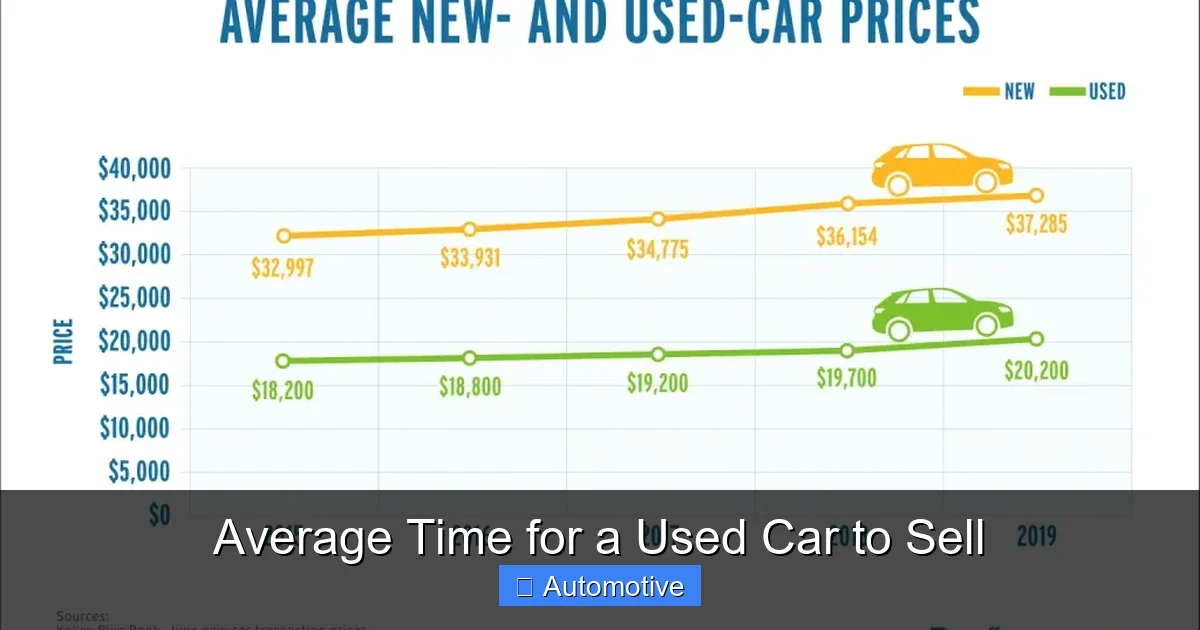
Image source: im-next-wp-prod.s3.us-east-2.amazonaws.com
Now that you know what affects the average time for a used car to sell, let’s talk about how to beat the average. With a few smart moves, you can go from “for sale” to “sold” in under 30 days—sometimes even faster.
Price It Right from Day One
We’ve said it before, but it’s worth repeating: pricing is everything. Research your car’s value using trusted sources, then price it competitively. If you’re unsure, start slightly below market value to generate buzz. You can always adjust if you get multiple offers.
Avoid emotional pricing. Just because you paid $25,000 for the car five years ago doesn’t mean it’s worth that now. Focus on current market data, not past feelings.
Invest in Professional Photos
You don’t need a professional photographer, but you do need good lighting and a steady hand. Use a smartphone with a high-resolution camera. Shoot outside on a sunny day, but avoid direct sunlight that creates harsh shadows.
Take photos of:
– The front, back, and both sides
– The interior (driver’s seat, passenger seat, back seat, trunk)
– The engine bay
– The wheels and tires
– Any special features (sunroof, infotainment system, etc.)
Edit lightly—brighten shadows, remove glare—but don’t overdo it. Buyers appreciate honesty.
Write a Compelling Description
Your description should answer the buyer’s top questions: What’s special about this car? Why should I buy it? Is it reliable?
Highlight:
– Low mileage
– One owner
– No accidents
– Recent repairs or upgrades
– Fuel efficiency
– Safety features
Use bullet points for easy reading. For example:
- Only 32,000 miles – well below average
- One previous owner, non-smoker
- New tires and brakes installed last month
- Backup camera, Apple CarPlay, heated seats
- Clean title, no accidents
Avoid vague statements like “great car” or “runs good.” Be specific.
Be Responsive and Flexible
When buyers reach out, respond quickly—within a few hours if possible. Use a friendly tone and answer questions thoroughly. If they want to see the car, be flexible with timing. Evenings and weekends are often best.
Consider offering a short test drive (with proof of insurance and a valid license). Most serious buyers won’t commit without one.
Consider a Pre-Sale Inspection
Spending $100–$150 on a pre-sale inspection can pay off big. It gives buyers peace of mind and can prevent last-minute deal-breakers. If the inspector finds minor issues, fix them before listing. If everything checks out, include the report in your listing.
Be Honest About Flaws
Don’t hide problems. If there’s a scratch, a check engine light, or a worn seat, mention it upfront. Buyers appreciate transparency, and it reduces the chance of disputes later.
For example: “Small scratch on rear bumper (see photo). Mechanic confirmed no structural damage.”
Real-Life Examples: How Long Did These Cars Take to Sell?
Visual guide about Average Time for a Used Car to Sell
Image source: billofsale-form.com
Let’s look at a few real-world scenarios to illustrate how the average time for a used car to sell can vary.
Example 1: The Fast Sale
Sarah listed her 2019 Subaru Outback with 38,000 miles on Facebook Marketplace and Autotrader. She priced it at $22,500—$1,000 below similar listings. She included 10 high-quality photos and a detailed description highlighting its all-wheel drive, fuel efficiency, and recent oil change. She also mentioned it had never been in an accident.
Within 48 hours, she had 12 inquiries. Three buyers came to test drive it. She sold it in 11 days to a family moving to a snowy area.
Example 2: The Slow Sale
Mike listed his 2014 BMW 328i for $14,000—right at market value. But he only posted on Craigslist, used three blurry photos, and wrote a short description: “Nice BMW, runs great, low miles.”
He got a few calls, but no serious buyers. After 60 days, he lowered the price to $12,500 and added better photos. It sold in week 10 to a young professional who appreciated the upgrade.
Example 3: The Seasonal Sale
Lisa listed her 2016 Jeep Wrangler in December. It sat for 70 days with minimal interest. In March, she relisted it with a note: “Perfect for spring adventures!” She also added photos of the Jeep with the top off.
Within a week, she had five test drives. It sold in 12 days to a couple planning a road trip.
These examples show that timing, presentation, and pricing can make all the difference.
Should You Use a Dealer or Sell Privately?
One big decision sellers face is whether to trade in their car at a dealership or sell it privately. Each option has pros and cons when it comes to speed and profit.
Selling Privately
Selling privately typically takes longer—30 to 60 days on average—but you’ll likely get more money. You avoid dealer markup and can negotiate directly with buyers. This route gives you full control over pricing, marketing, and the sale process.
Best for: Sellers who want maximum profit and don’t mind the effort.
Trading In or Selling to a Dealer
Trading in your car at a dealership is fast—often same-day—but you’ll get less money. Dealers need to make a profit, so they offer below market value. However, it’s convenient, especially if you’re buying a new car.
Some dealers also buy used cars outright, even if you’re not trading. Companies like CarMax or Carvana offer instant online quotes and quick payments.
Best for: Sellers who value speed and convenience over top dollar.
Hybrid Option: Online Car Buyers
Services like Vroom, Shift, or local cash-for-cars companies offer a middle ground. You get an online quote, schedule a pickup, and receive payment within days. They often pay more than a trade-in but less than a private sale.
This can be a good option if you want to sell quickly but still get a fair price.
Final Thoughts: Beat the Average and Sell Your Car Fast
The average time for a used car to sell is just that—an average. With the right strategy, you can beat it. Focus on pricing, presentation, and timing. Use multiple platforms, take great photos, and be honest about your car’s condition.
Remember, buyers are looking for value, reliability, and trust. If you can deliver all three, you’ll not only sell faster—you’ll sell for more.
Don’t rush the process, but don’t wait forever either. If your car hasn’t sold in 45 days, reassess. Is the price too high? Are the photos poor? Is the description vague? Small tweaks can make a big difference.
And if all else fails, consider a professional detail or a pre-sale inspection. These small investments can pay off in speed and sale price.
Selling a car doesn’t have to be stressful. With preparation and patience, you can turn your old ride into cash—and maybe even a little extra for your next adventure.
Frequently Asked Questions
How long does it take to sell a used car on average?
The average time for a used car to sell is between 30 and 60 days, depending on factors like pricing, condition, and market demand. Some cars sell in under two weeks, while others may take several months.
What’s the fastest way to sell a used car?
The fastest way is to price it competitively, use high-quality photos, list on multiple platforms, and be responsive to inquiries. Pricing 5–10% below market value can significantly speed up the sale.
Do clean cars sell faster?
Yes, clean, well-maintained cars with service records sell faster. Buyers are more confident in vehicles that look cared for and come with maintenance history.
Should I sell my car in the winter or summer?
It depends on the vehicle. Convertibles sell faster in summer, while trucks and SUVs move quicker in winter. Timing your listing with seasonal demand can help.
Is it better to sell privately or trade in?
Selling privately usually gets you more money but takes longer. Trading in is faster but offers less. Choose based on your priority: profit or convenience.
How many photos should I include in my listing?
Include at least 8–12 high-quality photos showing the exterior, interior, engine, and tires. Listings with more photos get more views and sell faster.