Automatic Car Wash Machine Price Guide
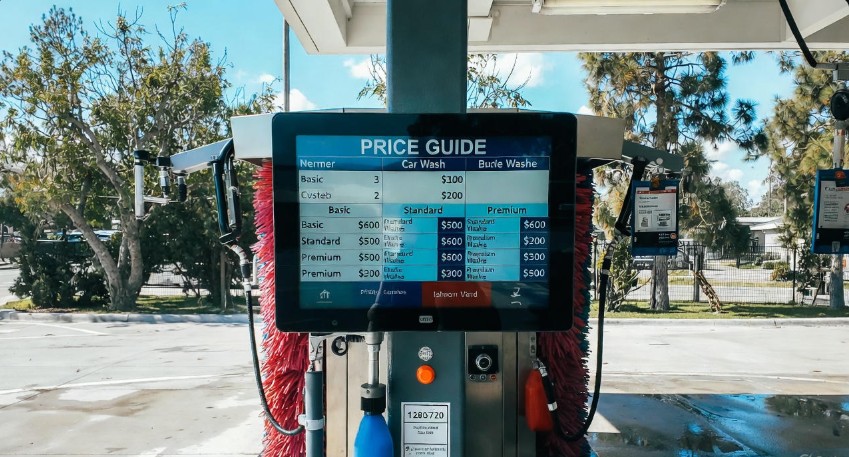
The automatic car wash machine price can range from a few thousand dollars for a basic touchless unit to well over $100,000 for advanced, high-volume tunnel systems, offering a spectrum of investment options for businesses seeking efficient vehicle cleaning solutions.
In This Article
- 1 Key Takeaways
- 2 Understanding the Automatic Car Wash Machine Price Landscape
- 3 Exploring the Cost Breakdown: What You’re Paying For
- 4 Comparing Automatic Car Wash Machine Prices: A Table Overview
- 5 Financing Your Automatic Car Wash Machine Investment
- 6 Pro Tips: Maximizing Your Car Wash Investment
- 7 Essential Features and Their Impact on Cost
- 8 Choosing the Right Automatic Car Wash Machine for Your Business
- 9 Frequently Asked Questions About Automatic Car Wash Machine Prices
- 9.1 How much does a basic automatic car wash machine cost?
- 9.2 What is the most expensive type of automatic car wash machine?
- 9.3 Are touchless car washes more expensive than friction washes?
- 9.4 Does the “automatic car wash machine price” include installation?
- 9.5 What are the ongoing operational costs of an automatic car wash?
- 9.6 How long does it take for an automatic car wash machine to pay for itself?
- 9.7 Is water recycling equipment included in the machine’s price?
- 10 Conclusion
Key Takeaways
- Explore automatic car wash machine price ranges for various types.
- Understand factors influencing the cost of car wash equipment.
- Discover financing and ROI for your car wash business.
- Learn about essential features and their impact on price.
- Compare different automatic car wash technologies and their costs.
- Plan your investment for a profitable car wash venture.
Keeping your vehicle pristine is a common desire for car owners across the USA. But finding the time for hand washing can be tough, especially with busy schedules. Automatic car wash machines offer a convenient solution, but the upfront investment can seem daunting. Figuring out the “automatic car wash machine price” can feel like navigating a complex map. Many different types of machines exist, and each comes with its own set of features and price tags. This guide will break down the costs, helping you understand what factors influence the price and what you can expect to pay. Let’s dive into the world of automated car cleaning and find the perfect fit for your needs without any confusion.
Understanding the Automatic Car Wash Machine Price Landscape
The market for automatic car wash machines is diverse, catering to a wide range of needs and budgets. Whether you’re a small business owner looking to add a single bay or a large enterprise planning a multi-wash facility, there’s an option out there. The “automatic car wash machine price” isn’t a single, fixed number; it’s a spectrum influenced by technology, size, features, and brand reputation. This section will broadly categorize the machines and give you an initial idea of the investment involved.
Types of Automatic Car Wash Machines and Their Cost Brackets
Automatic car wash machines can generally be categorized into a few main types, each serving different operational scales and price points. Understanding these distinctions is crucial for narrowing down your search and estimating costs.
1. Self-Service Bays (In-Bay Automatics)
These are the most common type found at many gas stations and standalone car wash sites. Customers drive their vehicles into a designated bay, and the automatic equipment moves over or around the car to perform a wash cycle. They typically offer a range of wash packages selectable by the customer.
- Price Range: $15,000 – $60,000+
- Key Features: Water sprayers, foaming brushes (in some models), drying fans, different wash options (basic wash, premium wash, wax).
- Ideal For: Existing gas stations looking to add a car wash service, smaller independent car wash businesses, locations with moderate traffic.
2. Tunnel Wash Systems
These are larger, more sophisticated systems designed for high-volume operations. Cars are typically placed on a conveyor belt, which pulls them through a series of washing, rinsing, and drying stations. Tunnel washes can offer multiple wash options and often include additional services like undercarriage washes and tire shining.
- Price Range: $75,000 – $300,000+
- Key Features: Conveyor system, advanced sprayers, multiple brush types (cloth, foam), high-velocity dryers, specialized cleaning stations (wheel blasters, tire shiners), advanced control systems.
- Ideal For: Dedicated car wash businesses, high-traffic areas, investors looking for a scalable and profitable venture.
3. Touchless Automatic Car Washes
As the name suggests, these systems clean the vehicle using high-pressure water jets and chemical solutions without physical contact. This eliminates the risk of scratching the vehicle’s paint, making them attractive to many customers. However, they might not be as effective on heavily soiled vehicles compared to friction washes.
- Price Range: $30,000 – $100,000+
- Key Features: High-pressure water nozzles, specialized cleaning chemicals, chemical applicators, drying fans. Some systems may incorporate oscillating arms or archways for comprehensive coverage.
- Ideal For: Businesses prioritizing scratch-free washes, luxury car markets, locations where paint protection is a key selling point.
4. Automatic Rollover Machines
These are a hybrid between self-service bays and tunnel washes. The machine moves over the car, performing the wash cycle. They are often a more compact solution than tunnels but offer more automation than a basic self-service bay. They are usually found in smaller dedicated car wash facilities or as an addition to an existing business.
- Price Range: $40,000 – $120,000+
- Key Features: Movable gantry system, various wash tools (sprayers, brushes, dryers), automated functions.
- Ideal For: Medium-sized car wash operations, businesses with limited space but requiring a more automated solution.
Factors Affecting the Automatic Car Wash Machine Price
When looking at the “automatic car wash machine price,” several key factors will significantly influence the final cost. Understanding these will help you budget more accurately and make informed decisions.
- Type of Machine: As explored above, the fundamental design and automation level (self-service, rollover, tunnel, touchless) are primary cost drivers. Tunnel systems, with their complex conveyor mechanisms and multiple wash stages, will inherently be more expensive than simple in-bay automatics.
- Brand and Manufacturer Reputation: Established manufacturers with a track record of reliability and innovation often command higher prices. These brands may also offer better warranties, support, and readily available parts, which can be valuable long-term benefits.
- Level of Automation and Technology: Machines with advanced features like smart sensors, variable speed conveyors, sophisticated water reclamation systems, and integrated payment processing will increase the price. The inclusion of high-quality materials, robust construction, and energy-efficient components also adds to the cost.
- Capacity and Throughput: Machines designed for higher volumes and faster cleaning cycles, such as long tunnel systems, will naturally be more expensive due to their larger size and more powerful components.
- Customization Options: If you require specific configurations, additional wash features (e.g., undercarriage sprayers, wheel cleaners, multi-stage waxing), or branding elements, these customizations will add to the base price.
- Installation and Site Preparation: The price of the machine itself is often separate from the costs associated with installation. This can include site surveys, foundation work, plumbing, electrical connections, and drainage systems. These can vary significantly based on your existing property.
- Ancillary Equipment: Consider the cost of additional equipment like water softeners, water recycling systems, air compressors, vacuum stations, and point-of-sale (POS) systems. These are often necessary for a fully functional car wash operation.
- Warranty and Support: A comprehensive warranty and reliable after-sales support can increase the initial cost but provide peace of mind and reduce potential downtime and repair expenses in the future.
Exploring the Cost Breakdown: What You’re Paying For
The “automatic car wash machine price” encompasses more than just the physical equipment. There are several integrated components and services that contribute to the overall investment. Let’s break down where your money goes.
Equipment Components
The core of the machine includes:
- Frames and Structures: The robust metal framework that supports all other components.
- Water and Chemical Delivery Systems: High-pressure pumps, nozzles, tanks, and piping for water, soap, wax, and rinse agents.
- Washing Mechanisms: Brushes (foam, cloth), oscillating arms, spray arches, and high-pressure jets.
- Drying Systems: Powerful air blowers and dryers.
- Conveyor/Movement Systems (for tunnels/rollovers): Motors, chains, belts, and sensors that move vehicles or the machine.
- Control Panels and Software: The brains of the operation, managing wash cycles, payment processing, and diagnostics.
Ancillary Systems and Services
Beyond the primary washing components, consider these essential add-ons:
- Water Reclamation Systems: These systems filter and reuse water, reducing consumption and operating costs. They are increasingly important for environmental compliance and cost savings.
- Water Softeners: Essential in areas with hard water to prevent mineral buildup on vehicles and equipment, ensuring a better shine and protecting longevity.
- Air Compressors: Needed to power pneumatic components within the wash system and for drying.
- Vacuum Stations: Often integrated into the car wash setup to offer a complete cleaning solution.
- Payment Systems: From coin/card readers to mobile payment apps, modern systems are crucial for customer convenience and operational efficiency.
- Site Preparation: Pouring concrete pads, installing drainage, running electrical and water lines.
- Installation and Commissioning: Professional setup and testing of the equipment.
- Training: For your staff on operation and basic maintenance.
A detailed quote from a manufacturer or dealer will itemize these costs. It’s crucial to get a comprehensive quote that includes everything you’ll need to get operational.
Comparing Automatic Car Wash Machine Prices: A Table Overview
To provide a clearer picture of the “automatic car wash machine price,” here’s a comparative table. Remember that these are approximate ranges and can vary based on specific features, brands, and customizations.
| Type of Machine | Approximate Price Range (USD) | Typical Throughput | Key Considerations |
|---|---|---|---|
| Self-Service Bay (In-Bay Automatic) | $15,000 – $60,000 | Low to Medium (e.g., 20-60 cars/hour/bay) | Simpler operation, lower initial cost, good for adding to existing businesses. May require more maintenance on brushes. |
| Touchless Automatic Car Wash | $30,000 – $100,000 | Medium (e.g., 30-80 cars/hour) | Scratch-free cleaning, appeals to luxury car owners. May struggle with heavily soiled vehicles. Requires powerful water jets. |
| Automatic Rollover Machine | $40,000 – $120,000 | Medium to High (e.g., 40-100 cars/hour) | More automated than self-service, more compact than tunnels. Good balance of cost and automation. |
| Tunnel Wash System | $75,000 – $300,000+ | Very High (e.g., 80-150+ cars/hour) | Highest throughput, significant investment, requires substantial space. Offers premium wash options and greater profit potential. |
This table provides a general guideline. For precise figures, it is essential to obtain quotes from multiple reputable manufacturers based on your specific requirements.
Financing Your Automatic Car Wash Machine Investment
The “automatic car wash machine price” can be a significant upfront cost. Fortunately, several financing options are available to help businesses acquire the necessary equipment and make this investment more manageable.
- Equipment Loans: Many financial institutions offer loans specifically for purchasing business equipment. These loans typically have terms ranging from 3 to 7 years, with interest rates depending on your creditworthiness and the loan amount.
- Leasing: Leasing an automatic car wash machine allows you to use the equipment for a fixed monthly payment without owning it outright. At the end of the lease term, you may have the option to purchase the equipment, renew the lease, or return it. Leasing can offer tax advantages and lower upfront costs compared to buying.
- Small Business Administration (SBA) Loans: The SBA doesn’t lend money directly but guarantees loans made by traditional lenders. SBA loans often have competitive interest rates and longer repayment terms, making them an attractive option for small businesses.
- Manufacturer Financing: Some car wash equipment manufacturers offer in-house financing or partner with lenders to provide financing options directly to their customers. These can sometimes offer favorable terms tailored to their equipment.
- Lines of Credit: A business line of credit can provide flexible access to funds that can be used for equipment purchase, installation, and other startup costs.
Calculating Return on Investment (ROI)
When considering any significant business investment, calculating the potential Return on Investment (ROI) is crucial. For an automatic car wash machine, your ROI depends on several factors:
- Revenue per Wash: The average price you charge for your wash packages.
- Number of Washes per Day/Week/Month: Your operational volume.
- Operating Costs: Water, electricity, chemicals, labor, maintenance, insurance, loan payments, and property taxes.
- Initial Investment: The total upfront cost of the machine, installation, and site preparation.
A simple ROI calculation is: (Annual Profit / Total Investment) * 100%. A more detailed business plan will project cash flow and break-even points, helping you understand how quickly your investment will pay for itself.
According to industry experts, the car wash industry can offer strong ROI, especially in high-traffic areas with competitive pricing and effective marketing. A well-managed car wash business can see returns in as little as 2-5 years, depending on the scale of operation and market conditions.
Pro Tips: Maximizing Your Car Wash Investment
Pro Tip: Consider including a water reclamation system from the start. While it adds to the initial “automatic car wash machine price,” it significantly reduces ongoing water and sewer costs, contributing to a faster ROI and a more eco-friendly operation.
Essential Features and Their Impact on Cost
The “automatic car wash machine price” is heavily influenced by the features included. While a basic machine can get the job done, advanced features enhance efficiency, customer experience, and profitability.
- Water and Chemical Management:
- Basic: Standard sprayers and single-stage chemical application.
- Advanced: Multi-stage chemical application (pre-soak, soap, rinse, wax), automated dilution systems, precise chemical dosage controls.
Advanced systems can improve wash quality and chemical efficiency but increase costs.
- Brush Technology (Friction Washes):
- Basic: Traditional foam or cloth strips.
- Advanced: Hybrid materials, specialized designs for better dirt removal and gentler on paint, oscillating or variable speed brushes.
Advanced brushes offer superior cleaning but are typically more expensive to purchase and maintain.
- Drying Systems:
- Basic: Single or dual blower units.
- Advanced: High-velocity, multi-directional air dryers, heated air options, larger blower capacity for faster drying.
More powerful and efficient drying systems lead to happier customers but also higher energy consumption and equipment cost.
- Vehicle Positioning and Control:
- Basic: Simple guiding mechanisms.
- Advanced: Sensor-driven systems for precise vehicle placement, conveyor belt optimization, automatic shut-off features for safety.
Sophisticated guidance systems reduce the risk of damage and improve wash consistency, justifying a higher price.
- Water Recycling and Filtration:
- Basic: Minimal or no recycling.
- Advanced: Multi-stage filtration, UV sterilization, mineral reduction, sediment removal.
Robust water recycling systems are a significant investment but lead to substantial savings on water bills and are crucial for sustainability and compliance with local regulations. You can find more information on water conservation in the automotive sector from resources like the EPA’s WaterSense program.
- Payment and Management Software:
- Basic: Simple coin or card acceptor.
- Advanced: Touchscreen interfaces, mobile app integration, loyalty programs, remote monitoring, detailed reporting.
Integrated, modern payment and management systems enhance customer experience and provide valuable data for business optimization, albeit at a higher initial cost.
Choosing the Right Automatic Car Wash Machine for Your Business
Selecting the right automatic car wash machine involves balancing your budget with your operational needs and business goals. Here’s a step-by-step approach:
- Assess Your Location and Market:
- High-traffic urban areas might benefit from a high-volume tunnel wash.
- Suburban areas with a mix of car types could thrive with rollover or touchless systems.
- Existing gas stations might find self-service bays or rollovers to be the best fit.
- Research your local competition and identify unmet needs or opportunities.
- Define Your Service Offerings:
- Will you offer basic washes only, or premium packages with undercarriage cleaning, waxes, and tire shining?
- Do you plan to offer detailing services or vacuuming?
- Consider the types of vehicles common in your area (e.g., large SUVs, trucks, sedans).
- Determine Your Budget:
- Factor in not just the “automatic car wash machine price” but also installation, site preparation, ongoing utilities, chemicals, maintenance, and potential financing costs.
- Don’t forget to allocate funds for marketing and customer service.
- Research Manufacturers and Suppliers:
- Look for reputable companies with good customer reviews and strong after-sales support.
- Request detailed brochures, specifications, and quotes from multiple suppliers.
- Ask about warranties, available training, and spare parts availability.
Organizations like the International Carwash Association (ICA) can be valuable resources for industry insights and connecting with suppliers.
- Compare Features and Technologies:
- Match the features of different machines to your defined service offerings and market needs.
- Consider the long-term benefits of features like water recycling and advanced drying.
- Evaluate the ease of operation and maintenance.
- Get Detailed Quotes and Financing Options:
- Request comprehensive proposals that include all costs – machine, installation, training, and initial supplies.
- Explore financing options thoroughly to find terms that align with your financial projections.
- Negotiate terms where possible.
- Consider Future Scalability:
- Will the machine you choose allow for upgrades or additions later?
- Can it handle increasing customer volumes as your business grows?
Frequently Asked Questions About Automatic Car Wash Machine Prices
How much does a basic automatic car wash machine cost?
A basic in-bay automatic car wash machine, often used for self-service or simpler operations, can cost anywhere from $15,000 to $60,000. This typically includes the main wash equipment like sprayers and basic dryers but may not include site preparation or advanced features.
What is the most expensive type of automatic car wash machine?
Tunnel wash systems are generally the most expensive type of automatic car wash machine. Due to their large size, complex conveyor systems, multiple wash stages, and high throughput capabilities, prices can range from $75,000 to well over $300,000.
Are touchless car washes more expensive than friction washes?
Generally, touchless car washes can be comparable in price to, or slightly more expensive than, basic friction wash systems. The higher cost is often due to the need for more powerful, precisely controlled high-pressure water jets and potentially more sophisticated chemical application systems to achieve effective cleaning without physical contact.
Does the “automatic car wash machine price” include installation?
This varies by manufacturer and dealer. Some may include installation in a package price, while others itemize it separately. It is crucial to clarify this when getting quotes. Installation costs can add significantly, ranging from a few thousand dollars for simpler units to tens of thousands for large tunnel systems, depending on site complexity.
What are the ongoing operational costs of an automatic car wash?
Ongoing costs include utilities (water, electricity), cleaning chemicals (soaps, waxes), maintenance and repairs, insurance, and potentially labor. Water recycling systems can significantly reduce water costs. Energy-efficient models can also help lower electricity bills. Proper maintenance from a reputable provider, like those certified by the ICA’s Safety and Quality Certification, can minimize costly breakdowns.
How long does it take for an automatic car wash machine to pay for itself?
The payback period, or Return on Investment (ROI), depends on many factors, including the initial investment, pricing, wash volume, and operational efficiency. Well-managed car wash businesses in good locations can often see their investment pay back within 2 to 5 years.
Is water recycling equipment included in the machine’s price?
Water recycling systems are often an optional add-on. While they increase the initial “automatic car wash machine price,” they offer substantial long-term savings on water usage and can be essential for environmental compliance in many areas. It’s important to inquire about these options and their associated costs.
Conclusion
Investing in an automatic car wash machine is a significant decision that can lead to a profitable business venture. The “automatic car wash machine price” is a multifaceted figure, encompassing the technology, size, features, brand, and installation costs. By carefully considering the various types of machines available – from cost-effective self-service bays to high-volume tunnel systems – and understanding the factors that influence their price, you can make an informed choice. Researching reputable manufacturers, exploring financing options, and projecting your return on investment are crucial steps in this process. With thorough planning and the right equipment, your automatic car wash business is well on its way to success, providing a valuable service to car owners while driving your own growth.