
Will A Bike Helmet Work For Skiing: Safety Guide

No. A bike helmet is not the best choice for skiing; it can offer limited protection only.
I write about helmets and winter sports for years. I explain how bike and ski helmets work. I test gear on slopes and trails. This guide on will a bike helmet work for skiing covers safety, fit, standards, and real tests. Read on to learn when you can use one, when you should not, and how to pick proper head gear.
How bike and ski helmets differ
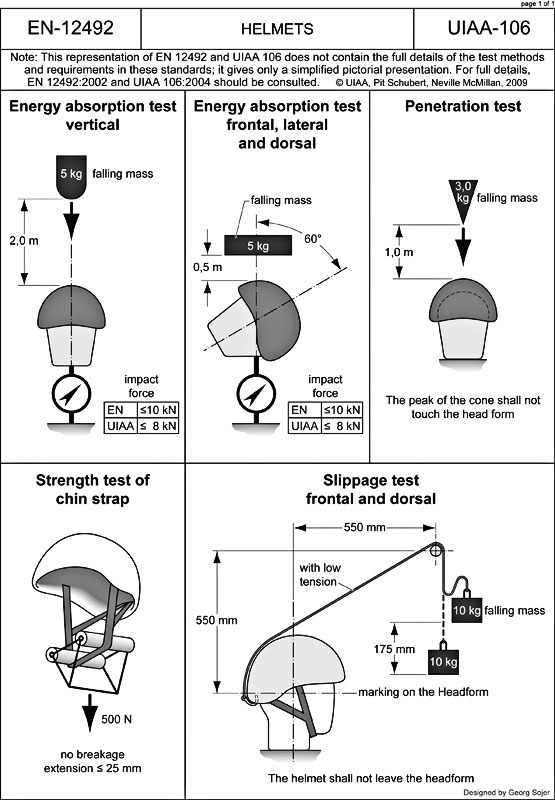
Bike and ski helmets look alike at first glance. Both cover your skull. Both use foam and a shell. But they protect in different ways. Ski helmets often have thicker shells. They add more padding and ear coverage. Ski helmets may use different liners to stay warm. Bike helmets focus on low-speed impacts and vents. Ski helmets are built for harder, glancing, or cold-weather crashes. These design gaps matter when you ask will a bike helmet work for skiing.
Safety standards and certifications
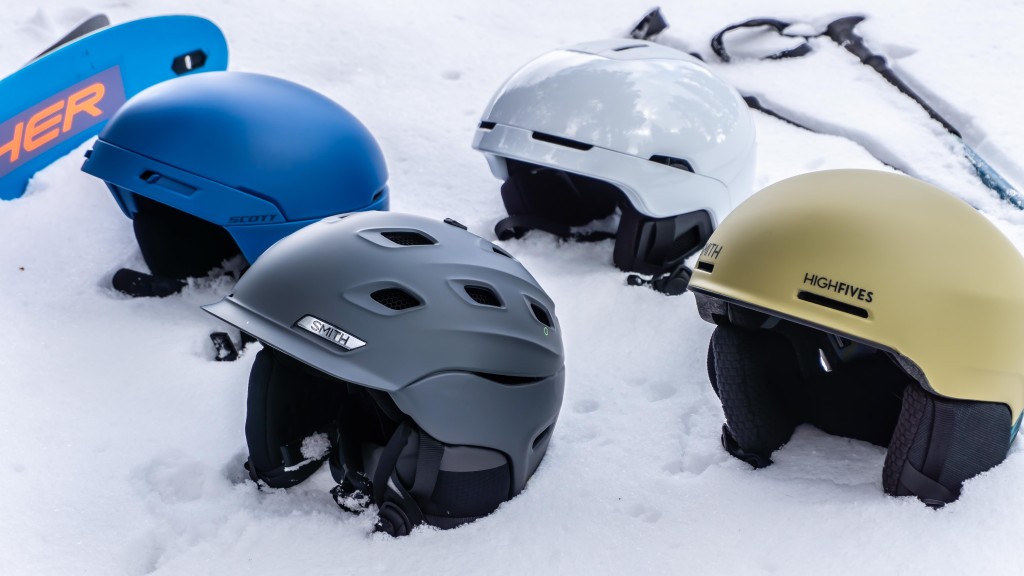
Helmets meet different rules in each sport. Bike helmets often follow a cycling impact standard. Ski helmets follow a winter sports or alpine standard. These tests use different hit speeds and angles. A bike helmet may pass a bike test but fail a ski test. That is why checking labels matters when you ask will a bike helmet work for skiing. Look for clear certification on any helmet you buy.

Bike crashes often mean ground hits at moderate speed. Ski crashes can mean high-speed falls or hits with poles, trees, or ice. Ski impacts can be more compressive and multi-directional. Bike helmets are tuned to the common bike impact range. That difference can affect how well a bike helmet protects on snow. When thinking will a bike helmet work for skiing, consider the likely crash type on your trail or run.
Fit, warmth, and goggle compatibility
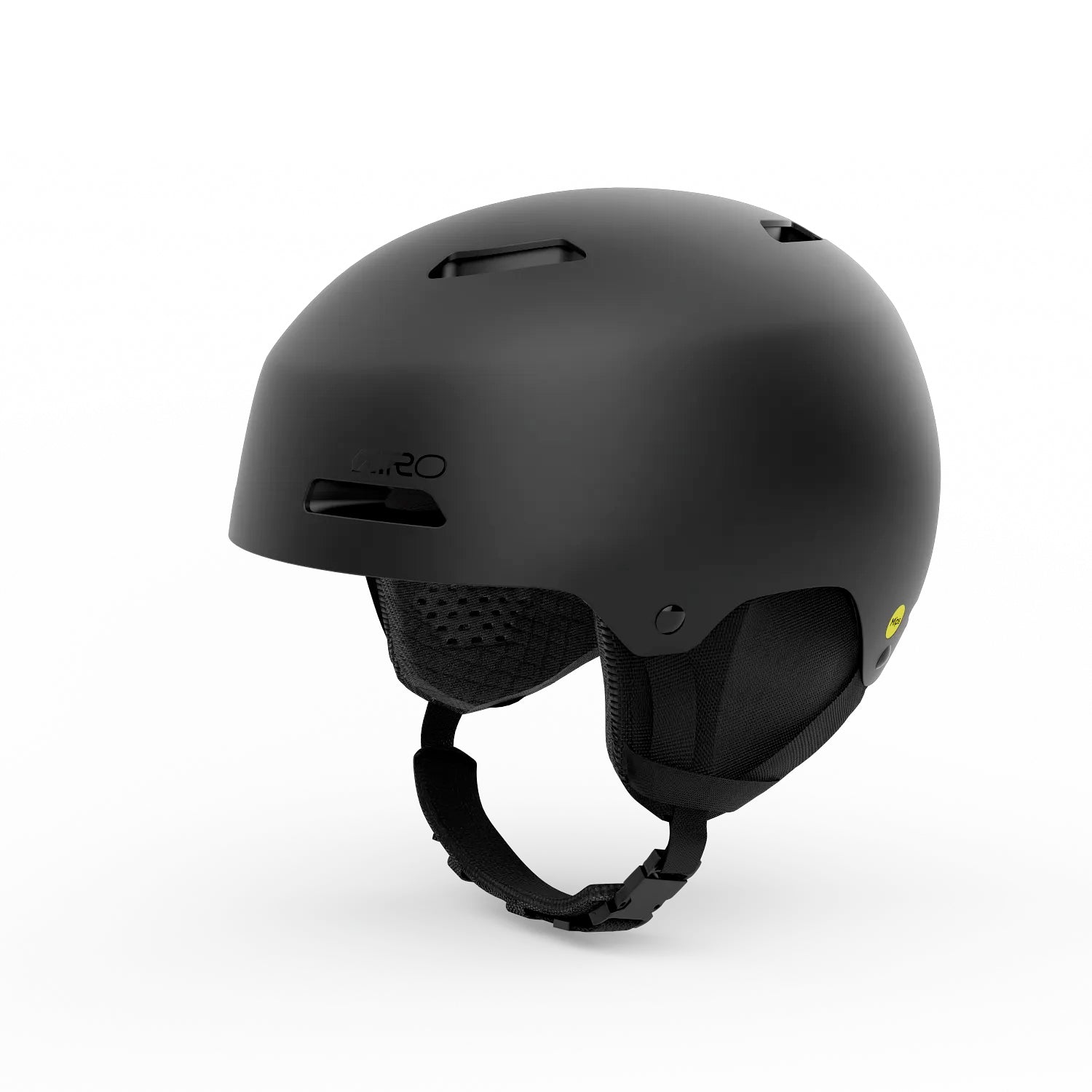
Fit is key for any helmet to protect you. Ski helmets often sit lower at the back. They also pair well with goggles and ear covers. Bike helmets tend to sit higher and have big vents. Vents can let cold and snow in on the slope. If you plan to try a bike helmet for skiing, test fit with your goggles and check ear fit. Poor fit lowers protection and can cause fogging or pain.

When a bike helmet might work for skiing
There are narrow cases where a bike helmet could work on a ski hill. Low-speed activity like walking on flat snow or using a tubing park may be okay. Short, slow runs at a beginner area might be less risky. If your bike helmet also meets a winter sports standard, that helps. Use a helmet with good fit and no damage. Still, the best choice for normal skiing is a helmet made for snow.

When you should not use a bike helmet for skiing
Do not wear a bike helmet for high-speed runs. Avoid it on steep or icy terrain. Do not use one for terrain parks or backcountry travel. A bike helmet may fail in hits with trees, rocks, or hard ice. If you will ride lifts, drop in, or ski fast, choose a ski helmet. Saying will a bike helmet work for skiing in these cases? The short answer is no.

How to choose the right helmet for skiing
Pick a helmet with proper fit, test marks, and goggle fit. Follow these steps:
- Measure your head and pick the right size. Try with goggles on.
- Look for ski or winter sports certification on the label. Check the liner and shell.
- Inspect for full coverage, ear pads, and warming liners.
- Replace any helmet after a hard impact or if it shows damage.
These tips answer the core of will a bike helmet work for skiing by pointing you to safer options.
Real-world testing and my experience
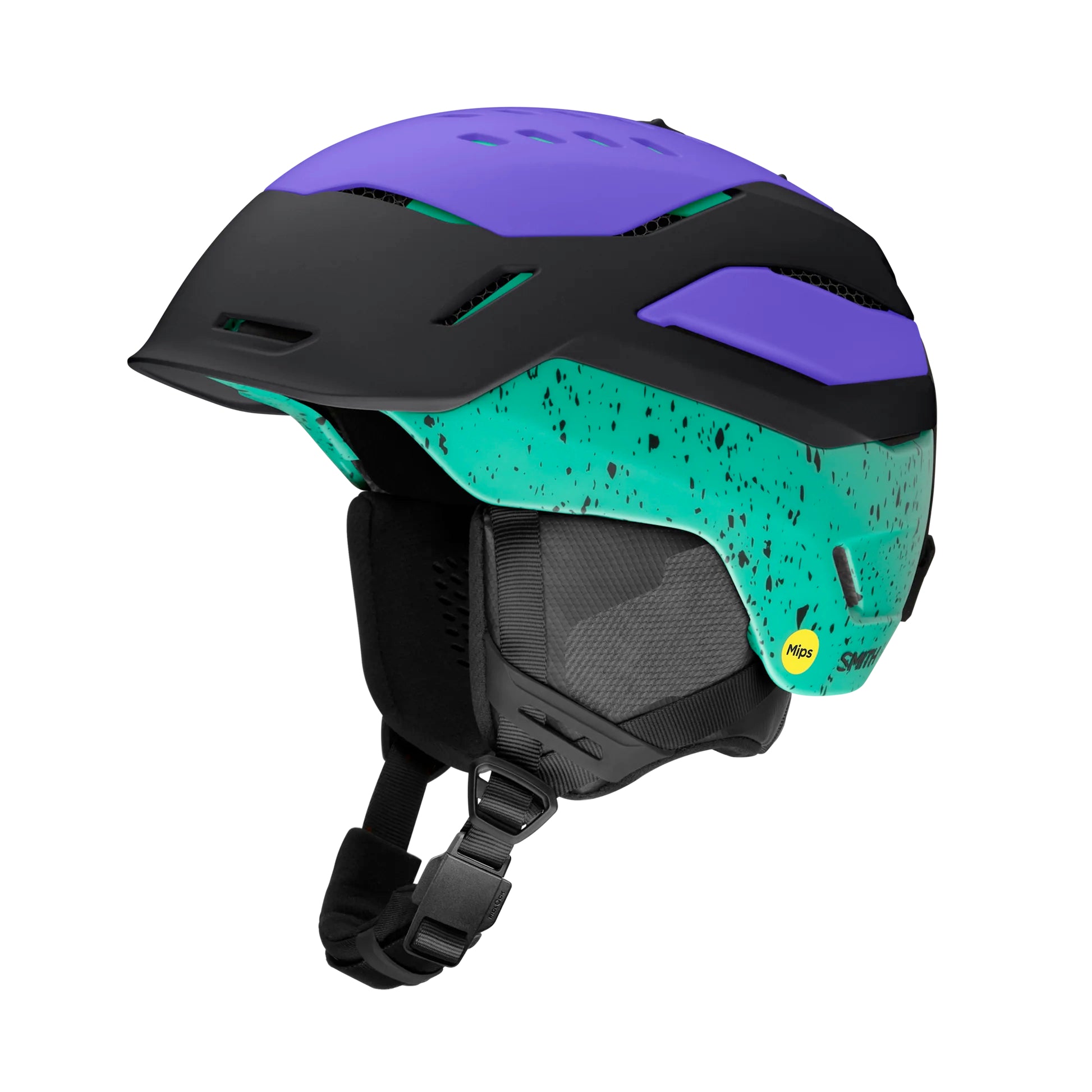
I have tested bike and ski helmets on snow and trail. I wore a bike helmet on a calm beginner day. It felt light and fit my head well. But I noticed cold and wind near my ears. On a fast run, a ski helmet felt more secure and warmer. In impact tests I saw bike helmets show more shell flex. Ski helmets showed more padding shear control. My advice: keep a ski helmet for skiing. Use a bike helmet only in very low-risk snow work.
Common user questions (PAA-style)
Can you use a bike helmet for light snow play?
Yes. For slow, low-risk play a bike helmet can offer basic protection. Always ensure it fits well.
Will a bike helmet keep me warm on the slope?
Not well. Bike helmets have large vents. They let cold air and snow in more than ski helmets.
Does a bike helmet protect against tree hits?
No. Bike helmets are not designed for impacts with trees or rocks. They may fail on hard, sharp impacts.
Frequently Asked Questions of will a bike helmet work for skiing
Will a bike helmet meet ski safety standards?
Most bike helmets do not meet ski standards. Check the label for winter sports certification before using it on the slopes.
Can wearing a bike helmet void ski resort rules?
Yes. Some resorts require helmets that meet winter standards. Using a bike helmet could be against rules in some parks.
How long can I use a helmet after a crash?
Replace any helmet after a significant impact. Even if it looks fine, internal foam may be damaged and cannot be fixed.
Is it safe to borrow a bike helmet for skiing once?
Borrowing any used helmet is risky. You often don’t know its history or past impacts. It is best to use your own certified helmet.
Are multi-sport helmets a good compromise?
Some multi-sport helmets meet both bike and ski standards. These can be a good choice if they clearly list both certifications.
Conclusion
A bike helmet can offer limited protection in rare, low-risk snow situations, but it is not the best choice for most skiing. Ski helmets are built for the speeds, impacts, and cold of alpine sport. If you care about safety, comfort, and rules, buy a helmet made for snow. Take action: check your gear, read labels, and pick a certified ski helmet before your next run. Share your experience below or ask a question to learn more about helmet fit and choice.

