
Can I Use A Mountain Bike Helmet For Road Biking: Explained

Yes — often you can use a mountain bike helmet for road biking, but choose wisely for fit and ventilation.
I’ve ridden hundreds of miles on both trail and tarmac. I will explain whether can i use a mountain bike helmet for road biking, when it makes sense, and what to watch for. Read on for clear, experience-based guidance that helps you pick the best helmet for your rides.
Why this question matters
Many riders wonder: can i use a mountain bike helmet for road biking? The question matters because helmets protect your head. Different helmets suit different riding styles. Road riders chase speed and airflow. Mountain bikers need coverage and visor protection. Choosing the wrong helmet can cost comfort, safety, or speed. This guide breaks down the facts in simple, clear terms.

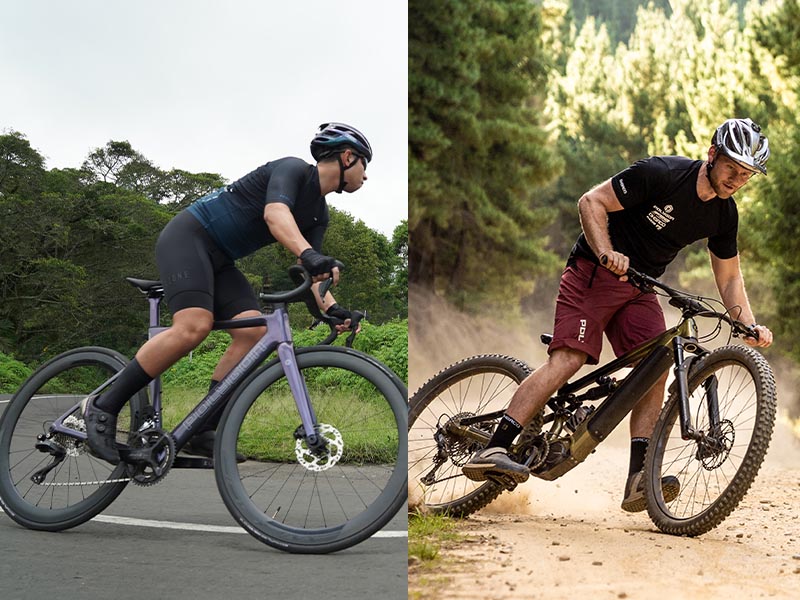
Key differences between mountain bike and road helmets
Understanding differences helps answer can i use a mountain bike helmet for road biking.
- Coverage and shape. Mountain helmets often cover the back of the head more. Road helmets are shorter at the rear.
- Ventilation. Road helmets usually have larger vents for steady airflow. Mountain helmets focus on cooling at low speeds.
- Visors. Mountain helmets commonly include visors to block sun and branches. Road helmets rarely have visors.
- Weight and aero design. Road helmets are often lighter and more aerodynamic. Mountain helmets can be bulkier.
- MIPS and safety features. Both styles can offer MIPS or similar rotational-impact tech, but fit and design differ.
These differences affect fit, comfort, and performance on the road.

Safety standards and protection
When you ask can i use a mountain bike helmet for road biking, safety is key. Look for helmets that meet recognized standards. Common certifications are CPSC, CE, and AS/NZS. Many modern mountain helmets meet these standards. A certified mountain helmet can be safe on pavement if it fits and is undamaged. Always replace a helmet after any significant impact.
Fit, comfort, and adjustability
Fit matters more than style. A helmet that fits well stays in place in a crash. It should sit level on your head. Adjust the retention dial and straps so the helmet feels snug. If you ask can i use a mountain bike helmet for road biking, test it on long rides. Pay attention to pressure points and hot spots. A well-fitting mountain helmet can be very comfortable for road miles.

Ventilation and heat management
Road rides often mean sustained speed. Ventilation helps you stay cool. Mountain helmets may have fewer or smaller vent channels. This can make you warmer on long pavement rides. If you plan to use a mountain helmet for road cycling, pick one with good airflow. Also consider models with efficient internal channels. Proper ventilation reduces fatigue and keeps you focused.
Aerodynamics and riding speed
If you race or chase fast group rides, aero matters. Ask can i use a mountain bike helmet for road biking and expect top speed? Not really. Mountain helmets usually have a boxier shape. That can create more drag. For casual speed or commuting, the aero penalty is small. For time trials or fast groups, a road-specific aero helmet is a better choice.

Visors, sun, and eye protection
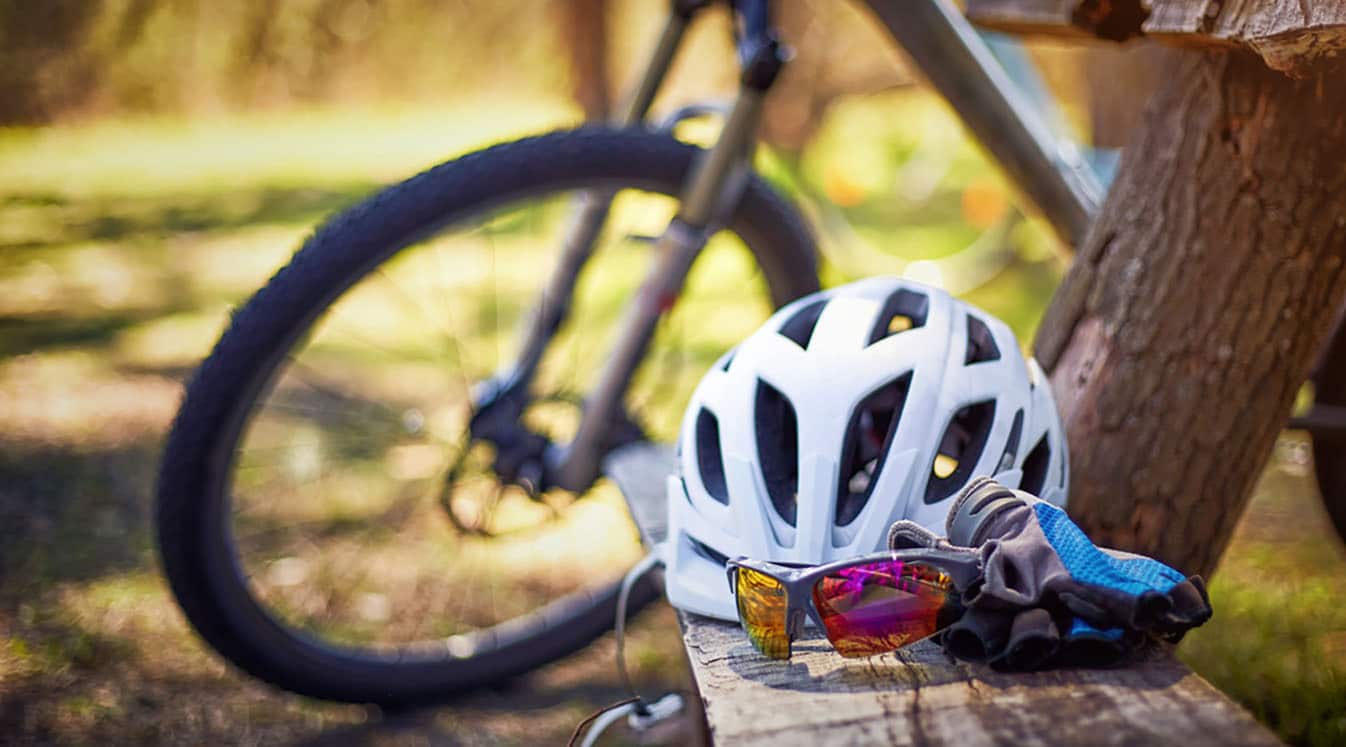
Visors are helpful off-road. They block sun and branches. On the road, visors can catch wind and cause noise. They can also interfere with sunglasses. If you plan to use a mountain helmet for road biking, choose a removable or low-profile visor. That balances sun protection with low-drag riding.
When it makes sense to use a mountain bike helmet for road biking
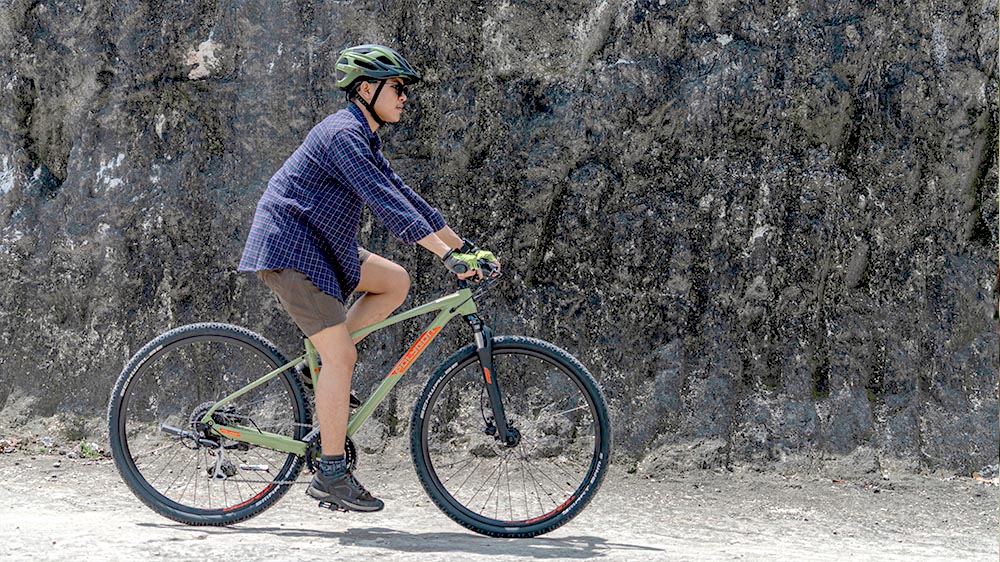
Here are practical scenarios where can i use a mountain bike helmet for road biking makes sense.
- Commuting and casual rides. Comfort and coverage beat aero needs.
- Mixed-surface rides. If you ride gravel, dirt connectors, or trails, a mountain helmet works well.
- Extra rear coverage. You want more protection for technical descents.
- Cold weather. Mountain helmets often pair better with hats or goggles.
- You already own a certified helmet. Buying another helmet may not be necessary.
These situations show good reasons to use one helmet for many types of rides.

When a mountain helmet is not ideal for road biking
Be honest about limits when asking can i use a mountain bike helmet for road biking.
- Competitive road racing. Aerodynamics and weight matter here.
- Long, hot rides. Poor ventilation can lead to overheating.
- Group time trials. Noise and visor interference can be problematic.
- If fit is poor. A bulky mountain helmet that doesn’t sit right reduces safety.
If one of these applies, consider a road-specific helmet.
My personal experience and lessons learned
I’ve worn mountain helmets on long road rides and vice versa. I learned these lessons.
- Comfort beats looks. A comfy helmet kept me riding longer.
- Test on short rides first. I tested a new helmet for 30–60 minutes before long outings.
- Watch visor fit. A removable visor made the helmet usable on fast paved rides.
- Ventilation matters on sunny days. I switched helmets on hot summer rides to avoid overheating.
- Fit is safety. One helmet with a poor fit felt unsafe at speed, so I replaced it.
These simple lessons saved me from regret and helped my riding comfort.
Buying tips and what to look for
If you decide can i use a mountain bike helmet for road biking, check these points.
- Certification. Ensure CPSC, CE, or equivalent certification.
- Fit. Try before you buy and test with sunglasses or goggles.
- Ventilation. Inspect vents and internal channels.
- Weight. Lighter helmets reduce neck fatigue on long rides.
- MIPS or rotational protection. This adds safety in angled impacts.
- Removable visor. Good for mixed use.
- Reflective elements. These help with visibility in traffic.
Follow this checklist for a smart purchase.
Maintenance and care
Keep your helmet ready for the road. Clean it with mild soap and water. Avoid harsh chemicals. Replace pads if dirty or worn. Inspect straps and shell for cracks. Replace any helmet after a crash or serious drop. A well-maintained helmet stays reliable.
Quick practical checklist before any road ride
Use this short list to decide if can i use a mountain bike helmet for road biking today.
- Is the helmet certified? If not, don’t use it.
- Does it fit snugly? Test the fit now.
- Are vents adequate for the temperature? If hot, consider a ventilated road helmet.
- Is the visor removable or low-profile? Remove it if needed.
- Any damage or cracks? Replace if you find any.
This checklist helps you choose safely every time.
Frequently Asked Questions about can i use a mountain bike helmet for road biking
Can I use a mountain bike helmet for road biking safely?
Yes. A certified mountain helmet can be safe for road rides if it fits well and is undamaged. Check ventilation and comfort for longer rides.
Will a mountain bike helmet make me slower on the road?
Maybe. Mountain helmets tend to be less aerodynamic. For casual rides, the speed loss is minor. For racing, a road aero helmet is better.
Do mountain helmets have the same safety ratings as road helmets?
Many do. Both types can meet CPSC, CE, or other standards. Always check the label for certification.
Should I remove the visor for road biking?
Removing the visor can reduce wind noise and drag. It also makes sunglasses fit better. Use the visor if you need sun or debris protection.
How often should I replace my helmet?
Replace after any crash or significant impact. Also replace every 3–5 years due to material aging and wear.
Conclusion
A mountain helmet can work for many road rides when it fits, is certified, and keeps you comfortable. For casual riding, commuting, and mixed-surface days, it is a great choice. For racing or long, hot rides, a road-specific helmet may serve you better. Test a helmet on short rides, watch ventilation and visor use, and prioritize a snug fit and certification. Try what feels best, ride confidently, and leave a comment about your helmet choice or questions.

