
Are Jeep Interiors Waterproof?

Jeep interiors are not inherently waterproof. While modern Jeeps offer good water resistance for everyday rain, their design—especially removable tops and doors—creates vulnerabilities. Factory seals and drains help, but heavy rain, deep water fording, or high-pressure washing can lead to leaks. The key to a dry interior is understanding your Jeep’s limits and investing in targeted aftermarket sealing and protection products.
Key Takeaways
- Water-Resistant, Not Waterproof: Factory Jeep interiors are designed to handle typical rain and minor splashes, but they are not sealed containers capable of withstanding submersion or prolonged high-pressure water exposure.
- Design Creates Vulnerability: Removable tops, doors, and large openings for windows are primary pathways for water intrusion, especially if seals are worn or improperly aligned.
- Model Matters Greatly: A Jeep Wrangler with a soft top and doors off has vastly different water protection than a Grand Cherokee with a fixed roof and sealed doors.
- Maintenance is Critical: Regularly inspecting and replacing worn door seals, top seals, and ensuring drain holes are clear is the single most effective factory upkeep to prevent leaks.
- Aftermarket Solutions Work: High-quality all-weather floor mats, door seal upgrades, and proper soft top care products significantly enhance interior protection against the elements.
- Driving Behavior Affects Results: How you drive—speed through puddles vs. crawling through deep water—directly impacts the likelihood of water breaching your interior defenses.
- Electronics Need Special Care: Even small leaks can damage sensitive electronics like the radio, HVAC controls, and wiring harnesses, making proactive protection essential.
📑 Table of Contents
- Understanding Waterproof vs. Water-Resistant: The Crucial Difference
- Factory Jeep Interior Protection: What You Actually Get
- Common Water Intrusion Points: Where Leaks Start
- Aftermarket Waterproofing and Protection: Your Real Solution
- Maintenance Checklist: Proactive Leak Prevention
- Model-Specific Considerations: Wrangler vs. Gladiator vs. Others
- The Final Verdict: Managing Expectations
Understanding Waterproof vs. Water-Resistant: The Crucial Difference
Before we dive into Jeeps, we need to clear up a common misunderstanding. “Waterproof” means an item can be completely submerged in water without any moisture penetrating. Think of a dive watch or a waterproof case for your phone. “Water-resistant” means it can repel water to a certain degree but is not guaranteed to keep all water out under all conditions. Your smartphone might be water-resistant for a spilled drink, but it’s not waterproof for a swim in the pool.
Jeep, from the factory, designs its vehicles to be water-resistant. This is a deliberate engineering choice tied to their core identity as open-air, versatile vehicles. The goal is to keep you dry during a sudden rainstorm or while driving down a wet forest road, not to turn your cabin into a submarine. This distinction is the absolute foundation for understanding everything about Jeep interior water protection.
The Open-Air Philosophy and Its Trade-Offs
Jeep’s heritage is built on freedom and adventure. That means removable tops, fold-down windshields, and doors that can come off. These features are fantastic for connecting with the outdoors, but they are, by their very nature, giant holes in the vehicle’s weatherproofing shell. When you remove a door, you remove a primary barrier against road spray and rain. When you lower a soft top, you rely on a system of straps, latches, and fabric seals that will never be as airtight as a fixed steel roof.
This isn’t a flaw; it’s a feature. However, it comes with the responsibility of owner awareness. You must understand that your Jeep’s level of interior protection changes dramatically based on its configuration. A hardtop Wrangler with all doors on is a completely different animal from the same Wrangler with its top off and doors stored in the garage.
Factory Jeep Interior Protection: What You Actually Get
So, what does Jeep actually do from the factory to keep water out? It’s a multi-layered approach, but the layers are thin and have limits. Let’s break down the standard defenses on a typical modern Jeep Wrangler (JL/JT) or Gladiator.
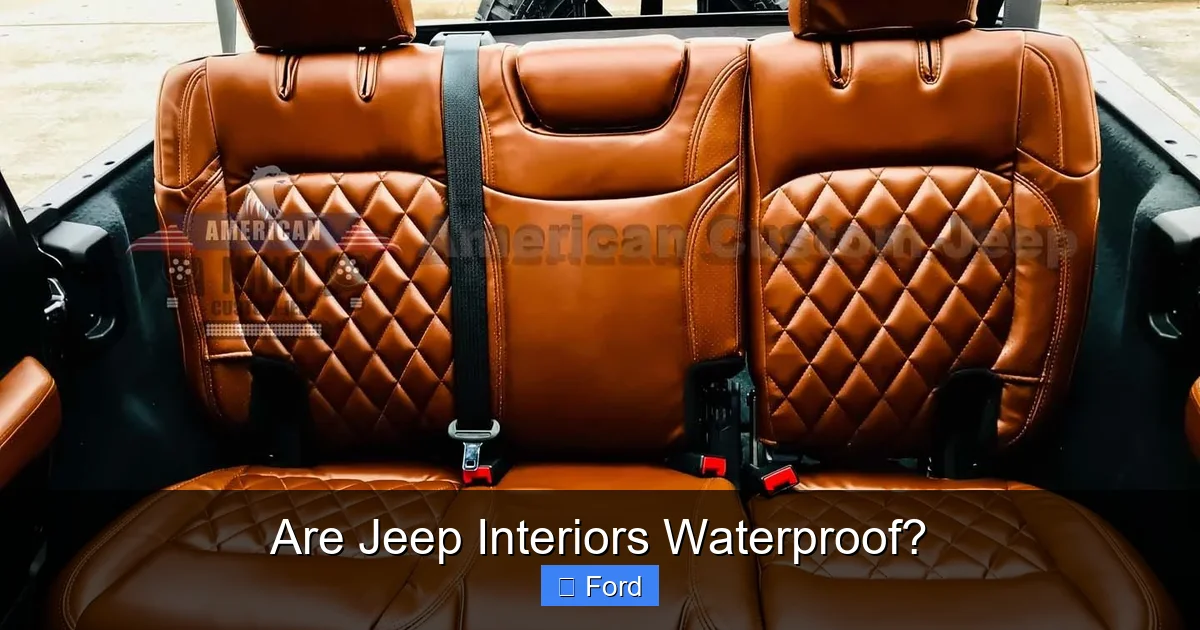
Visual guide about Are Jeep Interiors Waterproof?
Image source: i.pinimg.com
Seals and Gaskets: The First Line of Defense
Every opening—doors, hood, tailgate, and the interface between the top and the body—has rubber seals. These are the workhorses of water resistance. On a new Jeep, these seals are pliable and effective. Their job is to compress when the door or top is closed, creating a continuous barrier. Over time, exposure to UV rays, ozone, and temperature cycles hardens this rubber. It loses its elasticity, cracks, and no longer seals properly. A single dried-out door seal can turn a minor drizzle into a river on your passenger floorboard.
Drain Holes and Channels: The Escape Routes
Smart engineering acknowledges that some water will get past the seals. That’s why Jeeps have a network of hidden drain holes and channels. Water that sneaks past the door seal is funneled by design into internal channels and then out through small holes at the bottom of the door, often near the rocker panel. Similarly, the soft top has channels that direct water toward the rear corners and out through dedicated drain tubes. These drains are critical, and they clog. Leaves, dirt, and debris can easily block these tiny exits, causing water to back up and overflow into the cabin. Periodic cleaning of these drains with a flexible wire or compressed air is a non-negotiable maintenance task for any Jeep owner.
Carpeting and Padding: Not a Water Barrier
Here’s a key point: the factory carpet and padding underneath it are not waterproof. They are essentially a giant sponge. If water reaches the carpet, it will soak through to the metal floorpan and the padding beneath, creating a long-lasting damp smell and potential for rust. The carpet’s job is comfort and sound deadening, not waterproofing. This is why the moment water touches the factory carpet, you have a problem that needs immediate attention.
Common Water Intrusion Points: Where Leaks Start
Knowing where water typically invades a Jeep is half the battle. Leaks are almost never random; they follow predictable paths based on design weaknesses and wear points. Here are the most common culprits, ranked from most to least frequent.
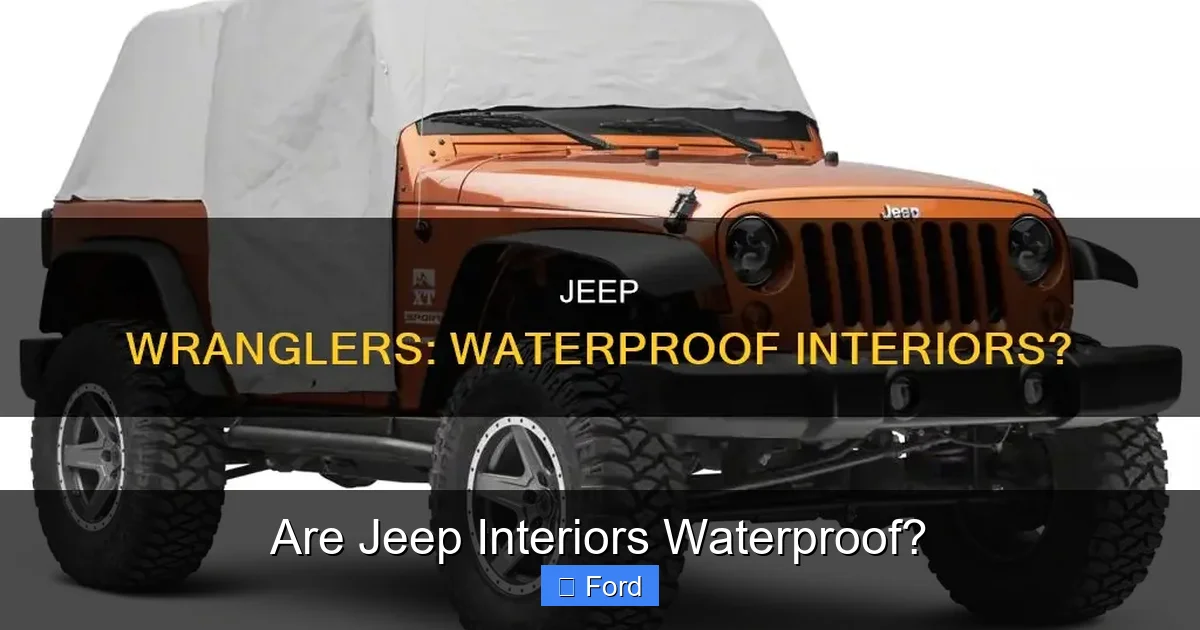
Visual guide about Are Jeep Interiors Waterproof?
Image source: shunauto.com
1. Door Seals (The Usual Suspect)
This is the #1 source of leaks. The large, flexible rubber seal around the door frame is constantly flexed, exposed to the elements, and subject to misalignment. Check for:
- Physical Damage: Cuts, tears, or chunks missing from the seal.
- Hardening: The rubber feels brittle and doesn’t spring back when pressed.
- Misalignment: The door doesn’t close with a solid, uniform thud. You might need to lift or push the door to get it to latch fully, indicating the hinges or latch are out of adjustment.
- Contamination: Dirt or grease on the seal or the body pillar can prevent a proper seal.
2. Soft Top Seams and Windows
Soft tops are fantastic, but they are the most complex waterproofing system on a Jeep. Leaks can occur at:
- Side Curtains: The plastic windows where they meet the fabric. The adhesive can fail, or the plastic can crack.
- Top Seams: The sewing lines between fabric panels. Factory sealant can degrade.
- Windshield Header: The seal where the top meets the windshield frame. This area is prone to leaks if the top isn’t tensioned correctly or the header seal is worn.
- Rear Window: The zipper and seal around the rear window are high-stress points.
Proper soft top care—using recommended cleaners and conditioners—is not just for aesthetics; it preserves the fabric’s water-repellent coating and the integrity of the seals.
3. Hardtop Panel Seals
Many assume a hardtop is leak-proof. It’s far better, but not perfect. The hardtop is a multi-piece system (front, rear, and sometimes side panels) that seals to the body with rubber gaskets. These gaskets can be pinched during installation, become brittle, or get dirty. A common leak point is at the rear panel where it meets the tailgate.
4. Windshield Frame and Cowl
Water can find its way in behind the dashboard. The cowl (the area under the windshield wipers) has its own drains for rainwater. If these cowl drains clog, water can back up and enter the cabin through the HVAC system vents or around the windshield seal. A musty smell when using the AC is a classic sign of a clogged cowl drain.
5. Tailgate and Rear Hatch
The seal around the tailgate is another large, flexible component. It can be damaged by cargo, misaligned if the tailgate striker is worn, or simply age out. Water pooling in the rear cargo area is a telltale sign.
6. “Fording” Scenarios: The Extreme Test
Jeeps are famously capable in water. But “water fording” is a different challenge than rain. When you drive through water deeper than the bottom of your doors:
- Hydrostatic Pressure: Water pressure can force its way through seals not designed for it.
- Wave Action: A bow wave can splash over the door sills.
- Ventilation System: The factory air intake is often in the engine bay. If you submerge the front, you risk hydrolocking the engine, but water can also enter the cabin through the HVAC system if the recirculation door isn’t fully sealing.
Manufacturers provide a “maximum water fording depth” (often around 18-30 inches for Wranglers), but this is a best-case scenario with a slow, controlled crossing and a properly sealed vehicle. It is not a guarantee your interior will stay dry.
Aftermarket Waterproofing and Protection: Your Real Solution
Since we’ve established the factory Jeep is not a waterproof vault, what can you do? The aftermarket is full of excellent, practical solutions that dramatically improve your interior’s dryness. Think of it as building a custom, layered defense system tailored to your Jeep’s use.
Visual guide about Are Jeep Interiors Waterproof?
Image source: shunauto.com
Armor the Floor: All-Weather Floor Liners
This is the single most impactful and cost-effective upgrade you can make. High-quality all-weather floor liners (like those from Best Floor Mats For Jeep Wrangler options) are made from durable, waterproof thermoplastic or rubber. They have raised lips that contain gallons of water, mud, and snow. They are custom-molded to fit your specific Jeep model and year, ensuring no gaps. When water inevitably gets in, it pools in these liners, not on your carpet. You can simply take them out, hose them down, and let them dry. This turns a potential carpet-ruining event into an easy cleanup. For the ultimate in contained protection, consider a full-cabin waterproofing kit that includes a trunk/hatch liner.
Upgrade the Seals: Aftermarket Door and Top Seals
For the enthusiast who regularly removes doors or wants the best possible seal on a soft top, aftermarket seals are available. Companies like Bestop (for soft tops) and various OEM suppliers offer upgraded door seals made from denser, more resilient rubber that often provides a tighter seal than the original parts. This is a more involved DIY project, but the results can be noticeably better, especially at high speeds.
Strategic Accessories for Open-Air Driving
If you love driving with doors off, you need to accept that rain will enter through the door opening. Your defense shifts from “keeping water out” to “managing the water that gets in.”
- Seat Covers: Waterproof neoprene or vinyl seat covers protect the factory seats from direct saturation.
- Dash and Console Covers: Similar waterproof covers for your dashboard and center console protect electronics and prevent that “wet plastic” smell.
- Storage Solutions: Keep electronics, documents, and other moisture-sensitive items in sealed plastic bins or waterproof bags within the cabin.
For the Gladiator Owner: Bed and Cab Protection
The Jeep Gladiator presents a unique challenge with its open bed and the ability to fold down the rear windows. Water can easily enter the cab from the bed area. A best bed liner for Jeep Gladiator is essential not just for cargo protection but to create a contained, washable surface. Additionally, sealing the interface between the cab and the bed (the “bulkhead”) with aftermarket gaskets or sealant can significantly reduce water spray from entering the rear seat area during wet drives or when the bed is loaded with wet gear.
Maintenance Checklist: Proactive Leak Prevention
Prevention is always cheaper and easier than fixing water damage. Adopt this regular maintenance routine for your Jeep:
Quarterly Visual & Physical Inspection
- Check All Seals: Run your fingers along every door, top, and tailgate seal. Look for cracks, gaps, or hardness. Clean them with a mild soap and water, then apply a rubber protectant (like 303 Aerospace Protectant) to keep them supple.
- Test the Fit: Close each door and tailgate slowly. Listen for the seal making contact evenly. Open and close it several times to ensure no obstructions.
- Inspect Drains: Locate your door drains (small holes at the bottom rear of the door interior, often with a rubber plug). Remove the plug and gently flush with water or use a flexible cleaning brush. Do the same for cowl and soft top drains.
After Every Deep Water or Heavy Rain Event
- Dry the Interior: If you suspect water got in, dry it immediately. Use towels on seats and carpet. Run the HVAC fan on high with the AC on (to dehumidify) and windows slightly open if possible.
- Check for Puddles: Feel the floor mats and carpet for dampness, especially in the footwells and spare tire well.
- Inspect Electronics: Ensure no water reached the fuse box, under-seat wiring, or the area behind the glovebox.
Soft Top Specific Care
Follow the manufacturer’s cleaning and conditioning schedule religiously. Use only approved cleaners. Avoid automatic car washes with high-pressure undercarriage sprays that can force water through top seams. When re-installing a removed soft top, ensure it is perfectly aligned and tensioned according to the service manual.
Model-Specific Considerations: Wrangler vs. Gladiator vs. Others
Not all Jeeps face the same water challenges. Your specific model dictates your primary risks and best solutions.
Jeep Wrangler (JL/JT): The Open-Air Benchmark
The Wrangler is the definition of the open-air experience. Its risks are highest with a soft top and doors off. The aftermarket for Wrangler waterproofing is the most mature. Best bike racks for Jeep Wrangler are also a consideration, as they can alter airflow and potentially channel water toward the rear of the cabin if not properly positioned. The TJ and JK models (pre-2018) have even less sophisticated factory sealing than the current JL/JT, making aftermarket seals and liners even more critical for older models.
Jeep Gladiator (JT): The Pickup Paradox
The Gladiator combines Wrangler-like open-air options with a pickup bed. This creates a hybrid problem. You have all the Wrangler’s top/door issues, plus the open bed. The main cab intrusion path is from the bed, especially when driving with the rear windows down or the bed loaded with wet cargo. A bed liner is step one. Sealing the cab/bed bulkhead is step two. For those who use their Gladiator for work or adventure with gear, a best bed cover for Jeep Gladiator is arguably the most important water-defense accessory you can buy, as it keeps the entire bed—and by extension, the cab—dry.
Jeep Grand Cherokee / Cherokee: The “Conventional” SUVs
These models have fixed roofs and fully sealed doors like any other SUV. Their water resistance is significantly higher out of the box. Leases are rare and usually point to a specific failure: a clogged cowl drain, a damaged sunroof seal (if equipped), or a failed tailgate seal. Their maintenance is more akin to a typical vehicle. However, their off-road variants (Trailhawk) may have special ventilation systems that need care.
The Final Verdict: Managing Expectations
So, are Jeep interiors waterproof? The clear, engineering-based answer is no. They are sophisticated water-resistant systems designed for a specific purpose: to provide a dry cabin in typical wet conditions when all factory parts are in good condition and properly maintained.
Your Jeep’s interior dryness is a direct function of three things: its factory design and condition, your maintenance discipline, and your use of targeted aftermarket protection. A well-maintained, hardtop Wrangler with all-weather liners will be impressively dry in a downpour. A soft-top Wrangler with doors off in a thunderstorm will get wet. A Gladiator with an open bed and no cover will have wet gear and likely a damp cab.
Embrace the Jeep’s versatility. Understand its limits. Invest in the right protection—starting with high-quality floor liners—and perform diligent maintenance. By doing so, you can enjoy the open-air freedom without living in fear of a ruined carpet or a musty-smelling cabin. The goal isn’t to make your Jeep a sealed bubble; it’s to manage the inevitable water so effectively that it becomes a non-issue, allowing you to focus on the adventure.
Frequently Asked Questions
Can I hose down the interior of my Jeep to clean it?
No. Hosing down the interior will force water into seams, electronics, and padding where it should not go. Use a damp cloth for surfaces and remove floor mats for hosing. The goal is to clean, not to test your waterproofing.
Does removing my Jeep’s doors make it completely vulnerable to rain?
Yes, for the door openings. With doors removed, there is no barrier against rain entering through the door sills. You must use waterproof seat covers and be prepared for the cabin to get wet during any precipitation. Driving in rain with doors off is not recommended.
How can I tell if my door seals are the problem?
Perform a “water test.” With all doors and the top closed, have someone sit inside and look for leaks while you carefully spray a garden hose over the door/window seams from the outside. Start at the bottom and work up. Have them check the door panel, sill, and floor. The location of the drip will indicate the failed seal.
Are factory drain holes covered by warranty if they clog?
No. Clogged drain holes are considered a maintenance issue, not a manufacturing defect. It is the owner’s responsibility to keep them clear as part of regular vehicle upkeep, much like changing the oil.
Will a hardtop make my Wrangler completely waterproof?
No, but it is vastly superior to a soft top. A properly installed and sealed hardtop will keep out nearly all rain and snow. However, it does not address door seals or the potential for water entering through the cowl or tailgate. It is a major upgrade but not a complete waterproofing solution.
What’s the first thing I should buy to protect my Jeep’s interior from water?
Without question, invest in a set of high-quality, custom-fit all-weather floor liners. They are the cheapest insurance policy against ruined carpet, mold, and rust. They contain messes from water, mud, and snow, making cleanup effortless and protecting your vehicle’s core structure.
