
What Year Ford F-150 to Avoid

When shopping for a used Ford F-150, some model years carry higher risks of expensive repairs and persistent issues. The most critical years to approach with caution are the 2004-2008 10th generation, particularly 2004-2005 for transmission and 2006-2008 for spark plugs, and the early 2015-2017 12th generation models with the 3.5L EcoBoost engine. Always get a pre-purchase inspection and check for outstanding recalls, regardless of the year.
So, you’re in the market for a used Ford F-150. It’s the perennial best-seller for a reason—tough, capable, and with a huge aftermarket. But here’s the crucial truth that separates a savvy buyer from someone stuck with a money pit: not all F-150s are created equal. Ford has made significant changes over its 14+ generations, and some model years are plagued by design flaws, defective parts, or simply the pains of a major redesign. Buying the wrong year can turn your reliable workhorse into a constant source of stress and repair bills.
This isn’t about fear-mongering. The F-150 has millions of loyal owners for good reason. This is about informed decision-making. We’re going to cut through the noise and pinpoint the specific Ford F-150 years to avoid based on real-world data, owner forums, technician reports, and recall histories. Our goal is to give you the knowledge to walk away from a bad deal and confidently drive away in a truck that will serve you well for years to come.
Key Takeaways
- 2004-2005 models are transmission time bombs: The 4R75E automatic transmission in these years has a notoriously high failure rate, often requiring a complete rebuild or replacement around 100,000 miles.
- 2006-2008 5.4L V8s have catastrophic spark plug issues: Design flaws can cause spark plugs to break off in the cylinder heads, leading to extremely costly repairs that can exceed the truck’s value.
- Early 2015-2017 EcoBoost engines have carbon buildup: The first-generation 3.5L EcoBoost V6 is prone to significant carbon deposits on intake valves, hurting performance and fuel economy, requiring expensive walnut blasting cleaning.
- 2011-2012 models may have PowerBoost hybrid glitches: Early iterations of the gasoline-electric hybrid system can experience software and component failures that are complex and pricey to diagnose and fix.
- Always prioritize a pre-purchase inspection (PPI):strong> Regardless of year, a thorough PPI by a trusted Ford specialist is non-negotiable to uncover hidden problems before purchase.
- Check for open recalls immediately: Many problematic years have critical safety recalls (e.g., for door latches, airbags, or transmission components). Ensure all recalls have been performed.
- Your usage matters: A truck used for heavy towing will show more wear on drivetrain components than a lightly used, garage-kept example. Match the truck’s history to your needs.
📑 Table of Contents
The 10th Generation Nightmare: 2004-2008
If there’s one era that consistently raises red flags across mechanic shops and F-150 forums, it’s the 2004-2008 10th generation. This was a radical, all-new design for Ford, and while it introduced the now-iconic “F-150” badge on the front grille, it also introduced several chronic, costly problems. Think of this generation as having two distinct trouble spots: the early years (2004-2005) for transmission hell, and the mid-years (2006-2008) for an engine-killing spark plug defect.
2004-2005: The Transmission Time Bomb
For these two model years, Ford used the 4R75E 4-speed automatic transmission. This transmission is arguably the single biggest black mark on the F-150’s reputation. The failure rate is staggeringly high. The core issue lies in the valve body and the torque converter clutch (TCC) solenoid. Symptoms start subtly—harsh shifts, slipping between 2nd and 3rd gear, or a transmission that seems to “hunt” for gears. Left unchecked, it progresses to a complete, catastrophic failure where the truck won’t move or shifts violently enough to damage other components. Repair costs often range from $2,500 to $4,000 for a rebuilt or remanufactured unit, and it’s not uncommon for it to fail multiple times if the root cause isn’t fully addressed.
What to look for: Any history of transmission service, especially a valve body overhaul or solenoid replacement. If a seller says “it just needs a solenoid,” be extremely wary—this is often a temporary fix on a failing transmission. A clean vehicle history report is good, but a hands-on road test feeling for hard shifts is essential. If you’re looking at a 2004-2005 model and the transmission has never been touched, you’re likely on borrowed time.
2006-2008: The Spark Plug Apocalypse
Ford, in its quest for better performance and emissions, redesigned the cylinder heads on the 5.4L Triton V8 for these years. The intention was good—improved flow. The execution was a nightmare. They used a two-piece spark plug design where the ceramic insulator is much longer. The problem? The threads in the aluminum cylinder head are shallow and prone to stripping. When a mechanic (or a DIYer) goes to change the spark plugs, there’s a very high chance the plug will break off in the hole, leaving the threaded shell embedded.
This is not a simple “oops, let’s unscrew it.” Often, the shell is cross-threaded or fused. The standard repair involves drilling it out, re-tapping the threads, and installing a threaded insert (a Heli-Coil). This is a 4-6 hour job per bank, costing $1,000 to $2,000 in labor alone at a shop. If the head is damaged beyond repair, you’re looking at a cylinder head replacement—$3,000+. Many owners report this happening on the first plug change at 80,000-100,000 miles. It’s a well-documented epidemic. While Ford issued a Technical Service Bulletin (TSB), there was never a full recall, meaning the cost of this design failure falls squarely on the owner.
What to look for: A complete and detailed service history showing spark plug changes performed by a *master technician* who used the correct procedure and tools. Even then, it’s a risk. If the plugs have never been changed, you have a ticking time bomb. If they have been changed, grill the seller on *how* it was done. A vague answer is a bad sign. Some owners have had success with aftermarket one-piece spark plugs (like from Denso or NGK) as a permanent fix, but this requires the broken shells to be removed first. If you buy one of these trucks, budget for this repair immediately.
The 12th Generation Early Adopter Blues: 2015-2017
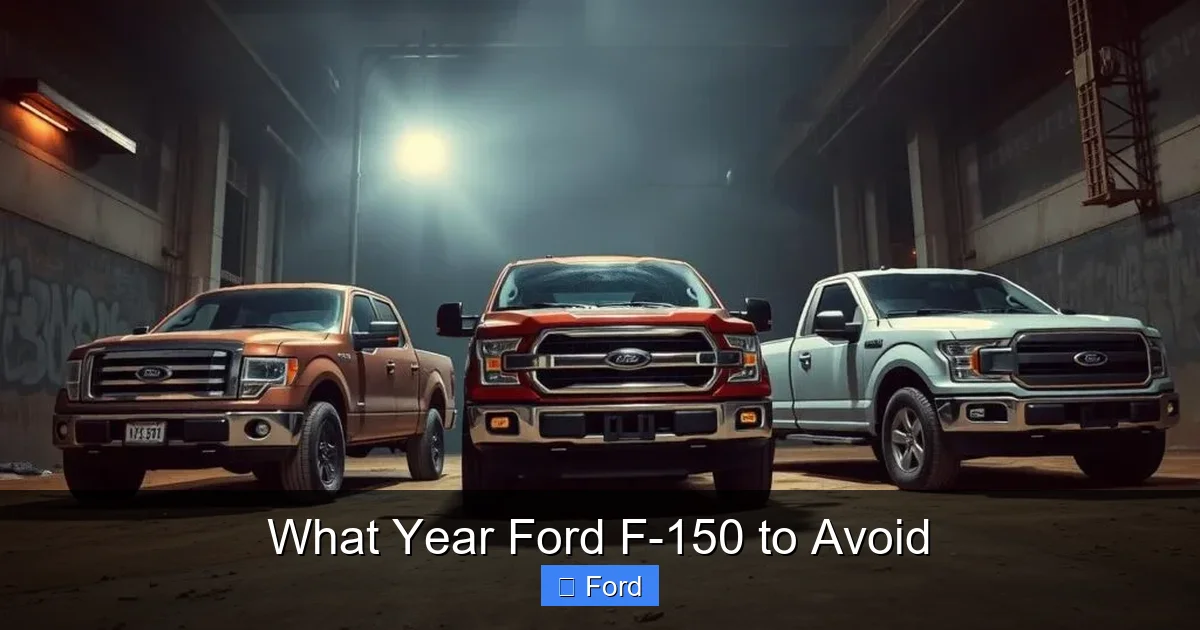
The 2015 redesign was a huge leap forward—lighter aluminum body, advanced tech, and the introduction of the powerful 3.5L EcoBoost V6 as a mainstay. However, the first few years of any major redesign often have teething problems, and the 2015-2017 models are no exception. The primary culprit here is the first-generation 3.5L EcoBoost engine, specifically regarding carbon buildup.
Visual guide about What Year Ford F-150 to Avoid
Image source: vehiclerides.com
The EcoBoost Carbon Buildup Conundrum
Direct injection (DI) engines, like the EcoBoost, spray fuel directly into the combustion chamber. This is great for power and efficiency but has one major drawback: the back of the intake valves never gets washed with fuel. Over time, oil vapor from the PCV system condenses and forms thick, hard carbon deposits on these valves. This chokes airflow, reduces power, hurts fuel economy, and can cause rough idle and misfires.
On the 2015-2017 3.5L EcoBoost, this problem is particularly pronounced and occurs earlier in the engine’s life (often around 60,000-80,000 miles) than on some competing DI engines. The only proper fix is a manual, mechanical cleaning process called “walnut blasting,” where crushed walnut shells are blasted against the valves to dislodge the carbon. This is not a simple additive fix. It’s a specialized, labor-intensive procedure costing $800-$1,500. Ford did not design these engines for easy access, making the job even more expensive. While later 3.5L EcoBoost engines (2018+) have improved PCV systems and better valve coatings to mitigate this, the early models are definite candidates for this expensive maintenance.
What to look for: Symptoms of carbon buildup include a noticeable loss of power (especially at higher RPMs), poor fuel economy, a rough idle, and check engine lights for misfires. Ask specifically if a walnut blasting service has been performed. A seller who knows what you’re talking about and can provide receipts is a good sign. Also, check for any TSBs related to PCV valves or intake manifolds, as replacements can sometimes help slow the process but won’t cure existing heavy buildup.
The Hybrid Hiccups: 2011-2012 PowerBoost
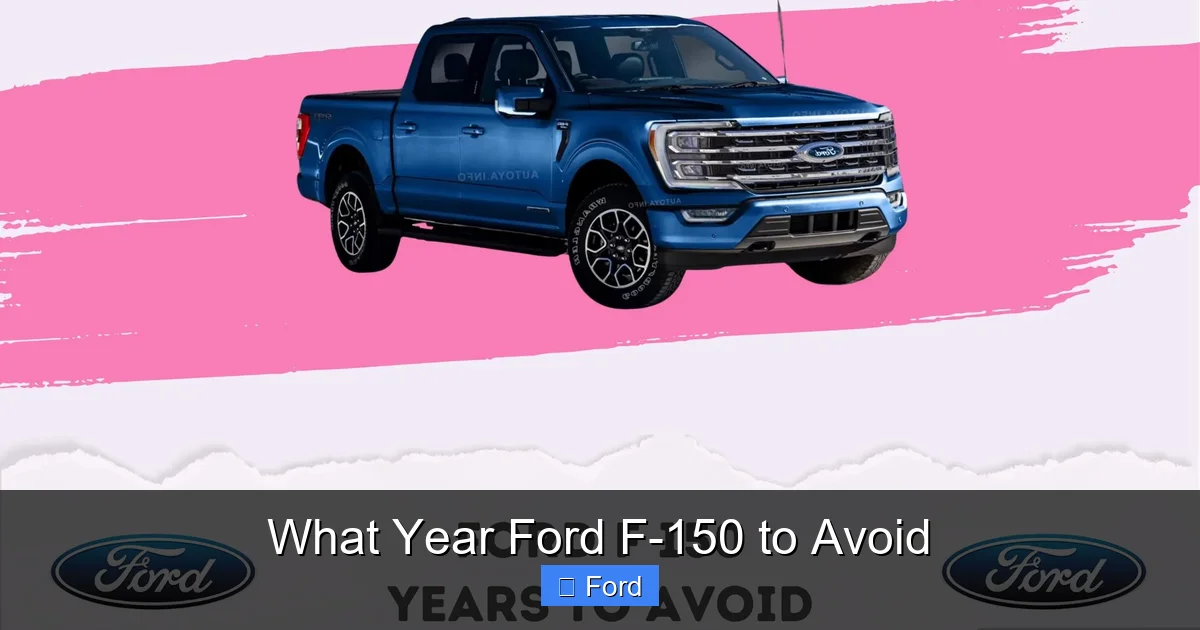
Ford reintroduced a hybrid full-size pickup for 2011 with the PowerBoost system, pairing the 3.5L V6 with an electric motor in the transmission. It was a bold move. For the 2011 and 2012 model years, this system was in its absolute infancy. While clever, it came with a set of complex, proprietary problems that are expensive to diagnose and repair because few independent shops have the specialized training and software.
Visual guide about What Year Ford F-150 to Avoid
Image source: carscounsel.com
Common issues include failures of the hybrid battery’s internal cells (not the main high-voltage pack, but the 12V support battery), software glitches that cause the truck to get “stuck” in electric-only mode or fail to engage the motor properly, and premature wear on the unique transmission components that handle both gas and electric power. Repairs often require a trip to a dealer with a Ford-specific hybrid technician, and parts are costly. The system was significantly refined for the 2013+ model year, making the 2011-2012 versions the riskiest hybrids on the used market. If you want a hybrid F-150, strongly consider a 2013 or newer.
What to look for: Any history of hybrid system warnings on the dash, especially the “Stop Vehicle Safely” message. Ask if the 12V auxiliary hybrid battery has ever been replaced (it’s a common wear item). A full diagnostic scan by a Ford dealer or a shop with hybrid expertise is absolutely mandatory before purchase. The standard OBD-II scanner won’t read these systems.
Other Years to Approach with Caution (But Not Necessarily “Avoid”)
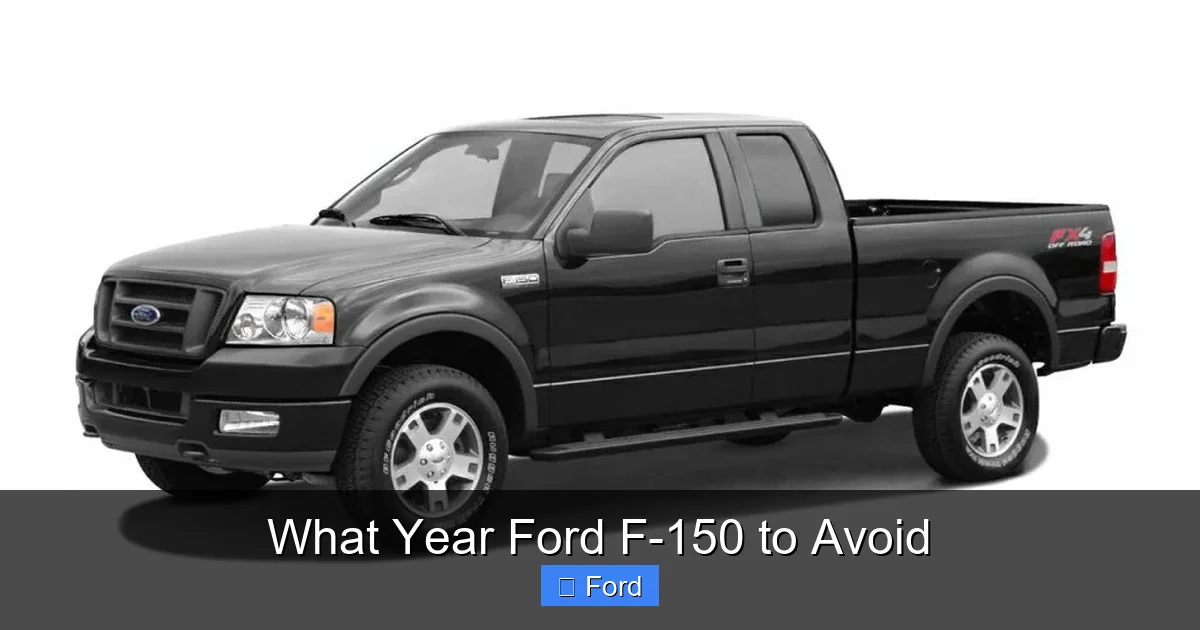
While the years above have systemic, costly flaws, other generations have specific components that are known to wear out or have moderate failure rates. These aren’t deal-breakers, but they require extra diligence during a pre-purchase inspection.
Visual guide about What Year Ford F-150 to Avoid
Image source: ridgebackbodies.com.au
2009-2010: The “Good” 5.4L? Mostly, But…
Ford finally fixed the spark plug issue for 2009 by switching to a one-piece design. The 4-speed transmission was still in use, but the valve body issues were somewhat mitigated. Generally, a well-maintained 2009-2010 with the 5.4L is a solid, if thirsty, workhorse. The main caution here is the age of the vehicle. At 15+ years old, you’re dealing with normal wear and tear: timing chain wear (listen for rattles on cold start), water pump failures, and aging electronics. These trucks are cheap for a reason—they’re old. A PPI is even more critical here to assess overall condition versus just known design defects.
2013-2014: The Pre-Redesign Model
These are the last of the 11th generation, essentially a refined version of the 2009-2012 platform. They are generally reliable, especially with the 5.0L Coyote V8, which is a robust engine. The 3.5L EcoBoost from this era still has the carbon buildup issue, but it’s less severe than the 2015-2017 models. The main concerns are age-related: the 6-speed 6R80 transmission can have shudder issues (often fixed with a fluid and filter service and a TCM update), and some models have reported issues with the electric power-assisted steering (EPAS) rack. A thorough check for these is wise.
2020-2021: The Mild-Hybrid (MHEV) Quirks
The latest generations are, on the whole, incredibly reliable and packed with tech. However, the introduction of the mild-hybrid system (MHEV) on many 2020-2021 models using the 3.5L EcoBoost has a specific quirk. The belt-driven starter-generator (BSG) and its associated 48V battery system are new. While not prone to catastrophic failure, there have been reports of the 48V battery failing prematurely (a $1,000+ part) and software glitches causing rough starts or shutdowns. These are still being ironed out. A 2022+ model has had more time for software updates and minor part revisions.
Your Action Plan: How to Buy Smart
Knowing which years have problems is only half the battle. The other half is knowing how to verify a specific truck’s health. A model year “to avoid” can still be a great purchase if it has a perfect service history and has had all its known issues addressed. Conversely, a “good” year can be a disaster if neglected.
The Non-Negotiable Pre-Purchase Inspection (PPI)
This cannot be stressed enough. Do not buy a used F-150 without one. And not just any inspection—take it to a reputable, independent mechanic who knows F-150s, or better yet, a Ford dealer’s service department. A good PPI will include:
- A full scan for diagnostic trouble codes (including manufacturer-specific codes).
- A road test listening for transmission shifts, engine noises, and suspension clunks.
- An inspection of the undercarriage for rust, fluid leaks, and drivetrain component wear.
- Specific checks for the issues we’ve discussed: transmission fluid condition (burnt smell?), spark plug history (if applicable), signs of carbon buildup (if EcoBoost), and hybrid system health.
- A check of all electronics, windows, locks, and the Sync infotainment system.
The $150-$250 you spend on a PPI can save you $5,000 in unexpected repairs. If a seller refuses a PPI, walk away immediately.
Decoding Service Histories and Recalls
Ask for all service records. A complete, dealer-stamped history is gold. Look for:
- Transmission services: Fluid and filter changes every 30k-60k miles are crucial, especially for the 4-speed and early 6-speed.
- Spark plug records: For 2006-2008, you want to see they were done by a pro with the right tools.
- Oil change frequency: Regular changes are vital for any engine, but especially for turbocharged EcoBoosts.
- Recall status: Go to the NHTSA website (nhtsa.gov/recalls) and enter the VIN. Common recalls for problematic years include door latch failures (2004-2006), airbag inflators, and transmission range sensor issues. Ensure all recalls have been performed. An open recall on a major component is a red flag.
Matching the Truck to Your Needs
Finally, be honest with yourself. A 2005 F-150 with a failing transmission might be a $3,000 project for a mechanic, but for someone who needs a daily driver for a 50-mile commute, it’s a nightmare. Conversely, a 2016 EcoBoost with 150,000 miles that has had its carbon cleaned and is used for occasional towing could be perfect. Consider:
- Budget for repairs: Factor in $1,500-$3,000 for immediate preventative maintenance on a known problematic year (e.g., carbon cleaning, spark plug inspection).
- Primary use: Heavy towing? Prioritize drivetrain robustness (often later 5.0L or later EcoBoost). Daily driver? Focus on overall reliability and comfort.
- Willingness to DIY: If you’re a hands-on mechanic, a 2006 with bad spark plugs might be a fun (if expensive) project. If you need to take it to a shop, avoid it.
For accessory needs on a reliable year you do purchase, guides like the best tires for a 2007 Ford F-150 or best battery for a 2010 Ford F-150 can help you maintain it perfectly once you’ve avoided the lemons.
Conclusion: Knowledge is Your Best Defense
The Ford F-150 is an incredible vehicle, but its history has clear pitfalls. By focusing your search away from the 2004-2005 transmission disasters, the 2006-2008 spark plug catastrophes, and the early 2015-2017 EcoBoost carbon buildup, you immediately eliminate the years with the highest probability of a five-figure repair bill. The 2011-2012 hybrid is also a specialized risk.
However, the ultimate rule supersedes any year-specific advice: always, always get a pre-purchase inspection by a qualified specialist. A perfect 2010 with a rebuilt transmission and full service history is a better buy than a neglected 2021 with hidden damage. Use this guide as your first filter, then apply rigorous, hands-on investigation to the specific truck in front of you. With that approach, you’ll find the F-150 that lives up to its legend, not its liabilities.
Frequently Asked Questions
Is the 2004 Ford F-150 really that bad?
Yes, the 2004-2005 models are widely considered the worst F-150 years due to the extremely high failure rate of the 4R75E transmission. This issue is so prevalent that it often defines the value and viability of these trucks.
Can the 2006-2008 spark plug problem be fixed permanently?
Yes, but it’s expensive. The proper fix involves removing the broken plug shell, re-tapping the cylinder head threads, and installing a threaded insert. Using aftermarket one-piece plugs for all future changes prevents recurrence, but the initial repair is a major job.
Are all EcoBoost engines bad?
No. The 3.5L EcoBoost engine, especially from 2018 onward, is generally very reliable and powerful. The primary concern is with the first-generation 2015-2017 models, which are more susceptible to severe carbon buildup on the intake valves.
What’s the single most important thing to do before buying any used F-150?
Get a comprehensive pre-purchase inspection from a trusted, independent mechanic or a Ford dealer. This is non-negotiable and is the best way to uncover hidden problems, regardless of the model year.
Should I completely ignore a 2015 F-150 if I find a good deal?
Not necessarily. If it’s a 2015 with the 5.0L V8 (not EcoBoost), it avoids the main carbon issue. However, you must still get a PPI to check for other potential issues like the early 6-speed transmission or any unresolved recalls. A good deal can be found if it has a clean history.
Are the newer F-150s (2020+) with the hybrid system reliable?
They are showing to be generally reliable, but the mild-hybrid (MHEV) system is a new component. There have been some reports of 48V battery failures and software glitches. A full diagnostic scan and check for any TSBs related to the hybrid system is crucial during a PPI on a 2020-2021 model.
