
How to Turn Off the Parking Brake on a Toyota Forklift

Turning off the parking brake on a Toyota forklift is a simple but critical skill for safe operation. First, ensure the forklift is on a level surface and in neutral. For models with a manual lever, pull the lever and release it firmly. For electronic systems, press and release the dedicated button. Always confirm the brake is fully disengaged by gently attempting to move forward before operating. If the brake sticks or warning lights remain on, consult your manual or a technician—never force it.
Key Takeaways
- Identify Your System: Know whether your Toyota forklift uses a manual hand lever or an electronic parking brake button, as the release method differs.
- Safety First: Always engage the parking brake only when the forklift is completely stopped on level ground to prevent rolling.
- Pre-Operation Check: Before driving, gently test for movement to confirm the brake is fully released; a partially engaged brake damages components.
- Don’t Force It: If the brake won’t disengage, check for obstacles like engaged transmission gears or dead batteries in electronic systems—never use excessive force.
- Regular Maintenance: Include parking brake inspection in your routine service checks to catch wear, corrosion, or electrical issues early.
- Consult the Manual: Your specific Toyota forklift model’s operator manual is the ultimate source for correct procedures and troubleshooting.
[FEATURED_IMAGE_PLACEHOLDER]
📑 Table of Contents
- Introduction: The Critical Role of the Parking Brake
- Understanding Your Toyota Forklift’s Parking Brake System
- Step-by-Step: How to Turn Off the Parking Brake
- Troubleshooting Common Parking Brake Issues
- Safety Considerations Every Operator Must Know
- Maintenance Tips to Keep Your Parking Brake Functional
- Conclusion: Mastering Your Toyota Forklift’s Parking Brake
Introduction: The Critical Role of the Parking Brake
Imagine you’ve just finished a long shift moving palates in your Toyota forklift. You park it neatly, shift to neutral, and pull the parking brake. That simple action locks the wheels, keeping your valuable equipment—and everything around it—safely in place. But what happens when it’s time to start moving again? Knowing exactly how to turn off the parking brake on a Toyota forklift isn’t just about convenience; it’s a fundamental safety skill every operator must master. An improperly released brake can cause sudden lurching, excessive wear, or even a loss of control.
Toyota, a leader in material handling, designs its forklifts with intuitive parking brake systems, but they vary by model and series. Some use a classic mechanical lever you pull and release. Others feature a modern electronic button. This guide will walk you through both, clear up common confusions, and give you the confidence to handle this everyday task safely and correctly. We’ll break it down so simply, it’ll feel like we’re checking the brake together in the warehouse.
Understanding Your Toyota Forklift’s Parking Brake System
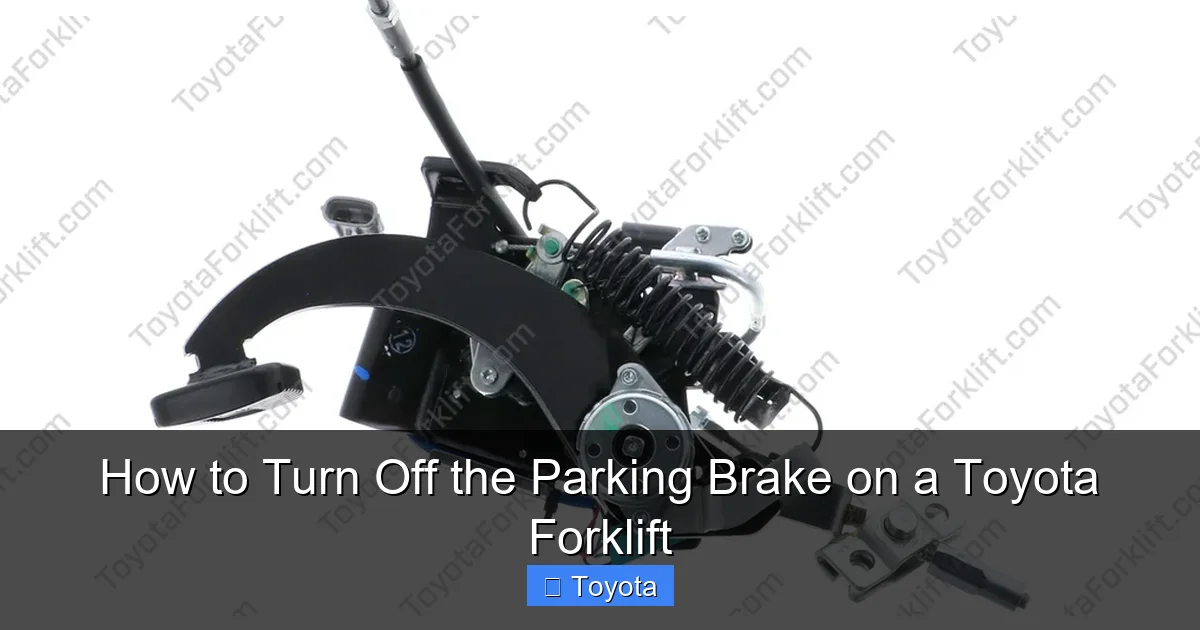
Before we touch any levers or buttons, let’s get familiar with what we’re working with. The parking brake on a Toyota forklift is a secondary braking system, separate from the main service brakes you use while driving. Its sole job is to hold the forklift stationary when parked. Think of it as a mechanical or electrical “lock” on the wheels.
Visual guide about How to Turn Off the Parking Brake on a Toyota Forklift
Image source: d2o3top45uowdm.cloudfront.net
Manual vs. Electronic: Spot the Difference
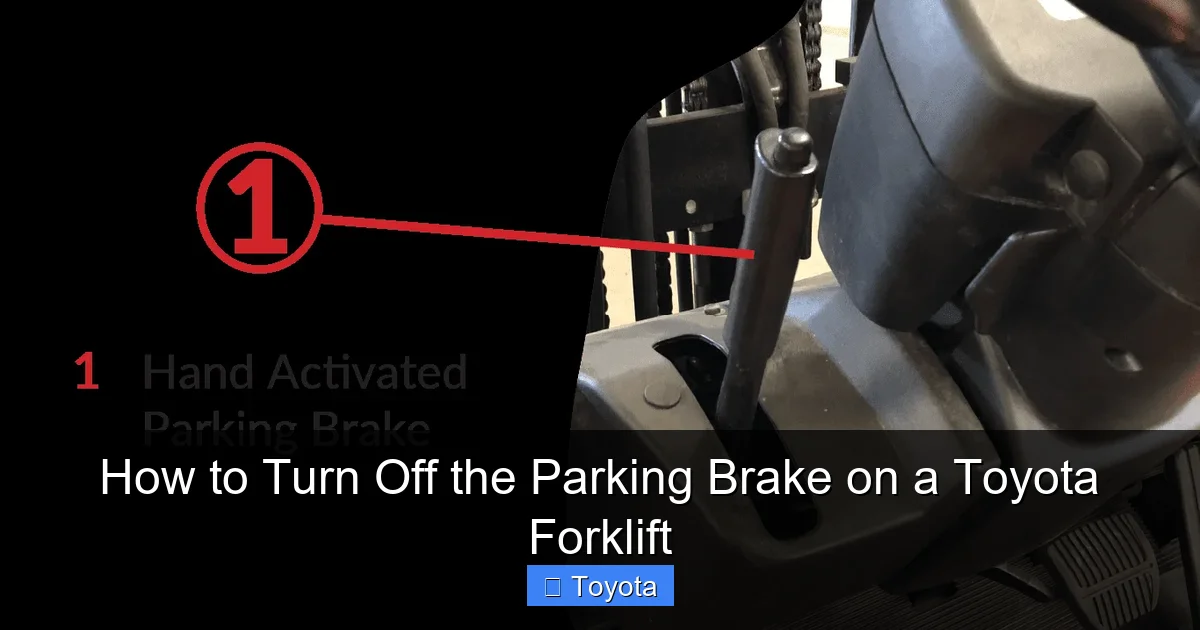
Look at the operator compartment. Do you see a lever protruding from the frame, usually on the left side between the seat and the dashboard? That’s a manual parking brake. You pull it up to engage and push it down to disengage. On newer, high-series Toyota models like the 8-series, you might see a small button labeled “P” or with a parking brake symbol (often a “P” inside a circle) on the dash or a console panel. That’s an electronic parking brake. Pressing it engages the brake; pressing it again releases it. Some electronic systems automatically engage when you shut off the ignition.
How It Actually Works
On manual systems, pulling the lever tightens a cable that physically clamps brake shoes or a drum inside the rear wheel hub assembly (on most counterbalance models). It’s a direct mechanical connection. Electronic systems use an electric motor to apply the same clamping force. A switch tells the motor to engage or release. Knowing which type you have is the first step, as the disengagement process is completely different.
Step-by-Step: How to Turn Off the Parking Brake
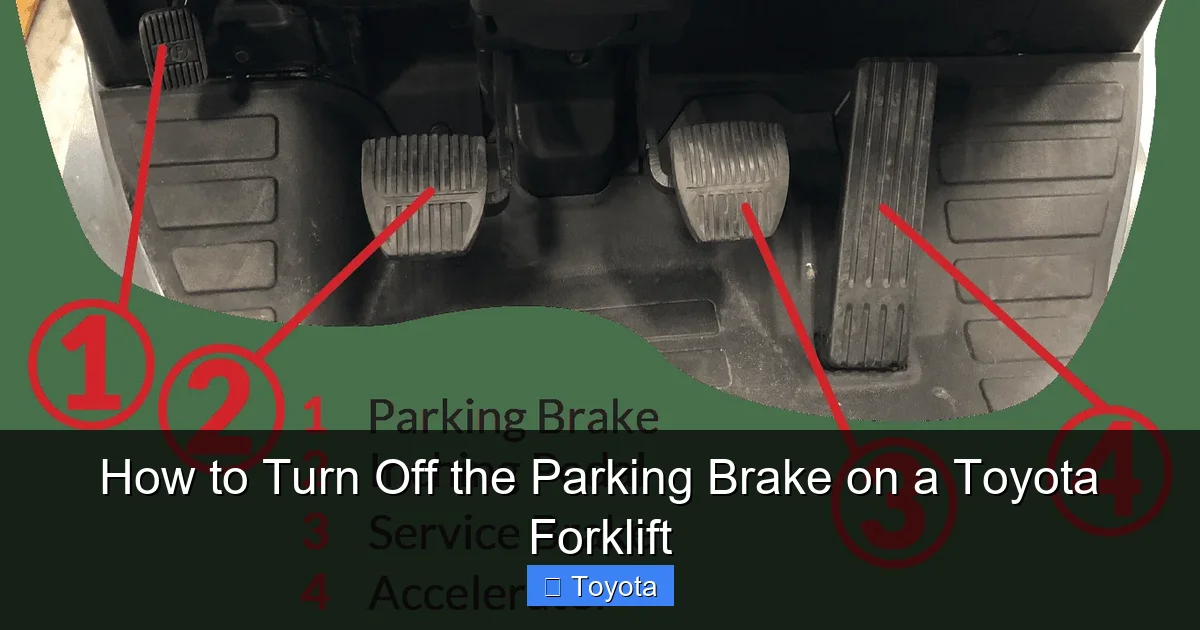
Now for the hands-on part. The process is straightforward, but precision matters. Always start with the forklift turned on, in neutral, and with the load lowered to the ground. Never try to release the parking brake while the forklift is in gear or with a raised load.
Visual guide about How to Turn Off the Parking Brake on a Toyota Forklift
Image source: conger.com
For Manual Parking Brake (Lever Style)
This is the most common system across Toyota’s vast fleet of counterbalance and reach trucks. Here’s the exact sequence:
- Confirm Readiness: Sit in the operator’s seat, fasten your seatbelt, start the engine, and ensure the transmission shift lever is in Neutral (N). The parking brake lever will typically be in the “up” or engaged position.
- Firm Release: Grasp the parking brake lever. Apply steady, firm pressure downward. You should feel significant resistance as the mechanical linkage releases. Do not jerk or slam it. Push it all the way down until it clicks or rests flush with the frame.
- Verify Release: The parking brake warning light on the dash (usually red) should go out. Now, with your foot firmly on the service brake pedal, gently press the accelerator pedal just enough to feel if the forklift wants to move. It should roll freely. If it feels like the brakes are still dragging, repeat step two, ensuring the lever is fully down.
Pro Tip: If the lever feels stiff or doesn’t move easily, do not force it. This indicates a possible mechanical jam or corrosion. See the troubleshooting section below.
For Electronic Parking Brake (Button Style)
Found on models like the Toyota Traigo 80 or some 7-series lifts, this system is simpler in action but has specific requirements.
- Power On: The ignition must be in the “ON” position. Some systems require the engine to be running.
- Transmission in Neutral: The forklift must be in neutral. Many electronic systems are interlocked and will not release if the transmission is in forward or reverse.
- Press the Button: Locate the parking brake button. Press it once firmly and release it. You should hear a faint whirring or clicking sound from the rear wheels as the brake calipers or shoes release.
- Watch the Dashboard: The parking brake warning light should extinguish within a second or two.
- Confirm Movement: As with the manual system, perform a gentle “creep” test with the service brake held to ensure the forklift moves without resistance.
Important Note: On some Toyota models, the electronic parking brake may automatically disengage when you press the accelerator pedal while in neutral. However, you should still verify the light is off and movement is free.
What to Do If the Brake Won’t Release
This is a frustrating but common situation. Here is your troubleshooting flowchart:
- First, Check the Basics: Is the transmission truly in neutral? Is the seatbelt fastened? Some Toyota forklifts have a seatbelt interlock that prevents parking brake release if the belt is unbuckled. Also, ensure the engine is running or the key is in the “ON” position for electronic systems.
- Listen and Feel: For electronic brakes, do you hear any sound when pressing the button? A dead battery or blown fuse can kill the motor. For manual brakes, is the lever moving at all, or is it frozen solid?
- Gently Rock the Vehicle: With the parking brake attempt release in progress, very gently shift between forward and reverse (while holding the service brake) to see if the brake mechanism “shakes” loose. This can free a slightly seized component.
- DO NOT: Use a hammer to hit the lever, rev the engine to force it, or try to drive with it engaged. This causes catastrophic damage to the brake assembly, wheel hubs, and drivetrain.
- Call for Help: If basic checks fail, the issue is likely internal (broken cable, seized caliper, failed motor). Tag the forklift “Out of Service” and contact your maintenance team or a certified Toyota forklift technician.
Troubleshooting Common Parking Brake Issues
Even with perfect technique, components wear out. Recognizing symptoms early prevents downtime and costly repairs.
Visual guide about How to Turn Off the Parking Brake on a Toyota Forklift
Image source: conger.com
Symptom: The Brake Feels “Sticky” or Doesn’t Hold Firmly
If the parking brake lever goes down easily but the forklift still rolls on a slope, or if it engages but doesn’t hold the vehicle securely, the brake is likely worn out. For manual systems, the brake shoes inside the drum are probably past their service life. For electronic systems, the motor may be weak, or the caliper piston is corroded. This is a major safety hazard. The forklift must be taken out of service immediately for repair.
Symptom: Warning Light Stays On After Release
The red parking brake symbol on your dash remains illuminated even after you’ve followed the release steps. This indicates the system’s switch or sensor still thinks the brake is engaged. On manual systems, the switch on the lever may be misadjusted or broken. On electronic systems, it could be a faulty position sensor in the caliper assembly. This light is telling you the brake may not be fully disengaged, so treat it as a “brake may be dragging” situation and investigate.
Symptom: Unusual Noises (Squealing, Grinding) When Releasing
A loud squeal or grind when you release the parking brake points to severe corrosion or lack of lubrication. The brake shoes or caliper pads are rusted to the drum or rotor. This is common in humid or salty environments. Sometimes, carefully applying and releasing the brake a few times while moving slowly can break the rust bond. If the noise persists, the components must be disassembled, cleaned, lubed, or replaced. Ignoring this will destroy the brake hardware.
Safety Considerations Every Operator Must Know
Handling the parking brake is a routine task, but complacency kills. These non-negotiable rules keep you and your coworkers safe.
Always Perform a Pre-Operation Check
Before you even start the engine, make checking the parking brake part of your daily walk-around. Visually confirm the lever is down or the button is not illuminated. Then, after start-up, perform the release procedure and the movement test. A quick 10-second check prevents a major accident. For a comprehensive pre-use inspection guide, you can refer to resources on general Toyota equipment safety protocols, which often include brake checks as a standard item.
Never Force a Stubborn Brake
This bears repeating. Using body weight to yank a lever or revving the engine to “break free” a stuck brake is extremely dangerous. You can shear the lever off, snap the cable (which can become a lethal projectile), or over-pressurize a hydraulic system on an electronic brake. If it doesn’t move with normal hand pressure, the problem is mechanical and requires professional tools and knowledge.
Secure the Forklift on Inclines
Even with a perfect parking brake, never rely on it alone on a significant slope. Always turn the front wheels toward a curb or obstruction when parking uphill or downhill. This is a backup safety measure in case the parking brake fails. On a level surface, the parking brake is sufficient, but on an incline, you must use wheel chocks as well. The parking brake is for holding, not for stopping a rolling vehicle.
Maintenance Tips to Keep Your Parking Brake Functional
Preventive maintenance is the key to avoiding “won’t release” emergencies. Here’s what should be on your service schedule.
Regular Inspection Schedule
During your daily pre-operation check, listen for noises and test for smooth operation. During scheduled maintenance (e.g., every 500 hours), a technician should:
- For manual systems: Inspect the parking brake cable for fraying, rust, and proper tension. Adjust or replace as needed. Check the brake drum and shoes inside the wheel hub for wear, scoring, and glazing.
- For electronic systems: Test the button operation and listen for motor noise. Scan for any stored fault codes in the forklift’s computer system. Inspect the caliper and brake pads for corrosion and wear.
Keeping a maintenance log helps track component lifespan. If you notice the brake requiring more force to engage or release, report it immediately.
Lubrication and Environmental Protection
For manual cables, periodic lubrication with a dry-film lubricant (not oil, which attracts dust) keeps them moving freely. In coastal or de-icing salt environments, corrosion is the number one enemy. Rinsing wheel hubs and undercarriage with fresh water can help, but avoid spraying water directly into the brake assembly. Electronic calipers have seals that must be intact to keep moisture out.
When to Call a Professional
Any internal work on the parking brake assembly requires specialized tools and knowledge. Replacing brake shoes, resurfacing drums, or rebuilding electronic calipers is not a DIY job for the unqualified. Attempting it incorrectly can lead to brake failure. If your inspection reveals worn shoes (below min thickness), scored drums, or a non-functional electronic motor, tag the forklift and call your certified Toyota service provider. They have the correct parts and training.
Conclusion: Mastering Your Toyota Forklift’s Parking Brake
You now know that turning off the parking brake on a Toyota forklift begins with identification—is it a lever or a button? Then, it’s a sequence of simple, deliberate steps: ensure neutral, perform the release action, and verify with a movement test. We’ve covered what to do when things go wrong, emphasized the absolute safety rules, and outlined a basic maintenance plan.
This small piece of knowledge empowers you as an operator. It prevents equipment damage, avoids downtime, and most importantly, keeps you safe. Remember, the parking brake is a vital safety system. Treat it with respect, inspect it regularly, and never ignore its warnings. By making this check a habit, you contribute to a safer, more efficient warehouse. Now, go operate your Toyota forklift with confidence, knowing you have complete control over one of its most essential functions.
Frequently Asked Questions
Why won’t my Toyota forklift’s parking brake release?
First, double-check that the transmission is in neutral and the seatbelt is fastened, as some models interlock these. For electronic systems, ensure the battery is charged. If these are fine, the brake is likely mechanically seized due to corrosion or a broken cable. Do not force it; call maintenance.
Is it normal for the parking brake warning light to stay on for a few seconds after release?
A brief delay of 1-2 seconds is normal as the system sensor resets. If the light stays on continuously, the brake switch or sensor may be faulty, or the brake may not be fully disengaged. Perform a movement test and report the issue.
Can I use the parking brake to stop a moving forklift?
Absolutely not. The parking brake is not designed for stopping a moving vehicle. It can lock the wheels suddenly, causing a skid, tip-over, or severe damage to the brake and drivetrain. Always use the primary foot brake for stopping.
My manual parking brake lever is very hard to pull down. What should I do?
This indicates a seized cable or corroded brake mechanism. Do not use excessive force. Try gently rocking the forklift between forward and reverse while holding the service brake to see if it loosens. If not, it requires professional service to lubricate or replace the cable and inspect the internal brake.
Does the parking brake wear out like regular brakes?
Yes. The parking brake uses the same brake shoes or pads as the service brakes on the rear wheels (on most models). Every time you engage it, those components wear down. They are inspected and typically replaced during regular major service intervals based on wear measurement.
Can I adjust the parking brake myself?
On some older manual systems, there may be an adjustment nut on the cable under the forklift. However, incorrect adjustment can render the brake useless or cause it to drag. Unless you are a trained technician with the service manual for your specific model, adjustments should be left to professionals to ensure safety and correctness.
