
Will Carvana Buy My Car?

Yes, Carvana will buy your car in most cases. Their online process provides an instant, no-haggle offer based on your vehicle’s details. They accept a wide range of cars, including those with higher mileage or minor damage, and offer free towing. However, their offers are often lower than what you might get from a private sale or some traditional dealers. Understanding their criteria and getting multiple offers is key to maximizing your return.
Key Takeaways
- Carvana buys most cars: They purchase cars in various conditions, from nearly new to high-mileage, but typically avoid salvage titles or non-running vehicles.
- Instant online offers: You enter your car’s info online to receive a guaranteed offer valid for several days, removing negotiation pressure.
- Free towing and title transfer: If you accept, Carvana schedules a free pickup and handles all paperwork, making it incredibly convenient.
- Price is often lower: Their offers are generally below private-party prices because they factor in reconditioning costs and profit margins.
- Competition matters: Always compare Carvana’s offer with competitors like Carmax and local dealerships to ensure you get the best price.
- Honesty is crucial: Accurately describe your car’s condition. Misrepresentation can lead to a revoked offer after inspection.
- Not for every situation: If your car doesn’t run or has severe damage, exploring options like Will Carmax Buy A Car That Doesn’t Run or specialized junkyards may be better.
📑 Table of Contents
- So, Will Carvana Buy My Car? The Short Answer
- How the Carvana Car-Buying Process Actually Works
- What Kind of Cars Does Carvana Actually Want to Buy?
- Maximizing Your Car’s Value with Carvana: A Practical Guide
- The Brutal Truth: Pros and Cons of Selling to Carvana
- Should You Sell to Carvana? Comparing Your Options
- The Final Word: Making the Right Call for You
So, Will Carvana Buy My Car? The Short Answer
That’s the million-dollar question, isn’t it? You see the Carvana vans driving around, you watch their quirky TV commercials, and you wonder if that sleek, hassle-free process is real. The straightforward answer is: Yes, in the vast majority of cases, Carvana will buy your car.
Carvana’s entire business model is built on buying used vehicles directly from consumers. They are not just an online retailer selling to you; they are also a massive buyer from you. Their “Sell Your Car” portal is a core part of their operations, feeding inventory for their online dealership. However, “will buy” doesn’t mean “will buy at any price” or “will buy every single car ever made.” Understanding the specifics of how and under what conditions they buy is what separates a smooth, profitable sale from a frustrating experience. This guide will walk you through every detail.
How the Carvana Car-Buying Process Actually Works
Before we dive into what they accept, let’s demystify the process. It’s designed to be dead simple, and for the most part, it is. There are no lengthy negotiations in a smoky back office. It’s a digital-first, quote-driven system.
Visual guide about Will Carvana Buy My Car?
Image source: assets.fastly.carvana.io
Step 1: Get Your Instant Online Offer
You start by visiting Carvana’s website and clicking “Sell Your Car.” You’ll input your vehicle’s details: VIN, mileage, condition, optional features, and any damage or mechanical issues. Be brutally honest here. The system uses this data, along with market trends and their internal valuation models, to generate a guaranteed offer. This offer is typically valid for 7 days (sometimes longer during promotions), giving you time to think and shop around.
Step 2: Schedule Your Free Pickup
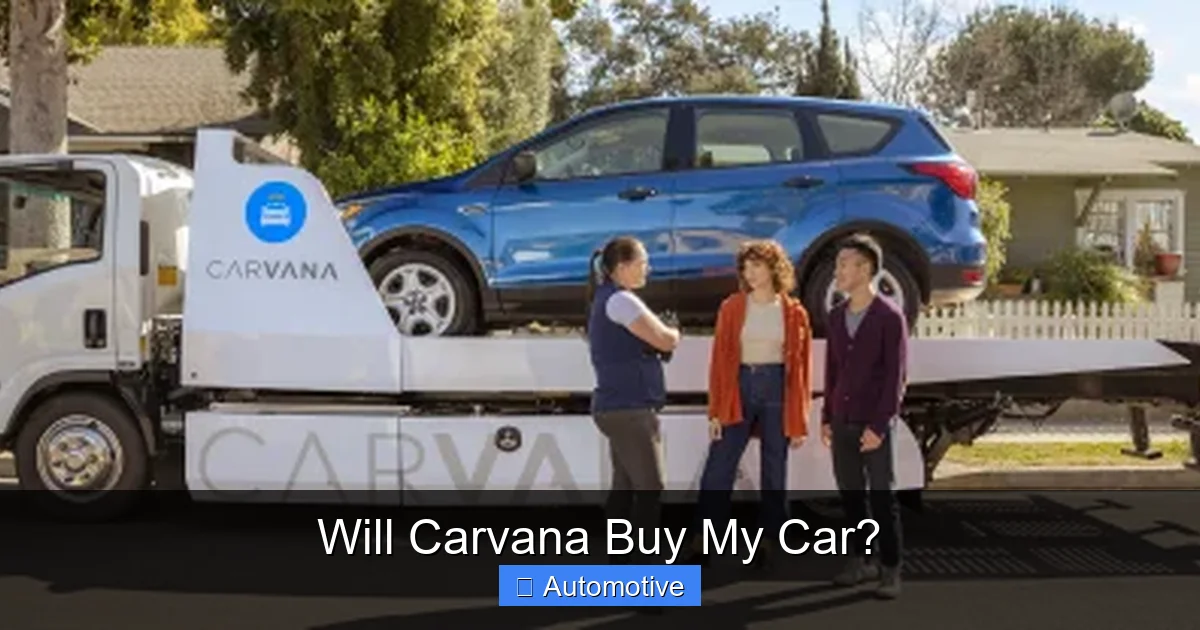
If you accept the offer, you schedule a time for Carvana to pick up the car. This is a huge perk—they come to you. A driver will arrive, perform a brief verification (more on that in a second), and load your car onto a carrier. You hand over the keys and signed title, and that’s it. No need to drive it to a lot.
Step 3: The Final Inspection & Payment
This is the critical moment. The driver conducts a very quick visual and mechanical check (often just starting the car, checking for major damage, and verifying the VIN). If the car matches your online description, the offer stands. You’ll receive payment via direct deposit or a physical check almost immediately after the pickup is confirmed. However, if the inspector finds undisclosed major issues—like a frame bend, flood damage, or a car that doesn’t run—Carvana can revoke the offer. You can then either accept a new, lower offer or decline and have the car returned (you may be charged a return fee).
What Kind of Cars Does Carvana Actually Want to Buy?
This is the heart of your question. Carvana has broad but clear parameters. They are not a charity for junkers; they are a retailer aiming to sell cars with a warranty. Their buying criteria revolves around what they can recondition and sell profitably on their online platform.
Visual guide about Will Carvana Buy My Car?
Image source: assets.fastly.carvana.io
The Sweet Spot: Late-Model, Low-to-Average Mileage
Unsurprisingly, Carvana’s most desired inventory is vehicles 0-10 years old with mileage below or around the national average (roughly 12,000-15,000 miles per year). Cars in excellent or good cosmetic and mechanical condition with clean titles fetch the highest offers relative to their market value. They love popular models (Toyota Camry, Honda CR-V, Ford F-150) because they sell quickly.
Acceptable but Less Lucrative: Higher Mileage & Minor Wear
Carvana will absolutely buy cars with 150,000, 200,000, or even more miles, as long as they are mechanically sound and have a clean title. The offer will simply be lower to account for reduced remaining lifespan. Normal wear and tear—small door dings, minor scratches, worn tires—is expected and factored in. They also accept cars with accident history, as long as the damage was repaired and the title remains clean (not salvage). For a clear comparison, Can I Sell My Car To Carmax outlines a very similar policy, as both companies operate on high-volume, reconditioned inventory.
The Hard Passes: What Carvana Typically Won’t Buy
There are definitive no-go zones. Carvana generally does not buy:
- Salvage or Rebuilt Titles: The risk and reconditioning cost are too high for their model.
- Cars That Don’t Run or Have Major Mechanical Failures: A seized engine or catastrophic transmission failure is a deal-breaker. They are not a towing or mechanics’ service. If your car is non-operational, your best bet is to explore whether Carmax will buy a car that doesn’t run or find a specialized junk car buyer.
- Cars with Severe, Unrepaired Damage: This includes frame damage, flood damage, or extensive rust that compromises safety or structural integrity.
- Very Old or Niche Vehicles: Classic cars over 25-30 years old or extremely rare models are outside their core expertise and sales channel.
Pro Tip: If your car falls into one of these “hard pass” categories, don’t waste time. Be upfront in the initial questionnaire. It will save you and Carvana time.
Maximizing Your Car’s Value with Carvana: A Practical Guide
Getting an offer is one thing; getting the best possible offer is another. Since Carvana’s initial quote is algorithm-driven, your job is to make the final inspection a non-event that locks in that high number.
Visual guide about Will Carvana Buy My Car?
Image source: blob.carvana.io
Be Flawlessly Honest in the Online Form
This cannot be stressed enough. The moment you click “Submit,” that data is the baseline for the final offer. If you say “no” to accidents but the Carfax report shows one, the offer will drop or be revoked. If you list tires as “good” but they are worn to the wear bars, that’s a deduction. Under-promise and over-deliver in your description. Select “needs repair” for any known issue, no matter how small.
Clean and Detail Your Car Inside and Out
Think of the inspector’s 10-minute walk-around. A spotless, well-maintained car creates a powerful psychological anchor that the vehicle has been cared for. Remove all personal items, vacuum thoroughly, wipe all surfaces, clean the windows, and wash the exterior. This small effort can subconsciously influence the inspector’s perception and protect your offer from minor cleanliness deductions.
Gather All Your Paperwork and Keys
Have your title (or lien payoff paperwork), registration, and both keys ready. Missing a key fob can cost you $200-$400. If there’s a lien on the car, have the 10-day payoff amount from your lender. Carvana will handle the transaction with the lender directly, but you need the info. Being prepared signals a smooth transaction, which they reward with a firm offer.
Time Your Sale Strategically
Car prices are seasonal and cyclical. You’ll often get better offers in the spring and early summer when demand for used cars spikes (think road trips, college grads). Avoid the winter holidays. Also, if you’re buying a new car from Carvana, you can sometimes leverage a higher trade-in value as part of a package deal. Always check when is the best time to buy a car to inform your selling strategy.
The Brutal Truth: Pros and Cons of Selling to Carvana
Let’s break down the good, the bad, and the realistic.
Pros: Convenience is King
- Unmatched Convenience: The entire process from your couch, plus free pickup. No dealership visits, no strangers test-driving your car, no advertising.
- No Negotiation Stress: The offer is the offer. You avoid the classic car salesman dance, which can be emotionally draining.
- Speed: From quote to payment can happen in 2-3 days. Perfect for a quick, certain sale.
- Transparent Process: The online tool is straightforward, and the final inspection is quick.
Cons: You’re Paying for That Convenience
- Lower Price Point: This is the biggest con. Carvana needs to recondition, warrant, and resell your car for a profit. Their offer will almost always be 5-15% below a optimal private-party sale price and sometimes below competitive dealer trade-in offers.
- The “Revoked Offer” Risk: If the inspector finds something they feel you should have disclosed, they can pull the offer. You then have to negotiate from a position of weakness or get your car back.
- Limited Negotiation: There is almost no room to argue after the inspection. The final offer is take-it-or-leave-it.
- Lien Complexity: While they handle it, selling a car with a loan can sometimes add a small layer of paperwork and timing.
Should You Sell to Carvana? Comparing Your Options
Selling to Carvana is a tool, not the only tool. The smart move is to use it as a benchmark.
Get Competing Offers First
Never accept Carvana’s first offer as gospel. Within the 7-day window, get identical offers from:
- Carmax: Their process is nearly identical (online quote, free pickup). Get their offer side-by-side. They may value certain brands or conditions differently.
- Local Dealerships: Call 2-3 dealers that sell your car’s brand and ask for a trade-in appraisal. Be prepared to walk in. They might give you a higher number to keep you in the ecosystem for a future purchase.
- Private Party: This is where the real money is, but it comes with huge hassles: advertising, meeting strangers, payment security risks, and DMV paperwork. Only go this route if your car is in high demand and you have the patience.
When Carvana is the Clear Winner
Sell to Carvana when: Your primary goal is speed and certainty over every last dollar; your car is in good, average condition; you hate negotiating; you have a busy schedule; or you need to offload the car quickly due to a move or life change.
When You Should Look Elsewhere
Look elsewhere if: Your car is exceptionally clean, low-mileage, and in high demand (you’ll leave money on the table with Carvana); your car has a salvage title or doesn’t run (explore junk car buyers); or you are willing to invest time and effort for a 10-20% price increase via a private sale.
The Final Word: Making the Right Call for You
So, will Carvana buy your car? Almost certainly, yes. The real question is, “Should I sell my car to Carvana?” The answer depends entirely on your priorities. If your priority is a fair, no-hassle, guaranteed price that you can get in a week from your living room, Carvana is a fantastic option. You are trading a percentage of your car’s potential value for immense convenience and peace of mind.
However, if maximizing profit is your sole goal and you have the time and temperament, a private sale or a strategically negotiated dealer trade-in will likely put more money in your pocket. The most powerful strategy is to use Carvana’s offer as a powerful baseline. Get that number, then go out and see if anyone else will beat it. That knowledge gives you real power. You can confidently take the Carvana offer knowing it’s competitive, or you can take a better offer elsewhere. In the end, Carvana has fundamentally changed the used car market for sellers by providing a transparent, fast, and reliable floor price. Use that to your advantage.
Frequently Asked Questions
What if my car has high mileage? Will Carvana still buy it?
Yes, Carvana buys high-mileage vehicles. The offer will simply be lower to reflect the car’s remaining useful life. They regularly purchase cars with 150,000+ miles as long as the engine and transmission are in good working order and the title is clean.
Do I need to have my car inspected before getting an offer?
No pre-inspection is needed. You self-report the condition online. However, Carvana will do a brief verification inspection at pickup. If they find major undisclosed issues, they can revoke or reduce the offer. Being honest upfront is the safest approach.
Can I negotiate the Carvana offer after the inspection?
There is virtually no negotiation. The pre-inspection quote is the baseline. If the inspector finds discrepancies, they may present a new, lower final offer. You can accept it, decline it (and have the car returned, possibly for a fee), or, in rare cases, discuss minor points if you have proof of a misrepresentation on their part.
How long does the whole process take from start to payment?
The process is very fast. Once you accept the online offer and schedule pickup, payment is typically processed via direct deposit within 1-2 business days after the car is picked up and the title is verified. The entire timeline from quote to cash can be as short as 3-5 days.
Are there any fees to sell my car to Carvana?
No. There are no commissions, listing fees, or hidden charges. The offer you see is the amount you’ll receive, minus any outstanding lien payoff. The towing is completely free. The only potential cost is a fee if you cancel after the inspection and require them to return the car.
What happens if Carvana revokes my offer at pickup?
If the car’s condition is significantly different from your online report (e.g., it doesn’t run, has severe unreported damage), the inspector will inform you and likely present a much lower offer. You can choose to accept the new offer, decline it and have the car returned (you may pay a return shipping fee), or walk away. It’s crucial to be accurate to avoid this situation.